
Vasoconstriction is crucial because it helps your body conserve heat, maintain blood pressure, and protect critical organs during cold exposure. When blood vessels narrow, it reduces blood flow to skin and extremities, keeping core temperature stable. This process also supports circulation, oxygen delivery, and tissue repair. However, excessive constriction can cause tissue damage. Understanding these mechanisms can help you stay safe and optimize cold therapies as you uncover more about how vasoconstriction impacts your health.
Why Does Your Body Constrict Blood Vessels in Cold Exposure?

Ever wondered why your body reacts by constricting blood vessels when you’re cold? It’s due to vasoconstriction, a response controlled by your sympathetic nervous system. When exposed to cold, this system releases norepinephrine, which activates alpha-adrenergic receptors in the vessel walls. This causes the smooth muscle in blood vessel walls to contract, making the blood vessels constrict.
As a result, blood flow to your skin and extremities decreases, helping you conserve body heat. By narrowing your blood vessels, your body increases vascular resistance, supporting steady blood pressure even with reduced peripheral blood flow. This process redirects warm blood toward your core organs, maintaining your body temperature.
Vasoconstriction is a crucial protective mechanism, especially in cold environments.
How Vasoconstriction Helps Keep You Warm During Cold Water Therapy
When you immerse yourself in cold water, your body activates vasoconstriction to help keep your core temperature stable. This process narrows blood vessels near your skin surface, reducing blood flow and conserving your body heat.
Immersing in cold water triggers vasoconstriction, conserving heat by narrowing surface blood vessels to maintain core temperature.
The contraction of vascular smooth muscle, triggered by increased intracellular calcium and the sympathetic nervous system’s adrenergic receptors, initiates this response.
Key points to remember:
- Vasoconstriction minimizes heat loss by limiting blood flow to skin tissues
- It quickly responds to cold stimuli via electrical and hormonal signals
- This mechanism balances heat preservation with preventing tissue damage
- The process helps maintain internal temperature without jeopardizing tissue health
- Proper insulation and temperature control in ice baths enhance the effectiveness of vasoconstriction for safe cold therapy
What Causes Blood Vessels to Narrow in Cold Settings?

Have you ever wondered what triggers your blood vessels to tighten in cold settings? Cold exposure activates your sympathetic nervous system, which signals blood vessel walls to vasoconstrict.
This process involves the release of norepinephrine, a chemical that binds to adrenergic receptors on vascular smooth muscle cells. This binding increases intracellular calcium, causing the smooth muscle to contract and narrow the vessel diameter, especially in your extremities and skin.
The contraction reduces blood flow to peripheral areas, conserving heat in your core. Vasoconstriction in cold conditions is rapid and reversible, efficiently helping your body regulate temperature. However, excessive narrowing can sometimes lead to issues like Raynaud’s phenomenon, highlighting the importance of this mechanism in thermoregulation. Proper temperature control in cold environments is essential to prevent over-constriction and maintain healthy circulation.
How Vasoconstriction Impacts Circulation and Muscle Recovery
Vasoconstriction plays a critical role in managing circulation during muscle recovery by narrowing blood vessels through smooth muscle contraction. This process directs blood flow to essential organs and active tissues, balancing nutrient distribution.
When vasoconstriction occurs, it slows blood flow to less important muscles, conserving oxygen and essential nutrients for damaged or repairing tissues. Norepinephrine, released by the sympathetic nervous system, signals smooth muscle to contract via calcium pathways, adjusting circulation as needed.
- Reduces blood flow to non-essential muscles during recovery
- Prevents blood pooling and supports blood pressure regulation
- Enhances delivery of oxygen and nutrients to healing tissues
- Prevents tissue ischemia caused by prolonged vasoconstriction
- Proper vasoconstriction is also influenced by temperature therapy, which can impact blood vessel constriction and dilation in recovery.
Signs Your Body Is Over-Vasoconstricted During Cold Practices
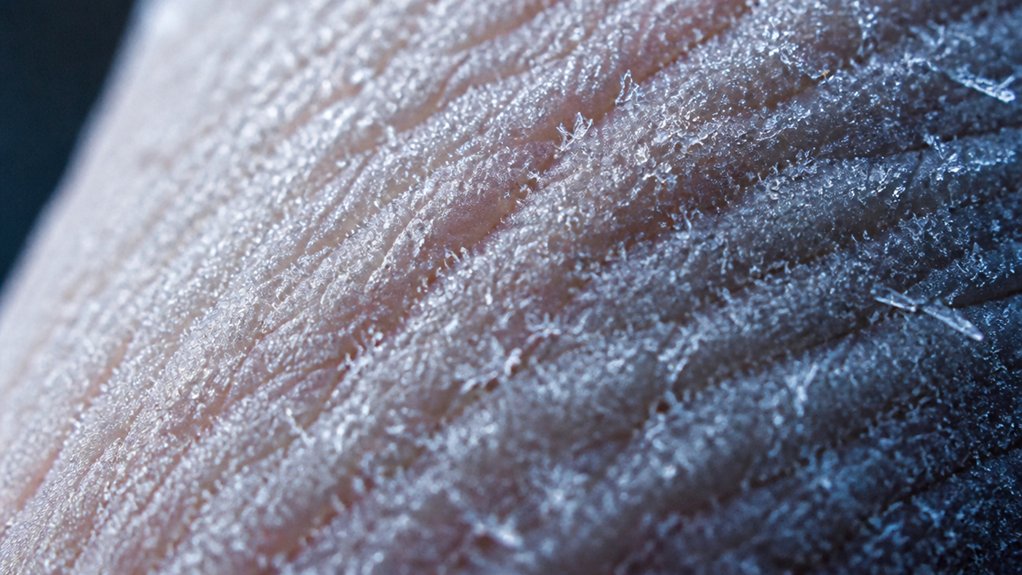
During cold practices, your body responds by narrowing blood vessels to conserve heat and prioritize essential organs. If vasoconstriction becomes excessive, you may notice pale, cold, and numb fingers and toes.
Persistent over-vasoconstriction can lead to acrocyanosis, turning affected areas blue due to poor oxygen delivery. You might also experience tingling, weakness, or slow wound healing in your extremities.
Signs of severe vasoconstriction include persistent coldness or color changes in your fingers and toes, indicating your blood vessels are constricting too much. If you feel significant discomfort or observe these symptoms, seek medical advice to prevent complications like tissue damage.
Understanding the role of bromine stability in maintaining effective ice bath sanitation can help ensure consistent treatment without affecting your body’s response to cold. Recognizing these signs helps you avoid more serious issues caused by over-vasoconstriction during cold exposure.
Risks of Excessive Vasoconstriction in Cold Water Therapy
Excessive vasoconstriction during cold water therapy can severely limit blood flow to your skin and extremities, risking tissue hypoxia and necrosis.
Prolonged or intense constriction might lead to serious issues like limb ischemia, or even damage your organs through hypothermia or reduced organ perfusion.
If you push vasoconstriction too far, you increase the likelihood of complications like gangrene or organ failure, highlighting why moderation is essential.
Reduced Blood Flow Risk
When blood vessels constrict too much in cold water therapy, blood flow to the skin and extremities drops sharply, raising significant health concerns. This vasoconstriction limits oxygen delivery, leading to tissue hypoxia and increasing the risk of ischemic damage. Cold Plunge Water Treatment Liquids can help maintain water quality but must be used properly to avoid over-constriction issues.
You might experience symptoms like painful vasospasms or numbness if vasoconstriction persists.
Be aware of these risks:
- Impaired heat dissipation, increasing hypothermia chances
- Damage to peripheral tissues due to lack of oxygen
- Slowed wound healing and higher infection susceptibility
- Elevated vascular resistance and blood pressure stressing your heart
Excessive vasoconstriction diminishes blood flow, risking serious tissue injury and affecting overall safety during cold water therapy sessions.
Hypothermia and Organ Damage
Vasoconstriction in cold water therapy can markedly reduce blood flow to your extremities, but its effects can extend deeper into your body, raising serious health concerns. Excessive vasoconstriction narrows blood vessels, limiting oxygen and nutrients to essential organs. This can lead to tissue ischemia and, over time, organ damage. Imagine the body’s response as:
| Blood Vessel | Constriction Effect | Result |
|---|---|---|
| Carotid artery | Sharp narrowing | Reduced brain perfusion |
| Renal artery | Severe constriction | Kidney ischemia |
| Coronary artery | Critical constriction | Heart strain |
Prolonged vasoconstriction increases the risk of hypothermia, and in extreme cases, can cause nerve injury or tissue necrosis if rewarming is delayed. Additionally, understanding the mechanisms of vasoconstriction can help mitigate these risks by informing safer cold water therapy practices.
Limb Ischemia Consequences
During cold water therapy, severe narrowing of blood vessels can drastically reduce blood flow to your limbs, leading to tissue hypoxia. Excessive vasoconstriction causes limb ischemia, risking tissue damage and nerve injury. A durability aspect of some tubs, such as their puncture-resistant and leak-resistant materials, is crucial for safe use in cold water therapy. Prolonged vasoconstriction in the blood vessels, driven by smooth muscle contraction, deprives tissues of essential oxygen and nutrients. If untreated, this can lead to serious outcomes like frostbite or gangrene. Key risks include:
- Development of acrocyanosis and painful color changes
- Impaired wound healing and increased infection risk
- Permanent nerve and tissue injury
- Loss of limb function due to irreversible damage
Understanding these consequences highlights the importance of avoiding excessive vasoconstriction during cold water therapy to prevent limb ischemia and preserve tissue health.
How to Manage Vasoconstriction to Stay Safe During Ice Baths
To stay safe during ice baths, it’s essential to manage vasoconstriction effectively. During cold exposure, peripheral vasoconstriction causes blood vessels to narrow by smooth muscle contraction, reducing blood flow to skin and limbs to conserve heat.
However, excessive constriction can lead to numbness and tissue ischemia. To prevent this, limit your exposure duration and keep water temperature moderate to avoid over-narrowing vessels. After the ice bath, gradually warm up and stretch to promote vasodilation, restoring normal blood flow. Using a waterproof timer to monitor session length can help prevent overexposure.
Additionally, avoid caffeine and manage stress, as these can trigger sympathetic nervous system-driven vasoconstriction. Proper hydration and smoking cessation further support healthy vascular responses, helping you stay safe and prevent complications related to excessive vasoconstriction during cold exposure.
When to Seek Medical Help for Vasoconstriction-Related Issues
When should you seek medical help for issues related to vasoconstriction?
If vasoconstriction results in persistent high blood pressure, you should see a doctor immediately, as narrowed vessels increase vascular resistance and raise cardiovascular risk.
Seek immediate medical help for persistent high blood pressure caused by vasoconstriction to reduce cardiovascular risk.
If you experience sudden severe headaches, vision changes, seizures, or weakness, seek urgent care for reversible cerebral vasoconstriction syndrome (RCVS), which can lead to stroke.
Cold-induced vasospasms from Raynaud’s phenomenon causing pain, ulcers, or tissue damage also warrant medical attention, as they signal compromised blood flow.
Additionally, during hyperthermia or heat stroke, excessive vasoconstriction impairs heat dissipation. If you suffer severe headaches or neurological symptoms after head trauma, rapid evaluation for cerebral vasospasm is essential.
Stay alert to prevent serious complications.
Tips to Balance Vasoconstriction and Promote Safe Cold Exposure
Balancing vasoconstriction during cold exposure is essential to protect your tissues and maintain overall health. To do this, start with a gradual warm-up before exposing yourself to cold, promoting healthy vasodilation and reducing excessive vasoconstriction.
Limit caffeine and nicotine intake, as they activate the sympathetic nervous system, increasing vasoconstriction via smooth muscle contraction. Wearing protective clothing and covering extremities lessen the need for intense vasoconstriction, helping preserve blood flow and prevent conditions like Raynaud’s.
Managing psychological stress through relaxation techniques lowers norepinephrine release, decreasing undue vasoconstriction triggered by emotional factors. Additionally, engaging in regular moderate exercise enhances endothelial function, supporting better vasodilation and vasoconstriction responses.
These tips help you safely navigate cold exposure while maintaining peak vascular health.
Key Takeaways for Healthy Cold Water Practices
Engaging in cold water practices requires an understanding of your body’s natural response: vasoconstriction. When exposed to cold water, your blood vessels narrow as smooth muscle contracts, reducing blood flow to the skin to conserve heat.
This peripheral vasoconstriction helps maintain core temperature but can cause skin pallor and, in some cases, conditions like Raynaud’s phenomenon. To practice safely, it’s essential to manage this response with gradual warming and proper acclimatization.
- Recognize vasoconstriction’s role in conserving heat and maintaining blood pressure
- Avoid prolonged cold water exposure to prevent excessive vessel constriction
- Gradually increase water temperature to reduce stress on blood vessels
- Be aware of signs like skin pallor or numbness indicating extreme vasoconstriction
Frequently Asked Questions
What Is the Mechanism of Vasoconstriction?
You activate vasoconstriction when calcium enters your smooth muscle cells, binds to calmodulin, and triggers myosin activation, leading to muscle contraction. Norepinephrine and high voltage stimulate this process, constricting blood vessels to regulate blood flow and pressure.
What Factors Stimulate Vasoconstriction?
You’re stimulated to vasoconstrict by cold exposure, psychological stress, medications like nasal decongestants, and smoking, which activate your sympathetic nervous system, releasing norepinephrine and epinephrine that cause your blood vessels to contract and narrow.
What Is the Purpose of a Vasoconstrictor?
A vasoconstrictor’s purpose is to narrow blood vessels, increase resistance, raise blood pressure, and control blood flow. You use them to treat medical conditions, prolong anesthesia effects, and manage blood loss during trauma or surgery.
Does Vasoconstriction Decrease Heart Rate?
Vasoconstriction doesn’t directly decrease your heart rate. Instead, it may cause reflex bradycardia in some cases, but usually, it raises your heart rate because your heart needs to respond to increased resistance and blood pressure.