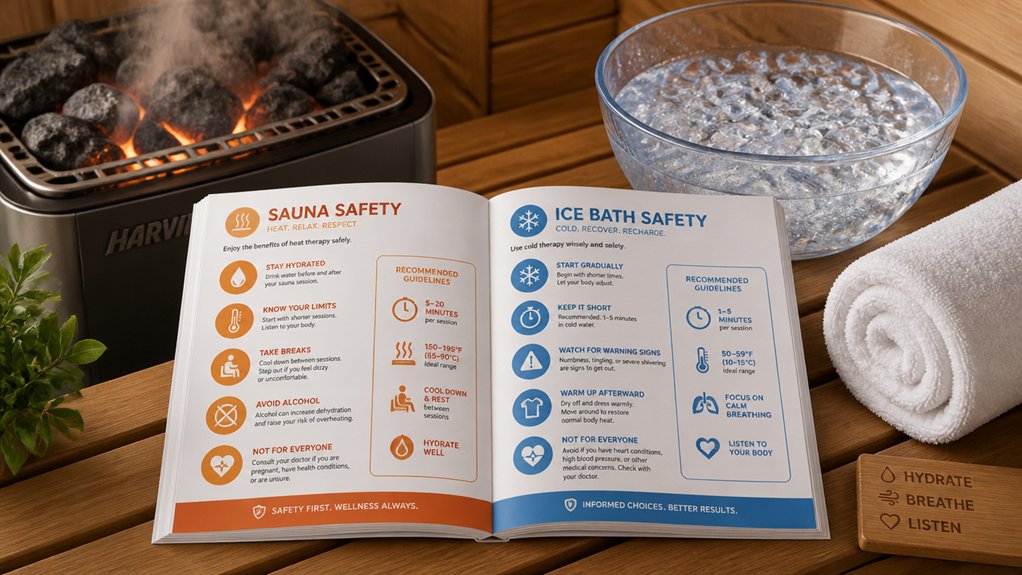
To stay safe during sauna and ice bath sessions, start slowly with shorter exposures and gradually increase duration. Always listen to your body, especially during cold shock, which can spike heart rate and blood pressure. Shift carefully from heat to cold, breathe deeply, and stay hydrated. Avoid these practices if you have heart issues, are pregnant, or feel faint. Follow proper protocols, prepare your environment, and learn essential safety tips to prevent risks and enjoy the benefits safely. Keep going for more detailed guidance.
Risks of Sudden Temperature Changes During Sauna and Cold Plunges
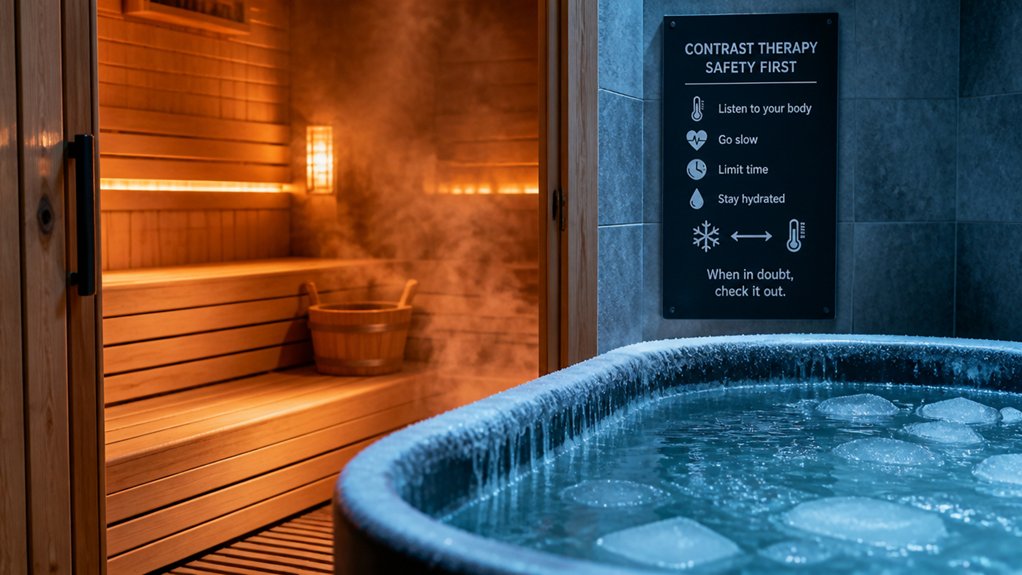
Sudden temperature changes during sauna sessions and cold plunges pose significant health risks, especially when shifts are abrupt.
Moving quickly from a sauna, which can reach up to 175°F, into a cold plunge as low as 39°F causes rapid vasoconstriction, sharply raising blood pressure and straining your cardiovascular health. The cold shock response during immersion triggers an accelerated heart rate, forced inhalation, and hypertension, increasing the risk of abnormal heart rhythms or cardiac arrest. These sudden shifts can also impair fine motor skills and breathing control, raising accident risks.
Prolonged exposure to extreme temperature changes may cause hypothermia symptoms like confusion and shivering. Individuals with heart conditions, older adults, and pregnant women are particularly vulnerable to these severe health risks from abrupt sauna-to-cold plunge changes. Understanding the infrared heating technology used in these saunas can help users better prepare and time their contrast therapy sessions safely.
How Cold Shock Affects Your Body and Safety Tips
Cold shock causes an immediate spike in your heart rate and involuntary gasping, increasing the risk of water inhalation. Peripheral vasoconstriction raises blood pressure sharply, stressing your cardiovascular system, especially if you have existing heart conditions. Symptoms like rapid breathing, panic, and impaired motor control make accidents more likely. To stay safe, enter the cold water gradually after controlled deep breathing, starting with brief exposures of 10-20 seconds. Avoid abrupt immersion, as it can trigger dangerous responses. Monitoring your temperature tolerance helps prevent overexposure and adverse reactions.
How to Protect Your Heart When Transitioning Between Heat and Cold
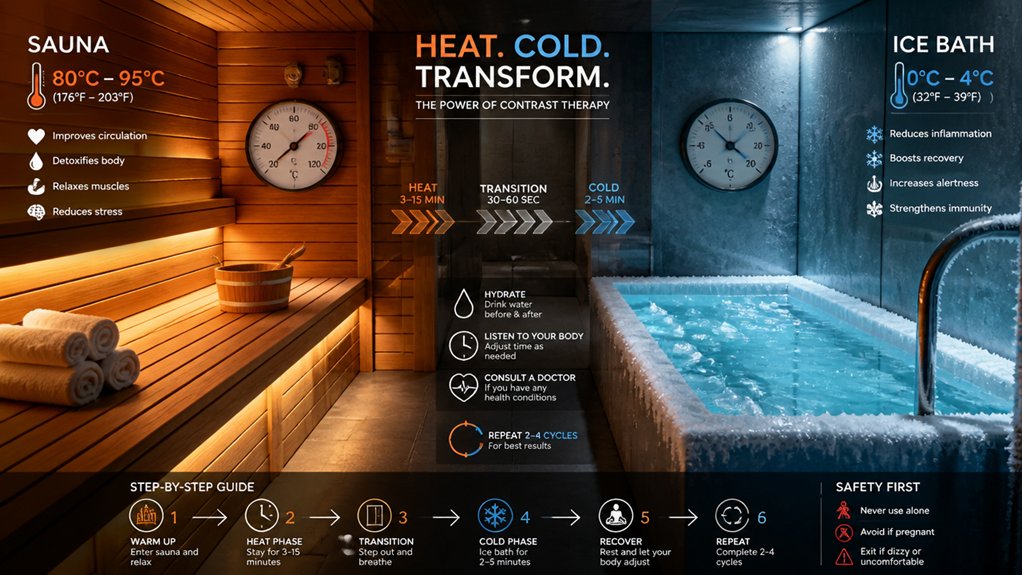
Shifting carefully between sauna heat and cold plunges is essential for protecting your heart. When moving between environments, avoid abrupt cold exposure; instead, gradually increase cold exposure by slowly entering the cold plunge after the sauna and starting with short durations (10-20 seconds).
This gradual increase reduces cardiovascular stress and helps prevent rapid heart rate spikes and abnormal rhythms. Use breathing techniques to control your sympathetic nervous system, stabilizing your heart rate and blood pressure during cold exposure.
Always stay hydrated before and after sessions, as proper hydration supports cardiovascular function. If you have underlying heart or blood pressure issues, consult a healthcare professional before trying sauna and cold plunge adjustments.
Prioritizing these precautions safeguards your cardiovascular health and minimizes risks during heat and cold changes.
Signs of Hypothermia and What to Do If It Happens
When you’re exposed to prolonged cold, your body can start to show signs of hypothermia, a dangerous condition resulting from your core body temperature dropping too low. You might notice shivering, a reflex to generate heat, or confusion and disorientation that impair your judgment.
Breathing could become slow or shallow, and you might feel extremely sleepy or have difficulty speaking. If you see these signs, immediately remove yourself from the cold plunge and protect yourself from wind chill.
Remove any wet clothing and replace it with dry, insulating garments. For rewarming, gradually warm your limbs and core body temperature, avoiding shock. Utilizing a reliable temperature monitor can help you track safe exposure limits and prevent hypothermia from worsening.
If symptoms worsen or you lose consciousness, seek emergency medical assistance immediately. Quick action can prevent severe complications or shock.
Your Step-by-Step Guide to Safe Sauna and Ice Bath Sessions
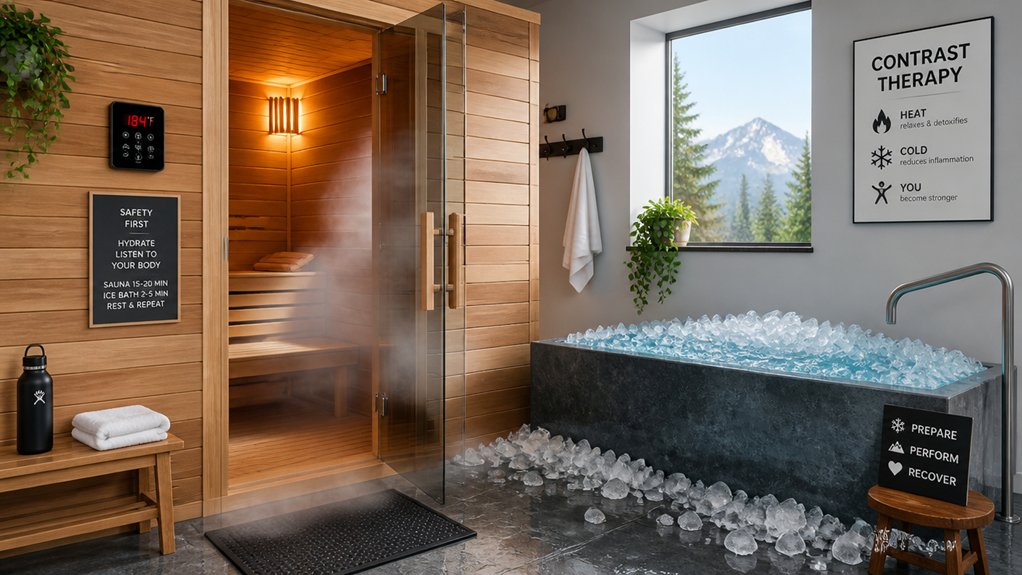
To guarantee your sauna and ice bath sessions are safe, start with proper preparation, like hydrating and setting a comfortable temperature. A water treatment plan can help maintain water clarity and hygiene during your sessions. Follow safe shift procedures by gradually adjusting your exposure times and water temperatures, listening to your body’s signals. By sticking to these steps, you can enjoy the benefits while minimizing risks.
Proper Preparation Techniques
Proper preparation is essential to guarantee safe and enjoyable sauna and ice bath sessions. For sauna use, start with 10-15 minutes at traditional temperatures of 150–175°F or infrared saunas at 120–130°F to allow safe, gradual heat exposure.
When preparing for ice bathing or cold immersion, practice controlled breathing and exhalation techniques to help manage the cold shock response and minimize involuntary gasping. Begin cold plunge slowly by dipping feet first and limit initial immersion to 30 seconds to 1 minute in water between 50–60°F, gradually increasing duration as tolerated.
Always use a timer to monitor session length. Prepare warm clothing and towels for rewarming afterward, and avoid hot showers or alcohol immediately following immersion for better temperature regulation. Incorporating adaptogens such as Rhodiola and Ashwagandha can support stress response and resilience during cold plunge routines adaptogen benefits.
Safe Transition Procedures
Shifting safely between sauna sessions and cold plunge demands careful attention and deliberate actions. Begin with a 10-15 minute sauna to safely raise your core temperature and relax muscles before cold immersion.
When entering the cold plunge, do so slowly with partial immersion for 10-20 seconds at 50-60°F, helping your body acclimate and reducing cold shock. During cold immersion, practice controlled, deep breathing to manage your breathing and heart rate, minimizing the cold shock response. Limiting cold sessions initially to 1-3 minutes and watching for signs of dizziness or shivering is essential.
After cold exposure, rewarm gradually by drying off and moving gently. Avoid hot showers, alcohol, or tobacco immediately afterward to prevent hypothermia and promote safe core temperature rewarming. Understanding the importance of effective water treatment and insulation can help maintain safe and consistent cold plunge conditions.
- Start slow with partial immersion and brief durations
- Focus on deep, controlled breathing techniques
- Limit cold plunge time to 1-3 minutes initially
- Observe for signs of discomfort or dizziness
- Rewarm gradually without sudden hot showers
Preparing Your Body and Environment for Cold and Heat Exposure
Preparing your body and environment before heat or cold exposure is essential for a safe experience. To handle heat exposure in a sauna, start with moderate temperatures of 150–175°F for 10–15 minutes, gradually increasing your immersion time while staying well-hydrated.
Start with 150–175°F sauna sessions for 10–15 minutes, gradually increasing time while staying hydrated.
For cold plunge, initiate with water temperatures around 55–60°F and limit your cold exposure to 30 seconds to 1 minute, building tolerance gradually. Practice controlled breathing techniques beforehand to manage your body’s shock response.
Confirm your environment is safe by using non-slip mats, keeping towels and warm clothes nearby, and setting a timer. Having a companion can provide assistance during initial sessions.
Avoid alcohol, tobacco, and strenuous activities to optimize safety and acclimatization.
Best Practices for Rewarming and Post-Session Recovery
After completing your heat or cold session, focusing on a safe rewarming process helps your body recover and reduces health risks.
To do this effectively, rewarm gradually instead of rushing into hot showers or saunas, which can cause sudden stress on your cardiovascular system.
Immediately dry off and change into warm, dry clothing to prevent heat loss and lower the risk of hypothermia.
Stay hydrated, and consume a warm beverage or healthy snack to support metabolic recovery.
Always monitor for symptoms like shivering, confusion, or slowed breathing, and seek medical help if needed.
Remember to avoid alcohol and tobacco during rewarming, as they impair circulation.
Incorporating advanced safety features in recovery routines can further protect your health and ensure a safer post-session experience.
Prioritize these practices to guarantee safe recovery and avoid post-session complications.
Who Should Avoid Sauna and Cold Plunges and Why
Who should steer clear of sauna and cold plunge therapies?
If you have cardiovascular diseases, such as heart conditions, hypertension, or arrhythmias, avoid these therapies because rapid temperature changes can increase your risk of cardiac arrest or irregular rhythms.
Pregnant women should also steer clear, as extreme heat or cold can harm both mother and baby.
Children under 16 and older adults should avoid these practices because their bodies may struggle to regulate temperature effectively, risking shock or fainting.
People with medical conditions like diabetes, Raynaud’s syndrome, cold urticaria, or cold agglutinin disease shouldn’t use ice baths, due to heightened risks of circulation issues and tissue damage.
If you’re feeling faint, intoxicated, or have blood pressure or heart issues, consult a doctor before trying these therapies.
Additionally, material durability concerns are relevant, as suits or environments lacking proper insulation and protective features can increase the risk of cold-related injuries.
Frequently Asked Questions
Can Beginners Safely Try Sauna and Ice Bath Routines Simultaneously?
Yes, beginners can try sauna and ice bath routines simultaneously, but you should start slowly, listen to your body, stay hydrated, and consult a healthcare professional beforehand to guarantee safety and avoid risks.
How Should I Adjust Sessions if I Feel Dizzy or Lightheaded?
If you feel dizzy or lightheaded, stop your session immediately, sit or lie down in a cool place, hydrate, and rest until symptoms subside. Always listen to your body and avoid pushing through these sensations.
Are There Specific Foods to Eat Before or After Therapy?
You should eat light, nutrient-rich foods before therapy, like fruits or nuts, to stay energized. Afterward, hydrate well, and consider balanced meals containing proteins, healthy fats, and vegetables to support recovery and hydration.
What Clothing or Gear Is Recommended During Cold Plunges?
You should wear a swimsuit or comfortable, quick-drying clothing during cold plunges. Consider bringing a towel or robe for afterward, and avoid restricting movement. Protect your head with a hat if you’re sensitive to cold.
How Do I Know if I Am Overdoing Temperature Exposure?
You’ll know you’re overdoing it if you experience dizziness, excessive shivering, nausea, chest pain, or extreme fatigue. Pay attention to your body’s signals, and always exit immediately if you feel unwell during temperature exposure.