If you’re new to hot-to-cold contrast therapy, start by alternating 10-15 minutes in a warm sauna or bath with 1-3 minutes in cold water or an ice bath, repeating 2-4 times. Use reliable equipment, monitor water temps, and listen to your body to stay safe. Gradually increase exposure as you become more comfortable. If you want detailed steps and safety tips, discover how to make your sessions effective and enjoyable.
What Is Contrast Therapy and How Does It Help Recovery?
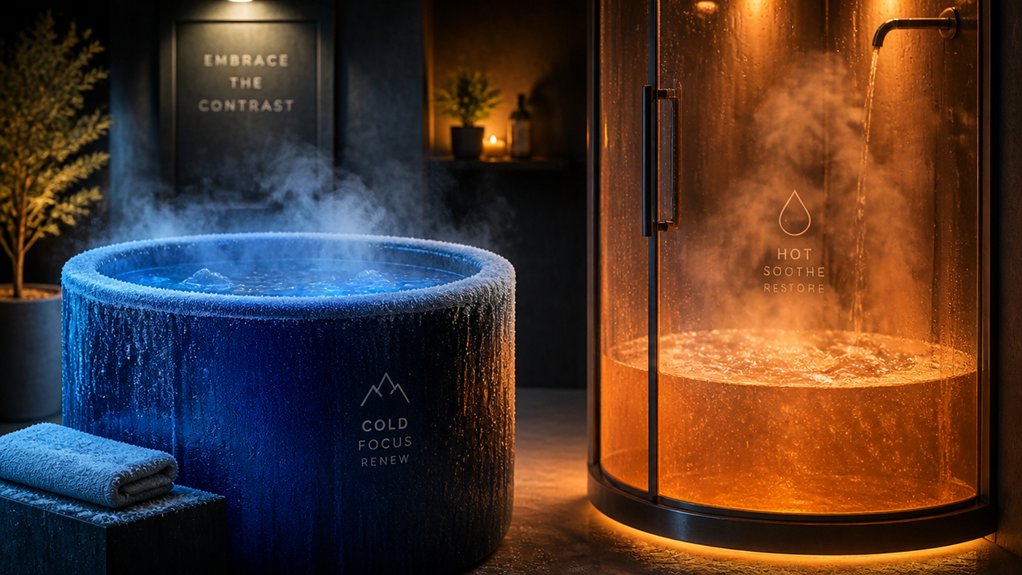
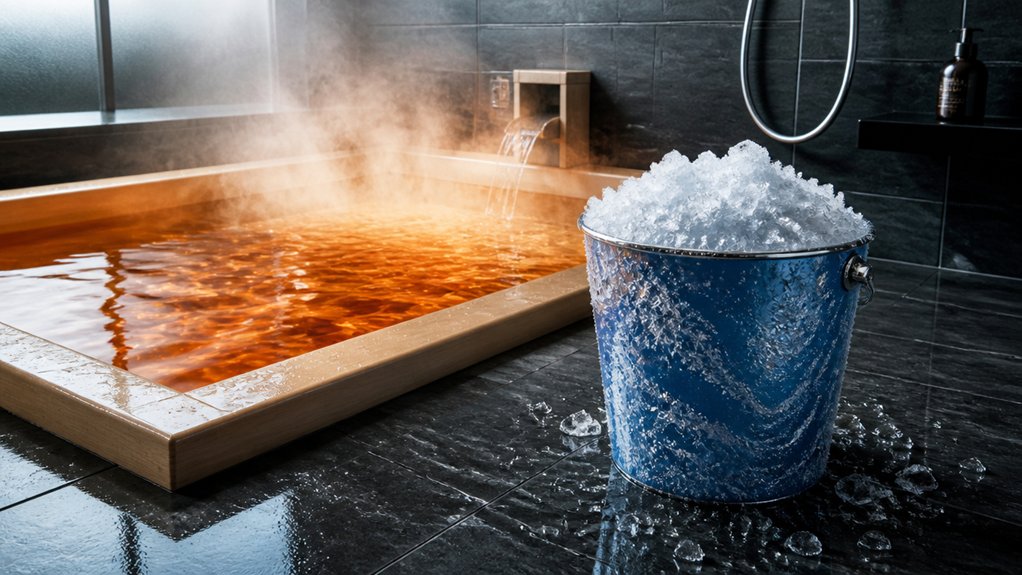
What exactly is contrast therapy, and how does it aid your recovery? Contrast therapy involves alternating exposure to heat, like a sauna or warm water, and cold, such as an ice bath or cold plunge.
Contrast therapy alternates heat and cold to boost circulation and speed up muscle recovery.
This method stimulates circulation by causing vasodilation and vasoconstriction of blood vessels, increasing blood flow. Improved circulation helps deliver essential nutrients to your muscles and speeds up the removal of metabolic waste.
Cold therapy reduces inflammation and alleviates muscle soreness by narrowing blood vessels and numbing pain, while heat relaxes muscles and enhances tissue pliability. Typically, you’ll spend 15–20 minutes in heat followed by a few minutes in cold water, repeating for several cycles.
The effectiveness of contrast therapy can be enhanced by using devices with rapid temperature adjustment, allowing seamless switching between hot and cold treatments for optimal recovery. This process supports muscle recovery and can lessen delayed onset muscle soreness.
Benefits of Hot-and-Cold Contrast for Beginners
Using hot-and-cold contrast can boost your circulation and speed up muscle recovery by improving blood flow and reducing soreness.
It also helps clear your mind and lift your mood through increased relaxation and mental clarity.
Starting with simple cycles allows you to enjoy these benefits safely and effectively as a beginner.
Enhancing safety and comfort with heat pad safety settings ensures a more controlled and pleasant experience during contrast therapy.
Enhances Circulation and Recovery
Contrast therapy works by stimulating your blood vessels to enhance circulation and speed up recovery. When you switch between hot and cold immersion, your blood vessels undergo vasodilation from heat, which widens them, increasing blood flow. Then, cold causes vasoconstriction, narrowing the vessels and redirecting blood to essential areas. A proper balance between these temperature extremes can optimize sensor accuracy and improve your overall experience.
This “vascular pumping” effect improves circulation, delivering oxygen and nutrients more efficiently while removing metabolic waste. This process helps reduce muscle soreness and supports faster recovery after exercise. As a beginner, start with short sessions—around 10–15 minutes of hot and 1–3 minutes of cold—then gradually increase the number of cycles.
Enhanced circulation from contrast therapy promotes lymphatic drainage and reduces overall fatigue, accelerating your body’s healing process.
Reduces Muscle Soreness
Alternating hot and cold immersion directly combats muscle soreness by boosting circulation and reducing inflammation. During contrast therapy, heat induces vasodilation, increasing blood flow, while cold causes vasoconstriction, minimizing swelling. This cycle creates a pumping effect that helps clear metabolic waste. Cold plunge tubs lasting 1–3 minutes after heat exposure reduce inflammation and delay onset muscle soreness (DOMS) by limiting tissue irritation. Using a hot tub or sauna relaxes muscles and delivers oxygen and nutrients, speeding recovery. Repeating 2–4 cycles enhances oxygen delivery and decreases lactic acid buildup. Beginners should start with milder temps, like 120–130°F for heat and 50–60°F for cold, for safe, effective relief. Incorporating adaptogens into your routine can also support stress resilience and recovery during contrast therapy.
Boosts Mental Clarity
Engaging in hot-and-cold contrast therapy can greatly boost your mental clarity. Contrast therapy combines heat and cold exposure, stimulating the release of norepinephrine, which sharpens your focus and alertness.
The controlled cycling between hot and cold also calms and invigorates your autonomic nervous system, improving cognitive clarity. Incorporating contrast therapy into your wellness routine can help regulate internal body temperature, leading to better sleep and increased mental sharpness the next day.
As you practice, mindful breathing during each cycle enhances present-moment awareness, further sharpening your mental state. This combination of heat and cold exposure supports better concentration, reduces mental clutter, and fosters a clear, focused mind, making contrast therapy an effective tool for enhancing mental clarity. Additionally, choosing the right infrared sauna with proper EMF levels can maximize safety and health benefits during your contrast sessions.
Essential Equipment and Setup Tips for Safe Home Contrast Therapy
Setting up a safe and effective home contrast therapy area depends on having the right equipment and environment. Use two separate tubs or basins to control water temperatures: hot water around 100–104°F (37–40°C) and cold water between 46–50°F (8–10°C).
Keep a reliable water thermometer and a timer nearby to monitor immersion durations—3–4 minutes in hot, 1 minute in cold, especially for beginners. Arrange your setup near drains or outside to manage spills easily and facilitate smooth shifting between baths.
Keep towels, a robe, and a warm hat handy to assist with safe warming after cold immersion and prevent rapid cooling. Remember to stay hydrated and start with gentler temperatures and shorter sessions to guarantee safety during contrast therapy. Additionally, choosing tubs with appropriate insulation can help maintain consistent water temperatures and enhance your overall experience.
How to Transition Safely Between Hot and Cold Immersion
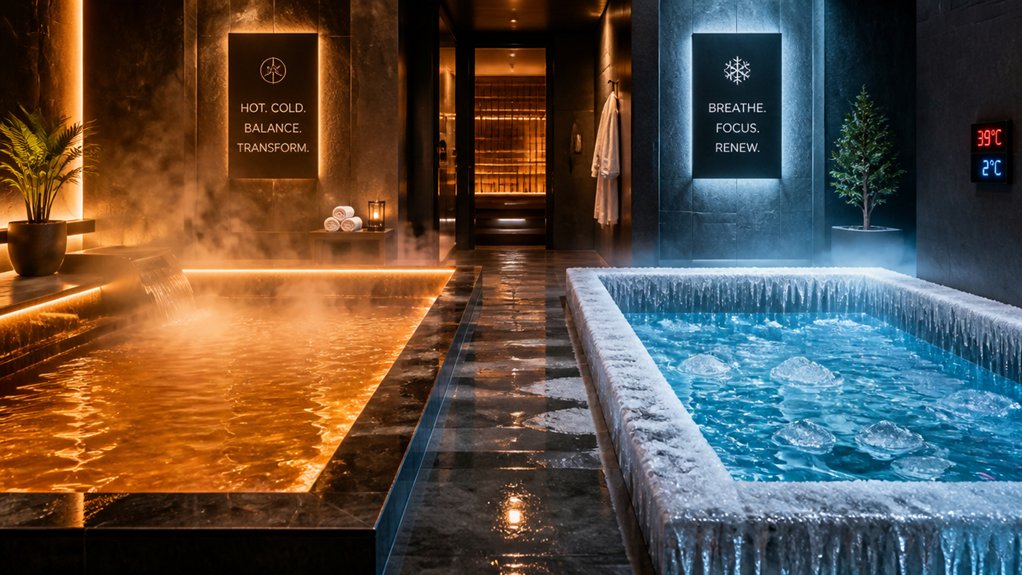
To switch safely between hot and cold immersion, it’s important to move gradually and avoid sudden temperature changes that can shock your body. Start by slowly shifting from a hot bath or water immersion to cold, spending 10-15 seconds adjusting to temperature extremes.
Gradually transition between hot and cold immersion to prevent shock and ensure safe temperature adjustments.
Limit your initial cold exposure to 1–2 minutes at around 50–60°F (10–15°C) to prevent dizziness or cold shock, especially as a beginner. Use deep, controlled breathing to stay calm and reduce physiological stress.
After cold, pause briefly to allow your circulation to stabilize before re-entering the hot bath. Monitor your body closely for signs of discomfort, lightheadedness, or dizziness.
Additionally, maintaining clear water and proper water treatment helps ensure a safer experience during contrast therapy sessions. If you notice any adverse symptoms, pause or stop the changeover to protect your health.
A Step-by-Step Guide to Starting Contrast Therapy Sessions
Start by preparing a quiet, comfortable space with easy access to a sauna and cold immersion area.
Follow a simple routine by spending 10–15 minutes in the sauna, then quickly switching to a 1–3 minute cold plunge, repeating as you feel comfortable.
Always finish with cold exposure and stay hydrated to support your recovery and safety.
To enhance your experience, consider using a cold plunge thermometer with timer features to accurately monitor water temperature and duration during each session.
Preparing Your Space
Before beginning your contrast therapy sessions, it’s vital to thoroughly prepare your space for safety and comfort. Set up two adjacent tubs or baths, one with hot water (100°F–104°F) and the other with cold water (46°F–50°F), monitoring temperatures with a reliable thermometer.
Create a cozy rest area nearby with towels, a robe, and hydration to help you recover between cycles. Guarantee proper ventilation and maintain a comfortable room temperature to prevent overheating or chilling.
Gather a timer or stopwatch to track immersion times, starting with shorter durations to minimize risk. Remove potential hazards like slippery surfaces, and keep a phone or assistance nearby in case you feel dizzy or experience adverse reactions.
These preparations guarantee a safe and effective contrast therapy session.
Following Proper Routine
Once your space is prepared, you can begin your contrast therapy session by following a structured routine. Start with 10–15 minutes in a sauna or hot tub at 150–195°F to relax muscles and boost circulation. Then, switch to cold immersion for 1–3 minutes in a plunge pool or shower at 50–60°F to reduce inflammation. Repeat the alternating hot and cold cycle 2–4 times, depending on your comfort level and experience. Always end with a cold exposure to help calm inflammation and stabilize body temperature. Throughout, stay well-hydrated and listen to your body—stop immediately if you feel dizzy or uncomfortable. This routine maximizes muscle relaxation, promotes circulation, and enhances the benefits of contrast therapy.
| Step | Details |
|---|---|
| Warm phase | Sauna/hot tub (150–195°F, 10–15 mins) |
| Cold phase | Cold immersion/shower (50–60°F, 1–3 mins) |
| Final step | Cold exposure to calm inflammation and stabilize |
Monitoring Temperatures and Timing for Maximum Safety
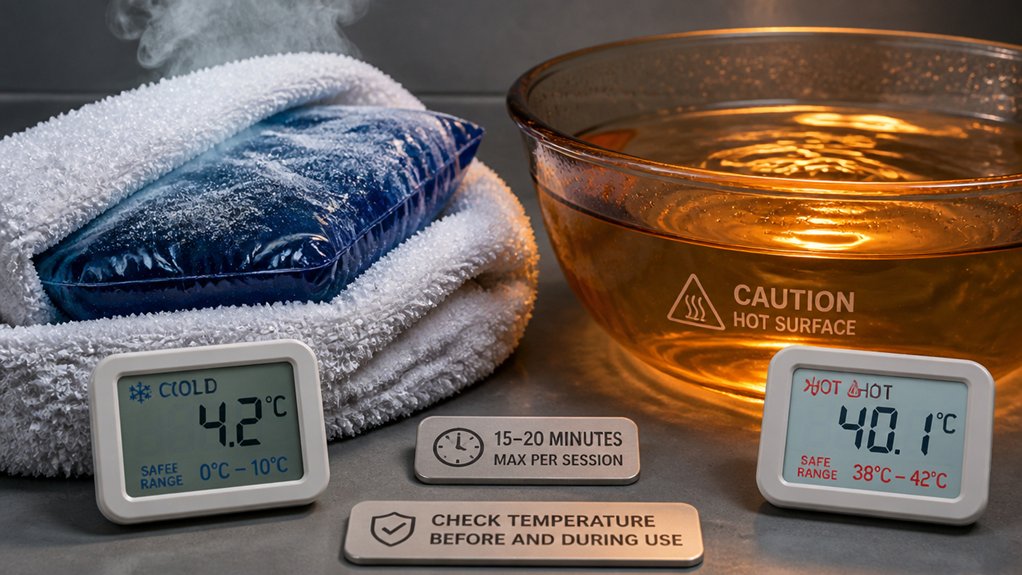
Monitoring temperatures and timing during contrast therapy is essential to guarantee safety and maximize benefits.
Monitoring temperatures and timing ensures safe, effective contrast therapy for optimal results.
You should carefully monitor the temperature of your heat exposure and cold immersion, ensuring they stay within safe ranges—100°F to 195°F for heat and 50°F to 60°F for cold. Using a reliable thermometer helps you track these levels accurately, preventing burns or hypothermia.
During sessions, visualize:
- Checking the water or ambient temperature frequently
- Starting with short durations, like 5–10 minutes of heat and 1–2 minutes of cold
- Following a structured cycle, typically 1–4 rounds, with total session times around 15–20 minutes
Always listen to your body, stop immediately if you feel discomfort, and stay hydrated to promote safety and effective heat and cold exposure.
Common Mistakes to Avoid When Practicing Contrast Bath Therapy
You might be tempted to stay in the cold bath longer than recommended, but overdoing it can cause discomfort or shock.
Pay close attention to how your body responds, and don’t ignore signals like dizziness or numbness.
Overdoing Cold Exposure
While cold exposure can boost circulation and aid recovery, it’s essential not to overdo it, as excessive cold can cause harm. Going beyond recommended durations or very low temperatures can trigger cold shock, vasoconstriction, and nerve pain, especially for those with peripheral neuropathy.
Risks increase if you:
- Immerse below 45°F (7°C), raising hypothermia dangers
- Extend cold phases past 1–3 minutes, risking circulation issues
- Overlook hydration pre- and post-immersion, increasing lightheadedness or cramping
Imagine icy water constricting your blood vessels, numbness creeping in, and discomfort intensifying. To avoid pain and adverse reactions, stick to gradual cold exposure, monitor your body’s responses, and keep sessions within safe limits.
Ignoring Body Signals
Ignoring body signals during contrast bath therapy can lead to serious risks, as your body often provides crucial cues about its limits. If you experience dizziness or lightheadedness, stop immediately, as it might indicate overexposure to heat or cold and increase the risk of fainting or injury.
Continuing therapy despite numbness or intense pain in a cold immersion can cause nerve damage, especially if you have pre-existing issues. Be sure to monitor your tolerance closely; overheating or overcooling can lead to burns or hypothermia.
Also, don’t neglect hydration—ignoring dryness or discomfort can worsen dehydration, impairing recovery. Always listen to your body, respect its signals, and avoid overriding fatigue or discomfort to guarantee safe and effective contrast therapy.
Using Breathing and Mindfulness to Enhance Your Contrast Therapy
Incorporating mindful breathing and present-moment awareness into contrast therapy can greatly enhance your experience and benefits. Controlled breathing during cold immersion, like slow, deep exhales, helps manage the shock response and keeps you calm.
Exhaling slowly upon entering cold water stimulates the parasympathetic nervous system, promoting relaxation and easing anxiety. Practicing breath-centered mindfulness engages your senses and anchors you in the present, reducing discomfort and stress.
Imagine these during your session:
- Feeling the cool water with each mindful inhale, grounding your focus.
- Rhythmic exhalations soothing your nervous system, fostering calm.
- Sensing bodily sensations that deepen relaxation and clarity.
These techniques balance your autonomic nervous system and amplify the circulatory “pumping” effect, maximizing the restorative benefits of contrast therapy.
Post-Session Rituals to Maximize Recovery and Relaxation
After finishing your contrast therapy session, taking deliberate post-session rituals can greatly boost recovery and relaxation.
Start by drying off thoroughly, dressing in layered, comfortable clothing to help stabilize your body temperature and prevent chills. Hydrate with warm beverages like herbal tea or warm water to support rehydration and normalize internal temperature.
Incorporate gentle movements, such as stretching, yoga, or walking, to promote continuous circulation and aid muscle recovery. Engaging in mindfulness practices like deep breathing or meditation can enhance overall relaxation and reduce stress, prolonging the calming effects of the therapy.
Finally, allow at least 10–15 minutes for a restful cooldown, giving your cardiovascular system time to stabilize and maximizing the physiological benefits of your hot-cold cycle.
FAQs About Contrast Bath and Sauna Therapy
Curious about how contrast bath and sauna therapies work and whether they’re right for you? Contrast therapy uses alternating hot and cold water or environments to stimulate blood vessels, promote circulation, and reduce inflammation.
During a contrast bath therapy, you immerse yourself in hot water (100–104°F) for a few minutes, followed by cold water (46–50°F) for a minute, repeating for 20–30 minutes. In a sauna, you spend 10–20 minutes in high heat (150–195°F), then cool down with a cold plunge at 50–60°F.
Visualize:
- The “pumping” of blood vessels as they dilate during heat and constrict during cold
- Blood rushing to tissues, delivering nutrients and oxygen
- Active relaxation and muscle recovery
Always start with shorter sessions, stay hydrated, and listen to your body’s signals.
Frequently Asked Questions
How Often Should I Do Contrast Therapy for Optimal Recovery?
You should do contrast therapy 2 to 3 times weekly for ideal recovery. Focus on lasting 15-20 minutes per session, alternating hot and cold, and listen to your body to avoid overdoing it.
Can Contrast Therapy Be Safely Used for Chronic Injuries?
Yes, contrast therapy can be safe for chronic injuries if you consult your healthcare provider first. You should start slowly, monitor your response, and avoid extreme temperatures to prevent further harm or irritation.
Are There Any Risks or Contraindications to Using Contrast Baths?
Yes, there are risks like skin irritation, numbness, or worsening of certain conditions. You should avoid contrast baths if you have poor circulation, open wounds, infections, or cardiovascular issues, and always consult a healthcare professional beforehand.
How Long Should I Wait Between Contrast Therapy Sessions?
You should wait at least 24 hours between contrast therapy sessions to allow your body to recover. Listen to your body and avoid overdoing it, especially if you experience discomfort or unusual symptoms.
Can Children or Elderly Individuals Safely Practice Contrast Therapy at Home?
You should consult a healthcare professional before allowing children or elderly individuals to practice contrast therapy at home, as their health conditions may impose risks. Supervision and personalized advice guarantee safety and appropriate practice.