Cold immersion boosts your athletic recovery and performance by quickly reducing inflammation, muscle soreness, and fatigue. It causes vasoconstriction, limiting blood flow and swelling, while later promoting circulation to deliver nutrients and remove waste. This process helps you recover faster and feel less stiff after workouts. Using cold water therapy at the right times can support your training goals—keep going to discover more effective strategies and safety tips.
What Is Cold-Water Immersion and How Does It Help Recovery?
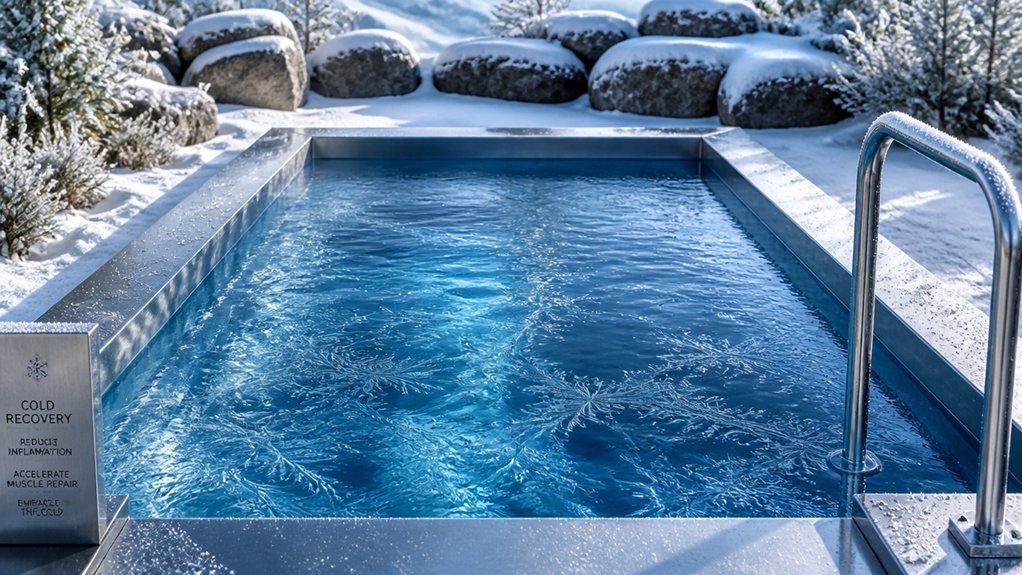
Have you ever wondered how athletes recover so quickly after intense workouts? Cold-water immersion (CWI) is a popular recovery technique that involves submerging your body in cold water, usually between 50°F and 59°F (10°C to 15°C).
This method helps reduce muscle soreness and decreases inflammation and swelling by causing vasoconstriction, which limits blood flow to damaged tissues. The cold exposure also numbs nerve endings, easing discomfort and subjective feelings of pain and fatigue.
After leaving the immersion, the body warms up again, prompting vasodilation that boosts blood flow. This increased circulation helps flush out metabolic waste while delivering nutrients to promote healing. The varied materials and insulation used in different tubs can influence how effectively they maintain temperature and endure frequent use.
How Cold Water Boosts Muscle Recovery and Reduces Soreness
When you immerse yourself in cold water, it causes your blood vessels to contract, reducing swelling and inflammation in your muscles. This process helps minimize soreness and muscle damage, while numbing nerve endings provides immediate pain relief. A fast-absorbing, non-greasy muscle recovery cream can enhance these effects by supporting skin and tissue comfort post-immersion. As your body warms up afterward, circulation improves, flushing out waste and delivering nutrients essential for quicker recovery.
Vasoconstriction and Reduced Swelling
Cold water immersion prompts vasoconstriction, which narrows blood vessels and decreases blood flow to your muscles. This process reduces inflammation and swelling after exercise, helping you recover faster.
By limiting blood flow, cold water minimizes the buildup of metabolic waste and fluids that contribute to soreness and stiffness. This reduction in swelling decreases pressure on nerve endings, easing the discomfort associated with delayed-onset muscle soreness (DOMS).
When you finish your cold immersion, rewarming causes vasodilation, which boosts nutrient delivery and waste removal, further supporting recovery.
Nerve Numbing and Pain Relief
Immersing in cold water numbs nerve endings, which effectively diminishes the sensation of pain and muscle soreness after exercise. This nerve numbing allows you to experience less discomfort, so you can recover faster.
During cold water immersion, your body’s response involves:
- Decreased pain signals sent from nerve endings, reducing muscle soreness perception.
- Calming of nervous activity in affected muscles, making movement less painful.
- Enhanced recovery process by temporarily blocking pain that could limit your mobility.
- The cold also stimulates muscle healing by promoting circulation and decreasing inflammation, further supporting faster recovery.
Inflammation Decrease and Soreness
Exposure to cold water triggers vasoconstriction, narrowing blood vessels to reduce blood flow and greatly decrease inflammation and swelling in muscles and joints after intense exercise. Cold plunging and ice baths help curb inflammation caused by exercise-induced muscle damage, limiting stiffness and pain.
The cold’s numbing effect lowers nerve ending sensitivity, reducing delayed-onset muscle soreness (DOMS) and speeding recovery. Brief exposure to cold water (50°F to 59°F) minimizes inflammatory responses that typically cause soreness and stiffness. After emerging from the cold, vasodilation flushes out metabolic waste while delivering nutrients to support recovery.
Studies confirm cold immersion markedly lowers subjective muscle soreness and perceived exertion immediately and up to 48 hours post-exercise, making it an effective tool for athlete recovery.
When and How Should You Use Cold Immersion in Your Training?
Ever wondered when the best time is to incorporate cold immersion into your training routine? The ideal moment is right after intense exercise, when your muscles are most inflamed and in need of recovery.
To start, make certain the water temperature is between 50°F and 59°F (10°C to 15°C). Begin with 30 seconds to 1 minute, gradually increasing to 5–10 minutes as your tolerance builds.
During cold therapy, focus on controlled, calm breathing to manage shock response and improve comfort.
Incorporating high-powered chillers can ensure rapid cooling and consistent temperature control, making your recovery sessions more effective and convenient.
Limit sessions to 2–4 times weekly to maximize recovery without hindering long-term muscle strength and growth.
Always warm up with towels and light movement afterward. Never use cold immersion if you have cardiovascular issues or after a heavy meal for safety reasons.
What Are the Safety Risks of Cold Water Therapy and How to Avoid Them
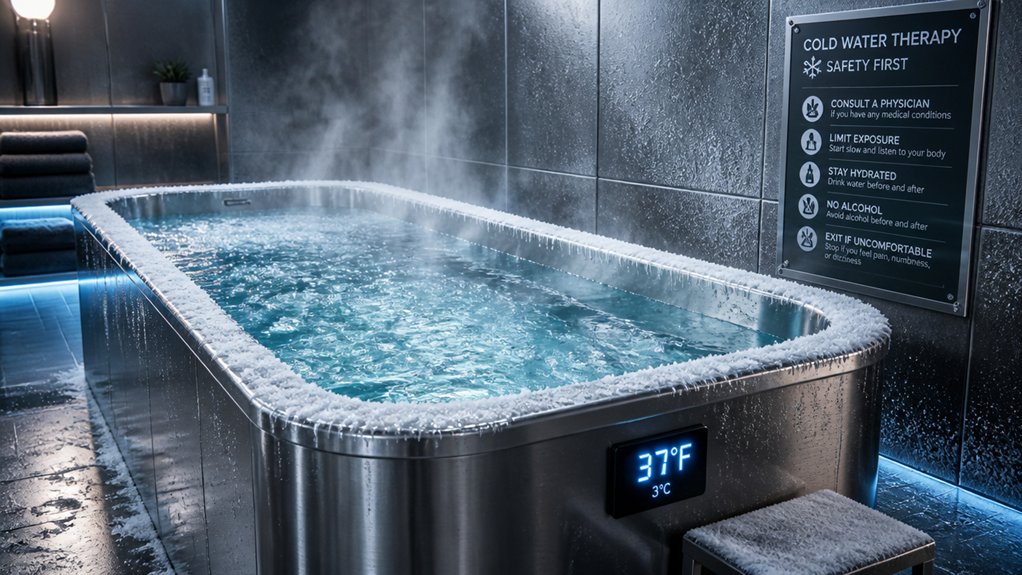
Cold water therapy can pose risks like frostbite and hypothermia if you stay in too long or in temperatures that are too cold. You should watch for signs of distress, such as shivering or numbness, and always have warm clothing nearby to rewarm safely. Make sure to use safety equipment and follow recommended durations to avoid dangerous outcomes. Proper insulation of your cold plunge tub can also help maintain safe temperatures and reduce the risk of cold-related injuries.
Preventing Frostbite and Hypothermia
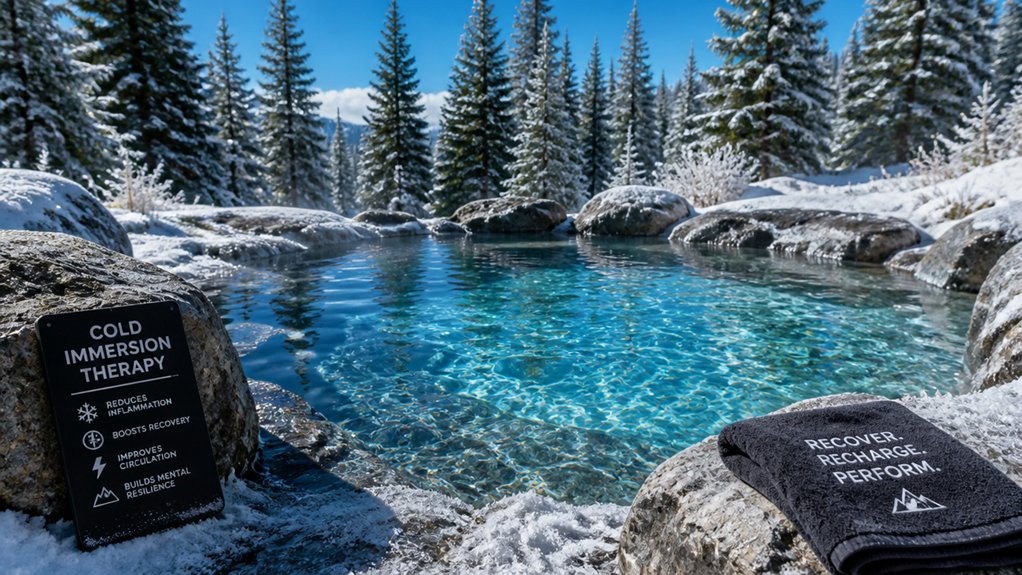
While cold water therapy offers many benefits for athletes, it’s essential to prioritize safety to prevent serious risks like frostbite and hypothermia. Exposure to ice or water below 50°F (10°C) increases frostbite risk, especially in snow-covered environments.
Prolonged immersion over 10-15 minutes can dangerously lower your body temperature, risking hypothermia. To avoid these dangers:
- Never immerse yourself alone, and keep warm clothing and towels nearby for rewarming.
- Limit sessions to recommended durations and monitor how you feel.
- Avoid extreme cold environments and guarantee your water temperature stays within safe ranges.
Additionally, using appropriate water treatment solutions can help maintain water quality and prevent skin irritations that could complicate safety.
Recognizing Signs of Distress
Recognizing the signs of distress during cold water therapy is essential to prevent serious health risks.
During cold water immersion, watch for signs of distress like dizziness, excessive shivering, numbness, confusion, and shortness of breath. These symptoms indicate your body may be overwhelmed or experiencing cardiovascular strain, which can lead to dangerous complications. If you notice any of these signs, immediately stop the immersion and warm up.
Dizziness and confusion can signal hypothermia or inadequate circulation, especially if exposure exceeds 10-15 minutes or water is below 40°F. Always listen to your body and monitor for discomfort, as ignoring these signs increases the risk of injury or more serious issues like hypothermia or cardiovascular events.
Proper awareness helps guarantee safe and effective cold water immersion sessions. Using accurate and reliable oxygen monitoring devices can help track physiological responses and ensure safe recovery.
Proper Safety Equipment Use
Using the right safety equipment is key to minimizing the risks associated with cold water therapy. Cold plunges can cause hypothermia, frostbite, or sudden cardiac stress if not properly managed. To stay safe, consider these essentials:
- Wear insulated gloves and footwear to protect your extremities from frostbite.
- Use a thermometer to monitor the water’s temperature, ensuring it stays at the right temperature for your safety.
- Always have warm towels or clothing nearby to quickly restore body temperature after immersion.
- Ensure the water is contained within proper covers, which help maintain consistent temperature and prevent debris or cold air exposure.
If you have blood vessel issues, high blood pressure, or other cardiovascular concerns, consult a sports medicine specialist before starting cold water therapy. Never cold plunge alone, particularly in natural water bodies with currents, to prevent accidents and cold shock.
Practical Tips for Safe and Effective Cold Plunge Sessions
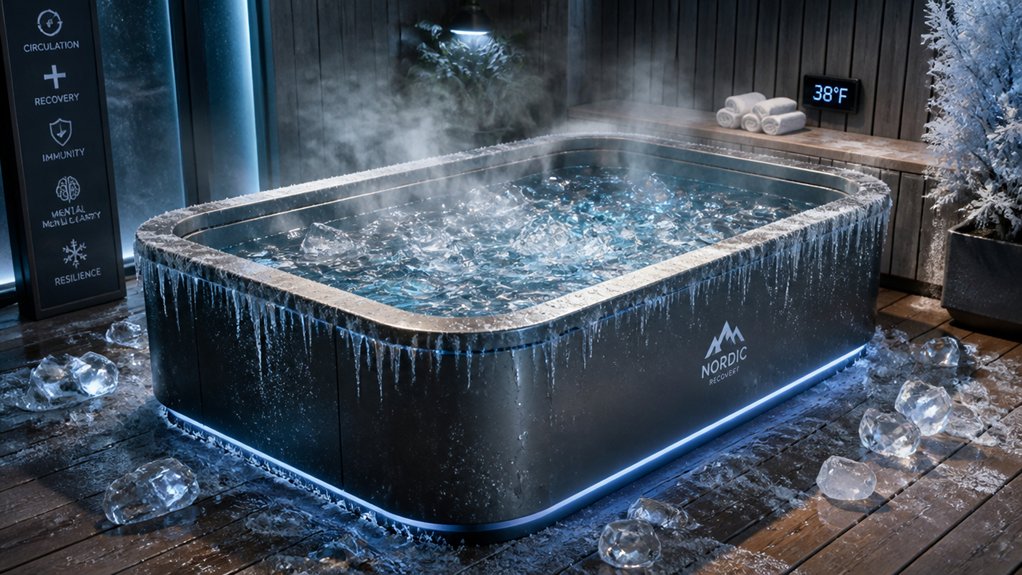
To maximize safety and benefits during cold plunge sessions, it’s essential to follow practical guidelines and listen to your body’s responses.
Prioritize safety and heed your body’s signals during cold plunges for optimal benefits and well-being.
For effective cold immersion (CWI), start with water around 50°F to 59°F (10°C to 15°C) and limit initial immersion to 30 seconds to 1 minute. Gradually extend your sessions to 3-5 minutes as your tolerance improves. Always guarantee your entire body is immersed up to the neck to maximize vasoconstriction and reduce inflammation in muscle fibers.
Perform cold exposure after intense exercise, keeping sessions between 5-10 minutes to prevent hypothermia. Use deep, controlled breathing to manage the cold shock response and stay calm.
Avoid solo plunges and risky environments, have warm clothing nearby, and consult healthcare professionals if needed.
Does Cold Water Immersion Fit Your Training Goals?
If rapid recovery is a priority in your training, cold water immersion (CWI) can be a valuable tool. It effectively reduces delayed-onset muscle soreness (DOMS) and perceived exertion, helping you bounce back faster from high-intensity or endurance workouts.
However, consider your goals:
- For quick recovery: CWI offers benefits by decreasing inflammation and muscle damage, ideal for athletes needing rapid turnaround between sessions.
- For strength gains: Frequent cold immersion after resistance training may blunt long-term muscle strength adaptations, so use it strategically.
- Training phase: If you’re focusing on endurance or high-intensity sports, CWI aligns well; but if you’re in a resistance-building phase, temper the frequency.
FAQs About Cold Water Recovery for Athletes
Are cold water recovery methods safe and effective for athletes? Cold water immersion (50°F to 59°F) promotes muscle recovery by reducing delayed-onset muscle soreness (DOMS) and perceived exertion immediately and up to 48 hours after exercise.
It works through vasoconstriction, which decreases inflammation and swelling, while post-immersion vasodilation improves circulation and nutrient delivery to speed up muscle repair. Studies show CWI lowers markers of muscle damage like creatine kinase and lactate at 24 hours, enhancing recovery.
However, it doesn’t markedly impact inflammatory markers such as CRP and IL-6. Regular cold plunges can reduce fatigue, but overuse may blunt long-term muscle gains. Beginners should start with short durations to build tolerance safely, especially if cardiovascular risks are involved.
Frequently Asked Questions
Can Cold Immersion Improve Mental Focus and Sleep Quality?
Cold immersion can enhance your mental focus and sleep quality by reducing stress hormones, soothing the nervous system, and regulating body temperature. This relaxation helps clear your mind and promotes restful sleep, improving overall mental and physical well-being.
How Long Should Each Cold Immersion Session Last for Optimal Benefits?
You should aim for cold immersion sessions lasting around 10 to 15 minutes for ideal benefits. Staying within this duration helps enhance recovery and mental clarity without risking hypothermia or discomfort, ensuring you’re effectively leveraging the technique.
Are There Specific Sports or Training Types That Benefit Most From Cold Therapy?
You’ll find cold therapy especially beneficial if you’re involved in endurance sports like marathon running or cycling, as it helps reduce soreness and inflammation. Sprinters and weightlifters also benefit by speeding up recovery post-intense training.
How Does Cold Immersion Compare to Alternative Recovery Methods Like Compression?
Cold immersion quickly reduces inflammation and soreness, whereas compression improves circulation and lymphatic drainage. You benefit more when combining both—cold therapy for immediate relief and compression for ongoing recovery—optimized based on your specific training needs.
Can Cold Water Immersion Help in Preventing Injury During Training?
Cold water immersion can help prevent injuries during training by reducing inflammation and muscle soreness, enhancing blood flow, and promoting faster recovery, all of which contribute to less strain on your muscles and joints during intense workouts.