
Start your cold immersion journey with short sessions of 30 seconds to 1 minute in water around 50-59°F, gradually lowering the temperature as you adapt. Focus on controlled nasal breathing, fully submerging ears and neck, and staying relaxed. Use gentle techniques like humming to ease discomfort. Track your responses and extend your time slowly, aiming for 3-5 minutes over time. If you stick with it, you’ll discover effective strategies to make cold water exposure safer and more enjoyable.
Why Cold Immersion Is Good for You

Have you wondered why cold immersion is gaining popularity among wellness enthusiasts? When you submerge yourself in cold water below 60°F (15°C), your body reacts with specific physiological responses that benefit your health. Cold water triggers your nervous system, activating survival mechanisms that promote fat loss and hormone production, supporting better fertility. It also reduces inflammation and muscle soreness, speeding up recovery through vasoconstriction and improved circulation during rewarming. Utilizing energy-efficient water chillers ensures that your cold plunges are consistent and sustainable, making regular cold immersion more practical and cost-effective. Additionally, cold immersion enhances mental resilience, mood, and pain tolerance by activating your parasympathetic nervous system, especially when combined with controlled breathing and relaxation techniques.
How to Find Your Ideal Cold Water Duration
To find your ideal cold water duration, start by paying close attention to how your body responds during each session. Increase your immersion time gradually, stopping if you feel discomfort or numbness. Monitoring your comfort levels guarantees you extend your practice safely and effectively over time. Paying attention to water temperature and how it affects your body can also help optimize your experience.
Assess Your Body Response
Finding your ideal cold water duration requires paying close attention to how your body responds during each session. As part of a beginner’s guide, it’s important to monitor your reactions closely, especially since water temperature can vary and affect your comfort.
When people begin cold immersion, start with short durations of about 30 seconds to 1 minute and gradually increase time, observing your physical and mental signals. Pay attention to nervous system signs like dizziness, excessive shivering, or numbness, and stop immediately if these occur. Incorporating insulated covers can help maintain consistent water temperature, making it easier to identify your optimal immersion time.
Use nose breathing and humming to stay calm and extend your tolerance comfortably. Record your experiences daily, noting how you feel and any tolerance changes, to find a duration that’s safe and effective without risking discomfort or adverse reactions.
Gradually Increase Durations
Once you’ve monitored your body’s response during initial cold water sessions, gradually increasing the duration helps build tolerance safely. Start by extending your immersion little by little, typically moving from 60 seconds to around 2.5-3 minutes after the first 10 days.
During days 11 to 20, aim to gradually increase your time, always listening to your body, and incorporate rest days on days 14 and 18 to promote recovery. Utilizing a temperature control device can assist in maintaining consistent water temperature, ensuring a safer and more effective experience.
As your acclimation improves, you can target a 5-minute daily immersion between days 21 and 30, while maintaining rest days to avoid overexposure.
Monitor Comfort Levels
Understanding your comfort levels is essential for safe and effective cold water immersion. You should monitor comfort levels closely and make sure you’re not pushing beyond your limits.
Let’s dive gradually into longer durations — start with 60 seconds in your first 10 days. Pay attention to how your body responds and note any discomfort or pain.
During days 11-20, slowly increase immersion time to 2.5 or 3 minutes, but always rest if you feel dizziness, numbness, or excessive pain.
Use controlled nasal breathing and humming to stay calm, which helps relax your nervous system and can extend your comfort zone. Incorporating adaptogens may also support stress resilience and improve your overall response to cold exposure.
How to Start Small and Build Up Your Cold Exposure
Start by taking short cold showers, beginning with just 60 seconds, and gradually increase your time as your body adjusts. Focus on lowering the water temperature gradually to make the process more comfortable. Incorporate gentle, fragrance-free body washes to help soothe and protect sensitive skin during and after cold exposure skin barrier recovery.
Gradual Temperature Reduction
Gradual temperature reduction allows your body to adapt safely and effectively to cold exposure without overwhelming it. Starting with short cold showers of about 60 seconds daily, use either continuous cold water or intervals of 20/10 seconds to promote gradual adaptation.
As your comfort increases, extend your cold plunge to 2.5 or 3 minutes during days 11-20, including rest days on days 14 and 18, and optional 30/30-second intervals.
When you’re ready, increase exposure to 5 minutes in days 21-30, with scheduled rest days to prevent overstress. Focus on maintaining calm nasal breathing and humming to activate your parasympathetic nervous system.
Remember, gradually reducing water temperature and time helps your body adapt steadily and minimizes cold shock. Timer accuracy in extreme cold temperatures is crucial to ensure your device functions correctly and safely throughout your sessions.
Short Initial Durations
Beginning with short cold exposure sessions allows your body to adapt safely and comfortably. Starting with just 60 seconds of an ice bath or cold shower each day during the first 10 days works best, helping you gradually build tolerance without overwhelming your nervous system.
You can also try Tabata-style intervals—20 seconds of cold followed by 10 seconds warm—to ease into the experience. Aim to increase your immersion time to 2.5-3 minutes between days 11 and 20, incorporating rest days to prevent overstress.
During each session, use calm nose breathing and humming to activate your parasympathetic nervous system and reduce discomfort. Keeping initial durations under 5 minutes minimizes cold shock risks and supports consistent practice and long-term benefits.
Utilizing reliable recovery tracking apps can help monitor your session durations, water temperatures, and physiological responses to optimize your cold exposure routine.
What Factors Affect How Long You Can Stay in Cold Water
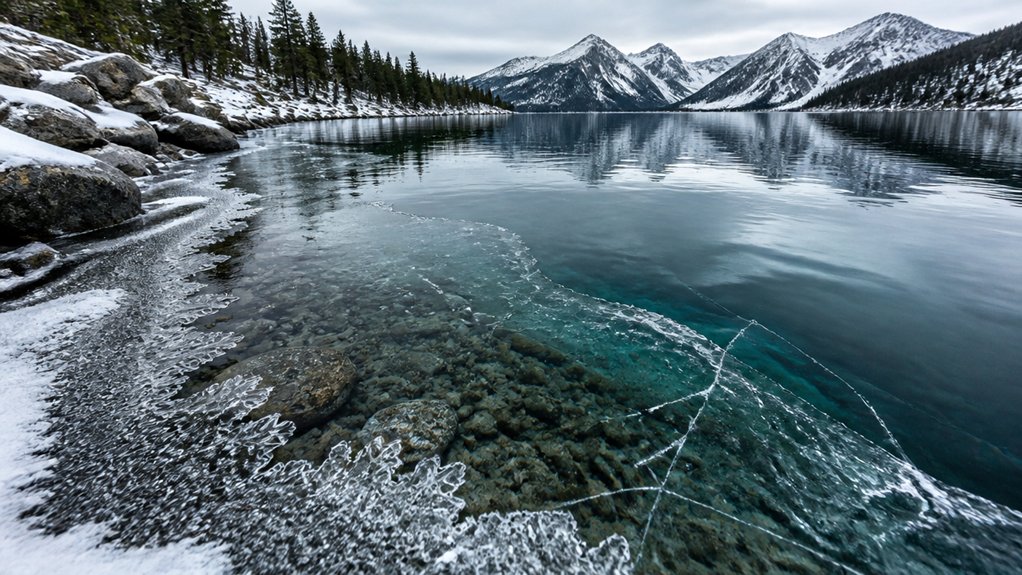
Several factors influence how long you can safely stay in cold water, with temperature playing a key role. If you’re a first-timer, staying in water around 50-59°F (10-15°C) for 1-2 minutes helps you acclimate safely, even though extreme cold can shorten your tolerance.
Physiological traits like body fat, thyroid activation (especially if you immerse your neck), and prior acclimation improve your cold tolerance, allowing longer stays—sometimes over 5 minutes at 45-50°F.
Proper breathing techniques, such as calm nasal inhales, extended exhales, and breath-holding at entry, help control shock. Mental preparedness and relaxation also play vital roles by reducing tension and pain perception, which extends immersion time without risking hypothermia.
Always monitor symptoms and avoid exceeding safe limits.
How Do You Know When You’re Ready for Longer Cold Plunges?
How do you know when your body is ready for longer cold plunges? If you can maintain controlled nasal breathing and hum during immersion without panicking or shivering excessively, that’s a good sign. Achieving full-body submersion, including your neck and ears, without discomfort suggests you’re prepared for extended durations at 45-50°F. Also, notice if the initial pain and anxiety decrease around 3 minutes, and you feel relaxed in a parasympathetic state—that indicates acclimation. If your nervous system handles incremental increases well, you’re ready. Remember, I’m going, great option, and that’s my advice—progress gradually and listen to your body.
| Sign | Indicator | Next Step |
|---|---|---|
| Breathing | Calm, nasal breathing | Try longer sessions |
| Discomfort | No cold shock symptoms | Increase duration |
| Mental state | Relaxed, not panicked | Extend Cold Plunges |
Tips to Make Cold Water Sessions More Comfortable and Sustainable
Once you’ve determined you’re ready to extend your cold plunges, making the experience more comfortable and sustainable hinges on refining your approach. If you never learned proper techniques, don’t worry; I’ve gone through this myself, and adjusting gradually is key.
Start with just 30 seconds to 1 minute, then slowly increase to at least 3 minutes as your body adapts. Incorporate slow, deep nose breathing and humming to activate your parasympathetic nervous system, reducing shock and promoting relaxation.
Enter the water smoothly on a controlled exhale, fully submerging ears and neck to speed temperature regulation. To make sessions more sustainable, include rest days and practice calming breathing exercises beforehand.
These steps help turn cold immersion into a manageable, even enjoyable, habit.
Frequently Asked Questions
How Does Immersion Time Affect Recovery and Muscle Soreness?
Longer immersion times can increase recovery benefits and reduce muscle soreness by promoting circulation and reducing inflammation. However, staying immersed too long may cause skin irritation or discomfort, so balance duration for ideal recovery and comfort.
Are There Health Risks Associated With Exceeding Recommended Immersion Durations?
Exceeding recommended immersion times can cause skin irritation, dehydration, and even thermal burns. You might also experience nausea or faintness from prolonged heat exposure. Always heed your body’s signals to prevent health risks and adverse effects.
Should Beginners Always Follow Standard Immersion Times or Personalize Them?
You should tailor immersion times to your comfort and progress, rather than strictly follow standard durations. Personalizing immersion helps you avoid discomfort or risks while gradually building your skills and confidence in the process.
How Do Ambient Temperature and Water Temperature Influence Optimal Immersion Times?
Ambient and water temperatures considerably impact immersion times; warmer water usually shortens your immersion period because it increases absorption, while colder water extends it, as lower temperatures slow down the process. Adjust your timing accordingly for safety and effectiveness.
Can Changing Immersion Duration Improve Mental Resilience and Stress Adaptation?
Changing your immersion duration can help improve mental resilience and stress adaptation by challenging your body gradually, building tolerance, and promoting mental toughness. Consistently adjusting your exposure fosters stronger stress response management and emotional stability over time.