For daily recovery, aim for cold water immersions lasting 2–5 minutes at 10–15°C, which effectively reduce soreness and inflammation. Beginners should start with 30–60 seconds and gradually increase time as tolerance builds. Longer sessions of 10–15 minutes can offer enhanced benefits but come with safety risks and are best for experienced users. Monitoring your body signals guarantees safety, and maintaining routine helps optimize results—keep going to discover more tips.
What Are the Main Benefits of Cold Water Immersion for Recovery?
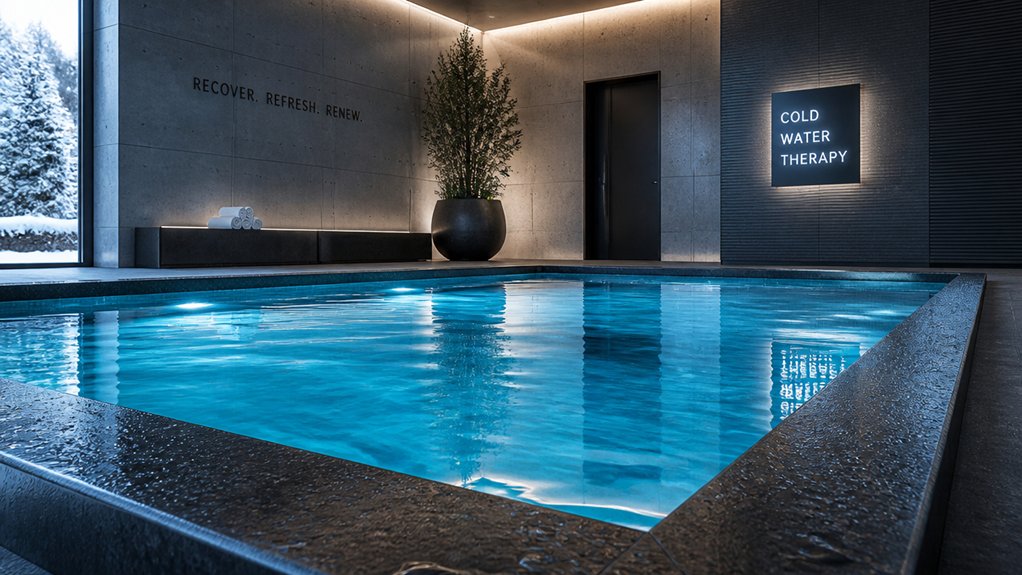
Ever wondered why cold water immersion (CWI) is popular among athletes for recovery? The main benefits include reducing muscle soreness and perceived exertion for days after exercise.
During post-exercise CWI, vasoconstriction caused by cold water decreases local inflammation, edema, and pain by limiting blood flow and slowing nerve signals. The hydrostatic effects of water—pressure and buoyancy—reduce gravitational strain and promote venous return, improving circulation.
Cold water causes vasoconstriction, reducing inflammation and pain while hydrostatic pressure improves circulation and promotes recovery.
Once you exit the water, vasodilation enhances oxygen delivery and clears metabolic waste, speeding muscle repair and lowering fatigue. Additionally, cold shock responses release norepinephrine, boosting mental clarity, alertness, and resilience.
These combined effects make cold water immersion a powerful tool to support effective recovery and prepare your body for future activity. Regular use can also help maintain water hygiene by preventing bacterial growth and odors, ensuring safe and effective therapy sessions.
How Do You Find the Right Cold Plunge Duration for You?
Finding the right cold plunge duration for your recovery routine involves listening to your body and starting with shorter sessions. Begin with 30-60 seconds of cold immersion at water temperatures around 10-15 °C (50-59 °F), which is ideal for therapeutic effects. Pay attention to signals like uncontrollable shivering, dizziness, or numbness—if these occur, end your session immediately to avoid harm. Gradually increase your immersion time to 2-5 minutes as your tolerance builds, and stick to 2-3 sessions per week. Incorporate appropriate water treatment solutions to maintain water quality and ensure a safe, skin-friendly experience. Adjust the duration and frequency based on how your body responds and your workout recovery needs. Longer sessions beyond 10-15 minutes aren’t recommended because they can deplete your energy and negatively affect muscle adaptation and recovery.
What Is the Ideal Duration for Beginners?
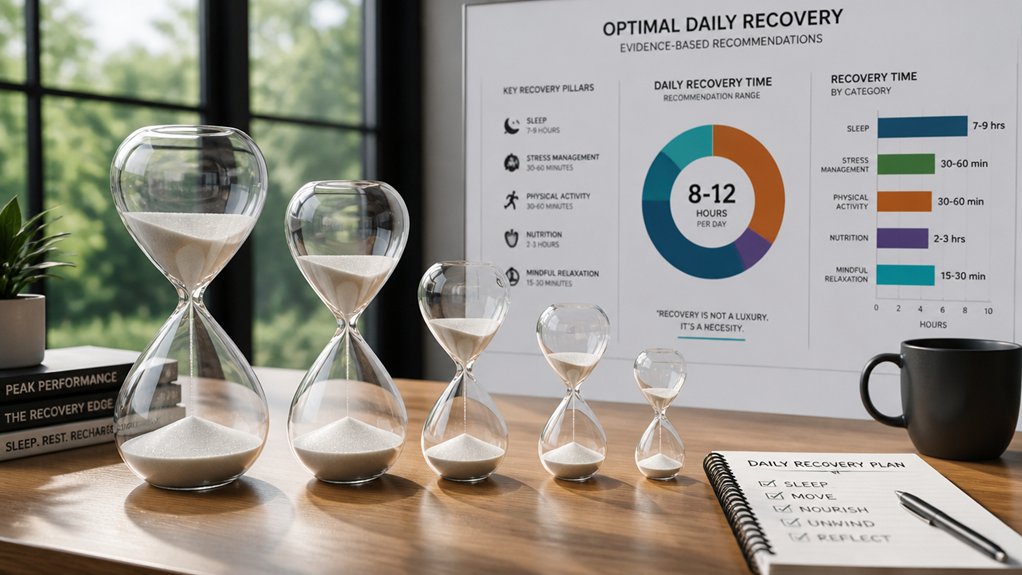
As a beginner, starting with cold water immersions of 30 to 60 seconds helps you adjust safely without overwhelming your body. Gradually increasing your time to 2 to 5 minutes, based on your comfort, is key to maximizing benefits without risking discomfort. Incorporating proper insulation features into your setup can help maintain consistent temperatures for a more effective recovery experience.
Safe Time Limits
For beginners, establishing safe and effective cold water immersion sessions involves starting with short durations to allow your body to gradually adapt. Typically, safe immersion times range from 2 to 5 minutes at temperatures between 10°C and 15°C. Going beyond 15 minutes isn’t recommended, as benefits plateau and hypothermia risks increase. To illustrate, consider the following:
| Immersion Duration | Purpose | Risks |
|---|---|---|
| 30-60 seconds | Initial acclimation | Shock, discomfort |
| 2-5 minutes | Effective recovery | Hypothermia if prolonged |
| 10-15 minutes | Tolerance building | Increased safety risk |
| Over 15 minutes | Not advised | High hypothermia risk |
| Exit cues | When discomfort occurs | Shivering, numbness |
Stick to safe immersion times and listen to your body during the recovery process. Additionally, understanding the importance of cold retention duration can enhance the effectiveness of your therapy sessions.
Personal Tolerance Levels
When starting cold immersion, your body’s tolerance level varies from person to person, but generally, beginners should aim for short sessions of 30 to 60 seconds. This helps you gradually build your personal tolerance and prevent shock. A gradual acclimation is recommended, especially when using therapeutic water temperatures, to ensure safe adaptation. As you become more comfortable, you can increase immersion durations up to 2 to 5 minutes at 10-15°C (50-59°F), providing peak physiological benefits without excessive discomfort. Monitoring your response is crucial—if symptoms like uncontrollable shivering, dizziness, or numbness occur, immediately stop to respect your personal tolerance limits. Consistency in duration and frequency (2-3 times weekly) is more effective for recovery techniques than prolonged single sessions. Understanding your body’s signals guarantees safe, effective cold immersion tailored to your unique needs.
How Longer Cold Water Immersions Affect Muscle Recovery and Fatigue
Longer cold water immersions, typically over 10 minutes, deepen vasoconstriction, which helps reduce inflammation and muscle soreness more effectively. This extended duration also prolongs fatigue relief, making it beneficial during intense training phases. However, it’s important to watch out for overcooling, which can impede muscle recovery and cause discomfort. Incorporating magnesium-based recovery creams after cold plunges can further support muscle relaxation and rehydration.
Enhanced Muscle Vasoconstriction Effects
Extended cold water immersion, typically lasting between 11 and 15 minutes at 8-15 °C, greatly enhances vasoconstriction, which plays an essential role in muscle recovery. This increased vasoconstriction reduces blood flow to muscles, limiting inflammation and swelling, and promoting fluid displacement to aid recovery.
Longer immersion duration beyond 15 minutes doesn’t provide extra vasoconstriction benefits and may raise metabolic waste, potentially hindering recovery. The hydrostatic pressure during extended immersion boosts venous return and cardiac output, facilitating the removal of metabolic by-products and lessening muscle fatigue.
Be mindful that immersion durations shorter than 10 minutes offer less vasoconstriction and reduced recovery benefits.
- Optimizes fluid movement and reduces edema
- Limits white blood cell infiltration and muscle damage
- Enhances venous return through hydrostatic pressure
- Maintains effective vasoconstriction without overextension
Increased Fatigue Relief Duration
Research indicates that cold water immersion lasting between 11 and 15 minutes at temperatures of 8-15 °C maximizes fatigue relief by promoting significant vasoconstriction and fluid shifts. A supportive insulation system helps maintain consistent temperatures during these durations, enhancing recovery effects.
Longer immersion durations enhance these effects, leading to better inflammation reduction and muscle recovery. By staying within this ideal window, you boost fatigue relief more effectively, helping your muscles recover faster and feel less sore.
Shorter sessions under 10 minutes may not activate enough anti-inflammatory pathways or fluid redistribution to produce noticeable benefits. However, immersing much beyond 15 minutes risks increasing metabolic demand and energy depletion, which can hinder recovery.
Maintaining immersion durations around 10-15 minutes strikes the right balance, maximizing recovery benefits while minimizing overcooling risks for sustained daily use.
Potential For Overcooling Risks
Although cold water immersion can aid recovery, immersing for more than 15 minutes at temperatures of 8-15 °C risks overcooling the muscles. Overcooling depletes metabolic resources, impairing muscle recovery by limiting energy replenishment.
Longer cooling durations can excessively reduce muscle temperature, blunting inflammatory responses essential for repair and adaptation, which may decrease strength gains. Overcooling also causes peripheral vasoconstriction, restricting blood flow and oxygen delivery necessary for healing, leading to increased fatigue and delayed recovery.
Additionally, extended cold immersion heightens discomfort, shivering, and the risk of hypothermia or nerve damage. To avoid these risks, keep cold immersion within recommended durations: 5 to 15 minutes, depending on temperature, to balance benefits and prevent overcooling.
- Excessive cooling impairs inflammatory responses
- Overcooling restricts blood flow and oxygen delivery
- Longer durations increase discomfort and hypothermia risk
- Proper cooling duration balances recovery and safety
- Using efficient water chillers can help maintain optimal temperatures and prevent overcooling.
What Are the Risks of Staying in Cold Water Too Long?
Have you ever wondered what risks you face if you stay in cold water for too long? Cold water causes your core temperature to drop rapidly, increasing the risk of hypothermia—a dangerous condition with dangerously low body temperature.
Staying beyond the recommended 15 minutes at 15°C, or longer in colder water, can lead to nerve damage and impaired muscle function due to excessive cooling. When your core temperature drops, blood flow to essential organs slows, affecting your nervous system and potentially causing dizziness, numbness, and loss of motor control.
Prolonged immersion also raises the chance of uncontrollable shivering, dizziness, and even unconsciousness, elevating your risk of accidents or drowning. Overexposure can also weaken your immune system and disturb cardiovascular stability.
When and How Should You Gradually Extend Your Cold Plunge Time?
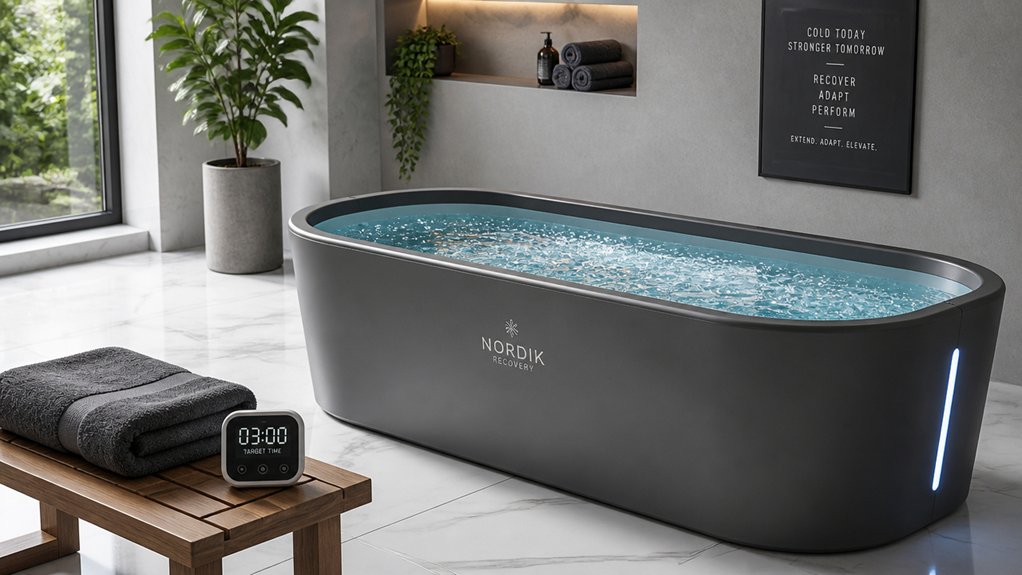
Knowing when and how to safely lengthen your cold plunge sessions is key to building resilience without risking discomfort or harm. Start with 30-60 seconds and gradually increase duration as your tolerance improves, aiming for 2-5 minutes in cold temperatures of 10°C to 15°C.
Extend your cold plunge over multiple times weekly, ideally 2-5 sessions, to allow your body to adapt gradually. Use controlled breathing techniques like box breathing to help manage discomfort during longer immersions.
Pay close attention to your body’s signals—if you experience uncontrollable shivering, numbness, or dizziness, stop increasing your time. This cautious approach guarantees you build resilience safely while reaping the physiological benefits of cold plunges.
What Factors Influence Your Personal Cold Water Duration?
Several factors directly influence how long you can safely stay in cold water, with water temperature playing a key role.
Cold temperature determines safe water immersion durations—around 5 minutes at 5°C, 10 minutes at 10°C, and 15 minutes at 15°C—so adjusting your time based on temperature is essential.
Your individual training, body composition, and tolerance also matter: more experienced individuals or those with higher tolerance can handle longer sessions.
The purpose of your immersion, whether for quick recovery or chronic adaptation, influences duration as well.
Beginners should start with brief immersions, gradually increasing as comfort and tolerance improve.
Monitoring your response—watching for numbness, dizziness, or shivering—ensures safety and helps you find the ideal personal cold water duration.
Short vs. Extended Cold Water Sessions: Which Is Better?
Choosing the ideal cold water immersion duration depends on your recovery goals and tolerance. Short sessions of 1-5 minutes can help reduce muscle soreness and provide quick analgesic effects, but may not deliver the full recovery benefits.
Extended immersion times between 11-15 minutes at 8-15°C are more effective for promoting fluid movement and all-encompassing recovery. However, durations longer than 15 minutes increase risks like hypothermia and diminishing returns, making them less advisable.
Consistent, moderate-length immersion sessions enhance post-workout recovery more than sporadic, overly long practices. Gradually increasing immersion time during preseason helps build tolerance and recovery capacity.
- Short, acute sessions for soreness relief
- Longer sessions for full recovery benefits
- Risks of extended immersion beyond 15 minutes
- Consistency over sporadic long or short sessions
How to Monitor Your Body’s Response to Cold Plunges
To monitor your body’s response to cold plunges, pay attention to changes in your body temperature and how your heart rate varies during and after immersion.
Keep track of how hard you’re perceiving the effort, and notice any shifts in your mental alertness or physical comfort.
Using these cues helps you adjust session duration safely and effectively for recovery.
Body Temperature Changes
Monitoring your body’s response during cold plunges is essential to guarantee safe and effective recovery. During water immersion at 10-15°C for 10-15 minutes, your body core temperature typically drops by 3–5°F (1.5–2.8°C), showing effective thermal regulation.
To avoid overcooling, keep an eye on skin temperature and subjective sensations like shivering, numbness, or discomfort. Use wearable monitors to track heart rate and blood pressure, as vasoconstriction occurs during cold water immersion.
Shorter durations, such as 1-5 minutes, cause milder temperature drops, ideal for beginners. Remember, recovering body temperature should be quick and comfortable, using warming methods or natural thermogenesis to prevent prolonged low body temperature and adverse effects.
- Body core temperature decreases with duration
- Skin sensations indicate overcooling
- Wearable monitors track cardiovascular responses
- Shorter immersion minimizes hypothermia risk
Heart Rate Variability
Understanding how your body responds to cold plunges can be effectively gauged by tracking heart rate variability (HRV). During water immersion, especially cold water immersion (CWI), HRV provides insight into your autonomic nervous system’s response and recovery status.
After cold water immersion, you might see an immediate drop in HRV, indicating increased sympathetic activation. However, with consistent cooling sessions—10–15°C for 2–5 minutes—you’ll likely notice baseline HRV improving over time, signaling better recovery.
Monitoring HRV trends before and after cold plunges helps personalize your immersion duration and frequency, ensuring you avoid over-stimulation or excessive stress. Athletes often measure HRV daily with wearable devices, comparing resting and post-immersion values to optimize recovery and cold water immersion protocols effectively.
Perceived Exertion Levels
Perceived exertion offers a practical way to assess how your body responds during cold plunges. By monitoring sensations like discomfort, numbness, or shivering, you can gauge your safe immersion durations.
For most, starting with 30-60 seconds and gradually increasing to 2-5 minutes helps avoid overexposure. Using a perceived exertion scale, aim for manageable cold stress, not extreme shock. Be alert for signs like uncontrollable shivering, dizziness, or numbness, which indicate you should end the water immersion immediately.
Incorporating breath control and gradual acclimation can lower perceived exertion and improve tolerance. Regular self-assessment post-immersion provides insight to personalize your cold plunge duration and frequency, optimizing recovery while minimizing risks.
- Monitor sensations like shivering or numbness during water immersion
- Maintain moderate perceived exertion to prevent adverse reactions
- Watch for signs indicating you should end the plunge immediately
- Use self-assessment to refine safe immersion durations
Create a Consistent Cold Water Routine for Better Recovery
Creating a consistent cold water routine is essential for maximizing recovery benefits and building tolerance over time. Regular cold water immersion helps reduce muscle soreness, supports muscle repair, and boosts mental clarity. To avoid discomfort or risk, start with shorter immersion durations of 30 to 60 seconds, especially if you’re a beginner, and gradually increase over sessions. Staying consistent with 3 to 5 sessions per week guarantees peak results while maintaining safety. Pay attention to your body signals—if you experience shivering or numbness, adjust immersion times accordingly. The table below highlights important factors to create an effective routine:
| Immersion Duration | Frequency | Key Benefits |
|---|---|---|
| 2-5 minutes | 3-5 times weekly | Muscle soreness reduction, recovery |
| 30-60 seconds | Initial sessions | Build tolerance safely |
| 10-15 minutes | Advanced practice | Enhanced muscle repair |
| Consistent routine | Ongoing commitment | Long-term recovery gains |
Frequently Asked Questions
How Long Is It Recommended to Stay in Water Immersion for Recovery?
You should aim for about 2 to 5 minutes of water immersion at 10-15 °C several times per week for best recovery. Adjust your duration based on your tolerance, ensuring that the immersion feels safe and effective for your body.
Does Cold Water Immersion Really Help Recovery?
Cold water immersion helps recovery by reducing soreness and perceived exertion, especially within 24 to 96 hours post-exercise. It offers subjective relief, though its effects on objective markers are less consistent, so personalized use is key.
How Long Should You Stay in Cold Water for Recovery?
You should stay in cold water for 2-5 minutes for effective recovery. Start with shorter durations if you’re a beginner, gradually increasing as tolerated. Keep sessions consistent, ideally 2-5 times weekly, for best results.
Is 24 Hours Enough for Muscle Recovery?
Yes, 24 hours can be enough for subjective recovery, like soreness and fatigue, especially with effective strategies like cold water immersion. However, full muscle adaptation and strength recovery often take longer, so plan for ongoing recovery sessions.