Cold therapy helps reduce inflammation in athletes by causing blood vessels to constrict, limiting swelling and inflammatory cell buildup. When applied, it creates a rhythmic cycle of constriction and dilation, which flushes out waste products and metabolic byproducts. It also activates natural pain relief and minimizes tissue damage. To get the most benefits safely, it’s important to follow proper techniques and timing. Keep going to discover more effective cold therapy strategies.
How Cold Therapy Helps Reduce Inflammation in Athletes
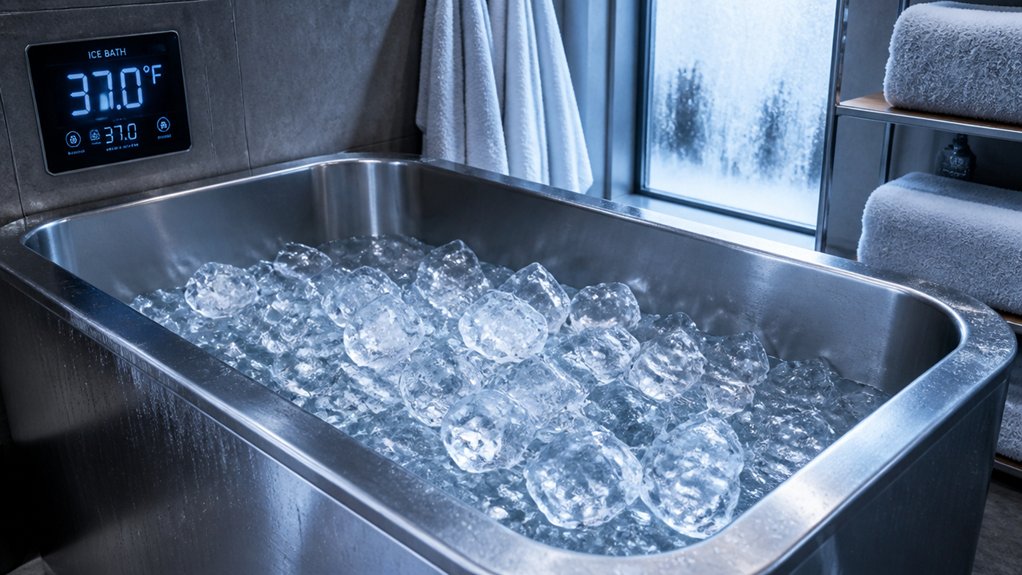
Cold therapy helps reduce inflammation in athletes by causing vasoconstriction, which limits blood flow and swelling in injured or overused tissues. This process decreases the delivery of inflammatory cells to the area, effectively reducing inflammation. Using topical creams with cooling agents like menthol can enhance this effect by providing additional cooling sensations, promoting comfort and further reducing swelling. When you apply cold therapy, it also lowers inflammatory markers, helping to decrease nerve irritation and muscle soreness after exercise. Cold-compression therapy enhances this effect by combining cooling with compression, speeding up recovery. Ice or cold water immersion not only constricts blood vessels but also triggers an immune response, promoting the flushing out of metabolic waste.
Applying cold therapy immediately after training suppresses the body’s inflammatory response, reducing swelling and pain. This targeted approach supports quicker healing and a faster return to peak performance.
What Happens to Your Blood Vessels During Cold Exposure
When your body experiences exposure to cold, your blood vessels respond by constricting, a process known as vasoconstriction. This narrowing of the blood vessels reduces blood flow to the affected area, limiting swelling and inflammation. The decreased blood flow also lowers nerve irritation, helping to decrease pain perception. After initial vasoconstriction, blood vessels may rapidly dilate, or vasodilate, once warming begins, improving circulation and flushing out metabolic waste. This rhythm of constriction and dilation creates a pumping action that promotes healing and reduces muscle soreness. Utilizing sustainability practices in sourcing fish oil supplements can support environmental responsibility during recovery.
How Cold Water Immersion Lowers Inflammatory Markers
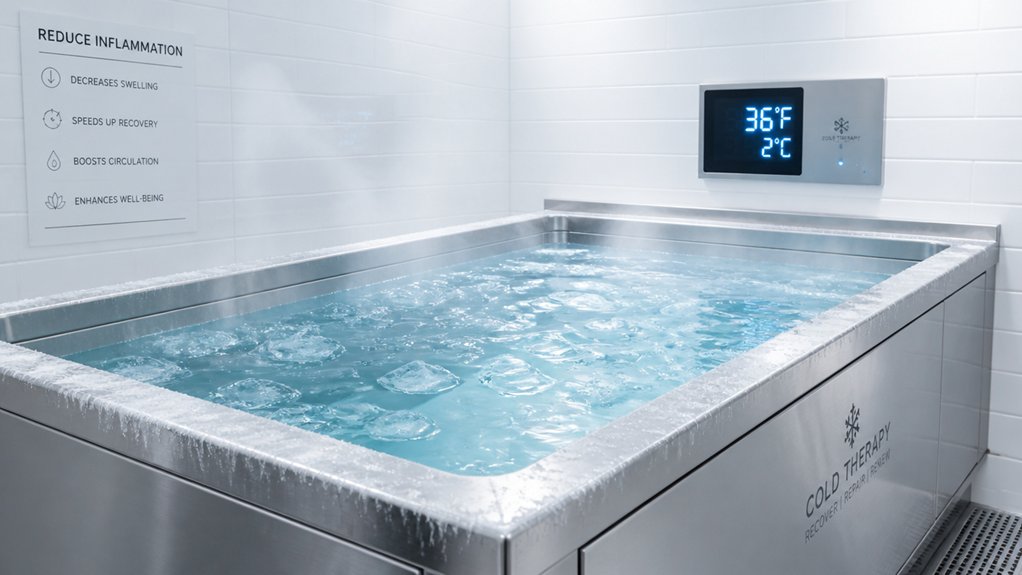
The process of vasoconstriction during cold water immersion directly impacts the presence of inflammatory markers in your tissues. By narrowing your blood vessels, cold water reduces blood flow to inflamed areas, limiting the delivery of inflammatory markers. This decrease in circulation helps lower inflammation and swelling, preventing excess accumulation of inflammatory cells in your muscles after exercise. Incorporating adaptogens into your recovery routine may further enhance your body’s ability to manage inflammation and stress. Cold water also triggers your body’s natural pain relief mechanisms, reducing nerve irritation caused by inflammation. Additionally, the rhythmic constriction and dilation of blood vessels during immersion promote the flushing out of metabolic waste and inflammatory byproducts. This process accelerates recovery and diminishes muscle soreness, making cold water immersion an effective method for reducing inflammatory markers and supporting faster healing in athletes.
How Blood Flow Pulses Help Flush Out Waste After Cold Therapy
When cold therapy causes your blood vessels to first constrict and then rapidly expand, it creates a pumping action that boosts blood flow pulses. These pulses help flush out metabolic waste and inflammatory by-products from your muscles. A natural recovery process is enhanced when incorporating aromatic relaxation oils, which can support circulation and reduce muscle tension. As a result, this process clears toxins, reduces swelling, and speeds up recovery.
Blood Vessel Dilation Trigger
After cold therapy causes blood vessels to constrict, they rapidly dilate once warming begins, creating a pulsating effect that enhances blood flow. This blood vessel dilation trigger stimulates a cycle of constriction and dilation, acting like a pump that helps flush out waste and inflammatory byproducts. This pulsatile blood flow guarantees oxygen and nutrients reach tissues faster, supporting repair and recovery. As blood flow increases, immune cells are mobilized more effectively, aiding in inflammation resolution. The amplitude of 10–12 mm in percussion massagers facilitates deep tissue stimulation, optimizing this healing process. The table below highlights the key steps of this process:
| Step | Event | Result |
|---|---|---|
| 1 | Cold exposure | Vasoconstriction |
| 2 | Warming starts | Rapid vasodilation (blood vessel dilation trigger) |
| 3 | Pulsating blood flow | Flushes out waste and toxins |
| 4 | Enhanced circulation | Delivers oxygen and nutrients |
| 5 | Inflammation reduction | Accelerates healing |
Pumping Action Begins
Once blood vessels begin to rapidly dilate following cold therapy, they create a pulsating flow that acts like a natural pump, boosting circulation. This pumping action increases blood flow to the affected area, helping to flush out metabolic waste products from muscles and tissues. A multi-chamber design ensures comprehensive coverage, enhancing the effectiveness of this process. As circulation improves, it aids in reducing inflammation by clearing inflammatory markers and excess fluids. The pulsatile blood flow stimulates the lymphatic system, further promoting waste removal and preventing swelling.
This process not only alleviates muscle soreness but also accelerates recovery after exercise. The pumping action, driven by the vascular response, plays a key role in decreasing inflammation and supporting healing. By enhancing circulation, cold therapy helps your body efficiently clear out waste and speed up the recovery process.
Waste Removal Process
The pulsating blood flow generated by cold therapy actively helps your body clear out waste products from muscles and tissues. When you use ice or cold therapy, blood vessels constrict then rapidly expand, creating a pumping action. This cycle improves circulation after cold exposure, effectively flushing out metabolic waste and inflammatory byproducts. The contraction and expansion of blood vessels accelerate the removal of toxins and cellular debris from muscle tissues. Resistance Bands can be a useful addition to your recovery routine, enhancing circulation and supporting muscle flexibility. As blood flow increases, it supports faster recovery by reducing swelling and inflammation. This flushing mechanism, triggered by cold-induced blood vessel dynamics, helps restore tissue balance and alleviate muscle soreness. Fundamentally, cold therapy’s pulsating blood flow acts as a natural cleansing process, minimizing waste buildup and aiding your muscles for quicker recovery.
Why Cold Therapy Reduces Muscle Soreness and Damage
Ever wonder why cold therapy effectively reduces muscle soreness and damage? It’s because cooling causes vasoconstriction, which limits blood flow to your muscles. This reduces swelling and inflammatory responses that can lead to soreness and tissue harm. When you apply cold, it also lowers inflammatory markers that irritate nerves, easing pain. Cold water immersion causes blood vessels to constrict and then quickly dilate, helping flush out metabolic waste products from exertion. Cold therapy combines these effects with pain relief mechanisms triggered by cold exposure, diminishing the sensation of soreness. Additionally, the timing and duration of cold exposure are crucial to maximizing recovery benefits. Here’s a visual to help you picture it:
| Cold Therapy Effect | What It Does |
|---|---|
| Reduce swelling | Limits blood flow, decreasing inflammation and soreness |
| Minimize tissue damage | Slows inflammatory response, protecting muscle tissue |
| Flush out waste | Dilation helps remove metabolic byproducts |
| Pain perception | Activates relief mechanisms, easing soreness signals |
Cold Therapy vs. Anti-Inflammatory Medications: Which Works Better?
Cold therapy quickly reduces local inflammation by constricting blood vessels, while NSAIDs provide a more gradual, systemic reduction.
Depending on your injury, one may work faster than the other, but cold therapy targets the problem area directly. Considering their different effects, it’s important to weigh immediate relief against overall healing.
Speed of Inflammation Reduction
When managing acute inflammation in athletes, cold therapy often provides a faster reduction of localized swelling and pain than anti-inflammatory medications. Cold causes local vasoconstriction, which reduces blood flow to the injured area, limiting the movement of inflammatory markers and controlling inflammation quickly. This targeted effect leads to immediate pain relief and reduces swelling efficiently.
In contrast, NSAIDs work systemically, inhibiting inflammation throughout the body but taking longer to manifest results. While cold therapy directly impacts blood flow and inflammation at the injury site, NSAIDs require absorption time and act more broadly.
Systemic vs. Local Effects
While cold therapy provides rapid, localized relief by constricting blood vessels and reducing inflammation directly at the injury site, anti-inflammatory medications like NSAIDs work differently by affecting the entire body.
Cold therapy minimizes the inflammatory response specifically in the affected area, limiting swelling and pain without impacting the body’s overall healing process. Conversely, NSAIDs suppress the inflammatory response systemically, which can inhibit natural tissue repair if overused.
Cold therapy’s effects are concentrated, making it ideal for managing acute swelling and pain without the side effects linked to widespread medication use. While both methods blunt inflammation, cold therapy offers targeted relief, reducing the risk of impairing long-term tissue healing associated with systemic anti-inflammatory medications.
Can Cold Water Treatments Help With Chronic Inflammation and Autoimmune Conditions?
Can cold water treatments be an effective way to manage chronic inflammation and autoimmune conditions? Yes, they can help by reducing inflammation through blood vessel constriction and rapid dilation, which flushes out inflammatory markers and metabolic waste. Regular cold exposure may also enhance your immune response, potentially benefiting autoimmune conditions by modulating inflammation. Many report that cold immersion lowers muscle tension and soreness, supporting recovery. Additionally, controlled cold water therapy triggers neurochemical releases that boost mental resilience and might improve inflammatory regulation. To get started safely, begin with brief sessions and gradually increase duration. Here’s a quick comparison:
| Benefit | How It Works |
|---|---|
| Reduces Inflammation | Vasoconstriction and dilation |
| Boosts Immune Response | Modulates immune activity |
| Eases Muscle Tension | Decreases soreness and tension |
| Neurochemical Release | Enhances mental resilience |
| Safety Tip | Gradually increase cold exposure duration |
When and How Long Should You Use Cold Therapy for Best Results?
Determining the ideal duration for cold therapy depends on your goals and how your body responds. For acute injuries—like sprains or strains—you should apply cold within the first hours after the incident to reduce inflammation and swelling.
Typically, 10–20 minutes per session is effective when using cold-compression pads or ice packs. This duration limits inflammation without risking tissue damage or frostbite. Make sure to place a towel or cloth between the cold source and your skin for safety.
Frequent short exposures, such as post-exercise sessions, help control pain and inflammation while allowing your tissues to recover naturally. Monitoring your skin and adjusting the duration accordingly guarantees you get the best results from your cold therapy without overdoing it.
Practical Ways Athletes Use Cold Water to Speed Recovery
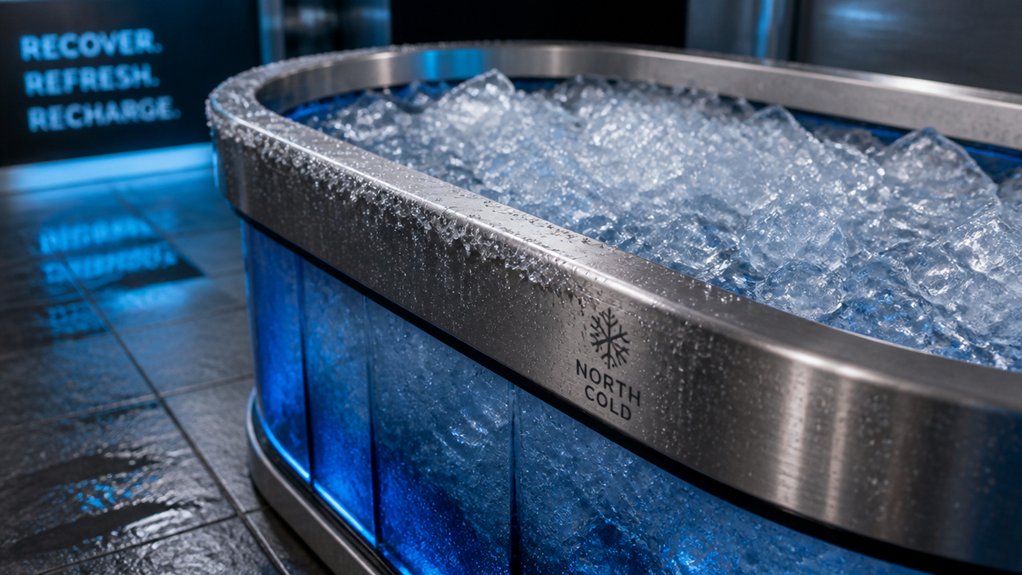
Athletes frequently turn to cold water therapies, like ice baths and cold plunges, to accelerate recovery after intense training. Cold helps reduce swelling and muscle soreness by triggering vasoconstriction, then dilation, which flushes out metabolic waste.
Applying cold water immediately after training blunts the inflammatory response, helping manage pain and inflammation more effectively. Many athletes use cold-compression pads for 10–20 minutes post-workout to speed Post-Workout Recovery and keep soreness at bay. Portable cold packs and systems like the Breg Polar Care Wave enable you to maintain consistent cooling and compression without restricting mobility.
Combining cold water immersion with guided mobility exercises also prevents stiffness, promotes circulation, and boosts recovery outcomes, making cold therapy an essential tool for athletes aiming for faster, more efficient recovery.
Safety Tips for Using Cold Therapy Effectively and Safely
Using cold therapy safely is essential to maximize its benefits and prevent injuries. When applying ice packs, always place a barrier like a towel or cloth between the cold source and your skin. This prevents frostbite or cold burns and keeps the treatment effective.
Limit each session to 10–20 minutes and regularly check your skin to avoid tissue damage or excessive cold exposure. Avoid using cold therapy on areas with poor circulation, loss of sensation, or vascular conditions like Raynaud’s disease, as cold can worsen these issues.
Never apply ice or ice packs directly on open wounds—doing so increases infection risk and tissue harm. If you have underlying health issues or nerve injuries, consult a healthcare professional before starting cold therapy.
Choosing the Right Equipment and Techniques for Ice Baths
Selecting the right equipment and techniques guarantees you get the maximum benefits from ice baths while minimizing risks. Effective ice baths use insulated tubs that keep temperatures steady between 10-15°C (50-59°F), ensuring ideal inflammation reduction.
Portable cold plunge systems and devices like the Breg Polar Care Wave enhance therapy involves integrated temperature control and compression, boosting recovery. Using barriers such as towels or neoprene covers inside the bath helps reduce direct skin contact, preventing frostbite while still allowing cold exposure benefits.
Start with gradual immersion, staying in for 5-10 minutes, then increase as tolerated—this improves safety and anti-inflammatory effects. Incorporating light mobility exercises during or after ice baths supports circulation and prevents stiffness, maximizing recovery benefits.
How to Incorporate Cold Water Immersion Into Your Recovery Routine
To effectively incorporate cold water immersion into your recovery routine, start with brief exposures—such as 30 seconds—at the end of a shower, then gradually extend the duration as your body adapts.
Athletes use cold immersion post-exercise because therapy offers efficient inflammation reduction. Visualize immersing yourself in a cold bath or plunge set at 10-15°C (50-59°F), making sure to do it within 20 minutes after training.
During recovery, combine cold water immersion with light mobility exercises like stretching or gentle movements to prevent stiffness and enhance circulation.
When to Talk to a Professional About Using Cold Therapy for Inflammation
While incorporating cold water immersion into your recovery routine can be beneficial, it’s important to recognize when consulting a healthcare professional is necessary.
If you experience loss of sensation in the injured area, avoid cold therapy until a professional evaluates the risk of unnoticed tissue damage. People with vascular conditions like Raynaud’s disease should seek medical advice before applying cold, as it might worsen blood flow issues and slow down inflammation reduction.
Avoid cold therapy if sensation is lost; consult a professional to prevent unnoticed tissue damage.
If you have open wounds or compromised tissue, see a healthcare provider to prevent infection and damage. Additionally, consult a professional if you’re unsure about ideal cold therapy duration and temperature to avoid negatively affecting blood pressure or prolonging inflammation.
Always prioritize professional guidance to guarantee safe and effective recovery.
Frequently Asked Questions
How Does Cold Therapy Reduce Inflammation?
Cold therapy reduces inflammation by causing your blood vessels to constrict, limiting blood flow, swelling, and inflammatory markers. It then promotes rapid dilation, flushing out waste, decreasing soreness, and speeding up recovery after your workouts or injuries.
How to Reduce Inflammation for Athletes?
You can reduce inflammation by applying cold therapy like ice packs or cold water immersion immediately after exercise. Use cold-compression pads for 10–20 minutes, and consider combining cold exposure with compression for faster recovery.
Are Cold Plunges Good for Athletes?
Cold plunges are good for athletes because they help reduce muscle soreness, manage pain, and improve circulation. They’re a safe, effective way to recover faster after intense workouts, provided you start with short exposures and increase gradually.
Does Cold Calm Down Inflammation?
Yes, cold therapy calms down inflammation by constricting blood vessels, reducing blood flow, and limiting inflammatory markers. It helps decrease swelling and soreness, aiding recovery, but may also slightly hinder your body’s natural healing processes.