Contrast therapy using ice plunges helps boost circulation, reduce inflammation, and speed up muscle recovery. You alternate between cold water immersion (50-59°F for 30 seconds to 1 minute) and hot water or sauna (2-3 minutes), creating a vascular pumping effect. This cycle improves blood flow, clears waste, and relaxes muscles. To maximize benefits and stay safe, learn the best protocols and common mistakes—keep going to discover how to make cold plunges work best for you.
What Is Contrast Therapy and How Does It Work?
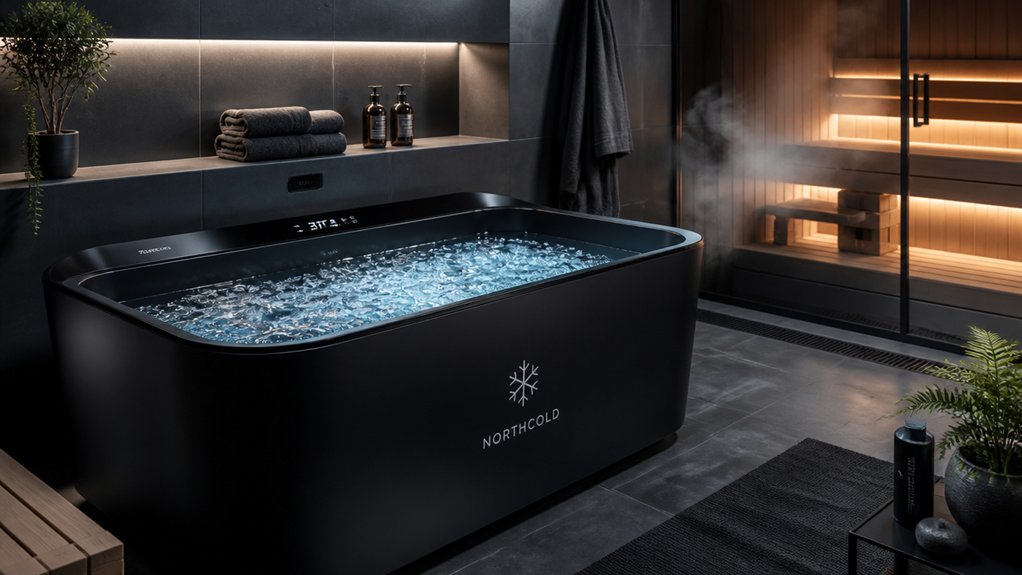
What exactly is contrast therapy, and how does it work? Contrast therapy involves alternating between hot water immersion and cold water immersion to stimulate blood flow.
During the hot phase, usually at 100-110°F for 2-3 minutes, vasodilation occurs, increasing blood flow and relaxing muscles. Following this, the cold phase at 50-59°F for 30 seconds to a minute triggers vasoconstriction, which reduces inflammation and pushes blood back toward the core.
This cycle creates a vascular pumping effect — the rhythmic expansion and contraction of blood vessels — that boosts circulation and lymphatic drainage. Over multiple cycles, typically lasting 15-20 minutes, contrast therapy accelerates recovery by enhancing oxygen and nutrient delivery, helping your muscles repair faster and reduce soreness. Additionally, using percussion massagers with cold plunge therapy can further enhance recovery by delivering deep tissue strokes at adjustable cold temperatures.
Why Add Cold Water Immersion to Your Recovery Routine?
Have you considered adding cold water immersion to your recovery routine? Ice plunges at 50°F to 59°F for 10–15 minutes can boost your recovery by reducing inflammation and tissue swelling.
They encourage vasoconstriction, which helps push metabolic waste like lactic acid toward the core for faster clearance. Cold exposure also promotes deeper breathing, increasing oxygen uptake and improving muscle oxygenation, supporting quicker tissue repair.
Using cold water immersion regularly not only aids in recovery but also builds mental resilience by training your body to tolerate extreme cold. Incorporating ice plunges complements your routine by specifically targeting delayed onset muscle soreness (DOMS).
- Accelerates muscle recovery
- Reduces inflammation and swelling
- Enhances mental toughness
- Proper chiller equipment helps maintain a consistent plunge temperature, ensuring safety and effectiveness during your sessions.
The Science Behind Cold Water and Circulation Boosts
When you immerse in cold water, your blood vessels constrict, directing blood flow to essential organs and reducing tissue inflammation. The repeated contraction and relaxation of your vessels create a pumping effect that boosts circulation and helps clear metabolic waste. Additionally, cold exposure increases alertness and improves mood, supporting overall cardiovascular health. Proper use of insulated ice baths ensures sustained cold temperature, maximizing these benefits.
Cold-Induced Vasoconstriction Effects
Cold water immersion at around 50-59°F triggers vasoconstriction, causing blood vessels to contract and redirect blood flow toward your core to conserve heat and protect essential organs. This response reduces blood flow to peripheral tissues, decreasing swelling and inflammation after exercise or injury.
The constriction creates a pressure gradient that helps flush metabolic waste, like lactic acid, from muscles. During cold immersion, plasma norepinephrine spikes, boosting alertness and mood while supporting vascular tone. This vasoconstrictive process is a key part of your body’s reaction to cold exposure.
Use of energy-efficient chillers designed with high-quality insulation and quiet operation ensures effective and consistent cold immersion sessions. When combined with heat, it results in a vascular pumping effect that enhances circulation and promotes lymphatic drainage.
- Improves waste removal and reduces swelling
- Elevates plasma norepinephrine levels
- Supports overall circulatory efficiency
Enhanced Circulatory Response
The alternating vasoconstriction and vasodilation caused by cold and heat during contrast therapy create a dynamic vascular pumping effect that considerably boosts blood circulation.
When you immerse yourself in cold water, vasoconstriction pushes blood toward your core, reducing inflammation and conserving heat. As you switch to heat, vasodilation occurs, expanding vessels and enhancing blood flow to the surface. This cycle stimulates a vascular pumping effect that improves circulation and lymphatic drainage.
Cold water immersion also increases oxygen uptake through deeper breathing, enhancing muscle oxygenation and recovery. Over time, repeated cold exposure can strengthen vascular walls and improve endothelial function, benefiting your cardiovascular health.
Additionally, the norepinephrine surge from cold immersion heightens alertness, indirectly supporting circulatory efficiency. Proper chiller efficiency and water temperature control play vital roles in maximizing these benefits effectively.
How Contrast Therapy Speeds Up Muscle Recovery
Contrast therapy boosts circulation by alternating hot and cold, which helps pump fresh blood through your muscles. A new session enhances pressure levels, maximizing the effectiveness of each phase and aiding in faster recovery. This process speeds up waste removal, like lactic acid, reducing soreness and stiffness. As a result, you recover faster and feel more flexible after every session.
Enhances Circulatory Pumping
Alternating between hot water immersion (100-110°F), which causes vasodilation, and cold water immersion (50-59°F), which triggers vasoconstriction, creates a rhythmic pumping effect in your blood vessels, greatly boosting circulation. This cycle repeatedly stimulates vascular walls, encouraging blood flow and lymphatic drainage. The result is more efficient delivery of oxygen and nutrients to muscles, speeding up recovery and reducing metabolic waste like lactic acid. Utilizing compression therapy during this process can further optimize joint support and healing.
Accelerates Waste Removal
Switching between hot and cold water immersions creates a powerful vascular pump effect that speeds up waste removal in your muscles.
During contrast therapy, vasodilation from hot water increases blood flow, while cold water exposure causes vasoconstriction, promoting a rhythmic cycle that enhances metabolic waste removal, such as lactic acid. This cyclical process also improves lymphatic drainage, helping your body clear inflammatory chemicals and cellular waste faster.
The alternating temperatures boost circulation, delivering more oxygen and nutrients to aid muscle recovery. Additionally, the final cold phase triggers norepinephrine release, reducing inflammation and accelerating the removal of muscle microtrauma. Incorporating magnesium-based creams after cold plunges can further support muscle relaxation and recovery by replenishing mineral levels and reducing soreness.
Reduces Muscle Stiffness
By cycling hot and cold water immersions, your blood vessels expand and contract rhythmically, creating a vascular pump that boosts blood flow. This process directly reduces muscle stiffness by enhancing oxygen and nutrient delivery to muscle tissues.
Cold plunges constrict blood vessels, decreasing inflammation, while warm water immersion relaxes muscles and promotes flexibility. The alternating hot and cold temperatures improve lymphatic drainage, speeding up waste removal and reducing soreness.
This contrast therapy promotes faster muscle recovery and diminishes tightness. Athletes report feeling less stiff and more mobile after repeated cycles. Integrating contrast therapy into your routine can greatly improve your recovery time and muscle flexibility.
- Enhances circulation and decreases tightness
- Promotes quicker removal of metabolic waste
- Improves joint mobility and reduces soreness
Benefits of Alternating Hot and Cold Water for Inflammation
Moving between hot and cold water immersions creates a powerful vascular pumping effect that enhances blood flow and speeds up the removal of inflammatory metabolites. Contrast therapy works by cycling between vasodilation from hot water and vasoconstriction from cold, stimulating rhythmic blood vessel activity.
This process reduces inflammation more effectively than cold alone, as it promotes faster clearance of inflammatory chemicals and waste from muscles. The heat relaxes tissues, aiding muscle recovery, while cold constricts blood vessels, limiting localized inflammation.
This alternation boosts lymphatic drainage, helping remove excess fluids and inflammatory substances. Overall, contrast therapy minimizes swelling and accelerates tissue healing, making it a valuable tool for managing inflammation and supporting quicker recovery from musculoskeletal injuries.
How Cold Plunges Boost Mental Clarity and Mood
Alternating between hot and cold water immersions not only helps reduce inflammation but also offers notable mental benefits.
Cold plunges trigger a sharp increase in plasma norepinephrine, an essential hormone that sharpens alertness, focus, and mood regulation for hours afterward. During a cold plunge, your body releases dopamine and epinephrine, which boost mental clarity and elevate your mood through better neurotransmitter balance.
Cold plunges boost norepinephrine, dopamine, and epinephrine, enhancing alertness, mood, and mental clarity for hours.
The vascular constriction activates your sympathetic nervous system, enhancing mental resilience and decreasing anxiety or depression symptoms. Additionally, cold exposure promotes deeper breathing, increasing oxygen intake that supports brain function and cognitive performance.
- Experience heightened alertness and focus after each plunge
- Improve your mood and emotional stability
- Develop greater mental resilience and stress response
Safety Tips for Doing Cold Plunges at Home
To guarantee safe cold plunge experiences at home, it’s essential to start gradually and pay attention to your body’s signals. Begin with 1-2 minutes of immersion at 50-59°F, then slowly increase time as your tolerance improves. Always ease into the cold water to prevent shock and monitor your breathing during cold exposure—if you feel dizzy or overly uncomfortable, exit immediately. Avoid cold plunges if you have uncontrolled high blood pressure, cardiovascular issues, or heart conditions without medical advice. Limit sessions to 10–15 minutes and allow recovery time. Stay hydrated before and after plunges, and warm up gently afterward to restore body temperature.
| Step | Key Focus | Important Note |
|---|---|---|
| Start | Gradually | Increase duration over time |
| Immersion | Slow Entry | Prevent sudden shock |
| Monitor | Body signals | Exit if feeling unwell |
Combining Cold Water Immersion With Other Recovery Techniques
Combining cold water immersion with other recovery techniques can greatly enhance your post-exercise benefits. By pairing ice plunges with methods like infrared sauna sessions, you promote vasodilation followed by vasoconstriction, improving circulation and speeding muscle recovery.
Many athletes also combine cold water immersion with compression therapy to reduce muscle soreness and inflammation, supporting faster recovery.
Incorporating deep breathing or mindfulness during ice plunges boosts oxygen intake and relaxes your nervous system, increasing mental clarity.
Contrast baths, alternating between hot and cold water, act as a natural vascular pump to clear metabolic waste effectively. Ending with cold immersion locks in benefits like inflammation reduction and norepinephrine spikes.
Rehydration and nutrient intake after these sessions further optimize tissue repair and muscle recovery.
Key Factors for Safe and Effective Cold Water Use
To use cold water safely, you need to monitor water temperatures closely and keep them between 50°F and 59°F, limiting immersion to 10–15 minutes.
Start with shorter sessions if you’re new to cold exposure, gradually increasing as your body adapts. Always pay attention to your body’s signals and avoid cold immersion if you have health conditions like high blood pressure or heart issues.
Temperature Monitoring Guidelines
Maintaining accurate water temperatures during cold immersion is essential for safety and effectiveness. Consistent temperatures guarantee you get the full contrast therapy benefits without risking hypothermia or excessive vasoconstriction.
To do this, use reliable thermometers to monitor water temperatures, keeping them within the safe therapeutic ranges of 50°F to 59°F (10°C to 15°C). Be mindful of cold immersion durations—limit sessions to 10-15 minutes, with intervals of 1-3 minutes. During the plunge, monitor your body signals closely—shivering, numbness, or dizziness indicate the need to end the session.
Proper temperature control enhances the vasoconstriction benefits, supporting joint recovery, reducing inflammation, and increasing circulation safely. Remember, accurate temperature tracking is key to maximizing contrast therapy benefits while avoiding health risks.
Duration and Frequency Limits
Because cold water immersion can markedly impact your cardiovascular system, it’s essential to follow safe duration and frequency limits. For ice plunges used in contrast therapy, durations typically range from 10 to 15 minutes to optimize inflammation reduction without risking overstress.
Beginners should start with shorter exposures of 1-2 minutes, gradually working up to 3-5 minutes per session as your body adapts. It’s recommended to have 2-4 cold water immersion sessions weekly, totaling about 11 minutes of cold exposure each week for recovery benefits.
Be cautious of prolonged or excessively cold immersions, as they can compromise safety. Always listen to your body signals and stay within your individual tolerance to guarantee the benefits of contrast therapy while protecting your health.
Recognizing Body Signals
How can you tell if you’re overdoing cold water immersion during contrast therapy? You need to monitor your body signals closely. Watch for excessive shivering, numbness, dizziness, or discomfort—these indicate you should end the cold plunge to prevent hypothermia or adverse reactions.
Pay attention to your heart rate and breathing patterns: rapid or irregular heartbeats and hyperventilation signal overexposure, requiring immediate warming. Recognize your individual tolerance, as discomfort is normal, but intense pain, chest tightness, or confusion warrant stopping and seeking medical advice.
Mistakes to Avoid During Cold Plunge Sessions
Are you aware of the common pitfalls that can undermine your cold plunge sessions? Jumping in abruptly or exceeding advised durations can cause hypothermia and cardiovascular stress. To stay safe, always use gradual acclimation and warm-up routines. Avoid holding your breath or hyperventilating, as proper regulated breathing maximizes oxygen intake and mental clarity. Skipping contrast cycles or warm-up diminishes vascular pumping benefits. Also, avoid cold immersion if you have uncontrolled high blood pressure or heart issues without consulting a doctor.
| Mistake | Consequence | Prevention |
|---|---|---|
| Entering abruptly | Trigger unsafe vasoconstriction or hyperventilation | Use gradual acclimation |
| Overextending time | Hypothermia, cardiovascular strain | Stick to 10-15 minutes |
| Skipping contrast cycles | Reduced vascular pumping and recovery | Follow complete contrast protocols |
| Ignoring health conditions | Risk of adverse events | Consult healthcare provider |
| Breath holding | Reduced oxygen flow, disorientation | Practice regulated breathing |
Who Should Rethink Cold Water Immersion?
Who should rethink cold water immersion? If you have uncontrolled high blood pressure, cardiovascular disease, cold intolerance, or Raynaud’s phenomenon, cold plunges mightn’t be safe for you. These conditions can worsen with rapid vasoconstriction, putting extra stress on your heart and blood flow.
People with chronic illnesses, respiratory issues, or compromised immunity should consult a healthcare professional before trying cold water immersion, as sudden temperature changes can trigger adverse reactions. Pregnant women are also advised to be cautious.
- Managing cold water immersion with cardiovascular issues or cold intolerance
- Risks for those with Raynaud’s or immune system concerns
- The importance of professional guidance for chronic illnesses
Final Tips to Maximize Cold Plunge Benefits
To maximize the benefits of cold plunges, it’s essential to follow a few key tips. Start with shorter durations of 1-2 minutes and gradually extend to 3-5 minutes to build cold tolerance safely.
Begin with 1-2 minutes and gradually increase to 3-5 minutes for safe cold tolerance growth.
Always finish your cold plunge with deep, controlled breathing to enhance oxygen uptake and promote relaxation. Incorporate contrast therapy by alternating between hot and cold cycles, such as a warm bath or sauna followed by your cold plunge, to boost vascular pumping and recovery.
Keep the water temperature around 50-59°F to achieve effective vasoconstriction without risking discomfort or harm. Hydrate well before and after your cold plunge, supporting circulation and metabolic waste removal during recovery.
These steps will help you optimize your contrast therapy routine and enjoy maximum cold plunge benefits.
Frequently Asked Questions
How to Do Cold Plunge and Sauna Contrast Therapy?
You start by spending 10-15 minutes in a hot sauna until you sweat, then immediately immerse in cold water for 2-3 minutes. Alternate for 3-4 rounds, finishing with cold to maximize recovery and vascular benefits.
Is Contrast Therapy Better Than Just a Cold Plunge?
Yes, contrast therapy is better than just a cold plunge because it enhances circulation, promotes muscle relaxation and flexibility, and boosts mood hormones, making your recovery faster, more effective, and more comfortable compared to prolonged cold exposure alone.
How Long Does Cold Plunge Contrast Therapy Take?
Cold plunge contrast therapy typically lasts 15 to 20 minutes, involving 3 to 5 cycles of hot and cold immersions. You should start with shorter cold exposures, gradually increasing as your tolerance improves, to maximize recovery benefits safely.
How Long Should You Sit in an Ice Plunge?
You should sit in an ice plunge for 1 to 5 minutes, starting with shorter durations. Gradually increase your time as you become more accustomed, but avoid exceeding 15 minutes to prevent hypothermia and guarantee safe, effective cold exposure.