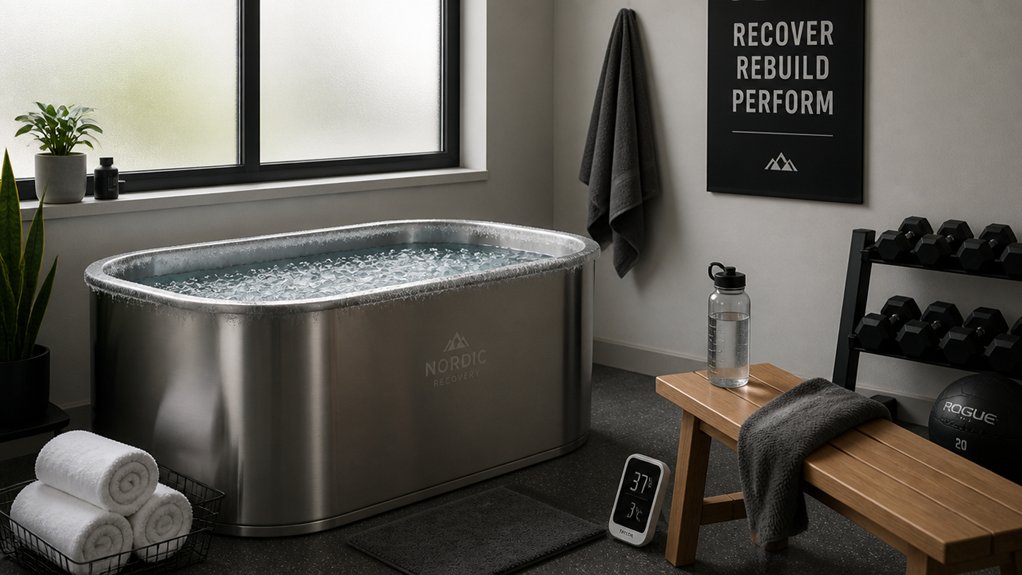
To optimize recovery between ice bath sessions, schedule them 24-48 hours apart and limit each to 10-15 minutes at 50-59°F. Support your recovery with rest days, active recovery like light cycling or yoga, proper nutrition, and hydration. Prioritize sleep and include gentle mobility or compression therapy afterward. Track your responses and adjust as needed to prevent overtraining and guarantee continuous progress. Keep exploring to discover more ways to maximize your recovery routine effectively.
Why Timing Matters for Effective Cold Plunge Recovery
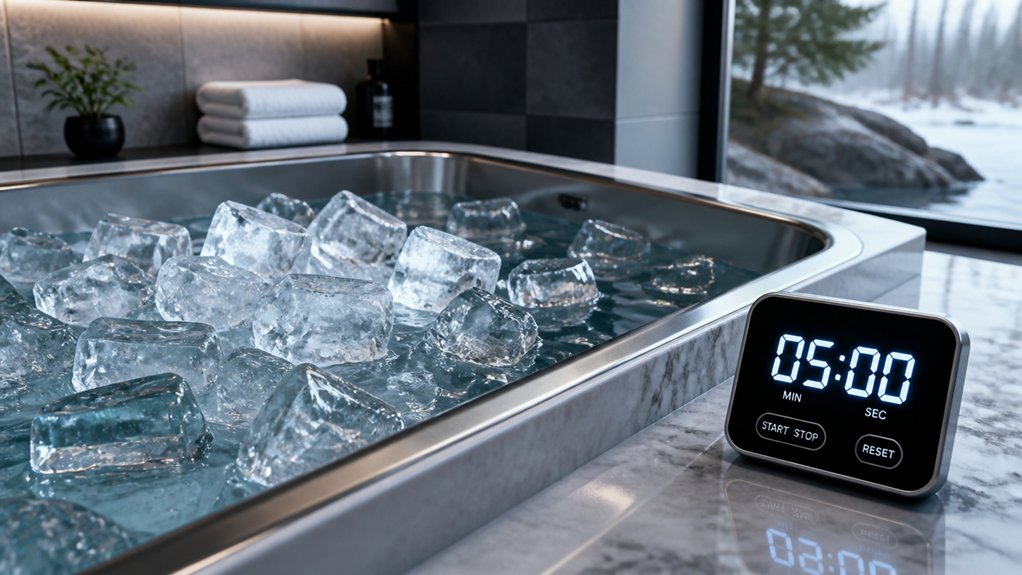
Timing is essential when it comes to cold plunge recovery because the benefits depend on when you take the ice bath after exercising. Scheduling your ice bath sessions within 30 to 60 minutes helps control inflammation and speeds up muscle recovery.
However, avoid immediate ice baths right after strength training; waiting 24 to 48 hours allows your muscles to repair naturally without interference. Limiting each session to 10-15 minutes and spacing them by at least a day prevents numbness, hypothermia, and excessive fatigue.
Too frequent ice baths without proper recovery can lessen their effectiveness and may cause unwanted effects like persistent soreness or lowered immune response. Tracking your responses and adjusting timing accordingly helps maximize recovery benefits while reducing risks. Using recovery tracking apps can help monitor your progress and optimize session timing for better results.
How to Plan Rest Days for Optimal Muscle Repair
Properly planning your rest days is essential for maximizing muscle repair and ensuring your recovery strategies are effective. Schedule rest days between ice bath sessions, ideally 24-48 hours apart, to let inflammation and muscle repair processes proceed without cold-induced suppression. Use these days for active recovery, like light cycling or yoga, which promotes blood flow without overstressing muscles. Avoid daily ice baths to prevent potential hindrance of muscle growth and overexposure risks. Instead, limit sessions to 2-4 weekly, aligning with your training intensity and fatigue signals. During rest days, prioritize adequate sleep and proper nutrition, as both are crucial for muscle protein synthesis and recovery after cold vasoconstriction. Monitor for persistent soreness or fatigue to adjust your ice bath frequency and optimize recovery. Additionally, considering compression therapy’s role in enhancing circulation may further support muscle healing between sessions.
Best Nutrition and Hydration Strategies to Support Recovery
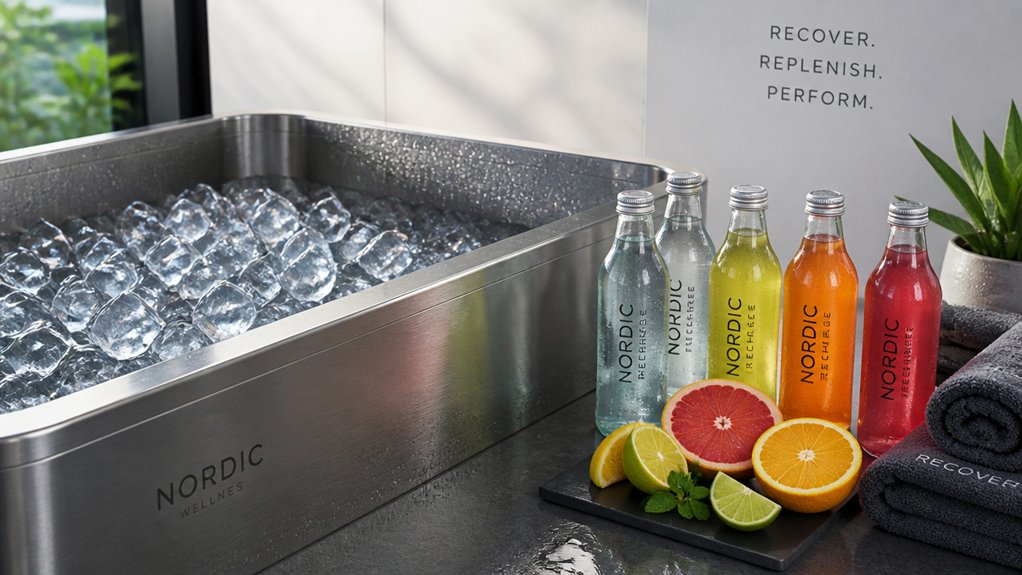
Replenishing your body after ice bath sessions means paying close attention to nutrition and hydration. To support recovery and reduce inflammation, consume a balanced mix of carbohydrates and protein within 30 to 60 minutes. This helps replenish glycogen stores and promotes muscle repair.
Hydrate adequately with water or electrolyte-rich fluids to replace fluids lost through cold exposure-induced diuresis. Timing your nutrition around this window optimizes muscle recovery and minimizes inflammation.
Incorporate anti-inflammatory foods such as berries and fatty fish high in omega-3s into your daily diet to complement the ice bath benefits. Avoid excessive caffeine or alcohol post-ice bath, as they can impair hydration and interfere with muscle recovery. Proper nutrition and hydration are essential for effective recovery and maintaining muscle health.
Using Sleep and Relaxation to Maximize Recovery Benefits
After an ice bath, incorporating sleep and relaxation techniques can greatly boost your recovery efforts. Prioritize 7–9 hours of high-quality sleep to support muscle repair, boost growth hormone release, and enhance cognitive recovery.
Adding 10–15 minutes of relaxation helps your body gradually rewarm, improving circulation and tissue repair. During this time, avoid hot showers to prevent shock; instead, practice calm breathing and light stretching. Incorporate mindfulness or meditation to lower stress hormones, further enhancing recovery quality.
Maintaining consistent sleep patterns across your recovery routine helps regulate inflammation and reduces delayed onset muscle soreness (DOMS). Additionally, using breathing exercise tools can support relaxation and respiratory recovery, preparing your body for the next training session. By combining effective sleep quality and relaxation practices with cold therapy, you optimize your recovery and prepare your body for the next training session.
Incorporate Active Recovery to Boost Cold Therapy Results
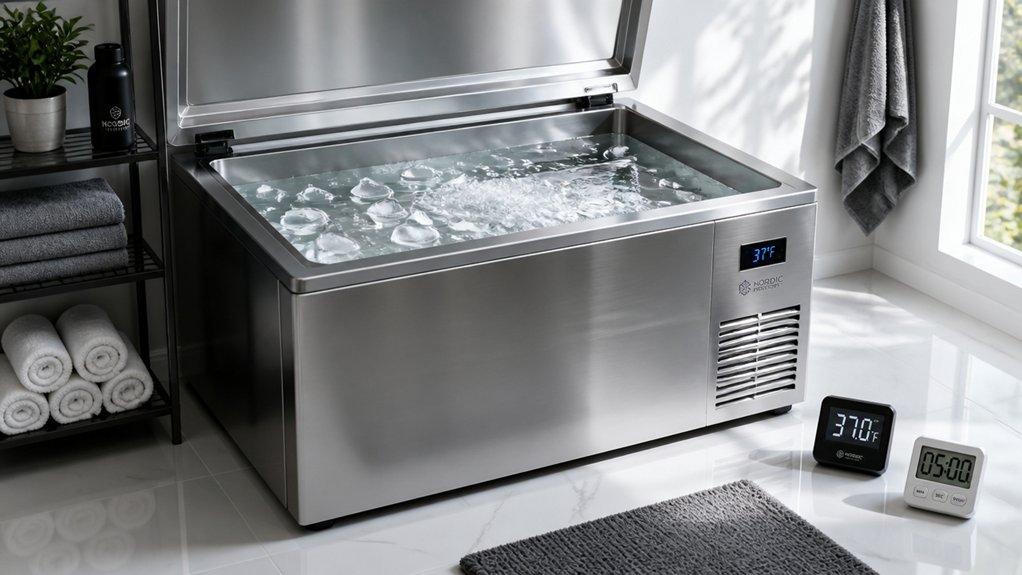
Integrating active recovery into your routine can greatly enhance the benefits of cold therapy. It helps boost blood flow and speeds up metabolic waste removal between ice bath sessions.
Engaging in low-intensity activities 24–48 hours after exercise complements ice baths by reducing inflammation without straining your muscles. To maximize results, consider:
- Performing light cycling or walking at 50–60% max heart rate for 20–30 minutes to promote circulation.
- Incorporating mobility drills or yoga to improve muscle flexibility and support tissue repair initiated by cold therapy.
- Using active recovery to aid in quicker lactic acid clearance and minimize muscle stiffness, amplifying anti-inflammatory effects.
This approach helps regulate training load, prevents excessive fatigue, and guarantees a more efficient recovery process. Additionally, incorporating resistance bands can provide gentle, controlled movement to further support muscle mobility and recovery.
How to Monitor and Adjust Recovery Intervals for Better Results
To get the most from your ice baths, keep an eye on physical signs like muscle soreness and body temperature, which tell you if you’re ready for the next session. Track how you feel during and after each bath to set a comfortable frequency and duration that suits you. Monitoring your heart rate variability can also provide insights into your recovery status and help you optimize your intervals.
Recognizing Physical Signs
Monitoring physical signs during and after an ice bath is essential for optimizing your recovery process. Pay close attention to how your body reacts, especially for indicators like persistent muscle soreness beyond 72 hours or excessive fatigue. These signals suggest you should 1) reduce frequency or extend recovery periods.
Additionally, watch for severe shivering, numbness, or confusion, which indicate you may need to shorten sessions or take more time between baths.
Keep track of recovery quality over the next 24–48 hours—if soreness feels prolonged or performance drops, adjust your schedule accordingly.
Finally, if you feel overly drained or unmotivated, consider increasing recovery intervals to prevent overtraining and guarantee effective restoration. Recognizing these signs helps you tailor your ice bath routine safely and efficiently. Understanding the importance of temperature control and insulation features in your cold plunge setup can further enhance your recovery outcomes.
Tracking Recovery Indicators
How can you effectively track your recovery after ice baths to enhance future sessions? Start by monitoring subjective indicators like muscle soreness, fatigue levels, and overall mood pre- and post-immersion. Pay attention to physical signs such as residual numbness, shivering, or prolonged soreness, which signal overuse. Track session variables, including water temperature, immersion duration, and timing post-exercise, along with recovery quality over 24–48 hours, to identify ideal spacing. Use performance metrics like strength output and range of motion to fine-tune your recovery intervals. Incorporating foam rollers for muscle recovery can further promote blood flow and flexibility, optimizing your overall recovery process.
Adjusting Interval Strategies
Adjusting your recovery intervals involves paying close attention to your body’s responses and performance indicators. To maximize results, you should carefully monitor physical feedback like persistent soreness, fatigue, or mental readiness.
Based on this insight, you can decide whether to adjust frequency by lengthening or shortening recovery intervals between ice bath sessions. Incorporating device features such as temperature regulation can further enhance recovery precision and effectiveness.
Consider these steps:
- Assess muscle soreness and fatigue levels to determine if recovery methods are effective.
- Use recovery quality data, such as performance improvements within 24–48 hours, to fine-tune session spacing.
- Track subjective sensations like shivering or muscle relaxation to modulate intervals, avoiding overuse risks and ensuring peak recovery.
Adjusting frequency accordingly helps prevent diminished benefits and promotes sustained muscle growth.
Scheduling Contrast Therapy and Cold Exposure for Maximum Benefits
To maximize the benefits of contrast therapy and cold exposure, timing and frequency are essential. Schedule contrast therapy sessions with 2-3 cycles, alternating 10-15 minutes of sauna heat (65-90°C) and 1-2 minutes of ice bath immersion (50-59°F). This helps blood vessels dilate, promoting circulation and recovery without overstressing your body.
Placing cold exposure within 30 to 60 minutes after exercise enhances inflammation control and facilitates waste removal, speeding up muscle recovery. To prevent setbacks, avoid intense ice baths more than 24-48 hours apart, especially when training heavily.
Begin cold immersion gradually, starting with lower limbs, and keep sessions under 15 minutes to reduce risks. Incorporate controlled breathing to manage the shock response and optimize both physical and mental adaptation during scheduled cold exposure.
Signs You Need Longer Recovery Periods Between Cold Plunges
While scheduling contrast therapy and cold exposure carefully enhances recovery, it’s equally important to listen to your body’s signals. If you notice persistent muscle soreness or fatigue lasting beyond 48 hours, it indicates you need longer recovery between cold therapy sessions.
Overexposure signs like severe shivering, numbness, or confusion during or after your plunge also suggest you should extend your rest period. Additionally, if you feel dread or aversion toward cold baths, your body may be signaling mental or physical fatigue requiring more recovery time.
Watch for visible skin issues like redness or blisters, which mean you should delay the next session until healed. Finally, a decline in performance or unresolved muscle stiffness suggests your recovery interval needs to be lengthened for safer, more effective cold therapy.
Post-Recovery Techniques: Breathing, Mobility, and Compression
After an ice bath, incorporating controlled breathing helps you quickly regain calm and stabilize your heart rate.
Gentle mobility exercises, like stretching or light movements, boost blood flow and prevent stiffness without overexertion.
Wearing compression gear for a short time supports circulation, reduces swelling, and speeds up waste removal for more effective recovery.
Breathing Techniques for Calmness
Incorporating controlled breathing techniques immediately after an ice bath can considerably enhance your recovery process by promoting relaxation and reducing the cold shock response.
Focus on breath, calmness, and activating your parasympathetic nervous system to foster mental clarity. Try these methods:
- Practice slow diaphragmatic breaths to deepen your inhale and exhale, calming the nervous system.
- Use box breathing—inhale, hold, exhale, and hold each for equal counts—to stabilize your heart rate.
- Perform rhythmic breath patterns or breath holds to lower cortisol levels and support muscle recovery.
These techniques help regulate your nervous system, enhance oxygen delivery, and prepare your body mentally and physically for the next session.
Mobility Exercises for Flexibility
Engaging in gentle mobility exercises within 30 to 60 minutes after an ice bath can greatly improve joint flexibility and reduce stiffness. Focus on controlled dynamic stretches and mobility drills targeting major joints like hips, shoulders, and ankles to enhance your joint range of motion.
These routines help maintain mobility without stressing cold-affected muscles, supporting a better range of recovery. Keep sessions moderate in intensity, around 20-30 minutes, to avoid additional muscle fatigue. Controlled breathing techniques during mobility exercises foster relaxation and promote oxygen delivery, aiding muscle recovery.
Compression Gear Benefits
Compression gear offers a targeted approach to post-ice bath recovery by applying graduated pressure that helps reduce swelling and supports blood flow.
When you wear compression sleeves or tights for 1–2 hours after cold exposure, they work to maintain improved circulation, complementing the vasodilation effects of your ice bath. This enhanced circulation speeds up metabolic waste removal and reduces muscle soreness.
Here are three key benefits:
- Reduce swelling by minimizing fluid buildup in your limbs.
- Enhance circulation for faster oxygen and nutrient delivery to muscles.
- Support metabolic waste removal to prevent fatigue and promote recovery.
Using compression gear after an ice bath maximizes recovery, especially when combined with proper breathing and mobility exercises.
Troubleshoot Common Recovery Challenges and When to Seek Help
Are you experiencing persistent soreness or unusual fatigue after ice bath sessions? You need to monitor your recovery closely. Signs like prolonged soreness beyond 48 hours, severe shivering, numbness, or mental confusion suggest overuse or adverse reactions.
Address recovery challenges by ensuring proper rewarming—avoid hot showers immediately after, and dress warmly for 10–15 minutes to prevent cold stress. If inflammation worsens despite your efforts, consider adjusting water temperature to 55–59°F and limiting session duration to 5–10 minutes.
Also, avoid ignoring symptoms like abnormal pain or circulation issues; if these occur, seek medical advice promptly. Tracking session data helps identify patterns, so you can make informed adjustments or consult a healthcare professional when necessary.
Create a Personalized Recovery Routine for Long-Term Gains
To create an effective long-term recovery routine, you should start by gradually increasing your ice bath duration and adjusting water temperature over several weeks. Ice baths help improve recovery efficiency while building mental toughness.
Gradually increase ice bath duration and temperature to enhance recovery and build mental toughness over time.
To tailor your routine:
- Adjust frequency based on training needs. Schedule 2–4 ice bath sessions per week, allowing enough rest between to prevent overuse and support muscle repair.
- Track your sessions. Record temperature, duration, sensations, and post-recovery results to refine your approach and guarantee sustained progress.
- Incorporate mental focus techniques. Use controlled breathing and visualization during immersion to boost mental toughness and maximize physiological benefits.
Balancing these recovery techniques will promote long-term gains and resilience.
How to Avoid Overtraining and Maintain Progress
To avoid overtraining, keep an eye on your exercise intensity and make sure you’re not pushing yourself too hard too often.
Incorporate regular rest periods to allow your muscles to recover and prevent burnout. Tracking your sessions helps you stay within your limits and maintain steady progress.
Monitor Exercise Intensity
Monitoring exercise intensity is essential for preventing overtraining and ensuring steady progress. By tracking your training load and recovery, you can avoid excessive muscle damage and fatigue.
Here’s how to do it:
- Keep an eye on subjective measures like soreness, perceived exertion, and mood, alongside objective metrics such as heart rate variability. These indicators help detect early signs of overtraining.
- Schedule at least 24 to 48 hours of recovery between high-intensity sessions, especially when using ice baths, to promote proper muscle repair without hindering adaptations.
- Adjust the frequency and duration of ice baths based on your training load and recovery feedback. Limiting to 2–4 sessions weekly helps maintain progress without overuse symptoms.
Consistent monitoring prevents you from pushing too hard and optimizes recovery.
Incorporate Rest Periods
Incorporating rest periods between ice bath sessions is essential for preventing overtraining and ensuring consistent progress. Limiting your sessions to 2–4 times weekly and never exceeding 15 minutes at 50–59°F helps avoid excessive cold stress.
Giving your muscles and nervous system at least 24 to 48 hours of rest allows for proper muscle recovery and reduces the risk of overtraining. Pay attention to signs like persistent soreness, numbness, or mental dread, and cut back if needed.
Instead of making abrupt changes, gradually increase immersion duration or lower temperatures over weeks. Complement ice baths with active recovery and quality sleep to sustain progress, prevent plateau, and avoid muscle growth dampening from too much cold exposure.
Summary: Building a Sustainable Cold and Recovery Wellness Plan
Creating a sustainable cold and recovery wellness plan involves gradual exposure and personalized adjustments to maximize benefits while minimizing risks.
To enhance recovery, blood flow, and muscle relaxation, start with 5-minute ice baths at 55–59°F. Gradually extend sessions to 10–15 minutes and lower temperatures to 50–55°F over 2–3 weeks. Schedule 2–4 ice baths per week, with at least 24–48 hours between sessions to support tissue repair and avoid overuse.
Incorporate natural rewarming and hydration after each session, steering clear of hot showers that can cause temperature shocks. Additionally, track your session details—temperature, duration, and sensations—to fine-tune your routine. Regularly monitor your physical and emotional responses to maintain a balanced, sustainable cold therapy wellness plan.
Frequently Asked Questions
How Long Should I Wait Between Ice Baths?
You should wait at least 24 to 48 hours between ice baths. Monitor your soreness and fatigue, and avoid ice baths on consecutive days to maximize recovery benefits without hindering muscle growth or overloading your system.
How Often Should You Ice Bath for Recovery?
You should ice bath 2 to 4 times weekly, adjusting based on your training and tolerance. Start with one session, then gradually increase. Avoid daily baths to prevent overcooling, and always listen to your body’s feedback.
Do Ice Baths Actually Improve Recovery?
Yes, ice baths do improve recovery by reducing inflammation, muscle soreness, and metabolic waste, which speeds healing. They enhance circulation and physical resilience, especially after intense workouts, but should be used thoughtfully to avoid hindering muscle growth.
Can Ice Baths Help With Lipedema?
Yes, ice baths can help with lipedema by reducing inflammation, swelling, and pain, thanks to improved microcirculation. However, start slowly, monitor your response, and consult your healthcare provider to guarantee safe, personalized use tailored to your circulatory needs.