To manage vasodilation rebound during cold therapy, start with gradual rewarming using mild warmth or warm compresses, and avoid sudden temperature changes. Keep the rewarming period controlled over 10-15 minutes, and monitor how your body responds for signs like dizziness or skin redness. Elevate your legs and stay hydrated for better blood flow. If you’re interested in more tips on maintaining safe recovery, there’s more to explore below.
What Is Vasodilation Rebound During Cold Therapy?
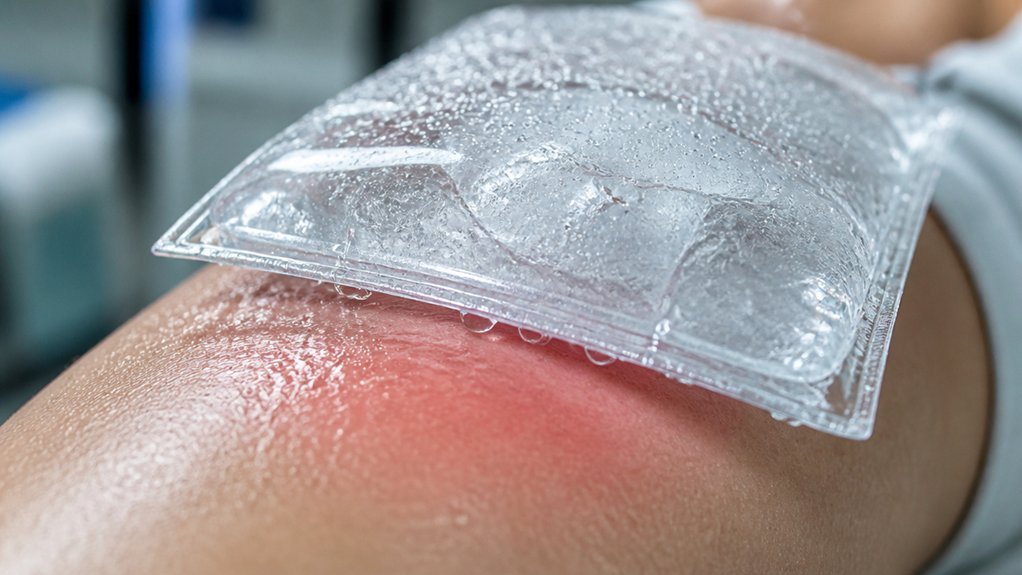
Have you ever wondered what happens to your blood vessels during cold therapy? This is where vasodilation rebound comes into play.
After cold exposure, your blood vessels initially constrict as part of the body’s response to cold, controlled by smooth muscle in the vessel walls. However, once the cold stimulus ends, the vessels relax in a process called vasodilation rebound, increasing blood flow to warm tissues back to homeostasis. This rebound effect helps prevent tissue damage and maintains overall balance. Breathing modes that promote rhythmic breathing can also support the body’s response during this process.
The extent of vasodilation rebound varies depending on how long and how cold the therapy is, along with your individual physiology. Recognizing this response is important to optimize cold therapy benefits and reduce potential risks like swelling or blood pressure fluctuations.
Why Does Vasodilation Rebound Occur When You Cold-Treat?
Vasodilation rebound occurs because your body’s natural mechanisms kick in to protect tissues from damage caused by cold exposure. When you cold-treat, blood vessels initially constrict to reduce blood flow and preserve heat.
However, after several minutes, local tissue temperatures fall below a critical level, activating vasodilatory responses. This involves relaxation of the smooth muscle in blood vessel walls, often mediated by increased nitric oxide release and reduced sympathetic nervous system activity.
The rebound guarantees adequate blood flow during cold-water immersion, preventing prolonged ischemia to muscles and extremities. Factors like skin surface area-to-mass ratio and ambient temperature influence when and how strongly vasodilation occurs.
This adaptive process aims to restore tissue temperature and safeguard your tissues during cold therapy, similar to how infrared heat lamps can be used to safely manage and maintain body temperature during recovery.
How to Prevent Vasodilation Rebound Effectively
You can prevent vasodilation rebound by gradually rewarming your skin after cold exposure, helping your blood vessels adjust smoothly. Avoid sudden temperature changes by slowly increasing the ambient temperature or using warm compresses, and consider contrast therapy to train your vessels. Using a reliable temperature control system can also help manage the rewarming process effectively. Keep cold sessions moderate and monitor for any signs of dizziness or flushing during rewarming to guarantee safe recovery.
Gradual Cold Exposure Techniques
Implementing gradual cold exposure techniques is essential for preventing the rebound vasodilation that can occur after cold therapy. You should start with short, localized cooling sessions lasting 10–20 seconds, gradually increasing duration and intensity. Focus on extremities or the face rather than full-body immersion to allow controlled vasoconstriction without triggering sudden vasodilation. Pre-warming skin slightly—like with mild heat—helps regulate vascular tone and minimizes rebound vasodilation. Alternating cold exposure with brief warm periods, or contrast therapy, promotes a pumping effect that maintains vascular balance. Use the following visualization to guide your practice:
| Step | Technique |
|---|---|
| 1 | Incremental cooling of extremities |
| 2 | Short, controlled durations |
| 3 | Alternating with warm periods |
A temperature monitoring strategy helps fine-tune your approach and ensures precise control during each phase of cold therapy.
Proper Post-Cooling Practices
To effectively prevent a vasodilation rebound after cold therapy, it’s important to focus on a gradual and controlled rewarming process. Rapid rewarming can cause sudden vasodilation, dropping blood pressure or causing dizziness. Use moderate room temperature and avoid hot showers immediately after cold immersion to promote steady vascular resistance.
Gentle movements and light stretching during rewarming help maintain blood flow and prevent abrupt vasodilation spikes. Localized warming methods like warm towels are preferable over intense heat sources, offering balanced rewarming without triggering excessive vasodilation.
Keep an eye on symptoms such as flushing, lightheadedness, or rapid heartbeat, and adjust your rewarming pace accordingly. Proper heat settings and controlled duration can further aid in preventing rebound vasodilation.
How Long Should You Cold-Exclude and When to Rewarm?
How long should cold-exclude last before safely rewarming?
You should avoid cold exposure for at least 10 to 15 minutes after cooling to allow vasodilation rebound to occur naturally. During this period, blood pressure stabilizes, preventing dizziness and blood flow issues.
Rewarming should begin gradually, ideally with mild ambient or skin warming, rather than sudden heat, to avoid rapid vasodilation that can cause dizziness or fainting. Monitoring skin temperature is essential; keeping it above approximately 10°C helps prevent excessive vasodilation.
In environments with appropriate timer accuracy in extreme cold temperatures, ensuring the timing aligns with physiological responses can help prevent premature rewarming. Rewarming too soon with hot water or intense heat within the first 20 minutes increases the risk of blood pooling and hypotension. Mild movement or compression can assist in stabilizing vascular tone during recovery, especially in sensitive cases.
Post-Cold Therapy Tips to Keep Rebound in Check
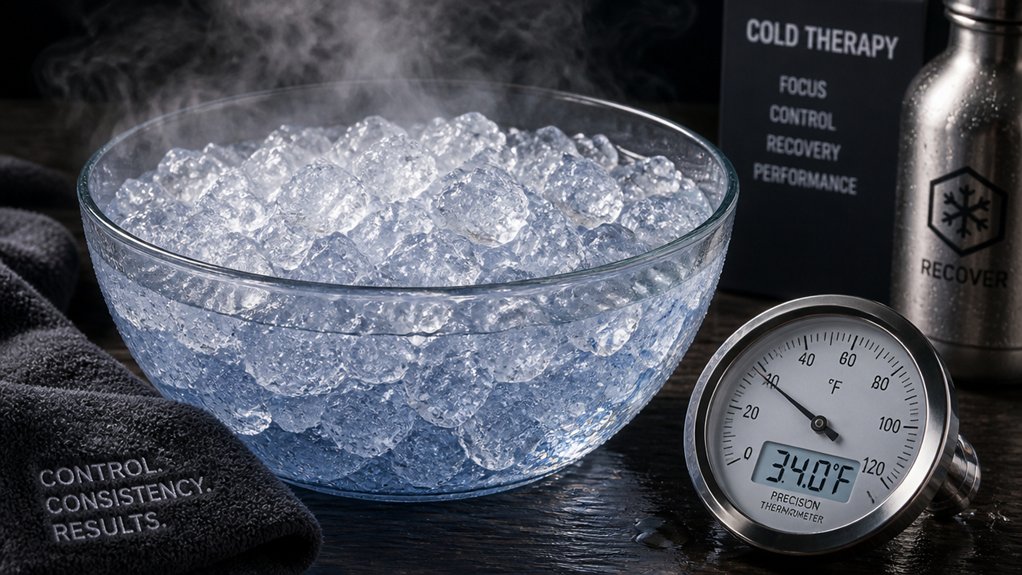
After cold therapy, rewarm your body gradually with gentle warmth to prevent sudden vasodilation.
Keep an eye out for symptoms like dizziness or rapid heartbeat, and take action if they appear.
Elevating your legs and staying hydrated can also support stable blood flow and reduce rebound effects.
Using a cold plunge tumbler with motivational or hydration features can help maintain optimal recovery hydration and temperature regulation during this process.
Gradual Warming Techniques
Once cold therapy concludes, initiating a gradual rewarming process helps prevent sudden vasodilation rebound and excessive blood pooling. You should aim to raise skin temperature slowly over 10–15 minutes using moderate warmth (around 35–37°C). A controlled approach supports insulation effectiveness and stabilizes circulation. Localized warming methods like warm towels or heated pads on extremities gently dilate vessels and support stabler circulation. Rapid shifts to hot water or high ambient temperatures can trigger sudden vasodilation, risking hypotension or fainting. Controlled warming promotes steady blood flow recovery and minimizes the intensity of rebound vasodilation. Keep an eye out for symptoms like dizziness or flushing, adjusting temperature as needed to maintain cardiovascular stability. This approach guarantees a safe, effective progression post-cold therapy.
Monitor Rebound Symptoms
Monitoring rebound symptoms after cold therapy is key to guaranteeing safe recovery. Pay close attention to signs like sudden flushing, warmth, dizziness, or lightheadedness, which may indicate vasodilation rebound causing blood vessels to widen after initial constriction.
Track your blood pressure to spot significant drops that could lead to fainting or hypotension. Observe your skin color and temperature—rapid changes from pale or cold to red and warm suggest increased blood flow due to vasodilation.
Be alert to any sensations of increased heart rate or palpitations, as rebound vasodilation can trigger cardiovascular responses.
To keep rebound in check, guarantee gradual warming after cold exposure, preventing excessive blood pooling or hypotensive episodes. Regular monitoring helps manage symptoms and promotes safer recovery.
Signs of Excess Vasodilation and How to Manage It
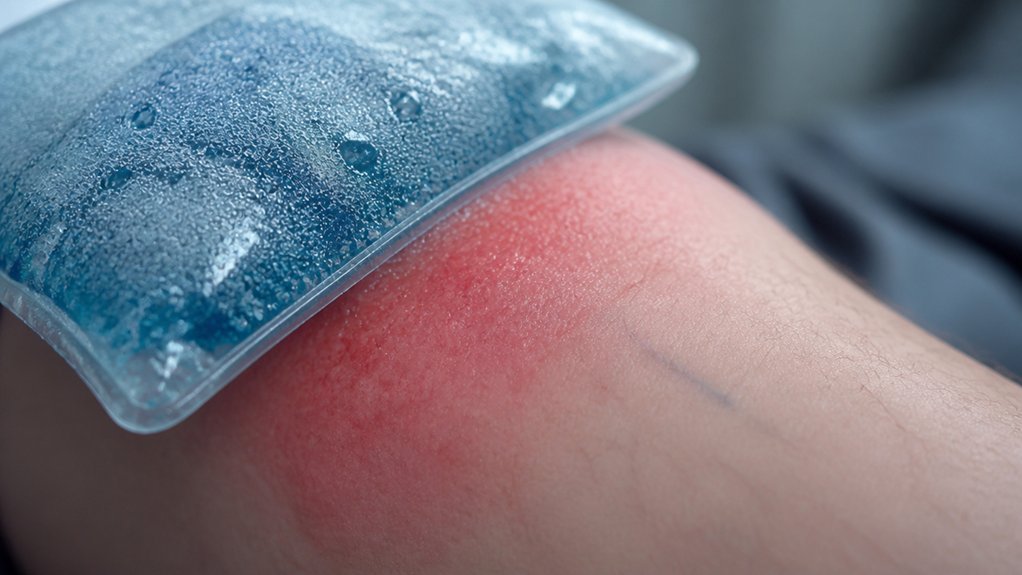
Have you noticed skin turning visibly red or feeling unusually warm after cold therapy? These are signs of excess vasodilation, which can cause a drop in blood pressure and lead to dizziness or fainting.
You might also experience flushing, a sudden warmth sensation, or in severe cases, hypotension with pale, clammy skin and a weak pulse. To manage this, watch for symptoms of vascular tone imbalance, especially after rapid temperature changes.
Elevating the feet about 12 inches can help improve venous return and counteract blood pooling. Avoid abrupt shifts from cold to warm temperatures to prevent excessive vasodilation.
If you notice severe symptoms like fainting or shock, seek emergency care immediately and refrain from eating or drinking until help arrives.
Frequently Asked Questions
Does Cold Therapy Cause Vasodilation?
Yes, cold therapy initially causes vasoconstriction, but after prolonged exposure or rewarming, vasodilation occurs to increase blood flow and prevent tissue damage, especially around 7.9 minutes into immersion.
Is There a Way to Counteract Vasodilation?
Yes, you can counteract vasodilation by promptly applying cold to trigger vasoconstriction, alternating cold with brief warm phases, and using compression garments to support blood vessels. Gradually changing temperatures also helps avoid excessive vasodilation rebound.
Does Vasodilation Happen When You’re Cold?
Yes, vasodilation happens when you’re cold. Your blood vessels initially constrict to preserve heat, but after a while, they widen to restore blood flow, protect tissues, and prevent cold injuries through a natural rebound process.
How Do You Reverse Vasoconstriction?
You reverse vasoconstriction by gradually warming the affected area with gentle heat or warm compresses, which stimulate nitric oxide production, relax blood vessel muscles, and enhance blood flow, preventing vascular stress and promoting safe circulation restoration.