
Cold immersion therapy can boost your focus and attention by activating your sympathetic nervous system, which triggers adrenaline and increases neurotransmitters like norepinephrine, dopamine, and acetylcholine. This results in sharper alertness, better mental clarity, and improved cognitive performance. It also reduces inflammation and enhances neuroplasticity, supporting executive functions like decision-making. To experience these benefits safely, start with short dips and gradually extend your time. Keep exploring for more tips to optimize your cold therapy routine.
How Cold Immersion Can Boost Your Focus and Clarity
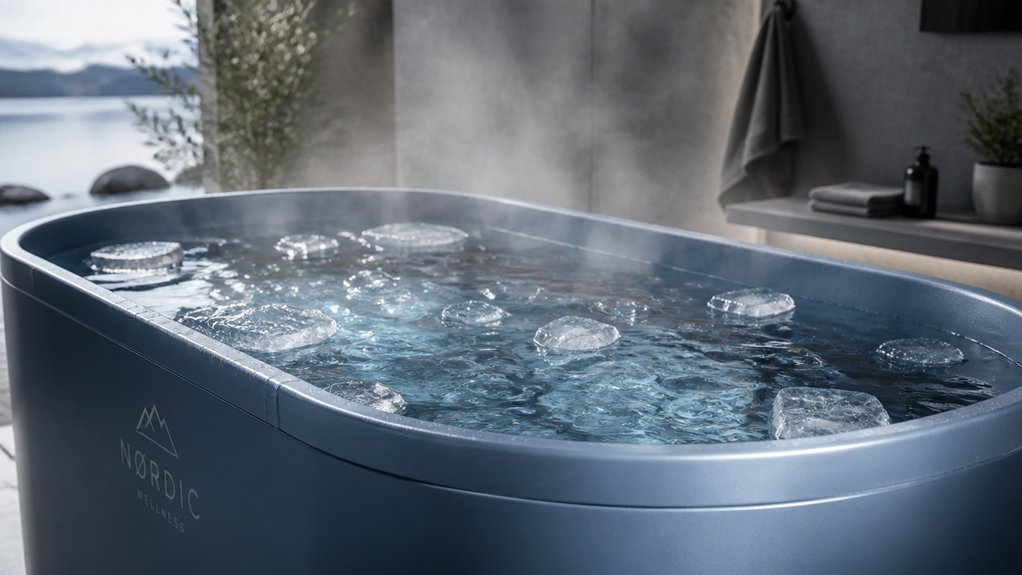
Cold immersion activates your sympathetic nervous system, making you more alert almost immediately. This boost increases norepinephrine, a neurochemical linked to improved focus and mental clarity.
Cold immersion quickly boosts alertness and mental clarity by activating your sympathetic nervous system and increasing norepinephrine levels.
As your brain activity heightens, your concentration sharpens, and your ability to improve focus enhances. Cold water exposure reduces inflammation and boosts brain circulation, which helps your brain process information faster and leads to sharper attention.
Brief cold immersion sessions before tasks can serve as a natural wake-up call, shifting your mindset from distraction to focus and attention efficiently.
Over time, regular cold exposure can also improve your mood and lower stress hormones, further supporting sustained concentration. Combining cold immersion with your work routine creates an ideal neurochemical environment for better focus and clearer thinking.
Safe Ways to Use Cold Plunges to Improve Concentration
To incorporate cold plunges into your routine safely, start gradually and pay attention to your body’s responses. Begin with short immersions, around 30 seconds to 2 minutes, in water temperatures of 50-59°F (10-15°C). This cautious approach helps prevent shock and adverse cardiovascular effects while supporting your focus and concentration. Using insulated tubs and understanding insulation features can also help maintain consistent water temperature and enhance safety. Regular cold exposure can also improve mood and reduce stress hormones, indirectly enhancing attention and focus. To maximize benefits and safeguard your well-being, acclimate gradually and seek medical advice if you have cardiovascular or respiratory conditions. Using cold plunges before mentally demanding tasks can prime neurochemical systems like dopamine and acetylcholine, sharpening your ability to concentrate and fostering sustained attention. Always listen to your body and consult a healthcare professional for personalized guidance.
What Science Says About Cold Therapy and Attention
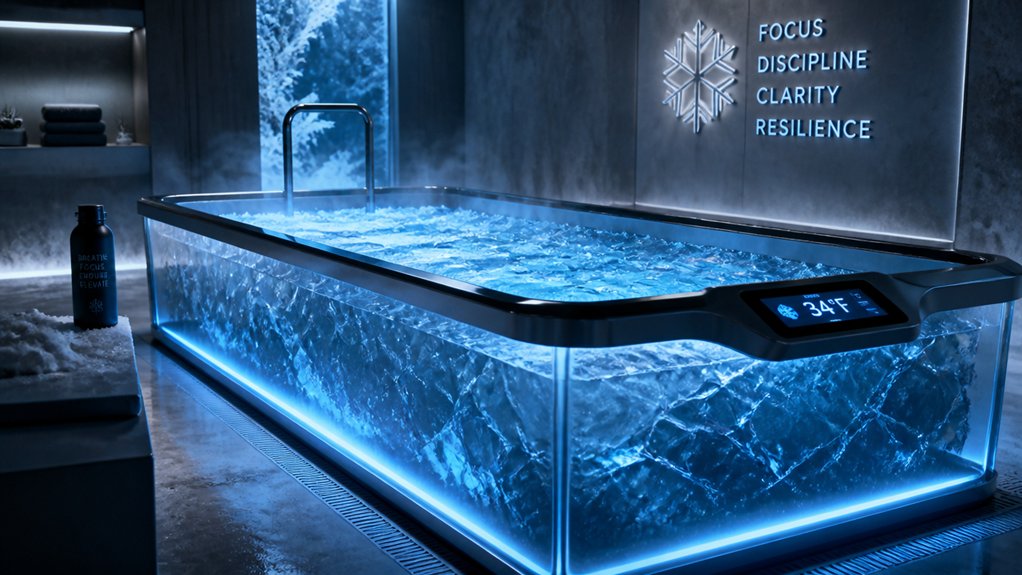
Science shows that cold therapy can boost your focus by triggering an adrenaline rush and increasing neurotransmitter levels like dopamine and acetylcholine, which sharpen attention. It also helps reduce inflammation that can impair cognition and supports brain plasticity, making it easier to learn and adapt. Additionally, incorporating adaptogens into your routine can enhance stress resilience and sustain mental clarity during cold exposure. Keep in mind, cold exposure is most effective when combined with other habits like good sleep and mindfulness for lasting gains.
Cold Exposure Enhances Focus
Exposure to cold triggers a surge in norepinephrine, a neurochemical that sharpens alertness and enhances your focus. Cold exposure activates attention-related neurochemical activity, improving your ability to stay focused. Additionally, brief immersion can support water treatment processes that maintain optimal immersion conditions, ensuring consistent benefits. It also stimulates the prefrontal cortex, which is essential for executive functions like concentration and decision-making. To boost focus effectively:
- Keep cold water immersion brief—around 1 to 3 minutes at 10–15°C (50–59°F).
- Use cold showers to stimulate the sympathetic nervous system, reducing mental fatigue.
- Regular cold exposure may strengthen your resilience to stress, supporting sustained attention during demanding tasks.
Inflammation Reduction Benefits Cognition
Cold therapy not only boosts alertness by activating neurochemical pathways but also offers protection against cognitive decline by reducing systemic inflammation. When inflammation decreases, it helps preserve neural connections and supports neurotransmitter function essential for attention and cognitive function. Chronic inflammation can cause brain processing slowdown, blood vessel injury, and abnormal protein buildup, impairing focus. Incorporating cold therapy, like cold immersion, can mitigate these effects and rewire the brain for better focus. Although direct studies on attention are limited, inflammation reduction benefits cognition overall. You can enhance your focus by adding cold exposure to your routine, working alongside exercise and sleep optimization. Additionally, understanding the role of brain health support in inflammation management can help optimize cognitive resilience.
Brain Plasticity and Cold Therapy
When you incorporate brief cold therapy sessions, such as cold showers or ice baths, your brain responds by activating neurochemical pathways that support plasticity and focus.
Cold exposure triggers the release of norepinephrine, boosting alertness and helping maintain attention. Additionally, it stimulates the sympathetic nervous system, promoting neuroplasticity and strengthening neural circuits involved in cognitive training.
Regular cold therapy can also reduce inflammation and oxidative stress, protecting brain regions responsible for concentration. This process is supported by the use of accurate sensors in fitness trackers, which help monitor physiological responses during cold immersion. This combination of effects suggests you can enhance your ability to stay focused and adapt to new information through cold exposure.
To maximize benefits:
- Include short cold showers during your day.
- Use ice baths strategically for mental resilience.
- Combine with other focus-boosting practices for peak results.
Signs You’re Gaining Benefits or Overdoing Cold Exposure

Ever wonder if you’re reaping the benefits of cold immersion or pushing your body too far? Signs you’re benefiting include improved attention, maintaining focus, heightened alertness, and quicker recovery times. If you notice these, your cold exposure is likely supporting the ability of the brain’s neurochemicals to adapt positively. However, overdoing it can cause prolonged shivering, numbness, mental fog, or excessive fatigue, which indicate stress rather than progress. Monitoring your physical responses helps gauge your limits. Here’s what to watch for:
| Signs of Benefit | Signs of Overdoing |
|---|---|
| Improved attention | Persistent shivering |
| Enhanced focus | Cognitive fog |
| Faster recovery | Excessive fatigue |
| Increased alertness | Numbness |
| Mood stabilization | Delayed warming |
Stay attentive to your body’s signals to optimize your immersion therapy.
Checking for symptoms of overexposure can help prevent adverse effects and ensure you’re safely gaining benefits.
How to Incorporate Cold Plunges Into Your Daily Routine
Incorporating cold plunges into your day can boost mental clarity and focus by activating your body’s arousal systems. Start with brief immersions after workouts or in the morning, gradually increasing duration as you adapt. Always prioritize safety by warming up afterward and avoiding full plunges if you have health concerns. Using a cold plunge tub with temperature control options can help maintain consistent and safe water temperatures during your sessions.
Benefits for Mental Clarity
Adding cold plunges to your daily routine can greatly boost mental clarity by triggering a rush of adrenaline that sharpens focus and increases alertness. This surge helps keep your mind clear and enhances concentration and focus throughout the day. Incorporating deep immersion into your routine can further amplify these effects by engaging more of your body’s sensory input.
Regular cold immersion also helps improve mental health by reducing inflammation and boosting blood flow, supporting faster brain processing. Even just 1-3 minutes can influence your neurochemical environment, promoting sustained attention and decreasing mental fog.
To maximize these benefits:
- Do cold plunges consistently at the same time, like mornings or pre-work.
- Combine with good sleep and mindfulness for holistic support.
- Gradually increase exposure to adapt your nervous system.
Incorporating cold plunges helps keep your mind sharp, assisting your focus and overall well-being.
Safe Cold Plunge Practices
To safely incorporate cold plunges into your routine, start by limiting sessions to 1 to 3 minutes at temperatures between 50°F and 59°F (10°C to 15°C). Avoid prolonged exposure to prevent hypothermia or shock.
Gradually acclimate by beginning with shorter durations or cooler showers before full immersion, which helps reduce stress and cardiovascular strain. It’s beneficial to perform cold plunges after aerobic exercise per week, as they can boost adrenaline and dopamine, enhancing your ability to maintain focus and stay present in the moment.
Always monitor how your body responds and avoid cold plunges if you have heart conditions, uncontrolled blood pressure, or respiratory issues without consulting health care.
Consistent routines, spaced several times weekly, improve mental clarity, alertness, and stress resilience.
Risks and Precautions When Using Cold Therapy for Focus
While cold therapy can boost focus for some individuals, it also carries notable risks if not used carefully. Cold immersion therapy can cause sudden blood vessel constriction and increased heart rate, which is risky if you have cardiovascular conditions like heart disease or hypertension.
Prolonged exposure might lead to hypothermia or numbness, impairing cognitive function and concentration instead of helping it. Additionally, cold therapy can trigger stress hormone release, such as cortisol, which may negatively affect your focus and attention if excessive.
To minimize risks:
- Limit cold exposure to under 10 minutes and keep water between 50-60°F (10-15°C).
- Avoid cold therapy if you have underlying cardiovascular issues without consulting a healthcare professional.
- Always monitor your body’s response and stop immediately if you experience discomfort or adverse symptoms.
Extra Techniques to Maximize Cold Immersion Benefits
Incorporating additional techniques alongside cold immersion can greatly enhance its cognitive benefits.
Focusing attention becomes sharper when you combine cold exposure with controlled breathing exercises, shown to rewire your relaxation response and increase mental clarity. Adding mindfulness meditation before or after sessions helps balance neurochemicals, further boosting focus.
Gradually increasing immersion duration over weeks allows your brain to adapt, optimizing dopamine and acetylcholine release linked to concentration gains. Using training games designed for cognitive enhancement can help you feel more engaged and improve your attention span.
Additionally, integrating 40 Hz binaural beats during cold immersion may synergistically elevate dopamine levels, supporting stronger focus and mental performance. Together, these techniques reinforce each other, maximizing the mental benefits of cold therapy.
Real-Life Success Stories: Cold Therapy and Better Concentration
Many individuals have discovered that regular cold therapy can greatly boost their focus and mental clarity. Short exposure sessions, like 2-3 minutes of cold water immersion, can improve your ability to pay attention and sustain focus.
For example, athletes often use cold showers before practice to sharpen attention on the present, boosting motivation and mental alertness. Others report that consistent cold therapy reduces brain fog, leading to clearer thinking and better short-term memory.
Here’s how cold therapy helps:
- Triggers an epinephrine surge, increasing energy and focus.
- Enhances neurochemical balance, supporting sustained attention.
- Reduces inflammation, improving overall mental clarity.
These stories highlight cold immersion as a practical tool for better concentration and cognitive performance.
Frequently Asked Questions
How to Naturally Increase Focus and Attention?
To naturally increase your focus and attention, practice daily mindfulness, engage in single-task exercises, exercise regularly, get sufficient sleep, and minimize digital distractions by time-blocking tasks and avoiding multitasking. These habits sharpen your mental clarity over time.
What Is the Huberman Protocol for Focus?
The Huberman Protocol for focus involves a gradual “warm-up” of chemicals like dopamine, acetylcholine, and epinephrine, aligning sessions with ultradian rhythms, using binaural beats, practicing meditation, and ensuring quality sleep to enhance sustained attention effectively.
What Therapy Helps With Focus?
You can improve focus through immersion therapy, like VR cognitive training, which engages you in focused, multisensory environments. It reduces distractions, enhances neuroplasticity, and, when combined with mindfulness or exercise, greatly boosts your concentration.
What Activities Increase Focus and Attention?
You can boost your focus and attention by practicing single-task exercises like reading, doing brain games for 15 minutes daily, meditating for a few minutes, exercising regularly, and spending time outdoors or around plants to reduce stress and refresh your mind.