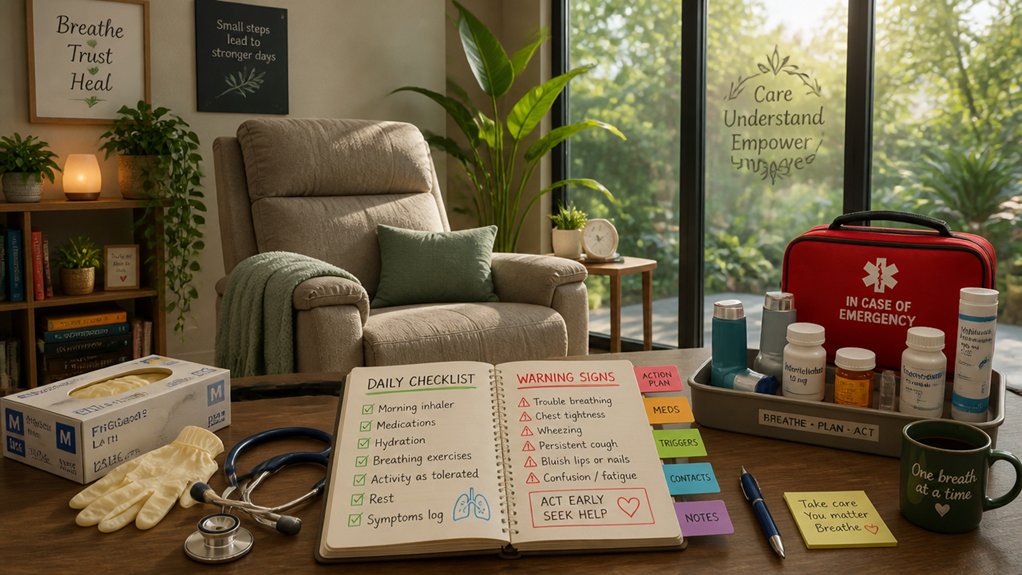
Before you plunge, make sure you have no severe heart disease, uncontrolled hypertension, Raynaud’s, asthma, or thermoregulation problems, because any of these can trigger cardiac events, tissue damage, bronchospasm, or hypothermia. Screen for cold intolerance, recent surgery, psychiatric instability, seizures, and pregnancy, and avoid ice baths if you have a fever or acute illness. Keep exposure short, stay under professional supervision, and warm up gradually afterward with gentle stretching and hydration. Continuing will reveal the full step‑by‑step protocol.
Identify Contraindications for Ice Baths
If you have severe cardiovascular issues—like uncontrolled hypertension, arrhythmias, or a recent heart attack—skip the ice bath, because the sudden cold can trigger dangerous cardiac events.
You should also steer clear if you have cold hypersensitivity, such as Raynaud’s disease, since vasoconstriction may worsen symptoms and cause tissue damage.
Vascular disease or peripheral circulation problems are other contraindications; extreme exposure can lead to ischemic injury.
Respiratory conditions like cold‑induced asthma demand caution because the chill can provoke bronchospasm.
Impaired thermoregulation or sensory neuropathies also pose risks, as you mightn’t sense excessive cold, increasing frostbite or hypothermia danger.
Recognizing these health constraints lets you practice safe therapy and adopt appropriate safety behaviors before considering any ice‑bath routine.
Before attempting any ice‑bath routine, consult with a healthcare professional to ensure you understand cardiovascular risk and its implications.
Apply Key Precautions Before Your First Ice Bath
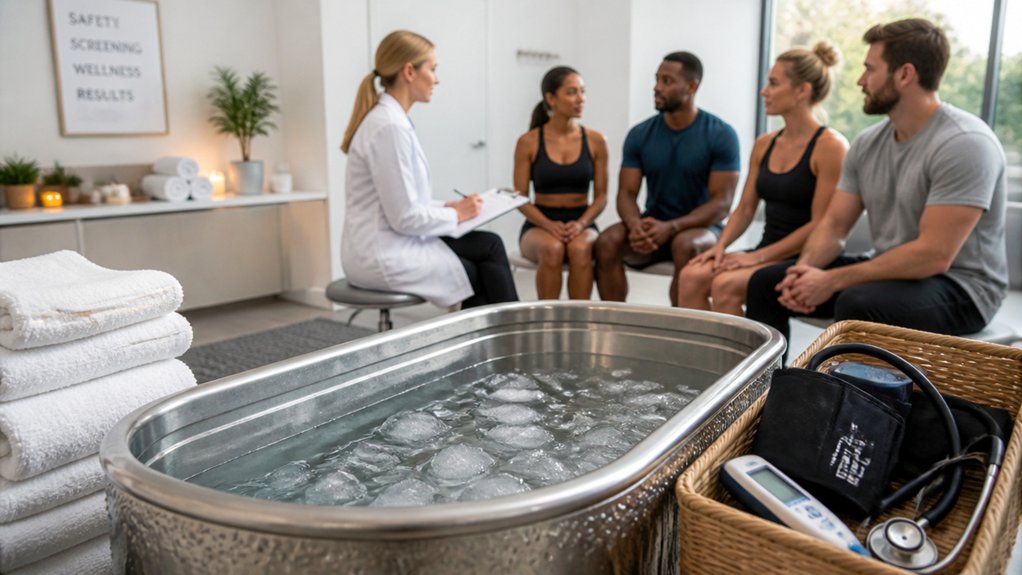
After identifying the health conditions that make ice baths unsafe, you now need to take concrete steps before your first plunge. Start with thorough screening for cold intolerance, Raynaud’s, and any cardiovascular issues.
Screen for cold intolerance, Raynaud’s, and cardiovascular issues before your first ice bath.
Keep risk management front‑and‑center: limit exposure time, monitor physical sensations, and have a qualified professional present. Use progressive exposure to let your body adapt, and never skip supervision.
- Verify you’re free of severe heart disease or uncontrolled hypertension to avoid adverse cardiac events.
- Confirm you’re not battling a fever, infection, or acute illness.
- Check for Raynaud’s, peripheral neuropathy, or previous cold‑related injuries.
- Conduct a brief cold‑tolerance test under professional supervision.
- Begin with a 30‑second immersion, gradually increasing duration over multiple sessions.
Important concept Ensure you understand the importance of supervision and progressive exposure when starting any cold therapy regimen.
Ask These Screening Questions to Spot Hidden Risks

Where are the hidden risks that could make therapeutic exposure unsafe? Before you start graded exposure therapy for PTSD, ask about any acute illness that’s moderate or severe—deferring until you improve.
Screen for psychiatric instability: active suicidality, psychosis, mania, or severe dissociation are clear contraindications to exposure therapy for PTSD.
Inquire about recent major surgery or anesthesia, as they may temporarily impair immune or neurological function.
Probe personal or family seizure history; heightened seizure risks demand careful monitoring during intense trauma memory work.
Finally, confirm pregnancy status because physiological stress or biologically based interventions could jeopardize safety.
These targeted questions let you spot hidden risks early, ensuring the exposure proceeds safely and effectively. DTX experiences
Should I Skip an Ice Bath When I’m Sick? Managing Illness and Medications
Should you skip an ice bath while you’re sick? If you have an acute illness—especially with fever or systemic symptoms—pause exposure until you feel better.
Illness can disrupt physiological regulation and amplify symptom severity, while certain drugs, like immunosuppressive medications or antivirals, may interact with cold stress. Good medication management means checking with your provider before resuming ice baths, because adverse reactions can worsen immune suppression.
- Defer ice baths during moderate‑to‑severe acute illness.
- Consult a clinician if you’re on immunosuppressive medications.
- Monitor symptom severity; mild colds may allow a brief, controlled exposure.
- Prioritize physiological regulation over therapeutic goals.
- Re‑evaluate after fever subsides and you’ve completed medication adjustments.
Important medical caution is essential when considering whether to resume ice baths after illness.
Follow Post‑Plunge Practices for Safe Ice Bath Recovery
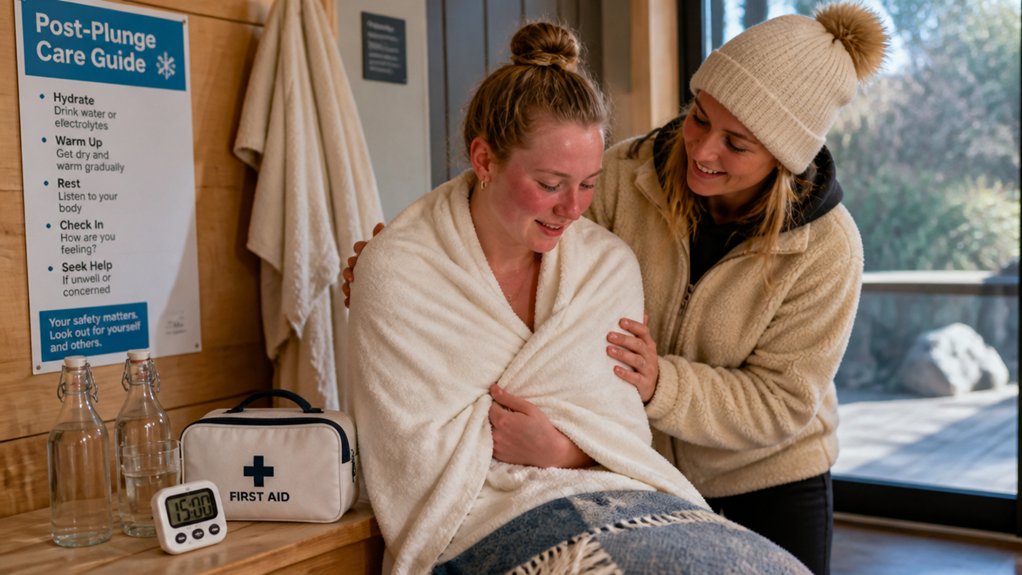
When you finish an ice bath, start rewarming gradually with warm towels or a blanket rather than a hot shower, because sudden temperature spikes can shock your system. Light movement and gentle stretching keep circulation flowing while you monitor anxiety and stress responses. Use relaxation techniques—deep breathing, progressive muscle relaxation—to calm the nervous system, especially if the plunge feels like a feared situation. Avoidance behaviors can surface, but staying present supports exposure therapy and reduces post‑traumatic stress disorder risk. Keep hydrated, rest, and wait 20‑30 minutes before intense activity; this clinical window stabilizes cardiovascular function and aligns with prolonged exposure therapy principles. Datacolor Spyder Pro features for professional color management can inspire a structured approach to calibrating recovery environments, ensuring consistent lighting conditions in recovery spaces professional color management.
| Step | Action |
|---|---|
| 1 | Warm towels/blanket |
| 2 | Light stretch |
| 3 | Deep breathing |
| 4 | Hydration |
| 5 | 20‑30 min rest |
Frequently Asked Questions
What Are Precautions and Contraindications?
You should see precautions as conditions that raise risk, requiring careful benefit‑risk assessment, while contraindications are specific situations—like severe psychiatric instability or unsafe environments—where exposure must be avoided.
What Are the 4 Conditions of Exposure Therapy?
You need a safe, controlled setting; moderate fear (SUDS 40‑60); sustained contact for habituation; and a violation of negative expectations that shows feared outcomes are manageable or don’t occur.
What Are the 5 Types of Exposure?
You have five exposure types: in‑vivo, where you face real fears; imaginal, where you visualize them; virtual‑reality, using simulated environments; interoceptive, inducing bodily sensations; and ERP, resisting compulsions.
What Is a Therapeutic Contraindication?
A therapeutic contraindication is any condition—like severe instability, active psychosis, acute suicidality, or intense dissociation—that makes exposure therapy unsafe for you, so you must postpone treatment until it resolves.
In Summary
By respecting contraindications, screening for hidden risks, and following pre‑ and post‑plunge protocols, you’ll keep ice‑bath therapy safe and effective. If you’re sick or on certain meds, skip it until you’re cleared. Stay vigilant, listen to your body, and enjoy the chill without compromising health.