To boost athletic performance, start cold acclimation protocols by immersing in water at 10–15°C for 10–15 minutes immediately after workouts, gradually increasing duration as tolerated. Incorporate cold plunges 3–4 times weekly, and combine passive and active exposures for better circulation and mitochondrial efficiency. Avoid overexposure and monitor your body for signs of hypothermia. Consistent, personalized cold exposure routines can maximize benefits, and if you continue exploring, you’ll discover how to optimize them for your goals.
Why Cold Acclimation Boosts Athletic Performance
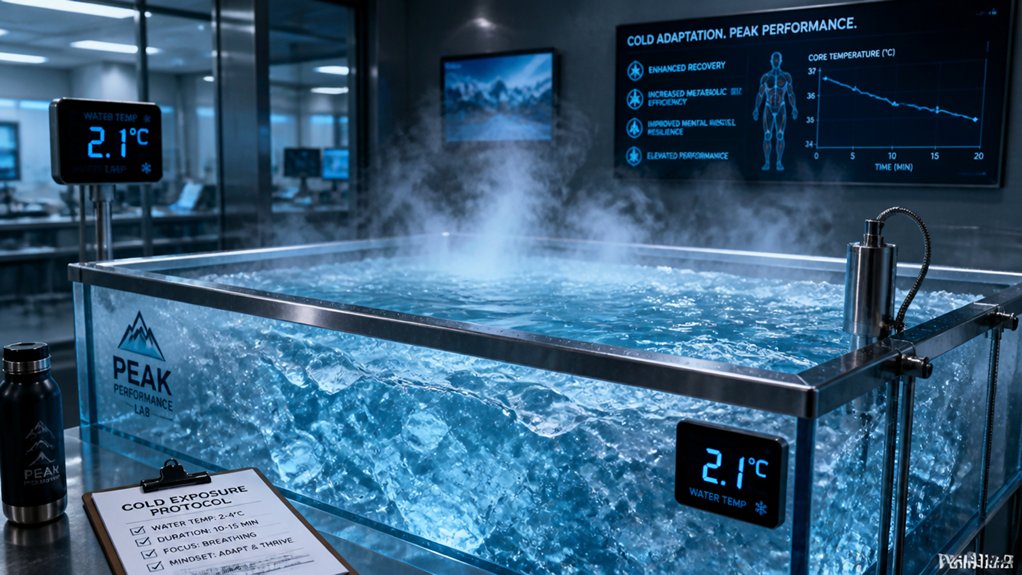
Cold acclimation enhances athletic performance because it triggers physiological adaptations that improve your body’s response to cooler temperatures. Through cold exposure, your peripheral blood flow increases, improving cold-induced vasodilation, which helps maintain muscle temperature and keeps you performing at your best in cold conditions. A well-designed foam roller routine can also aid in muscle recovery and preparation, further supporting adaptation to cold environments. Additionally, cold acclimation boosts mitochondrial efficiency, enabling your muscles to generate energy more effectively. This adaptation also enhances exercise economy by reducing the effort needed to sustain activity, especially in cooler environments. As a result, you may experience less perceived exertion, allowing you to sustain higher intensities for longer periods. These changes collectively prepare your body to handle variable temperatures better, making cold acclimation a valuable tool for athletes seeking to maximize performance in diverse weather conditions.
When and How Long to Cold Down for Optimal Results
Have you wondered when the best time to cold down after exercise is to maximize recovery and adaptation? The ideal window is within the first 30 minutes post-exercise, when recovery cooling can most effectively enhance heat dissipation and lower core temperature.
Aim for 10 to 20 minutes using methods like cold water immersion or ice packs to boost recovery and reduce physiological strain after heat acclimation sessions. Prolonging cold exposure beyond 20 minutes risks blunting heat adaptation responses, so balance is key.
Integrating cold down strategically helps minimize muscle soreness and cardiovascular stress without compromising heat acclimation. Proper chiller sizing ensures consistent plunge temperatures and an effective recovery process. Adjust the duration based on your tolerance and environment to prevent hypothermia and guarantee peak heat adaptation benefits.
Step-by-Step Guide to Cold Plunge and Ice Bath Protocols
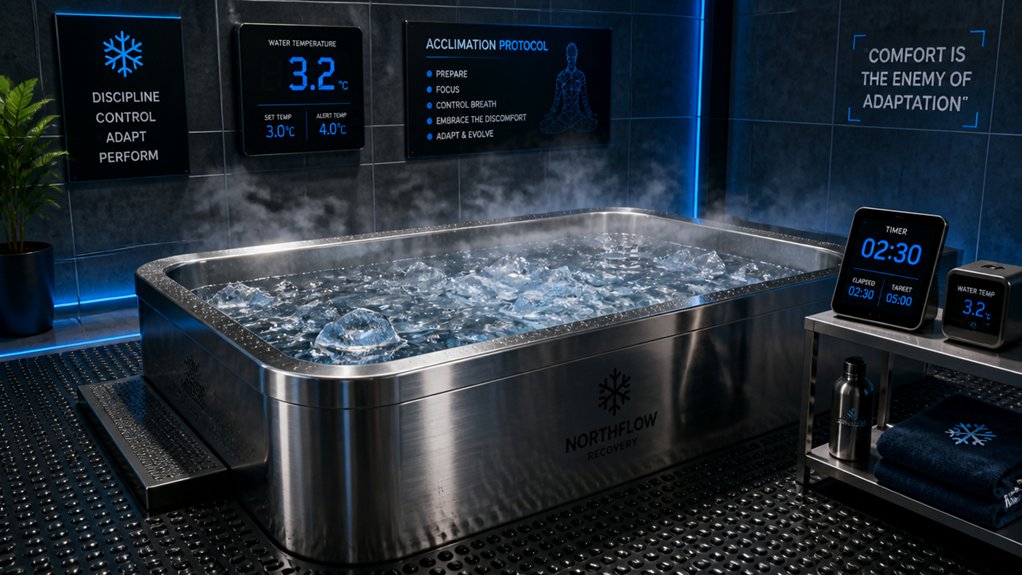
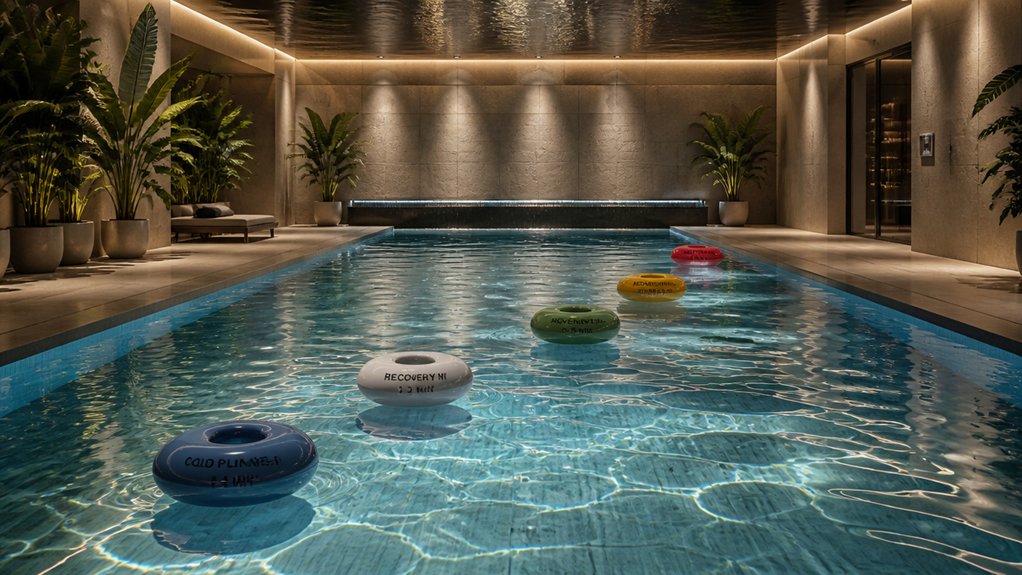
To effectively incorporate cold plunge or ice bath protocols into your recovery routine, start by selecting a temperature between 10°C to 15°C and prepare a suitable immersion container. Fill it with cold water, and optionally add ice, ensuring full body coverage if possible.
Submerge yourself for 10 to 15 minutes immediately after exercise to maximize benefits in reducing inflammation and supporting muscle recovery. Begin with shorter durations if you’re new, gradually increasing as your tolerance develops. Avoid exceeding 20 minutes to prevent adverse effects.
Time your cold plunge within 30 minutes of training to optimize results. Remember, consistency across training cycles enhances soreness reduction and performance.
Always monitor your tolerance to avoid cold stress or hypothermia, and schedule sessions away from heat training periods for effective cold immersion.
How to Integrate Cold Therapy Into Your Training Plan
To effectively integrate cold therapy into your training plan, you’ll need to take into account the timing, choosing ideal moments for recovery without hindering heat acclimation.
Selecting the right cold techniques—such as cold plunges or ice packs—and pairing them with your workout phases is key.
Using portable cold plunge tubs with precise temperature control can optimize your recovery sessions and enhance performance.
Timing of Cold Therapy
Integrating cold therapy into your training plan requires careful timing to maximize recovery benefits without hindering heat adaptation.
Ideally, you should apply cold therapy after heat acclimatization sessions or intense heat exposure to promote recovery without interrupting the heat stress signals essential for adaptation. Scheduling cold therapy immediately before or during heat training can lower core temperature prematurely, reducing the stimulus needed for effective heat acclimatization.
During a two-phase heat acclimation protocol, passive cold therapy fits best during maintenance, with intensified heat exposure in the final days before competition to enhance heat adaptation.
Planning cold therapy on lower load or recovery days helps prevent excessive physiological stress, ensuring your body can adapt properly while maintaining heat tolerance.
Additionally, utilizing proper water temperature control—such as precise chillers and insulation—can help regulate core temperature effectively without disrupting the acclimation process.
Types of Cold Techniques
Different cold therapy techniques offer versatile options for enhancing recovery and managing heat stress during training. Cold water immersion, typically lasting 10–15 minutes at 10–15°C, helps reduce inflammation and muscle soreness after workouts.
Pre-cooling methods, such as cold towels or ice vests, lower core temperature before heat training, delaying heat strain. Contrast water therapy, alternating between cold and warm water, boosts circulation and speeds recovery, especially post high-intensity or heat-acclimation sessions.
Incorporating cold exposure on recovery days or after heat training minimizes cardiovascular strain and supports heat adaptation. However, timing is key—excessive or poorly timed cold therapy can blunt heat adaptation responses. Use these techniques strategically to optimize recovery and heat acclimation without impeding your progress. Properly designed cold plunge tubs can offer consistent, controlled cold exposure for effective acclimation.
Integration Strategies
Effective integration of cold therapy into your training plan requires careful scheduling to guarantee it supports, rather than hinders, heat adaptation.
Cold water immersion can be used after heat acclimation sessions to aid recovery and reduce inflammation without impairing heat adaptation if timed appropriately. It’s best to space cold therapy sessions several hours apart from heat exposure to prevent blunting heat-induced physiological changes.
Incorporate cold water immersion or ice baths on low-intensity or rest days during heat acclimation to optimize muscle recovery without sacrificing heat tolerance gains. Limit cold therapy sessions to 10–15 minutes at around 10–15°C, especially during critical heat adaptation periods.
Using temperature regulation features like rapid heat and cold adjustment in percussion massagers can further enhance recovery protocols, ensuring precise control over therapy sessions. Personalize your protocols, balancing workload and recovery, to maximize both heat acclimation benefits and overall performance.
How to Monitor Your Response and Stay Safe During Cold Exposure
To stay safe during cold exposure, you need to monitor your core and skin temperatures closely to catch early signs of hypothermia. Pay attention to symptoms like shivering or confusion, and use heart rate data to spot any cardiovascular issues. A blood oxygen level can also provide valuable insight into your body’s response, as cold stress can impact circulation and oxygen saturation. Always have an emergency plan in place and adjust your clothing and duration based on how you feel.
Track Body Temperature Regularly
Monitoring your core body temperature during cold exposure is essential for staying safe and optimizing performance. By tracking your body temperature, you can detect early signs of hypothermia and prevent performance decline.
Use ingestible sensors or skin-mounted thermistors at standardized sites to get accurate readings of internal and peripheral temperature changes. This continuous monitoring helps you adjust exposure duration and intensity, avoiding excessive heat stress or cold-related risks.
Combining temperature data with subjective symptoms and environmental conditions provides a thorough cold stress management strategy. An athlete would also establish baseline temperature responses to cold, then monitor deviations during training to optimize safety and acclimation.
Staying vigilant about body temperature guarantees safe cold exposure and supports your performance goals.
Recognize Cold-Related Symptoms
Keeping an eye on your body’s response during cold exposure helps prevent serious cold-related health issues. Pay attention to cold-related symptoms like shivering, numbness, tingling, and difficulty with dexterity, which signal your core temperature is dropping.
Watch for signs of hypothermia, such as uncontrollable shivering, slurred speech, confusion, and extreme fatigue—these require immediate warming and medical help. Observe your skin color for changes like paleness, blue tint, or waxy appearance, especially on fingers, toes, ears, and nose, as indicators of frostbite.
Continuously monitor your thermal comfort and perceived exertion; feeling overly cold or uncomfortable can increase risk. Utilize wearable temperature sensors or check skin and finger temperatures regularly to detect cold stress early, helping keep you safe during acclimation. Sensor latency can delay temperature readings, so selecting devices with quick update intervals improves safety.
Ensure Proper Emergency Plans
Having a well-structured emergency plan is essential for staying safe during cold exposure. You should continuously monitor core temperature and heart rate to catch early signs of hypothermia or cardiovascular strain, which can impair athletic performance.
Guarantee immediate access to trained athletic trainers or medical personnel to recognize and treat cold-related emergencies like frostbite, hypothermia, or cold syncope. Use environmental indexes like WBGT to assess cold risk, adjusting exposure time and clothing accordingly.
Your emergency plans must include rapid access to warm, sheltered environments and provisions for gradual rewarming of affected athletes. Educate athletes to self-monitor for symptoms like numbness, confusion, or dizziness, and stress the importance of prompt reporting for effective intervention.
These steps are critical for ensuring safety during cold exposure.
Adapting Cold Protocols for Different Fitness Levels and Goals
Adapting cold protocols to match individual fitness levels and specific goals is essential for safe and effective acclimation. If you’re building your training, start with shorter, less intense cold exposure sessions to prevent undue stress, especially if your fitness level is lower.
As your tolerance improves, gradually increase the duration and intensity of cold exposure to enhance performance in cold environments. Athletes aiming for better cold tolerance in performance settings should incorporate repeated exposures over 1–2 weeks, combining passive methods like cold water immersion with active training.
Higher fitness individuals can carefully integrate cold acclimation with heat adaptation, scheduling sessions during lighter training days. Monitoring responses, such as shivering and thermal comfort, guides personalization for peak results and safe progression.
Practical Tips for Making Cold Exposure Part of Your Routine
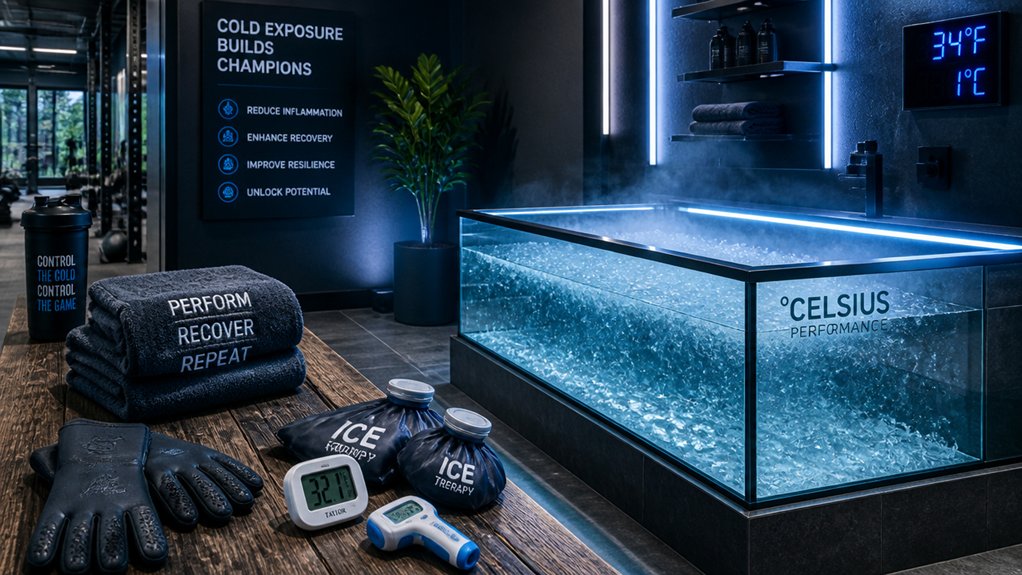
Wondering how to incorporate cold exposure effectively into your routine? Start slowly with brief cold showers or ice baths (1–3 minutes) and gradually increase duration over 1–2 weeks to build tolerance safely.
Combine cold exposure with breathing control and relaxation techniques to stay comfortable and enhance physiological adaptation during sessions. Consistency is key—aim for at least 3–4 times per week to sustain improvements like better circulation and reduced inflammation.
Schedule your cold sessions post-exercise for enhanced recovery benefits, but watch for any negative effects on muscle performance or soreness. Always guarantee gradual re-warming and avoid prolonged exposure to prevent hypothermia.
Tailor the intensity and duration to your individual response and training demands for safe, effective results.
Frequently Asked Questions
What Is the 20 Rule for Acclimatization?
You follow the 20 Rule by increasing your heat exposure duration by 20 minutes daily over 1-2 weeks, starting with 20 minutes and reaching up to 120 minutes. This helps you safely build heat tolerance and enhance performance.
What Is the Best Way to Improve Athletic Performance?
To improve athletic performance in heat, you should follow a 7–14 day heat acclimation protocol, combining active and passive methods, scheduling during moderate training load, and maintaining adaptations with intermittent exposure for ideal results.
What Should an Athlete Consume 2-4 Hours Before an Event?
You should eat a balanced, easily digestible meal focusing on carbohydrates and moderate protein, and hydrate well with water or electrolytes. Avoid high-fat and high-fiber foods to prevent gastrointestinal issues and optimize energy and fluid balance before your event.
How Do Pro Athletes Recover so Quickly?
You recover quickly by following optimized heat acclimation protocols that reduce cardiovascular strain, enhance thermoregulation, and improve sweat responses, all scheduled strategically during training. Regular passive heat exposure also helps maintain these adaptations for faster recovery.