
Pick a plunge tub that holds a steady 50‑60°F and keep it filtered, so the water stays clean and safe. Start with 30‑second sessions, breathing deep through your nose—inhale for four counts, exhale for six—then fully exhale before you step in to avoid gasps. Use a smooth, relaxed entry and hum on the exhale underwater to boost nitric oxide and calm nerves. Gradually add 30‑second increments each week until you reach 3‑5 minutes, and you’ll keep building resilience while enjoying the mood‑lifting, anti‑inflammatory benefits. Keep going to discover more advanced tricks.
What an Ice Plunge Is and Why It Works

When you step into an ice plunge—cold water usually ranging from 50°F to 60°F—you’re triggering a cascade of physiological responses that make the practice effective. The cold plunge forces your body into vasoconstriction, narrowing blood vessels and shunting blood toward core organs.
Within minutes, a rebound vasodilation floods muscles with fresh blood, flushing inflammation and delivering nutrients. Controlled breathing during the ice bath activates the parasympathetic nervous system, calming the nervous system and lowering cortisol.
Simultaneously, cold water immersion spikes norepinephrine and endorphin release, sharpening mood and pain tolerance. Repeating this stimulus builds resilience in your nervous system, supporting fat loss, immune function, and faster recovery while keeping the experience safe and manageable. IPX7 waterproof properties in gear can enhance safety during wet conditions.
Choose the Right Tank and Keep the Water Clean
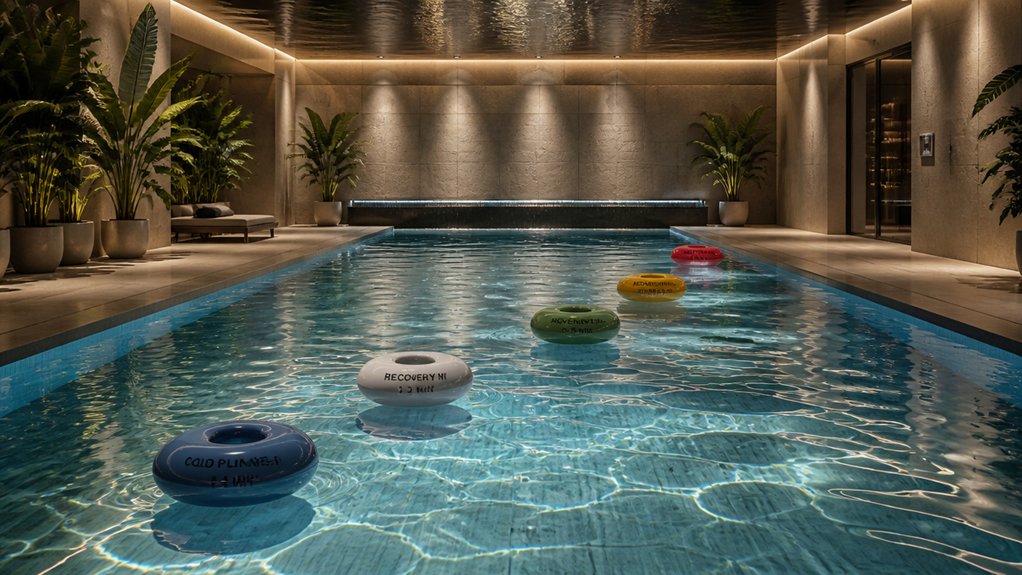
A Plunge tub works well for frequent sessions because it holds a stable temperature range and often includes built‑in filtration. For added peace of mind, consider upgrading to a compatible filtration system with long‑lasting components and an eco‑friendly design to support a sustainable routine. long‑lasting components
Master Your Breathing Before You Dive Into an Ice Plunge

Even before you step into the icy water, a focused breathing routine can calm your nervous system and sharpen your mind. Start with deep nostril breathing, inhaling for a count of four and exhaling for six, for two to three minutes. This breathwork resets focus, steadies blood flow, and primes the parasympathetic nervous system for cold exposure.
Next, do two to three rounds of ten breath cycles: inhale through the nostrils, then hum on the exhale to boost nitric oxide. Finish each round with a comfortable breath‑hold, deepening relaxation before you plunge.
When you enter the cold plunge, exhale fully and step in within three to four seconds, preventing panic gasps. Keep nasal breathing relaxed during immersion; controlling your breathing calms your nervous system and supports both mental and physical resilience. Additionally, ensure your lighting setup is stable and well-positioned so you can monitor your form and breathing cues during practice, using a reliable ring light stability to maintain consistent visibility.
Start Short Sessions, Then Extend Time
Because your body needs time to adapt, begin with ice plunges that last only 30 seconds to a minute. You’re new to cold plunges, so start short sessions and let your nervous system adjust before you gradually increase immersion time. Use cold showers daily, extending each bout by 30 seconds to a minute until you can tolerate three to five minutes. This measured approach maximizes the benefits of cold therapy while minimizing shock and injury risk.
| Phase | Duration | Goal |
|---|---|---|
| Intro | 30 s–1 min | Build tolerance |
| Progress | +30 s–1 min weekly | Strengthen nervous system |
| Advanced | 3–5 min | Release full cold‑plunge benefits |
Apply Simple Mind‑Body Hacks to Calm Ice‑Plunge Shock

After you’ve built basic tolerance with short sessions, the next step is to tame the sudden shock that hits when you first hit the ice. You can do this with a few mind‑body hacks that keep your nervous system steady, your blood flowing, and your breath under control. Deep breathing: 2‑3 minutes of slow nostril inhalations followed by longer exhalations steadies the nervous system before you submerge. Breath hold: On the final exhale, hold your breath comfortably to create a relaxed, suspended state that softens cold shock. Smooth entry: Immerse yourself within 3‑4 seconds while fully exhaling, preventing gasps and encouraging nasal breathing. Nasal focus: During the first minute, keep nasal breathing and calm mental focus to blunt the shock response. Humming: Hum on prolonged exhalations to boost nitric oxide, improving oxygen uptake and soothing the nervous system while your body is submerged. Mind-body techniques can also help you maintain steady breathing and reduce initial tension as you acclimate to the cold.
Frequently Asked Questions
How Long Should a Beginner Go in a Cold Plunge?
You should start with 30 seconds to a minute, then gradually extend each session over weeks until you comfortably reach two to five minutes, always listening to your body and stopping if you feel extreme discomfort.
What Is the Best Cold Plunge Routine for Beginners?
Start with 30‑second to 1‑minute plunges at 50‑60°F, 2‑4 times weekly. Gradually add 15‑30 seconds each session, aiming for 5 minutes after 3‑4 weeks, while breathing steadily and monitoring comfort.
What to Know Before Your First Cold Plunge?
You should check health conditions, start with 30‑second to one‑minute immersions at 50‑60°F, practice controlled nasal breathing, fully submerge ears and neck, wear warm clothes afterward, and avoid hot showers immediately.
Can Ice Baths Help With Lipedema?
Yes, ice baths can ease lipedema symptoms by reducing inflammation, soothing pain, and encouraging lymphatic flow, but they won’t cure the condition—start gradually, monitor your response, and consult your doctor.
In Summary
By now you’ve got the basics: pick a clean tank, master your breath, start with brief dips, and use mind‑body tricks to ease the shock. Stick to these steps, stay consistent, and you’ll release the circulation boost, mood lift, and resilience that ice plunges deliver. Keep pushing your limits safely, and the benefits will keep flowing in.