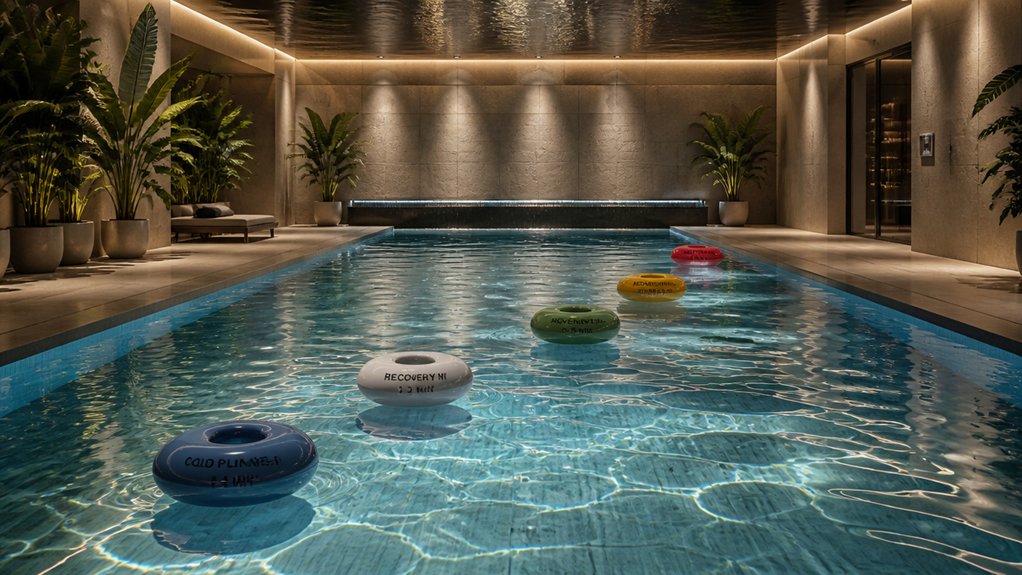
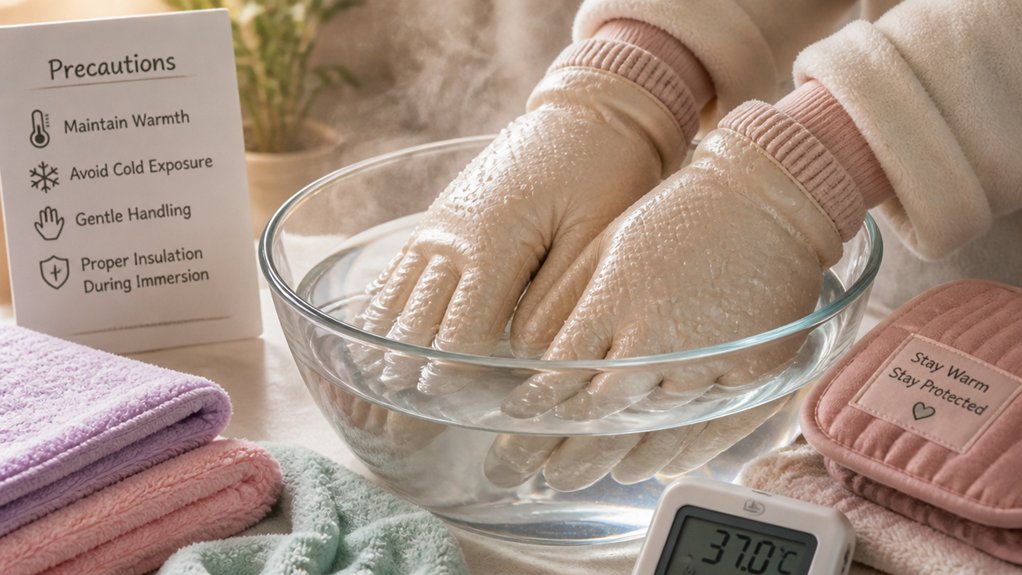
To protect yourself during cold immersion with Raynaud’s, keep water temperatures between 15°C and 20°C and test the water on unaffected skin first. Start with brief immersions of 15-30 seconds and gradually increase your time, watching for symptoms like numbness or white fingers. Warm your extremities beforehand and after, using gloves, socks, or lukewarm water. Pay close attention to early signs, stop immediately if you feel discomfort, and learn more ways to stay safe.
Why Cold Exposure Can Trigger Raynaud’s Attacks
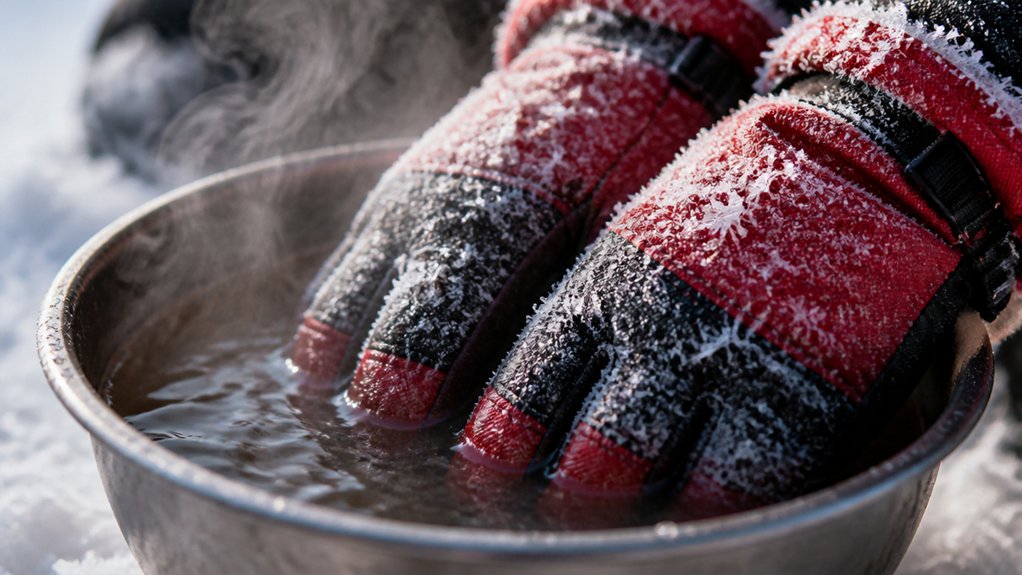
Cold exposure triggers Raynaud’s attacks because it causes the tiny blood vessels in your fingers and toes to constrict excessively. When you’re exposed to cold, your blood vessels react by narrowing to conserve heat, but in Raynaud’s, this response becomes exaggerated. The sympathetic nervous system prompts this constriction, leading to reduced blood flow. As a result, your extremities turn white or blue, signaling oxygen deprivation from restricted blood circulation. Sudden or prolonged cold contact, such as touching cold objects or moving into chilly environments, worsens these spasms. If cold exposure continues, tissue damage can occur. Understanding the role of vascular constriction helps you understand why managing exposure is essential to preventing these painful, color-changing attacks.
Know Your Safe Water Temperature Before You Start
How can you guarantee safe water temperatures for immersion if you have Raynaud’s? First, know that the safe water temperature ranges between 15°C to 20°C (59°F to 68°F). Staying within this range helps maintain adequate blood flow and reduces vasoconstriction, lowering attack risk.
Avoid water colder than 15°C (59°F), as it can cause strong blood vessel constriction, leading to pain, numbness, or tissue damage. Always test the water on unaffected skin first to prevent sudden temperature drops that might trigger Raynaud’s episodes. Additionally, selecting high-powered chillers designed for precise temperature control can help maintain safe water levels consistently.
Monitor your symptoms closely during immersion; if your fingers or toes turn white or become painful, immediately warm them to prevent prolonged ischemia. Understanding and maintaining a safe water temperature is essential for safe, effective cold exposure.
Start With Short Cold Immersions and Gradually Increase Time
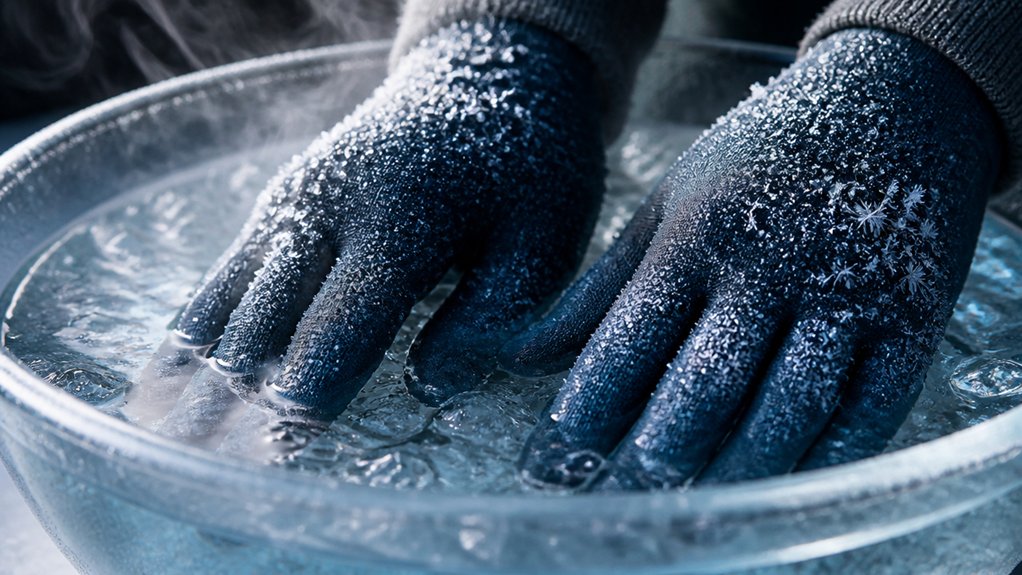
Starting with brief immersion sessions is key to safely introducing cold exposure if you have Raynaud’s. Begin with cold water immersions lasting just 15-30 seconds to let your blood circulation and vessels adapt gradually.
Pay close attention to how your fingers and toes respond; they might turn white, numb, or feel painful. Once comfortable, slowly increase the time by 10-15 seconds per session over days or weeks, allowing your vessels to adjust without severe attacks.
Between cold immersions, use lukewarm water to help restore circulation and prevent prolonged vasoconstriction. Remember, patience is essential. If you experience concerning symptoms, consult a healthcare provider or cold therapy specialist to create a personalized plan suited for your condition.
Keep Your Hands and Feet Warm Before and After Cold Water
Warming your hands and feet thoroughly before cold water immersion is essential to reduce the risk of excessive blood vessel constriction. Start by ensuring your extremities are hands and feet warm to promote circulation.
To do this:
- Use warm water or mittens to gently warm your hands and feet.
- Keep your extremities dry and avoid sudden exposure to cold environments.
- Wear heated gloves and socks immediately after cold water exposure to help restore blood flow.
- Maintain overall warmth with layered clothing and hats, supporting blood vessels in your hands and throughout your body.
These practices help prevent prolonged numbness or pain and keep your blood vessels in your hands open longer, boosting your tolerance to cold exposure.
Spot Discomfort or Numbness and Act Quickly
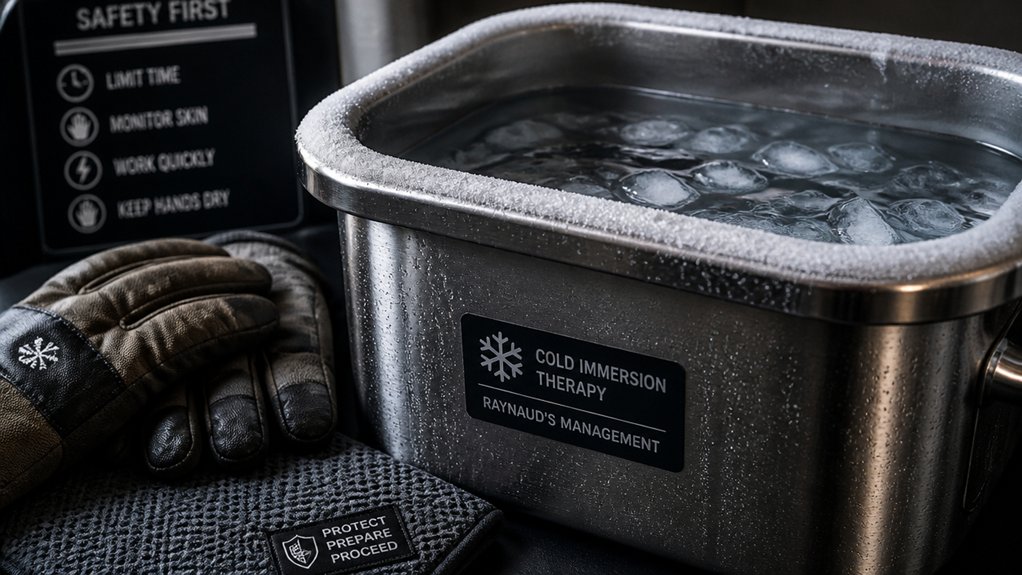
If you notice discomfort or numbness during immersion, it’s essential to act immediately by removing the affected extremity from the cold water. Discomfort and numbness are early signs of blood vessel constriction in Raynaud’s, signaling you need to stop exposure and start warming the affected areas.
A pulse oximeter can help monitor your blood oxygen levels and ensure safe recovery after exposure.
Prolonged numbness lasting longer than a few minutes requires prompt warming efforts to restore blood flow and prevent tissue damage or ulceration. Quick identification and response can help avoid progressing to the painful, red phase and severe issues like ulcers or frostbite.
Keep your immersion sessions brief—around 30 seconds to a few minutes—and stop at the first sign of numbness or discomfort. Acting swiftly safeguards your extremities and prevents complications.
Frequently Asked Questions
What Should You Avoid With Raynaud’s Disease?
You should avoid full-body immersion in ice water, sudden temperature changes, and handling cold objects for extended periods. Protect your hands and feet with insulation, and immediately warm any affected areas to prevent tissue damage.
Can You Go Swimming With Raynaud’s?
Yes, you can swim with Raynaud’s if you take precautions. Keep water warm, limit your time in the water, wear insulating gloves and socks, and gradually adapt to temperature changes to prevent flare-ups and protect your circulation.
What’s the Best Thing to Do for Raynaud’s Disease?
You should manage Raynaud’s by keeping warm, avoiding prolonged cold exposure, and gradually building tolerance with short, localized immersions. Always keep your core warm, limit cold exposure time, and use warm water between cold episodes to prevent attacks.
Does Heat Help With Raynaud’s?
Yes, heat helps with Raynaud’s by dilating blood vessels and improving blood flow. You should use gentle warmth, like warm water, avoiding hot temperatures, and gradually warming cold extremities to prevent triggers and reduce symptoms effectively.