
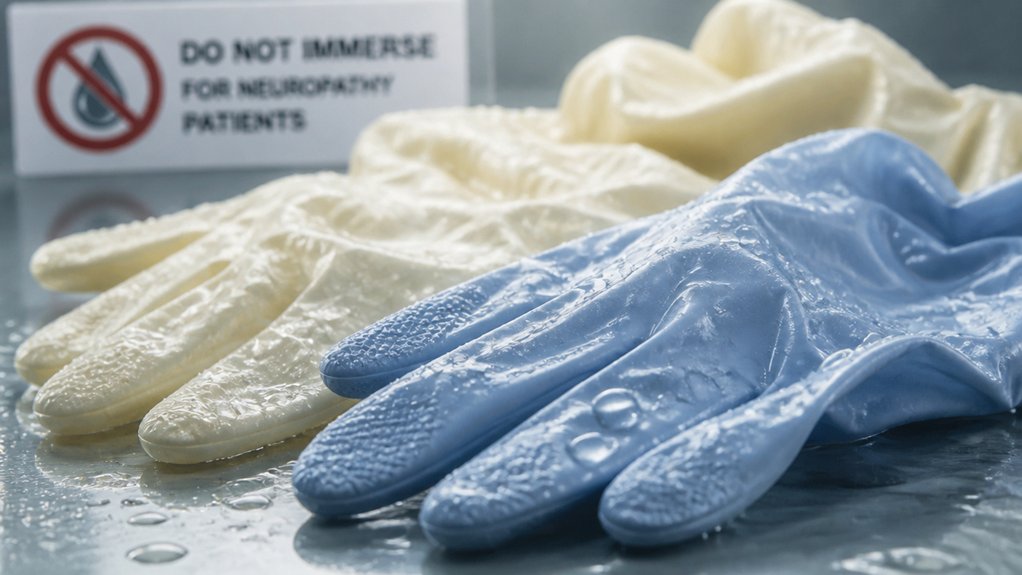
You’re advised against immersing in cold water because it can worsen nerve damage, reduce circulation, and increase the risk of frostbite, especially with poor sensation. Cold causes blood vessels to tighten, impairing healing and making you less aware of injuries or frostbite signs. It can also trigger burning sensations and muscle spasms, which may worsen your pain. To better understand how cold exposure affects neuropathy and safe options, keep exploring these important details.
Why Cold Exposure Worsens Nerve Pain in Neuropathy

Cold exposure worsens nerve pain in neuropathy because it causes blood vessels to constrict, reducing blood flow to nerves and tissues. This vasoconstriction deepens nerve ischemia, making neuropathic pain more intense. You might notice your nerves become hypersensitive or inflamed, especially when exposed to cold temperatures. Prolonged cold exposure can lead to frostbite-like symptoms and lingering burning or prickly sensations in affected areas. Cold also lowers nerve conduction velocity, which can cause increased numbness and disrupt signal transmission. For neuropathy patients, especially those with poor circulation or diabetic neuropathy, cold exposure can worsen symptoms and increase the risk of tissue damage. Ensuring proper circulation and temperature regulation can help prevent these complications, as perfusion index plays a crucial role in monitoring blood flow levels. Avoiding cold temperatures helps prevent these aggravations and protects your nerves from further harm.
How Cold Tightens Blood Vessels and Impairs Nerve Recovery
When exposed to low temperatures, blood vessels constrict rapidly, narrowing their diameter and markedly reducing blood flow. This response occurs when you immerse in cold water, causing the circulation to slow down considerably.
Reduced blood flow limits the delivery of oxygen and nutrients essential for nerve repair and regeneration. It also hampers the removal of metabolic waste, leading to increased oxidative stress and further nerve damage, especially in already compromised neuropathic tissues.
Cooling can temporarily lower nerve conduction velocity, which might numb pain but also impairs nerve signal transmission necessary for healing. Prolonged or intense cold immersion worsens these effects by intensifying ischemia and tissue hypoxia around affected nerves, impeding recovery and potentially increasing nerve inflammation.
The Link Between Reduced Blood Flow and Frostbite Risks

Reduced blood flow in neuropathy patients greatly raises the risk of frostbite during cold water immersion. Poor circulation limits the delivery of warmth to affected limbs, making them less able to recover from cold exposure.
A well-fitting cold therapy sleeve can help minimize temperature fluctuations and improve blood flow, reducing some risk factors associated with cold exposure.
Peripheral nerve damage in neuropathy often causes loss of protective sensation, so you mightn’t realize when your skin is freezing, increasing tissue damage risk. Autonomic nerve dysfunction further worsens this issue by restricting heat flow, especially in extremities like your feet.
Immersing in water below 15°C (59°F) causes vasoconstriction, which reduces blood supply even more and heightens frostbite danger. Persistent numbness, burning, and prickly pain after cold exposure are signs of vascular compromise, underscoring how poor circulation in neuropathy markedly increases frostbite risks during immersion.
Why Cold Can Trigger Burning Sensations and Muscle Spasms
Exposure to low temperatures can slow nerve conduction and irritate inflamed nerves, often leading to burning sensations in neuropathy patients. Cold triggers nerve pain and can worsen burning feet, making symptoms feel more intense.
Cold hypersensitivity may cause prickly sensations or frostbite-like feelings, especially during or after cold exposure. Prolonged cold exposure can lead to muscle spasms and cramps, particularly if not warmed properly afterward. These spasms happen because nerves and muscles respond negatively to sudden temperature changes.
Additionally, cold-induced Raynaud’s phenomenon reduces blood flow, increasing nerve irritation and tissue damage. Using cold therapies without proper timing or monitoring can escalate nerve inflammation and discomfort.
That’s why cold immersion is generally discouraged—it can worsen sensory symptoms like burning feet and trigger muscle spasms.
Frostbite-Like Symptoms in Nerve-Damaged Skin and Tissues
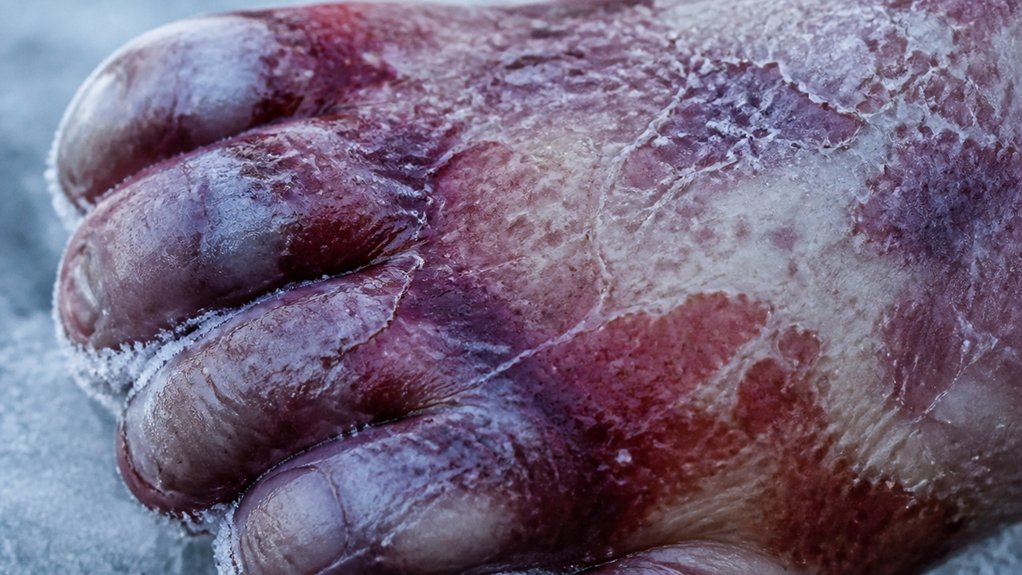
Nerve-damaged skin and tissues are particularly vulnerable to frostbite-like injuries from cold water immersion because their impaired sensation and circulation hinder the body’s natural defenses against cold. Damaged nerves reduce blood flow regulation, causing exaggerated vasoconstriction and inadequate warming responses when exposed to cold.
Without proper sensation, you mightn’t feel pain or discomfort warning of tissue damage, making injuries harder to detect. Prolonged or excessive cold exposure can lead to symptoms that resemble frostbite, such as persistent numbness, prickly pain, and skin color changes in your extremities.
Clinical guidance emphasizes avoiding cold immersion below 15°C (59°F) and limiting exposure to under 15 minutes to prevent frostbite-like nerve and tissue injury.
How Cold Sensory Impairments Increase Fall Risk
When cold sensory impairments dull your ability to perceive temperature, you may not notice icy or wet surfaces, increasing your fall risk. Cold exposure can also impair your balance and coordination by reducing sensation and slowing nerve signals, making movement less stable. Additionally, delayed awareness of foot injuries or frostbite hampers quick responses, raising the chances of falls and further injury. Proper pH Levels in water can help maintain skin comfort and prevent corrosion, potentially reducing some risks associated with cold immersion.
Reduced Temperature Perception
Reduced perception of cold temperatures due to neuropathy can greatly increase fall risk because it impairs your ability to sense dangerously cold conditions or tissue damage. When peripheral neuropathy affects your feet, you may not notice numbness or pain signaling that danger is near.
This reduced cold sensitivity can delay your reaction to harmful situations, such as stepping into icy water or walking on icy surfaces.
Key issues include:
- Not feeling frostbite or tissue damage in cold environments
- Impaired balance and postural control due to loss of sensory feedback
- Increased likelihood of slipping, tripping, or falling on wet or icy surfaces
Without proper cold perception, protective reflexes weaken, leaving you vulnerable to injuries and falls even before you realize there’s a problem. Additionally, emissivity adjustment in infrared thermometers can help ensure accurate detection of surface temperatures, highlighting the importance of reliable sensory information in cold environments.
Delayed Injury Detection
Have you ever considered how cold sensory impairments can delay your recognition of injuries? When your peripheral nerve function is compromised, water immersion can mask pain and discomfort that normally signal tissue damage. Without these warning signals, minor injuries can worsen unnoticed, risking infection or frostbite. This delayed injury detection heightens fall and injury risk, especially on slippery or uneven surfaces underwater. To visualize this, imagine:
| Cold water immersion | Reduced nerve signals |
|---|---|
| Blunted pain signals | Hidden tissue damage |
| Numbness masking injuries | Increased injury risk |
| Prolonged exposure to cold | Worsening wounds |
With impaired sensory feedback, your body’s cold detection signals are subdued, making water immersion dangerous for neuropathy patients.
Balance and Coordination Challenges
Cold sensory impairments can substantially impair your sense of balance and coordination, especially during water immersion. When cold affects your peripheral nervous system, your ability to perceive temperature and pressure changes diminishes. This worsens sensation loss in your feet and legs, key areas for proprioception—your body’s awareness of position.
As a result, your stability and gait become unsteady, increasing fall risk. Cold-induced numbness delays your protective reflexes, making you less responsive to slipping or tripping hazards. Reinforced seals and protective gear can help maintain some warmth and sensory feedback during water activities, reducing these risks.
Be aware that cold water immersion can:
- Disrupt spatial awareness and motor control
- Reduce reaction times to hazards
- Diminish the ability to adjust balance quickly
All these factors combined heighten the chance of falls during water activities.
Why Cold Water Dips May Cause Cramps and Muscle Tightness
When you immerse your body in cold water, your blood vessels constrict sharply, decreasing blood flow to your muscles. This reduced circulation can cause peripheral muscles to tighten and lead to pain or discomfort. A cold plunge is often used to reduce inflammation, but for neuropathy patients, it can have adverse effects on muscle relaxation.
For neuropathy patients, whose nerve and circulation functions are already compromised, this effect worsens muscle tightness and increases cramping risks. The sudden temperature drop triggers reflex muscle tightening as your body tries to preserve heat and protect nerves.
Prolonged cold exposure further impairs nerve conduction, making muscles more prone to spasms and stiffness. Without proper warming afterward, muscles remain tense and painful, leading to prolonged cramping and discomfort.
That’s why cold water dips can be especially problematic for neuropathy patients, exacerbating muscle issues and increasing pain sensitivity.
Short Cold Exposure vs. Extended Immersion: What’s Safe?
Short cold exposure can provide temporary relief by reducing inflammation, but extended immersion risks nerve damage and circulation problems. Prolonged exposure worsens symptoms, especially with temperatures below 10 °C, increasing the chance of frostbite and nerve hypersensitivity. You should monitor your skin and limit cold therapy duration to safely manage your symptoms. Using the proper bromine tablets can help maintain water safety and prevent bacterial growth during ice bath treatments.
Sensory Nerve Sensitivity Risks
Extended immersion in cold water can greatly worsen neuropathy symptoms because damaged sensory nerves become hypersensitive, overreacting to prolonged cold exposure. This heightened sensitivity increases discomfort, risking nerve injury and triggering sensations like prickly pain or burning.
Because your damaged nerves can misfire, even brief cold exposure may cause issues, but extended immersion amplifies the problem. You might experience:
- Increased burning and tingling sensations
- Numbness that worsens over time
- Blood flow spasms that limit circulation
As nerves become hypersensitive, nerve conduction slows, heightening pain and raising the risk of unnoticed cold injuries. Additionally, blood flow spasms can restrict circulation, compounding damage in neuropathy-affected areas. That’s why extended cold water exposure is risky and should be avoided.
Blood Circulation Impact
While cold exposure can offer some relief for neuropathy symptoms, the duration and temperature matter greatly. Short cold exposures, about 5–15 minutes at 15°C–20°C, temporarily reduce inflammation and nerve pain by causing vasoconstriction and slowing nerve conduction. This can improve blood flow temporarily without damaging circulation.
However, extended immersion—beyond 15 minutes or below 10°C—poses risks by causing prolonged vasoconstriction, which severely limits blood flow. This restricts oxygen and nutrients to nerves and tissues, potentially worsening numbness and delaying healing. For neuropathy patients, especially those with poor circulation or conditions like Raynaud’s, extended cold immersions can raise blood pressure spikes and worsen circulation issues.
Maintaining controlled, brief cold exposures helps support circulation without risking blood flow disruption.
Temperature Regulation Challenges
Maneuvering cold therapy for neuropathy requires careful attention to temperature and time. Since neuropathy is an umbrella for various nerve issues, you’re vulnerable to tissue damage with improper water exposure.
Short cold exposures (5–15 minutes at 15°C–20°C) can temporarily ease pain through vasoconstriction if you closely monitor your response. However, extended immersion beyond 15 minutes risks frostbite-like symptoms and worsened pain, especially with poor circulation.
Water temperature below 10°C increases the danger of nerve injury and tissue damage. Key considerations include:
- Limiting water temperature and duration
- Monitoring symptoms constantly
- Avoiding long immersions in cold water
Understanding these challenges helps you manage temperature safely and avoid adverse effects during cold therapy.
Precautions for Using Cold Therapy With Sensory or Autonomic Nerve Damage
If you have sensory or autonomic nerve damage from neuropathy, using cold therapy requires caution because your body’s responses to temperature changes may be impaired. Sensory nerve damage can make you unaware of pain or dangerous cold, increasing the risk of frostbite or skin injury during immersion.
Cold exposure can worsen symptoms like numbness, burning, or hypersensitivity, especially in inflamed nerves. Autonomic nerve dysfunction may hamper blood flow regulation, risking blood pressure drops or aggravated orthostatic hypotension.
Avoid water temperatures below 15°C, as they heighten circulation and nerve damage risks, particularly if you have diabetes or vascular issues. Keep cold therapy sessions brief, usually 5–15 minutes, and only proceed under medical guidance, avoiding it if you experience severe neuropathy, skin ulcers, or cardiovascular problems.
Signs That Cold Water Is Harming Your Nerve Health
How can you tell that cold water immersion is harming your nerves? If you notice persistent or worsening sensations like burning, prickling, or freezing during or after cold exposure, your nerves might be irritated or damaged.
Look out for color changes in your hands or feet, such as excessive redness, whiteness, or blueness, which can signal poor circulation or nerve dysfunction.
Immediate numbness, increased pain, or hypersensitivity after cold therapy often indicate nerve impairment. Prolonged cold exposure may cause symptoms resembling frostbite or persistent cold-induced pain, showing harmful nerve reactions.
Signs to watch for include:
- Increased muscle cramps and tingling worsening after cold exposure
- Delayed recovery of sensation
- Symptoms resembling frostbite
These are warnings that nerve damage from cold water immersion can cause worsening neuropathy.
Balancing Cold and Warm Therapies for Safe Nerve Pain Relief
Balancing cold and warm therapies is essential for safe nerve pain relief, especially when managing neuropathy. Cold exposure temporarily eases pain by reducing nerve conduction and inflammation, but prolonged exposure can worsen nerve inflammation and trigger persistent freezing sensations or frostbite-like pain.
To prevent muscle spasms or cramps, it’s vital to combine cold therapy with gentle warmth, which promotes circulation and relaxes muscles. Herbal topical creams that induce a strong cold sensation often require subsequent heat application to avoid severe muscle spasms.
If you have poor circulation or sensitive nerves, moderate, brief cold treatments paired with warmth are safer. Effective pain relief relies on timing and coordinated cold-warm treatments to reduce nerve irritation while minimizing adverse reactions.
When to Consult Your Healthcare Provider About Cold Exposure Risks
Recognizing when to consult your healthcare provider about cold exposure risks is essential for safe nerve pain management.
If you have severe diabetic neuropathy, poor circulation, Raynaud’s, or skin ulcers, avoid cold water immersion without medical guidance. Seek immediate advice if you experience:
- Worsening burning, numbness, or frostbite-like symptoms
- Severe pain, loss of muscle function, or signs of infection
- Dizziness or blood pressure changes, especially if you have cardiovascular issues
Your healthcare provider can assess your nerve injury risks and recommend safe exposure limits. Always discuss cold therapy beforehand, especially if you have underlying health conditions, to prevent nerve injury or complications.
Never ignore warning signs; prompt medical advice is crucial for your safety.
Best Practices for Safe Cold Therapy Temperature and Duration
To guarantee safety during cold therapy, keep the water temperature between 15°C and 20°C (59°F to 68°F).
Limit immersion sessions to 5 to 15 minutes, starting with shorter periods to gauge your tolerance. Monitoring your skin and nerve sensations closely helps prevent adverse effects and optimize benefits.
Optimal Cold Temperature Limits
Ensuring safe cold therapy for neuropathy patients requires carefully selecting water temperatures that minimize risks while providing relief. The ideal temperature range for foot baths and other cold therapies is between 15°C to 20°C (59°F to 68°F). Staying within this range helps avoid excessive vasoconstriction and nerve damage.
Temperatures below 10°C (50°F) increase the risk of frostbite, worsen symptoms, and may trigger conditions like Raynaud’s phenomenon. It’s essential to monitor skin color, sensation, and comfort during therapy to prevent tissue damage.
Limit sessions to periods of time between 5 to 15 minutes, starting with shorter durations.
Keep in mind:
- Use water temperatures between 15°C to 20°C
- Limit immersion periods to 5-15 minutes
- Avoid below 10°C temperatures
Safe Duration Guidelines
Maintaining safe cold therapy involves not only choosing the right water temperature but also carefully managing how long you stay immersed.
For neuropathy patients, sessions should last between 5 to 15 minutes, starting with just 5 minutes. Extending beyond this can risk nerve damage or frostbite. Safe cold water temperatures range from 15°C to 20°C (59°F to 68°F) to reduce inflammation without causing excessive vasoconstriction.
Be cautious about durations if the temperature drops below 10°C (50°F)—prolonged exposure here can worsen neuropathic symptoms or trigger Raynaud’s phenomenon. Continuously monitor your skin and sensations during immersion; if you notice increased pain, numbness, or discoloration, you need to see a healthcare professional.
If you have concerns or need to see if cold therapy is right for you, contact us today.
Alternatives to Cold Baths for Nerve Pain Management and Safety
Since cold water immersion can worsen neuropathy symptoms by causing prolonged vasoconstriction and increasing nerve hypersensitivity, exploring safer alternatives is essential.
Cold water immersion may worsen neuropathy; safer options include warm soaks, herbal creams, and physical therapy.
You can consider methods that promote blood flow and nerve relaxation without the risks of cold baths. Warm water soaks and contrast hydrotherapy—alternating warm and cool water—help improve circulation safely.
Topical herbal creams, which induce a cooling sensation followed by gentle heat, offer relief without cold exposure. Additionally, physical therapy, including nerve gliding exercises and gentle stretching, supports nerve health and reduces pain more safely.
Other options include:
- Transcutaneous electrical nerve stimulation (TENS)
- NeuFit water immersion therapy
- Pain management techniques like acupuncture
These alternatives provide effective symptom relief while minimizing nerve hypersensitivity risks.
Frequently Asked Questions
What Activities Should Be Avoided With Neuropathy?
You should avoid activities like prolonged cold water immersion, hot baths without proper balance, high-impact exercises, exposure to harsh chemicals, and unsafe water temperatures. These can worsen symptoms, cause injuries, or lead to further nerve damage.
What Do the Japanese Do for Neuropathy?
In Japan, you use warm water foot baths and traditional therapies like onsen, massage, and acupuncture to improve circulation and reduce pain. You focus on gentle, moderate heat, avoiding cold water to soothe nerves and promote healing.
What Is the Real Enemy of Neuropathy?
The real enemy of neuropathy is poor circulation and high blood sugar levels, which damage nerves and block healing. Inflammation, oxidative stress, vitamin deficiencies, and autonomic dysfunction further worsen nerve damage, making symptom management and recovery more difficult.
Does Red Light Therapy Actually Work on Neuropathy?
Red light therapy may help neuropathy by reducing inflammation and promoting nerve regeneration, but its effectiveness varies. You should use it alongside conventional treatments, under medical supervision, since solid proof from large-scale studies is still lacking.