
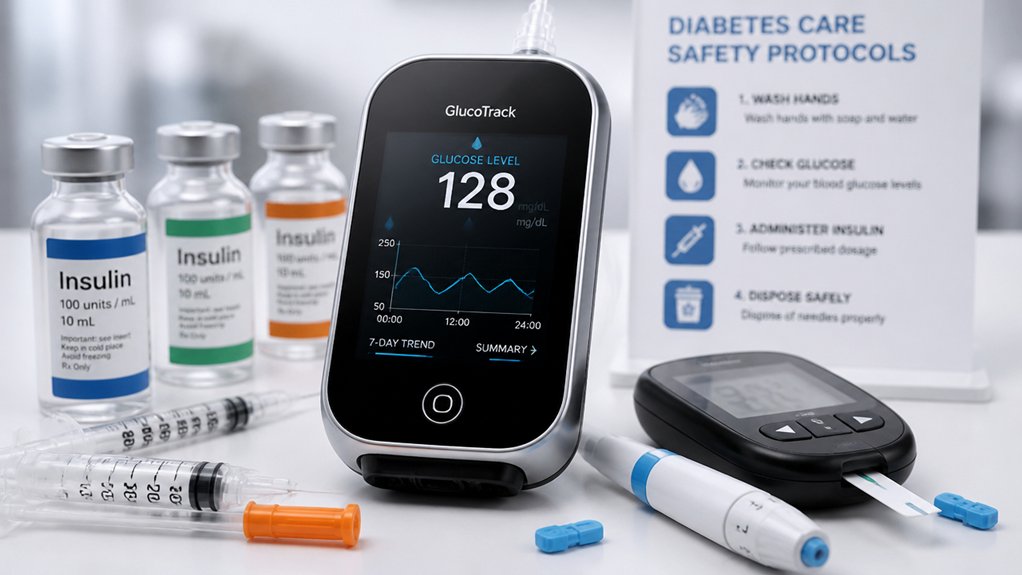
If you have diabetes, you should approach cold baths with caution, as they can narrow blood vessels and affect circulation, making insulin absorption less effective and risking blood sugar fluctuations. Cold stress may also dull your skin’s sensation, increasing frostbite risk, especially if you have nerve damage. Always check your blood sugar beforehand, limit your time in cold water, and consult your healthcare provider for personalized guidance. Keep informed to stay safe and enjoy cold immersion responsibly.
Why Should People With Diabetes Be Careful About Cold Baths?
Why should people with diabetes be cautious about cold baths? Cold baths can cause vasoconstriction, which narrows blood vessels and reduces blood circulation. This process can impair how your body moves and responds to insulin, making it harder to regulate blood glucose levels.
Less blood flow means insulin absorption may slow down or become unpredictable, risking spikes or drops in blood sugar. If you have diabetes, your body already faces challenges maintaining stable blood glucose. So, exposing yourself to cold baths could worsen these issues by disrupting circulation and insulin effectiveness.
Additionally, the measurement parameters of blood oxygen monitors can be affected by cold stress, leading to inaccurate readings that may obscure your actual health status. It’s essential to recognize that while cold baths might offer benefits for others, they may bring more risks than rewards for someone managing diabetes. Stay cautious to keep your blood sugar and circulation in check.
How Does Cold Water Affect Your Blood Sugar and Circulation?
Have you ever wondered how cold water affects your blood sugar and circulation? Cold water immersion causes vasoconstriction, which reduces blood flow and can slow insulin absorption. This impacts your blood glucose testing and overall blood sugar regulation.
Cold water immersion reduces blood flow and slows insulin absorption, affecting blood sugar regulation and testing accuracy.
Cold exposure also triggers stress hormones like norepinephrine and cortisol, which may temporarily raise blood sugar levels. Additionally, in diabetics, especially those with neuropathy, blood vessels can become further compromised, increasing tissue damage risk.
Unlike warm water, cold immersion doesn’t enhance glucose uptake in muscles or improve blood glucose clearance. Moreover, pH-balanced cleansing agents help maintain the skin’s barrier function, which is crucial for individuals with sensitive skin and post-immersion recovery.
Remember these key points:
- Vasoconstriction limits blood flow.
- Stress hormones can spike blood sugar.
- Circulatory issues worsen in neuropathy.
- Cold water doesn’t aid in glucose removal.
Always monitor your blood sugar carefully after cold immersion.
What Are the Signs of Hypoglycemia and Frostbite During Cold Immersion?
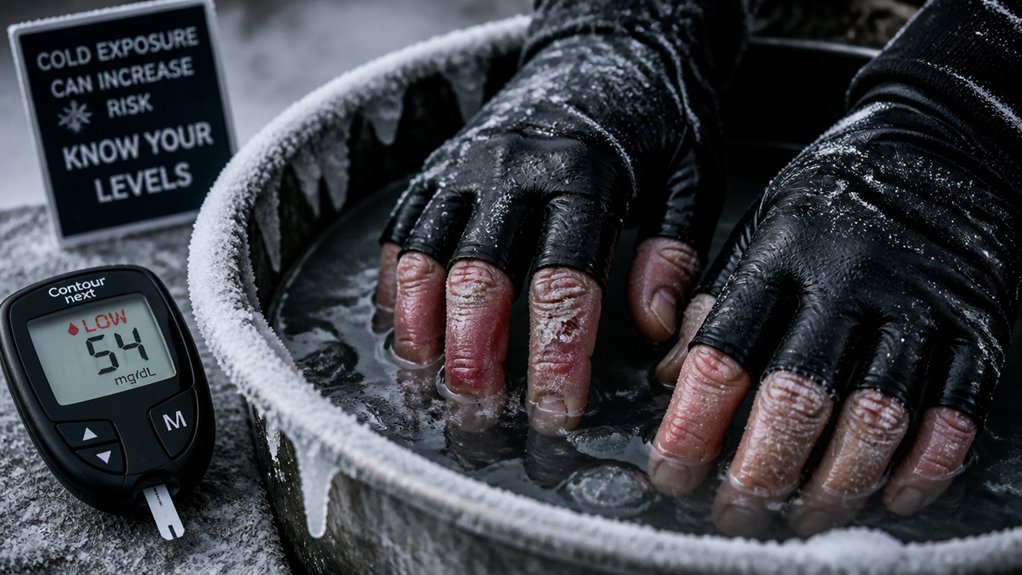
Are you aware of the warning signs that indicate hypoglycemia or frostbite during cold immersion? Recognizing these signs helps you act quickly and safely. Symptoms of hypoglycemia include dizziness, confusion, sweating, shakiness, irritability, and a rapid heartbeat. Frostbite presents as numbness, tingling, skin discoloration (white, grayish-yellow, or blue), a hard or waxy texture, and pain or burning during rewarming. Peripheral neuropathy can dull cold and pain sensations, increasing frostbite risk. The following table highlights key signs:
| Hypoglycemia | Frostbite |
|---|---|
| Dizziness, confusion | Numbness, tingling |
| Sweating, shakiness | White, blue, or grayish-yellow skin |
| Rapid heartbeat, irritability | Hard/waxy skin, burning sensation |
Stay alert, monitor your glucose levels, and seek medical help if symptoms worsen. Additionally, understanding the material durability and protection of suits can aid in preventing frostbite during immersion by ensuring proper insulation and resilience against cold exposure.
When Should You Avoid Cold Baths If You Have Diabetes?
Knowing when to avoid cold baths is essential if you have diabetes, especially when certain health conditions are present. You should avoid cold baths if:
- You experience poor circulation or peripheral neuropathy, as decreased sensation can lead to injuries.
- You have cardiovascular complications, since cold exposure can strain your heart and vessels.
- You’re dealing with episodes of hypoglycemia or rapidly falling blood sugar, as cold stress may hide symptoms.
- You have open sores, infections, or poor wound healing, because cold water can worsen these conditions.
- Additionally, maintaining proper insulation during cold therapy is crucial to reduce risks, especially for those with diabetes who may have compromised circulation or healing capabilities.
Avoid cold baths in these situations to prevent injury, worsening health issues, or delayed symptom recognition.
Always consult your healthcare provider before engaging in cold immersion with diabetes.
What Precautions Can You Take for Safe Cold Water Immersion?
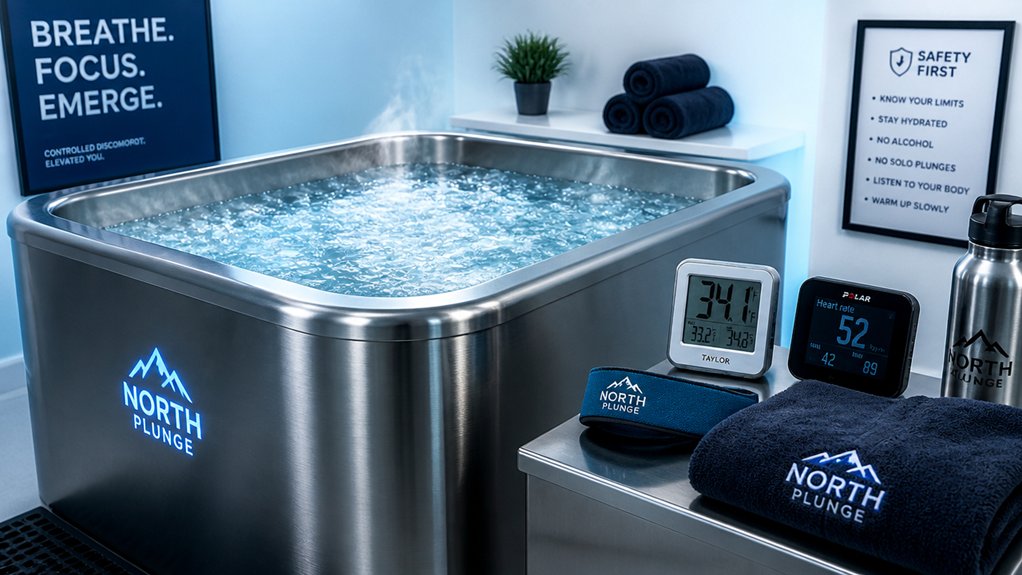
Guaranteeing safety during cold water immersion requires taking specific precautions tailored to your health status. Before water immersion, check your blood glucose levels to confirm they’re stable, reducing risks of hypoglycemia or hyperglycemia. Limit your immersion time initially, and watch for symptoms like dizziness or confusion to prevent adverse effects from temperature stress. Protect your extremities if you have peripheral neuropathy, as reduced sensation increases frostbite risk. If you have cardiovascular issues, avoid overly cold water, since cold exposure causes vasoconstriction and cardiovascular strain; consult healthcare providers for clearance. Maintain proper hydration before and after immersion to support blood sugar regulation and avoid dehydration, which can cause glucose fluctuations. Paying attention to sensor latency and accuracy helps ensure timely alerts and safe immersion experiences. Taking these precautions helps guarantee a safer, more controlled cold water immersion experience.
Who Should You Consult Before Trying Cold Baths?
Before you try cold baths, it’s vital to consult with healthcare professionals who understand your diabetes management. A primary care provider can assess your overall diabetes control and cardiovascular health.
A diabetes specialist can evaluate risks related to blood sugar fluctuations and neuropathy during cold immersion. Be sure to discuss:
- Your history with heart disease or neuropathy
- How cold baths might interact with your medications
- Safe temperature limits and duration based on your treatment
- The potential increase in risk if you’ve used a hot tub recently
If you have existing complications or a history of cardiovascular issues, obtaining medical clearance is essential to avoid adverse reactions and guarantee safe practice. Additionally, understanding chiller temperature control systems can help you maintain safe immersion conditions within therapeutic ranges.
How Can You Minimize Risks and Enjoy Cold Baths Safely?
| Precaution | Benefit |
|---|---|
| Limit cold bath duration | Protects against sudden blood pressure drops |
| Monitor blood glucose | Prevents unnoticed hypoglycemia |
| Inspect feet thoroughly | Detects nerve-related skin issues early |
Frequently Asked Questions
How Often Should Blood Glucose Levels Be Monitored During Cold Immersion?
You should monitor your blood glucose levels frequently during cold immersion, ideally every 15 to 30 minutes, to detect any hypoglycemia or hyperglycemia early. Stay vigilant and adjust your activities based on your readings for safety.
Are There Specific Disinfectants Recommended for Cleaning Blood Glucose Devices?
You should use alcohol swabs or wipes containing at least 70% isopropyl alcohol to clean blood glucose devices, ensuring proper disinfection without damaging sensitive electronics. Follow manufacturer instructions for effective and safe cleaning practices.
What Are the Best Practices for Preventing Device Contamination?
You prevent device contamination by washing your hands thoroughly before handling devices, using recommended disinfectants, regularly cleaning and disinfecting your glucose monitors and accessories, avoiding sharing devices, and storing them in clean, dry environments to maintain safety and hygiene.
How Should Sharps Be Safely Disposed of After Testing?
You should carefully place used sharps in a puncture-resistant, labeled container immediately after testing. Never recap or overfill the container, and dispose of it according to your local regulations to prevent injuries and contamination.
What Training Is Necessary for Staff Managing Diabetes Patients in Cold Baths?
You should receive specialized training that covers cold bath procedures, potential risks, patient monitoring, emergency response, and proper sanitation practices to guarantee safe, effective, and comfortable management of diabetes patients during therapeutic immersion.