
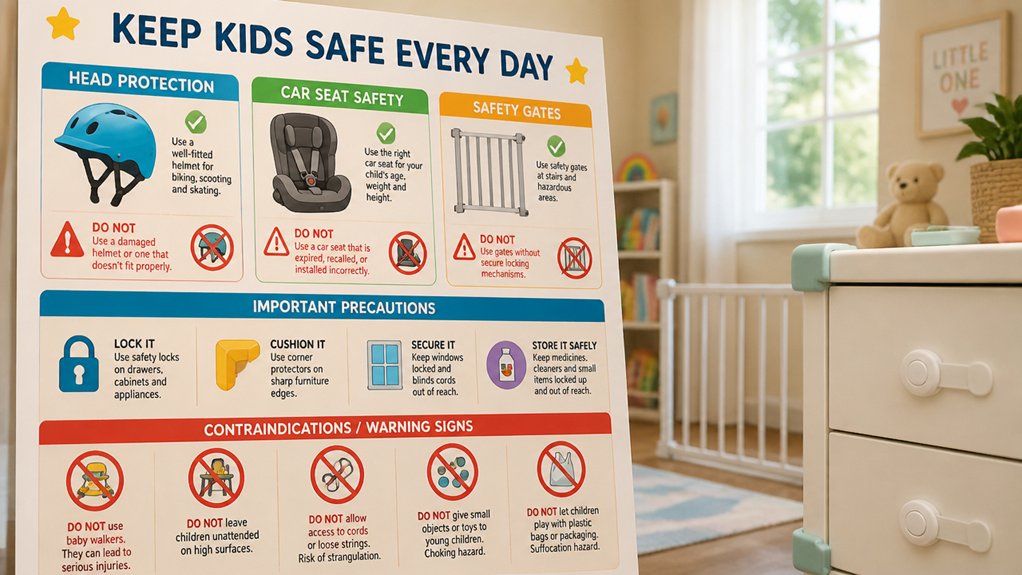
When caring for children in cold environments, always follow safety limits like keeping water exposure under 2 minutes and ensuring water stays above 15°C. Avoid cold therapy for infants under 6 months or kids with heart, lung, or sickle cell conditions without medical clearance. Watch for signs of hypothermia, such as shivering, lethargy, or skin pallor, and stop treatment immediately if symptoms arise. To learn how to keep your child safe during cold exposure, continue exploring expert advice and precautions.
What Are the Safety Limits for Children in Cold Environments?
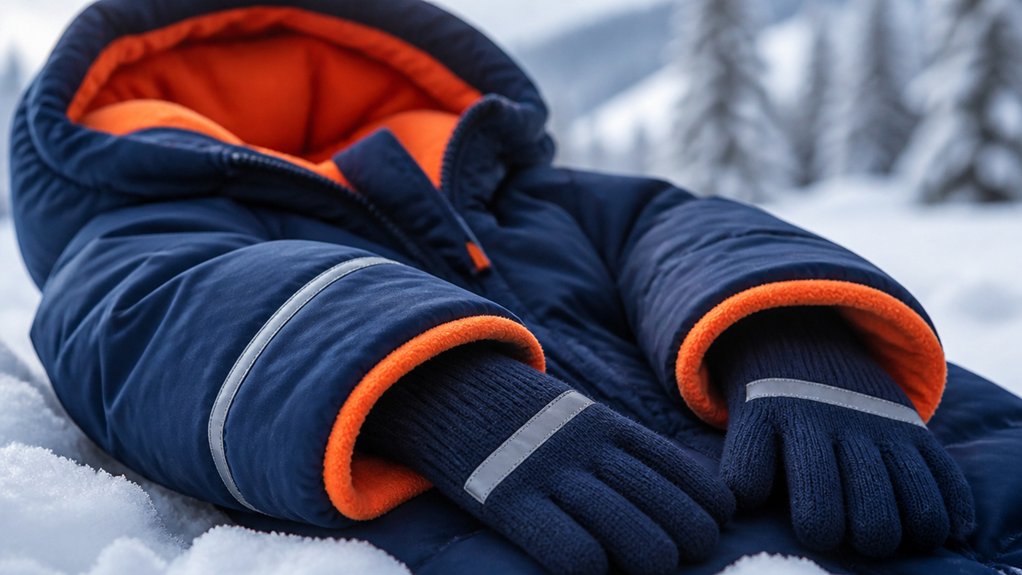
What’re the safety limits for children in cold environments? Children are particularly vulnerable to hypothermia because of their larger surface area-to-body mass ratio and immature thermoregulation.
Children’s greater surface area-to-mass ratio makes them more prone to hypothermia in cold climates.
When exposed to temperatures below freezing, without proper clothing or shelter, their core body temperature can drop rapidly, risking cold injuries and frostbite. To stay safe, children must be layered in insulated, moisture-wicking clothing that covers extremities like hands, feet, and head thoroughly.
Infants, in particular, must never be left unattended outdoors and need extra insulation, such as blankets or sleeping bags. Watch for signs of cold stress, including shivering, lethargy, pale or blue skin, and confusion.
Recognizing these signs early helps prevent severe hypothermia and keeps children safe in cold conditions.
At What Age Is Cold Water Therapy Safe for Kids?
You should know that cold water therapy is generally not safe for children under 12, due to their developing bodies and higher risk of hypothermia. For kids over 12, keep sessions short—under 10 minutes—and make certain water stays above 10°C (50°F). Always closely supervise, especially if the child has health issues, to prevent cold-related injuries. Using appropriately sized, joint-friendly designs can help reduce the risk of strain or injury during recovery.
Age Recommendations for Cold Therapy
Cold water therapy can be safe for children over the age of 2 when used correctly, but it’s important to exercise caution, especially with younger kids. The child’s age plays a key role in determining safety. Generally, children older than 2 years can receive cold therapy like ice packs or cold compresses, provided the treatment is short, around 10-15 minutes, and the ice is wrapped in a cloth to prevent skin burns. For infants and toddlers under 2 years, cold therapy should only be used under healthcare supervision due to their sensitive skin and higher risk of hypothermia. Always monitor the child’s skin for adverse reactions and never apply cold directly on the skin. Proper precautions are essential to guarantee safety at every age. Water quality maintenance is also important to ensure the safe and hygienic use of cold therapy devices around children.
Risks and Precautions
While cold water therapy can offer relief for injuries and inflammation, it’s essential to understand the risks for young children. Children under the age should avoid direct exposure to very cold water, especially infants under 6 months, due to their immature thermoregulation.
For minor burns or injuries, using cool, running water is safe for all ages and helps reduce pain and tissue damage. However, ice packs or cold compresses must be applied with a protective barrier and only for 10-15 minutes to prevent frostbite or skin damage, with close supervision for children under 2 years.
Avoid immersion in extremely cold water or ice baths, as they pose risks like hypothermia and cardiovascular stress. Always monitor children carefully and stop treatment if signs of discomfort or skin color changes appear. Additionally, understanding the temperature range and insulation efficiency of cold tubs can help ensure safer cold therapy sessions for children.
Monitoring and Supervision
Monitoring and supervision are essential whenever cold water therapy is used on children, especially those under 2 years old. You must stay vigilant during treatment, as continuous adult supervision helps prevent skin damage like frostbite or excessive cooling.
Keep the therapy brief, typically 10-20 minutes, and always use a cloth barrier over ice or cold packs to protect delicate skin. For infants and young children, monitoring is vital to guarantee the temperature and duration are appropriate, minimizing risks like hypothermia.
Watch for signs of discomfort, excessive shivering, or skin changes. If any adverse reactions occur, discontinue immediately and seek medical advice. Your constant supervision guarantees safe application, reducing potential complications and safeguarding your child’s well-being during cold water therapy.
Which Medical Conditions Warrant Caution or Avoidance?
Certain medical conditions in children require extra caution or should lead to avoidance of travel medications or procedures altogether. If your child has heart, lung, or sickle cell disease, it’s essential to seek pre-travel medical care because they face increased risks and need tailored preventive measures.
Conditions like G6PD deficiency also demand testing before prescribing certain antimalarials, such as primaquine or tafenoquine, due to the risk of hemolysis.
Be aware that medications like fluoroquinolones are generally avoided because they aren’t FDA-approved for children’s use in traveler’s diarrhea. Additionally, the use of antimotility drugs like loperamide, especially in children under 2, can cause serious adverse effects. Always consider your child’s age and size when evaluating potential risks.
- Increased health risks requiring specialized medical care
- Certain medications unsafe due to age or condition
- Risks vary based on child’s age and size
- Always consult with a healthcare professional before travel
- Understanding the active ingredients in medications can help assess safety for children.
How Can You Recognize Hypothermia Signs in Children?
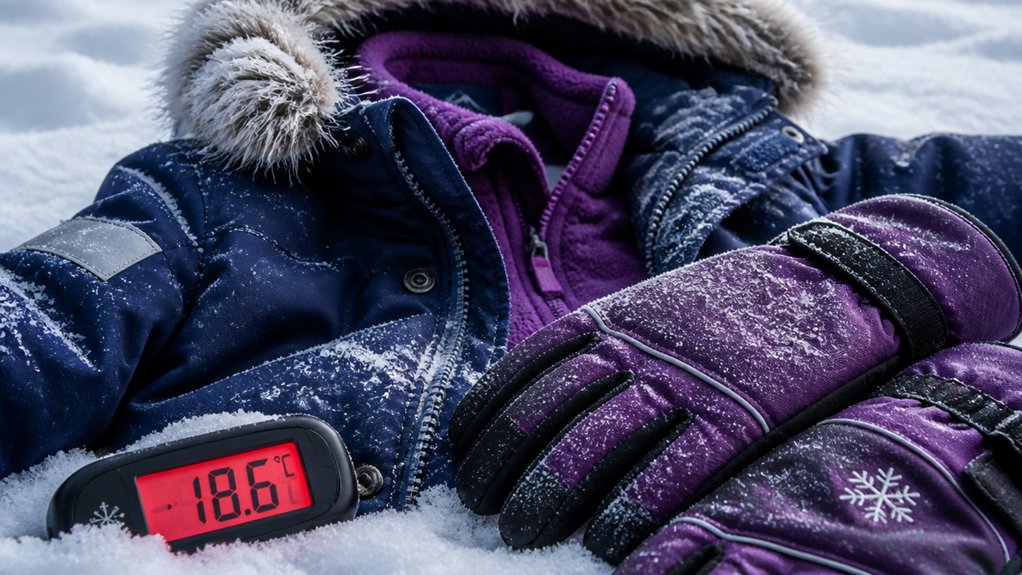
How can you recognize hypothermia signs in children? Children aged, especially infants and toddlers, are vulnerable to quick changes from cold exposure.
Early signs include shivering, pale and cold skin, and clumsiness or lethargy. Infants may exhibit poor feeding, low energy, and a weak cry.
As hypothermia worsens, watch for slowed breathing, a weak or irregular pulse, confusion, or unconsciousness. In advanced stages, children may become drowsy or unresponsive.
Since infants and toddlers have a larger surface area relative to their weight and limited heat regulation abilities, they can deteriorate rapidly.
Immediate warming and prompt medical evaluation are vital if you suspect hypothermia. Recognizing these signs early can help prevent severe complications and guarantee your child’s safety.
How to Prepare Your Child Safely Before a Cold Plunge
Before starting, make sure your child is healthy and free of heart or respiratory issues to prevent risks like hypothermia.
Gradually introduce cold water by starting with short, supervised immersions to help their body adapt safely.
Always supervise closely and have warm clothes or blankets ready to help them rewarm quickly afterward.
You can also consider using insulation features on cooling tubs or wraps to help manage temperature exposure safely.
Assess Child’s Health Status
Preparing your child safely for a cold plunge starts with a thorough assessment of their health. You need to evaluate their overall condition and watch for signs of illness or existing health issues.
Be especially cautious if your child is alone or an infant, as they can’t communicate discomfort effectively.
- Check for respiratory infections or fever that could worsen with cold exposure
- Identify underlying health conditions like heart or lung problems, which require medical clearance
- Monitor for impaired thermoregulation or poor circulation, increasing risks
- Confirm access to medical care and prepare emergency plans in case of adverse reactions
- Consider the child’s Blood Oxygen Levels, as they can influence how well they tolerate cold water exposure
A careful assessment guarantees your child is physically ready, reduces risks, and helps prevent complications during cold water activities.
Ensure Proper Temperature Control
Ensuring proper temperature control is essential to keeping your child safe during a cold plunge. Before the water exposure, check that your child’s body temperature is normal to prevent shock or hypothermia. Avoid sudden immersions into very cold water, as this can quickly lower the core temperature and cause distress.
Limit the duration of cold water immersion because children’s thermoregulation is less efficient, making prolonged exposure risky. Dress your child in appropriate thermal protection, like wetsuits or insulated clothing, if cold water exposure is anticipated.
Always supervise closely to spot signs of distress, such as shivering, confusion, or lethargy. Gradually acclimate your child to colder water by starting with brief exposures, helping their body adjust safely and reducing cardiovascular stress. Proper high-powered chillers can also aid in controlling water temperature effectively, ensuring a safer experience.
What Precautions Should You Take During Cold Water Activities?
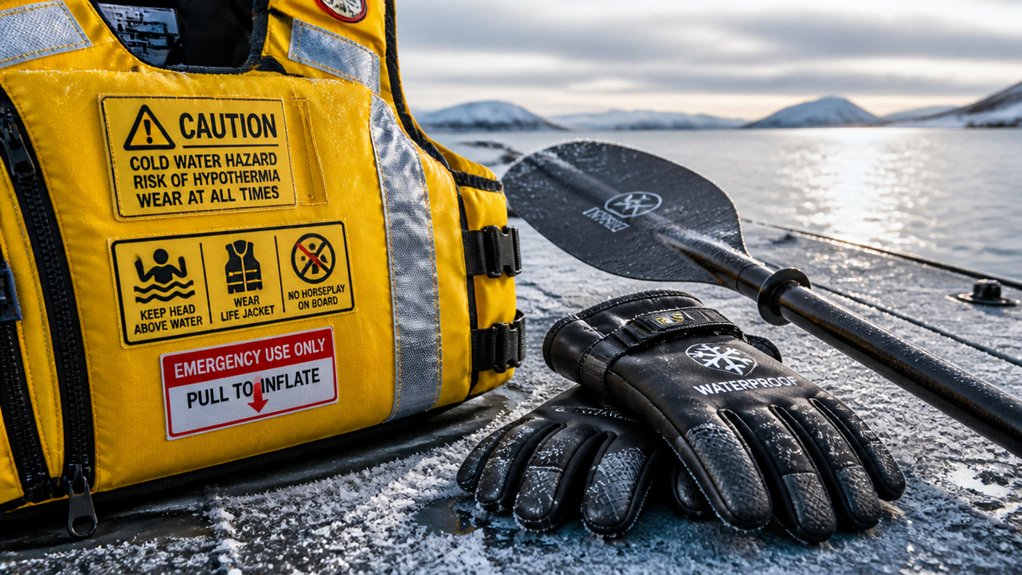
What precautions should you take during cold water activities to keep children safe? Always supervise children closely, as sudden immersion can lead to shock or hypothermia, especially in small children. Make sure they wear appropriate thermal protection like wetsuits to keep their body temperature stable and prevent cold injuries. Be cautious about the water source—avoid natural, unchlorinated water, especially in areas affected by malaria or schistosomiasis, to prevent infections. Prevent children from swallowing water, which may contain parasites or harmful microorganisms. Consider using water treatment solutions to ensure the water remains safe and free of contaminants. Teach kids safe behaviors around water and discourage them from entering unmonitored or unsafe water bodies. By taking these precautions, you can help protect your child from cold-related risks and waterborne illnesses, making cold water activities safer and more enjoyable.
How to Monitor Your Child During a Cold Plunge
Keep a close eye on your child’s breathing to spot any signs of distress or irregular patterns.
Limit their time in the cold water to just a few minutes, based on their age and tolerance, to prevent rapid cooling.
Stay with them at all times to quickly respond if they show signs of hypothermia or discomfort.
Observe Child’s Breathing Patterns
During a cold plunge, paying close attention to your child’s breathing is essential for safety. You need to monitor their breathing rate and effort carefully, watching for signs like flaring nostrils or chest retractions.
Be alert for abnormal patterns such as gasping, irregular breaths, or pauses (apnea), which could indicate distress or risk of hypothermia. Make certain their airway stays clear and watch for excessive coughing or choking, especially since cold water can worsen breathing issues.
Just as you’d during car safety checks, stay vigilant and responsive. Keep an eye on the skin color—pale or bluish lips and fingertips signal oxygen problems and require stopping the cold plunge immediately. Always have an adult monitor the situation closely for the child’s safety.
Limit Exposure Duration
To guarantee your child’s safety during a cold plunge, closely monitor how long they stay immersed. Limit children’s exposure to 1–3 minutes to prevent hypothermia and stress on their thermoregulation.
Watch for early signs of cold-related distress by observing their skin color, shivering, and responsiveness. Younger children, especially those under 5 years of age, have less ability to regulate body temperature and may not communicate discomfort effectively, so supervision is vital.
Always keep a warm environment and towels nearby to quickly rewarm your child afterward. Avoid repeated or prolonged cold plunges, especially for children with underlying health conditions like heart or respiratory issues, without consulting a healthcare professional.
Proper timing and attentive monitoring guarantee their safety during cold exposure.
Post-Experience Care: Preventing Harm After Cold Water Therapy
After a child completes cold water therapy, it’s essential to act quickly to prevent adverse effects. You should immediately dry the child thoroughly and dress them warmly to prevent hypothermia and keep their core temperature stable.
Dry and warm the child immediately to prevent hypothermia after cold water therapy.
Watch closely for signs like prolonged shivering, lethargy, or skin discoloration, which could signal cold stress. Always rewarm infants and children gradually with blankets or warm fluids instead of hot water or direct heat, avoiding thermal injuries or shock.
Also, offer warm, non-caffeinated fluids to support recovery and circulation. If symptoms such as confusion, excessive fatigue, or difficulty breathing persist, seek prompt medical attention, especially at a trusted childrens hospital.
Quick and careful post-experience care helps keep children safe after cold water therapy.
When Should You Delay or Cancel a Cold Plunge?
Wondering if it’s safe to proceed with a cold plunge? If your child has an underlying heart or lung condition, it’s best to delay or avoid cold water immersion altogether. The sudden shock from the cold can cause cardiovascular or respiratory stress.
Children with sickle cell disease should also skip cold plunges, as rapid temperature changes may trigger crises.
Never proceed if your child has an acute illness, fever, or infection—as cold water immersion could worsen symptoms or cause complications.
Additionally, avoid cold plunges for children with hypothermia susceptibility or poor thermal regulation, since their bodies are less capable of maintaining normal temperature.
Always prioritize safety by postponing cold water immersion until your child is fully healthy and cleared by a medical professional.
How Long and Cold Is Safe for Kids During a Cold Plunge?
How long and how cold can a safe cold plunge be for kids? Generally, children shouldn’t stay in cold water for more than 1-2 minutes. The water temperature should be kept above 15°C (59°F) to lower the risk of cold shock and hypothermia.
During the plunge, closely monitor your child for signs of distress, like excessive shivering or pale skin.
- Keep water temperature moderate, above 15°C (59°F)
- Limit duration to 1-2 minutes
- Always supervise and watch for distress signals
- Remove your child immediately after immersion and warm them promptly
These precautions help prevent hypothermia and guarantee safety. Children with health issues need medical advice before exposing them to cold water.
How to Educate Your Child About Safe Cold Water Practices
You need to teach your child to recognize signs of cold water danger, like shivering or numbness, so they understand when to get out.
Always supervise their water activities closely and set clear rules for safe entry, such as testing the water with hands or feet first.
Remind them to wear appropriate gear and enter gradually to prevent shock and stay safe around cold water.
Recognize Cold Water Signs
Recognizing the signs of cold water danger is essential for keeping children safe during outdoor activities. Teach children to identify symptoms that indicate cold shock or hypothermia, so they can respond quickly.
Cold water below 70°F (21°C) can impair swimming and cause rapid body heat loss.
Help children understand that they should always test water temperature before entering water sources like lakes, rivers, or pools. Watch for signs such as:
- Numbness or tingling sensation
- Uncontrollable shivering
- Dizziness or disorientation
- Loss of muscle or motor control
Teaching children to listen to their bodies and seek help if they experience these symptoms can prevent dangerous situations. Reinforce that cold water can quickly lead to hypothermia, making early recognition crucial.
Supervise Water Play
Supervising children closely during water play is crucial to prevent accidents and guarantee their safety around cold water. Always supervise water play within arm’s length, as drowning can happen in less than 2 inches of water.
Teach young children never to enter cold water alone and to avoid swimming in unsupervised or unprotected areas to prevent hypothermia and drowning. Educate them to alert an adult immediately if they feel too cold or experience numbness.
Use barriers or fences around pools and water play zones to restrict access by young children. Make certain they wear appropriate flotation devices approved for their age and size during water activities.
Your active supervision and safety education help build good habits and reduce risks during water play.
Teach Safe Entry Techniques
Proper supervision isn’t enough—teaching children safe entry techniques helps prevent cold water shock and other accidents. Kids must understand how to enter cold water slowly and feet first to minimize risks.
Before diving in, they should test the water temperature to confirm it’s safe, reducing the chance of hypothermia. Reinforce that they should never enter alone; adult supervision is essential.
To help them remember, emphasize:
- Always enter cold water gradually and feet first
- Avoid sudden immersion to prevent shock
- Test water temperature before entering fully
- Wear appropriate flotation devices and protective clothing
Following advice from the American Academy of Pediatrics, teaching your child these safe practices can keep them safe and help establish healthy water habits, even from baby to sleep.
Common Mistakes That Increase Risks in Pediatric Cold Therapy
One of the most common mistakes in pediatric cold therapy is applying cold packs directly to a child’s skin without a protective barrier, which can cause frostbite or skin burns, especially in children with delicate skin. Never place cold packs directly on children’s skin; always use a cloth or towel as a barrier.
Leaving cold therapy on for over 20 minutes increases the risk of tissue damage. Be cautious when applying cold packs to areas with impaired sensation or circulation, as this can lead to further complications. Avoid frequent applications without proper intervals, as excessive cooling causes discomfort and potential harm.
Additionally, guarantee constant supervision during cold therapy to prevent accidental ingestion or misuse of ice or cold packs, which greatly raises injury risks in children.
What Are the Urgent Signs That Require Medical Help?
Recognizing when a child’s symptoms require urgent medical attention can be lifesaving. Immediate medical help is essential if you notice these urgent signs:
- Persistent high fever that doesn’t respond to medication
- Difficulty breathing or severe respiratory distress
- Seizures, unresponsiveness, or any change in mental alertness
- Signs of dehydration like dry mouth, lethargy, or inability to urinate
Other urgent signs include severe abdominal pain, severe vomiting or diarrhea, sudden rash with fever or swelling, and trauma such as head injury with loss of consciousness, heavy bleeding, or fractures.
Acting quickly when these signs appear can prevent serious complications. If you observe any of these, seek immediate medical help without delay.
Expert Tips for Safe Cold Water Therapy for Children
When considering cold water therapy for children, safety must come first to prevent adverse effects like hypothermia or skin damage. Always monitor your child closely during treatment, watching for signs of discomfort, numbness, or skin color changes.
Limit the duration of cold water therapy, especially for infants and young children, who’ve a harder time regulating body temperature. Use a barrier such as a cloth or towel between the cold water and your child’s skin to prevent frostbite and excessive cooling.
Avoid applying cold water to areas with impaired circulation, open wounds, or skin conditions to reduce tissue damage risks. Be particularly cautious if your child has cardiovascular issues, as cold exposure can trigger adverse reactions.
Regularly check for signs of distress and discontinue immediately if anything abnormal occurs.
Why Professional Pediatric Assessment Matters Before Cold Exposure
A professional pediatric assessment is essential before exposing children to cold environments because children’s bodies respond differently to cold than adults’. This assessment helps identify underlying health conditions like heart, lung, or sickle cell diseases that may worsen in cold weather.
A pre-travel medical consultation guarantees you receive tailored advice, including safety limits and management plans.
Key reasons include:
- Determining if a child needs specialized clothing or medication adjustments
- Evaluating thermoregulation and dehydration risks in infants and young children
- Developing emergency plans for cold-related illnesses
- Recognizing early symptoms of hypothermia and other complications
This evaluation guarantees your child’s safety and guides you in managing cold exposure responsibly, making it a critical step before any outdoor activity or travel in cold climates.
Frequently Asked Questions
What Are 10 Safety Rules for Children?
You should always use proper car seats, supervise near water, keep small objects away, cut large foods, use insect repellents safely, put babies on their backs, avoid smoke, never leave kids alone, and supervise meals to keep children safe.
What Are Contraindications and Precautions?
You need to know that contraindications are situations where treatments harm children, and precautions are safety steps to minimize risks. Always follow age restrictions, health tests, and proper application guidelines to keep children safe during medical treatments.
What Is a Contraindication to Common Childhood Vaccines?
A contraindication to common childhood vaccines is having a severe allergic reaction (anaphylaxis) to a previous vaccine dose or its components. Also, pregnancy and immunocompromised status may prevent certain live vaccines; always check individual health conditions.
What Are Some Safety Precautions for Toddlers?
You should supervise toddlers during meals, keep hazardous objects out of reach, fit car seats properly, install safety gates and window guards, never leave them alone near water, and make certain they avoid choking foods and dangerous substances for their safety.