Plunge therapy helps inflammation safely by immersing you in cold water, which causes blood vessels to constrict and reduce swelling and inflammation. When you come out, the vessels relax and flush out metabolic waste, speeding up recovery. This process also activates anti-inflammatory responses, boosts immune function, and lowers stress hormones. By following proper guidelines, you can enjoy these benefits without risking hypothermia or injury. Discover more to get the full picture of safe cold water recovery.
What Is Cold Water Therapy and How Does It Reduce Inflammation?
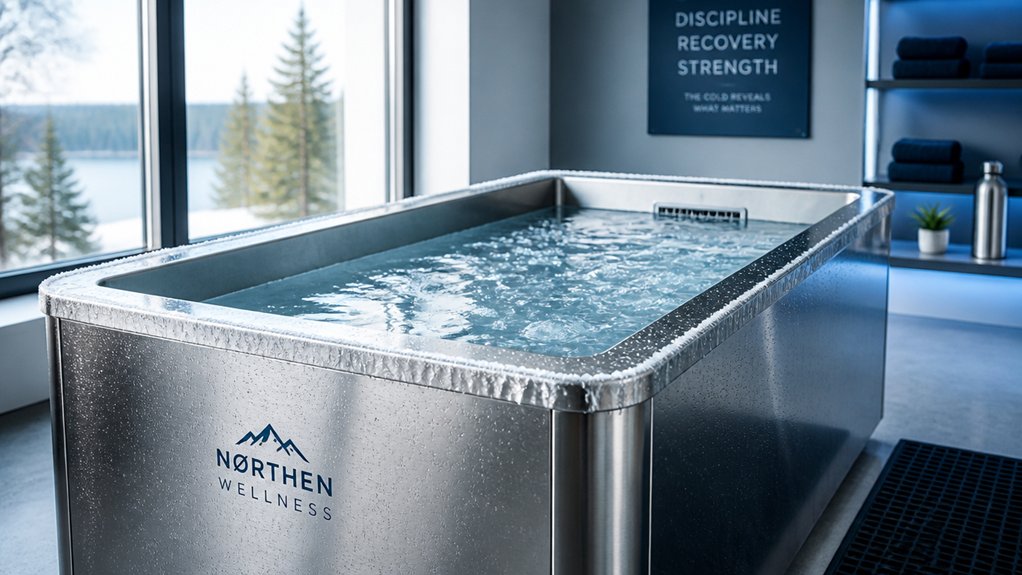
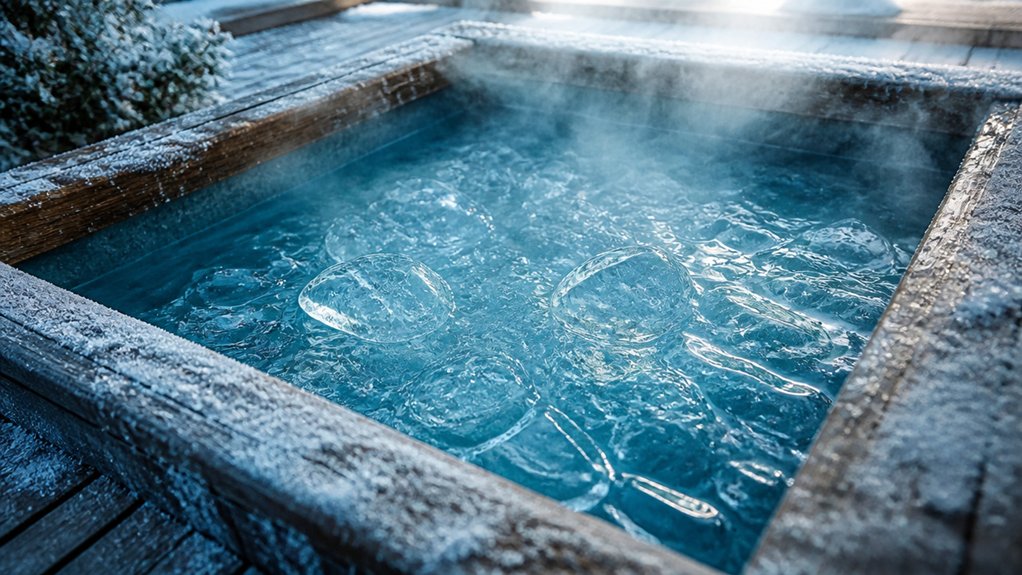
What exactly is cold water therapy, and how does it help reduce inflammation? Cold water therapy, also called cold-water immersion, involves submerging your body in water between 50-59°F (10-15°C) for a few minutes. This triggers vasoconstriction, causing blood vessels to constrict and decrease blood flow to inflamed tissues. This process helps reduce inflammation, muscle soreness, and swelling after exercise.
After the cold immersion, reactive vasodilation improves circulation, aiding in flushing out inflammatory waste from muscles. Cold water therapy also decreases levels of pro-inflammatory substances and cytokine activity, calming the inflammatory response in soft tissues. Short, controlled sessions safely promote anti-inflammatory effects, supporting recovery and reducing inflammation without significant risk.
How Cold Water Therapy Affects Your Body and Recovery
When you undergo cold water therapy, your body’s immediate response is vasoconstriction—a tightening of blood vessels—that reduces blood flow to inflamed or fatigued areas. This process helps reduce inflammation and swelling, supporting faster muscle recovery.
Cold water therapy causes vasoconstriction, reducing inflammation and supporting faster muscle recovery.
Cold water immersion therapy causes your blood vessels to constrict, then relax, creating a pumping effect that flushes out metabolic waste and eases soreness.
Immersing in water between 50-59°F for 1-5 minutes activates anti-inflammatory processes, promoting tissue repair. Cold exposure also triggers immune function, enhancing your body’s ability to manage inflammation and repair damage.
Additionally, cold water therapy can help lower cortisol levels and raise dopamine, supporting overall recovery and mental resilience. These combined effects make cold water therapy an effective tool to accelerate your healing process safely. High-powered chillers ensure rapid and precise cooling, making the therapy more effective and convenient.
Best Practices for Safe and Effective Cold Water Immersion
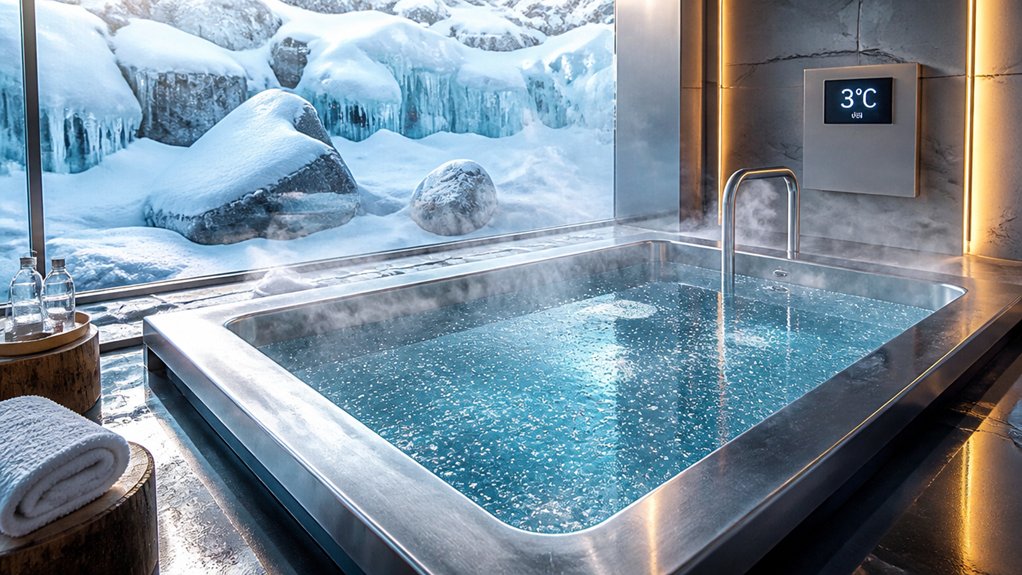
To guarantee you get the benefits of cold water immersion safely, it’s important to follow proven guidelines. Keep your cold plunge water temperature between 50-59°F (10-15°C) to maximize anti-inflammatory effects while preventing hypothermia or frostbite.
Limit immersion to 1-5 minutes, starting with shorter durations to assess your tolerance. To gradually acclimate, begin with cold showers or limb immersion before attempting full-body cold plunge water immersion.
Avoid plunging immediately after strength training; wait at least four hours to prevent interference with muscle growth. Always rewarm slowly afterward with towels and warm clothing to restore body temperature, ensuring vasoconstriction doesn’t last too long.
Using high-quality insulation and durable materials can help maintain consistent water temperatures and enhance safety during your cold water sessions. These practices optimize safety and efficiency in cold water exposure, enhancing inflammation reduction.
How to Tell If Cold Therapy Is Helping Your Inflammation
After following the proper cold water immersion guidelines, you’ll want to know if the therapy is actually reducing inflammation. Cold therapy should produce noticeable signs like reduced muscle soreness and swelling within hours to a day.
Cold therapy reduces soreness and swelling within hours to a day after proper immersion.
If you see a decrease in joint stiffness or tenderness after ice baths or cold-water plunges, it indicates effective inflammation reduction. Improved recovery time from exercise or injury also suggests your anti-inflammatory response is working.
Look for reduced heat and redness in inflamed areas—these indicate blood vessel constriction, which helps lower inflammation. Additionally, enhanced comfort and increased range of motion in muscles and joints show cold therapy is safely mitigating inflammation. Proper insulation in your ice bath ensures the water stays cold longer, maximizing anti-inflammatory benefits.
These signs confirm cold therapy is helping you achieve muscle relief and reduce inflammation effectively.
Who Should Be Careful When Using Cold Water Therapy and Why
Individuals with certain health conditions should approach cold water therapy with caution. If you have high blood pressure, heart disease, or diabetes, consult a healthcare provider before engaging in cold plunging, as cold exposure can elevate blood pressure and strain your heart.
People prone to dizziness or fainting should be cautious, since sudden cold water immersion can trigger hyperventilation or vertigo. Prolonged exposure increases risks of hypothermia and frostbite, especially if you stay in water below 50°F (10°C).
Pregnant women or those with poor circulation, nerve damage, or cold agglutinin disease should avoid cold plunging altogether. Always limit baths to 1–5 minutes and listen to your body to prevent adverse effects like numbness or impaired motor control. Proper insulation and temperature control can help mitigate some risks associated with cold water immersion.
Frequently Asked Questions
Does Cold Plunge Really Help With Inflammation?
Yes, cold plunge helps with inflammation by constricting blood vessels, reducing swelling, and lowering cytokine activity. It flushes out waste, decreases soreness, and speeds up recovery when done safely for 1-5 minutes within recommended temperatures.
How Long Should I Cold Plunge for Inflammation?
You should cold plunge for 1 to 5 minutes to safely reduce inflammation. Start with 30 seconds to a minute if you’re a beginner, gradually increasing as tolerated, but avoid exceeding 5 minutes to prevent adverse effects.
How to Flush Inflammation Out of Your Body Fast?
To flush inflammation quickly, you should combine cold plunge therapy with proper hydration, gentle movement, and anti-inflammatory foods. This approach boosts blood flow, reduces swelling, and helps your body clear metabolic waste efficiently.
What Is the Best Therapy to Reduce Inflammation?
Cold plunge therapy is the best way to reduce inflammation safely. It constricts blood vessels, limits swelling, accelerates waste removal, and, when properly timed, minimizes risks. Combining it with contrast therapy can enhance overall vascular benefits effectively.