You can reduce chronic inflammation with cold water immersion by constricting blood vessels and lowering pro-inflammatory cytokines while boosting anti-inflammatory responses. Techniques like ice baths at 10-15°C or whole-body cryotherapy are effective, especially when done gradually and safely. Using portable ice baths at home makes it easier to maintain consistent sessions, but it’s important to follow safety guidelines. Keep exploring to discover practical tips for safe and effective inflammation management through immersion.
What Is Chronic Inflammation and Why Does It Matter?
Have you ever wondered why some aches and pains stick around long after an injury? That’s often due to chronic inflammatory responses, which cause systemic inflammation. Unlike short-term inflammation, chronic inflammation lasts for months or years, leading to ongoing tissue damage. Using targeted recovery oils and serums after activities like ice-baths can help reduce inflammation and support the healing process.
It triggers inflamed joints, pain, stiffness, and reduced mobility, affecting your daily activities. Persistent immune activation isn’t just uncomfortable; it also ramps up disease activity and raises your risk of serious health issues like heart disease, stroke, and certain cancers. Factors like autoimmune conditions, obesity, smoking, and stress keep this inflammation going. Managing it’s essential—not just to ease discomfort, but to protect your overall health and prevent long-term damage. Understanding chronic inflammation helps you take steps toward better well-being.
How Cold Water Immersion Affects Blood Flow and Immune Response
Cold water immersion quickly induces vasoconstriction, narrowing blood vessels and reducing blood flow to the skin and tissues beneath. This limits vessel inflammation and swelling, supporting recovery.
As blood flow decreases, pro-inflammatory cytokines decline, while anti-inflammatory cytokines increase, helping to modulate your immune response. During immersion, your nervous system activates, releasing adrenaline and noradrenaline, which reduces pain perception and enhances anti-inflammatory effects.
Repeated cold water immersion can adapt your physiology, providing long-term regulation of inflammation and a balanced immune system. Incorporating adaptogens may further support stress response and immune modulation during recovery.
To paint a clearer picture:
- Blood vessels constrict sharply, limiting circulation.
- Cytokine levels shift, reducing inflammation.
- Your immune response becomes more balanced over time.
This process underscores how cold water immersion impacts blood flow and immune function for inflammation management.
Does Cold Water Immersion Help Reduce Inflammation Markers?
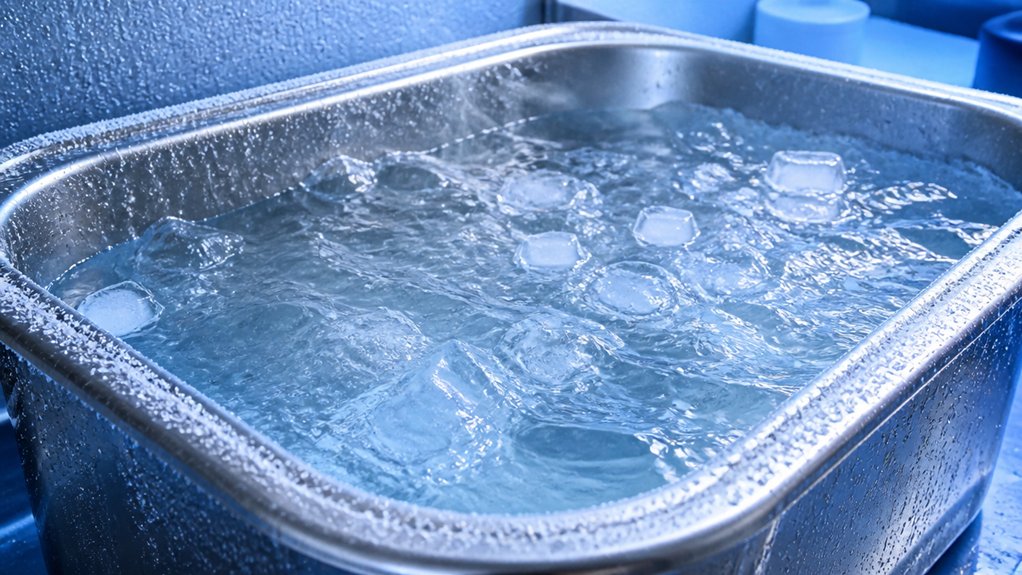
Cold water immersion has been shown to reduce key inflammation markers like CRP and IL-1β, indicating its potential to lower systemic inflammation. Scientific studies, including cryotherapy research, support these anti-inflammatory effects, especially in chronic conditions. While some immune indicators may temporarily rise, overall cold exposure helps regulate inflammatory responses, making it a promising complementary therapy. Incorporating targeted wavelengths and device modes can further enhance recovery and inflammation reduction.
Cold Exposure and Inflammatory Markers
Research indicates that immersing your body in cold water can actively reduce key markers of inflammation in the body. Cold Water Immersion Help by lowering inflammatory markers like C-reactive protein (CRP) and interleukin 1 beta (IL-1β), especially in rheumatoid arthritis patients and athletes. This cold exposure can help reduce inflammation and improve overall health. Additionally, magnesium-based creams may support muscle recovery and reduce soreness post-immersion, complementing the anti-inflammatory effects. Repeated cold exposure also induces physiological adaptations that sustainably lower chronic inflammation markers. Additionally, some cold water activities, like cold water swimming, may temporarily boost white blood cell counts, helping immune function rather than harmful inflammation.
Here are three ways cold exposure impacts inflammation:
- Lowers pro-inflammatory cytokines, providing relief from chronic conditions.
- Boosts anti-inflammatory cytokines, supporting healing.
- Enhances immune response, with white blood cells helping fight inflammation.
Scientific Evidence Supporting Cold
Numerous scientific studies demonstrate that cold water immersion can effectively reduce inflammation markers like C-reactive protein (CRP) and interleukin 1 beta (IL-1β). Cold therapy reduces systemic inflammation by lowering pro-inflammatory cytokines and increasing anti-inflammatory cytokines, supporting recovery and health. Research shows significant decreases in inflammatory biomarkers after cold water immersion sessions, making it a promising approach to combat chronic inflammation. Although cold exposure can transiently boost white blood cell counts, it ultimately benefits immune defense. Cold water immersion’s anti-inflammatory effects relate to reduced vessel inflammation and heart rate, which further help decrease chronic inflammation markers. Additionally, the use of advanced sensor accuracy under cold stress ensures reliable monitoring during cold exposures.
Which Cold Immersion Techniques Are Best for Reducing Inflammation?
Which cold immersion technique suits your inflammation reduction needs best depends on your goals and circumstances.
If you want full-body relief, consider:
- Ice baths at 10-15°C, which induce vasoconstriction and lower inflammatory cytokines, easing inflammation and pain.
- Whole body cryotherapy, exposing you to extreme cold air (-110°C to -140°C) for a few minutes, shown to markedly reduce inflammatory markers like CRP, especially in chronic conditions.
- Localized cold treatments, like ice packs or cold compression, target specific inflamed areas to diminish swelling and pain without whole-body exposure.
- Using advanced insulation in ice baths can help maintain consistent low temperatures longer, enhancing their effectiveness in reducing inflammation.
Each method can support managing chronic inflammation, with ice baths and cryotherapy offering systemic benefits while localized treatments focus on precise relief.
How to Safely Use Cold Water Immersion at Home
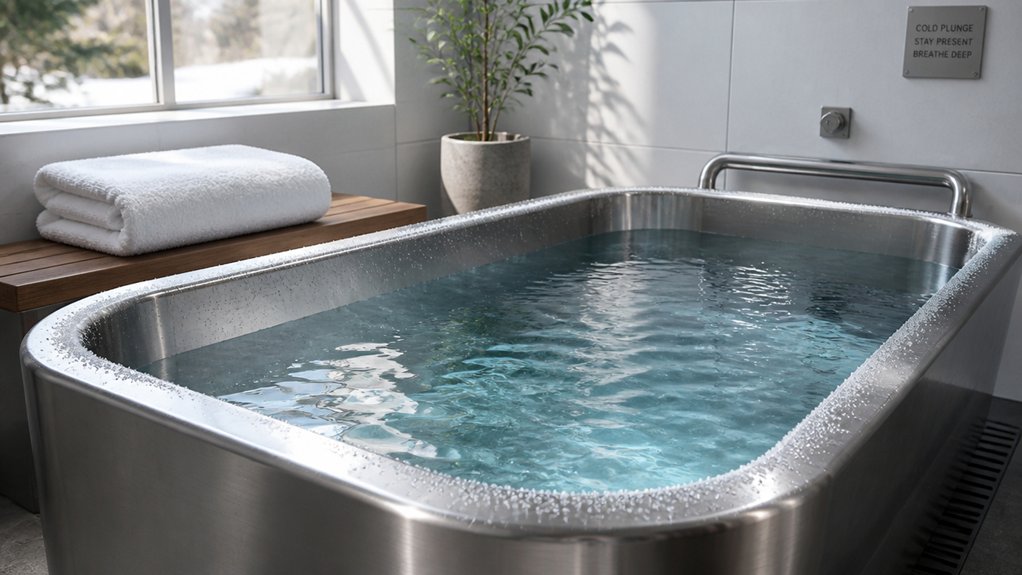
To safely incorporate cold water immersion into your routine at home, it’s important to start gradually and pay close attention to how your body responds. Begin with a cold plunge at moderate temperatures between 10-15°C, starting with short sessions and increasing duration as you adapt. Using temperature control options, such as built-in chillers or external devices, can help maintain consistent and safe water temperatures. Water immersion help reduce inflammation and can support your health, but guarantee safety by monitoring for signs of discomfort, hypothermia, or frostbite. Always have someone nearby, especially if you have cardiovascular, respiratory, or chronic health conditions. Use insulated, easy-to-use portable ice baths like the Ice Barrel for controlled temperature and privacy. Physical therapists often recommend consulting a licensed physical before beginning cold therapy to confirm it’s safe and appropriate for your individual needs.
How Cold Plunges Help Reduce Swelling and Muscle Cramps
Ever wondered how cold plunges can directly reduce swelling and muscle cramps? When you immerse yourself in cold water, it causes vasoconstriction, cutting blood flow to swollen tissues, which helps reduce swelling and muscle cramps.
Cold plunges reduce swelling and cramps by constricting blood flow and calming inflammation.
Cold plunges also lower pro-inflammatory cytokines, calming inflammation that tightens muscles and causes cramps. Here’s what happens during immersion:
- Vasoconstriction reduces blood flow, easing swelling and cramps.
- Lowered inflammatory markers promote muscle relaxation.
- Cold shock stimulates your nervous system, providing pain relief and decreasing spasms.
Regular cold plunges help your body adapt, promoting ongoing inflammation control and faster muscle recovery. This immersion not only diminishes acute pain but also supports long-term relief from chronic inflammation-related cramps and swelling.
What Temperature and Duration Work Best for Cold Therapy?
What temperature and duration are most effective for cold therapy? For reducing inflammation, water temperatures between 10-15°C (50-59°F) work best during initial immersion.
Short sessions of 1-3 minutes help your body adapt safely, while gradually increasing to 10-15 minutes improves control inflammation over time. Regular therapy improves your response, with multiple hours per week optimizing results.
Targeted techniques, like localized cold packs, can be applied for 10-20 minutes to specific inflamed areas without risking tissue damage. Professional guidelines emphasize monitoring your response closely and avoiding prolonged exposure beyond 20 minutes.
Choosing an efficient high-powered chiller can help you maintain consistent temperature control during your therapy sessions, ensuring safety and effectiveness. This approach guarantees safe, effective cold water therapy that improves your ability to control inflammation sustainably.
How to Monitor Your Response and Recognize Cold Therapy Risks
As you try cold therapy, keep an eye out for signs of hypothermia like slurred speech or slow breathing, and stop immediately if you notice them.
Maintaining appropriate water temperature and duration helps prevent risks, so monitor how your body reacts closely. It’s also smart to have someone with you during sessions in case you need help quickly.
Recognize Hypothermia Signs
Monitoring your body’s responses during cold immersion is essential to recognize signs of hypothermia early. Pay close attention to how you feel physically and mentally, as these clues can signal dangerous heat loss during cold therapy.
Watch for:
- Intense shivering that doesn’t stop, indicating your body is struggling to generate heat.
- Slurred speech, confusion, or dizziness, suggesting declining mental function.
- Slow or shallow breathing, and extreme fatigue, which may signal your body is losing heat too quickly.
If you notice these signs, immediately remove yourself from the cold, warm up gently, and avoid rapid rewarming. Recognizing early hypothermia symptoms helps prevent serious health risks and inflammation from prolonged cold immersion.
Maintain Temperature Control
Maintaining proper temperature control during cold water immersion is essential for safety and effectiveness. You should start with moderate temperatures between 10-15°C and gradually increase exposure time while monitoring your bodily response.
Using a thermometer or temperature-controlled systems can help you maintain consistent and safe water temperatures. This control is critical to avoid hypothermia, which presents symptoms like shivering, slurred speech, slow breathing, and fatigue—threats that require immediate stop of therapy.
Always be aware of these signs and never practice cold immersion alone; having a support person nearby is indispensable in emergencies. Remember, therapy helps reduce inflammation, but an all-encompassing approach involves careful temperature control and professional guidance, especially if you have underlying health conditions.
Have Support During Sessions
Having a support person present during cold water immersion is essential for your safety, especially when you’re unfamiliar with the body’s responses or trying new exposure durations.
They can help monitor your body’s response and react quickly if you show signs of hypothermia or distress. To stay safe, keep these points in mind:
- Watch for signs like intense shivering, numbness, or slurred speech, and stop immediately if they occur.
- Use gradual exposure, starting with short sessions in moderate cold and increasing duration carefully.
- Avoid cold water immersion alone, especially if you have chronic health conditions, since cold shock might dangerously affect your heart and blood pressure.
Having support helps you recognize risks early and stay safe during cold therapy.
Combining Cold Water Immersion With Lifestyle Changes for Better Results
Pairing cold water immersion with healthy lifestyle changes amplifies its anti-inflammatory effects and promotes overall well-being. Combining immersion with activities like an anti-inflammatory diet, stress management techniques, and regular aerobic exercise helps you manage symptoms and reduce joint inflammation. These lifestyle changes boost circulation, support tissue healing, and improve sleep, enhancing the benefits of cold therapy. Incorporate these strategies into your routine for maximum effect:
| Lifestyle Change | Benefits |
|---|---|
| Anti-inflammatory diet | Reduces pro-inflammatory cytokines |
| Stress management (yoga, meditation) | Lowers inflammation markers like TNFα |
| Aerobic exercise & stretching | Improves circulation and tissue repair |
| Adequate sleep | Enhances recovery and inflammatory control |
Together, these approaches create a thorough plan to effectively manage chronic inflammation.
Are Portable Ice Baths a Good Option for Cold Therapy?
Portable ice baths make cold therapy more accessible and easy to use almost anywhere, helping you stay consistent with your inflammation reduction goals.
They also offer precise temperature control, allowing you to personalize your cold exposure safely. Plus, they’re cost-effective and convenient, providing privacy and hygiene without the expense of professional treatments.
Convenience and Accessibility
Are portable ice baths a practical choice for cold therapy? Absolutely, they make managing chronic inflammation easier and more convenient. You can set up cold therapy anywhere, whether at home or the gym.
Here’s what they offer:
- Ease of use: Quick setup means less hassle and more consistent cold therapy sessions.
- Temperature control: Adjust the cold to suit your comfort, optimizing therapy effectiveness.
- Cost-effectiveness: A one-time investment that saves ongoing trips to cryotherapy centers, making cold therapy more accessible long-term.
With portable ice baths, you get privacy, hygiene, and personalized treatment options. They’re a convenient, accessible, and budget-friendly solution to help reduce chronic inflammation effectively.
Temperature Control Benefits
Because precise temperature control is essential for effective cold therapy, portable ice baths offer significant advantages in maintaining consistent cold exposure. They allow you to set and adjust temperatures between 10-15°C, enabling a gradual, safe approach to managing inflammation.
This temperature control optimizes vasoconstriction, helping to reduce swelling and decrease pro-inflammatory cytokines while boosting anti-inflammatory ones. With portable ice baths, you enjoy convenient, private cold therapy at home, improving your adherence to regular immersion routines vital for reducing chronic inflammation.
Adjustable settings also prevent overexposure to extreme cold, decreasing risks like hypothermia or cold shock. Overall, portable ice baths provide reliable, controlled cold therapy, making them a smart option for effectively managing inflammation and supporting your recovery process.
Cost and Setup Factors
When considering cold therapy options, cost and setup are important factors that can influence your choice. Portable ice baths are a popular option because of their convenience and ease of setup for cold immersion. They come with features like adjustable temperature control, allowing you to customize the cold exposure for safety and effectiveness.
These baths are also cost-effective in the long run, reducing ongoing clinic fees associated with professional cryotherapy. Setup considerations include ensuring enough space, managing water temperature regulation, and the initial effort of filling and draining the bath.
To paint a picture:
- Portable ice baths are easy to set up anywhere.
- Adjustable temperature control enhances safety.
- They’re a budget-friendly alternative to professional cryotherapy.
What Are Realistic Benefits and Limits of Cold Water Immersion?
Cold water immersion can offer tangible anti-inflammatory benefits, but understanding its realistic scope is key. While it can reduce pain and swelling by lowering pro-inflammatory cytokines and increasing anti-inflammatory ones, results vary among individuals. It’s a valuable complementary therapy, especially for conditions like arthritis, fibromyalgia, or skin inflammation. Regular immersion may lower markers like CRP and IL-1β, supporting its anti-inflammatory effects, but it’s not a cure. You need to incorporate cold water immersion into a broader plan involving lifestyle modifications. Safety precautions, like gradual exposure, are essential to avoid hypothermia.
| Benefits | Limits |
|---|---|
| Reduce pain and swelling | Requires consistent use |
| Supports inflammation balance | Not a standalone solution |
| Alleviates muscle and nerve pain | Needs careful safety measures |
| Enhances overall well-being | Variable results among users |
Frequently Asked Questions
What Is the Fastest Way to Get Rid of Chronic Inflammation?
The fastest way to reduce chronic inflammation is through regular cold water immersion or cryotherapy, combining these with contrast therapy to boost circulation and reduce swelling quickly. Consistency and proper supervision maximize safe, effective anti-inflammatory results.
What Can I Soak in to Reduce Inflammation?
You can soak in cold water or ice baths to reduce inflammation. This method induces vasoconstriction, lowers pro-inflammatory cytokines, and decreases swelling and pain, helping your body recover from chronic inflammation effectively.
Does Cold Water Immersion Reduce Inflammation?
Yes, cold water immersion reduces inflammation by causing vasoconstriction, lowering blood flow, and decreasing tissue inflammation. It also boosts anti-inflammatory cytokines, reduces inflammatory markers, and alleviates symptoms in conditions like arthritis and fibromyalgia.
What to Put in Water to Reduce Inflammation?
To reduce inflammation in water, add Epsom salts for magnesium absorption, arnica or chamomile extracts for soothing effects, baking soda to balance pH, and essential oils like eucalyptus or peppermint for enhanced anti-inflammatory benefits.