
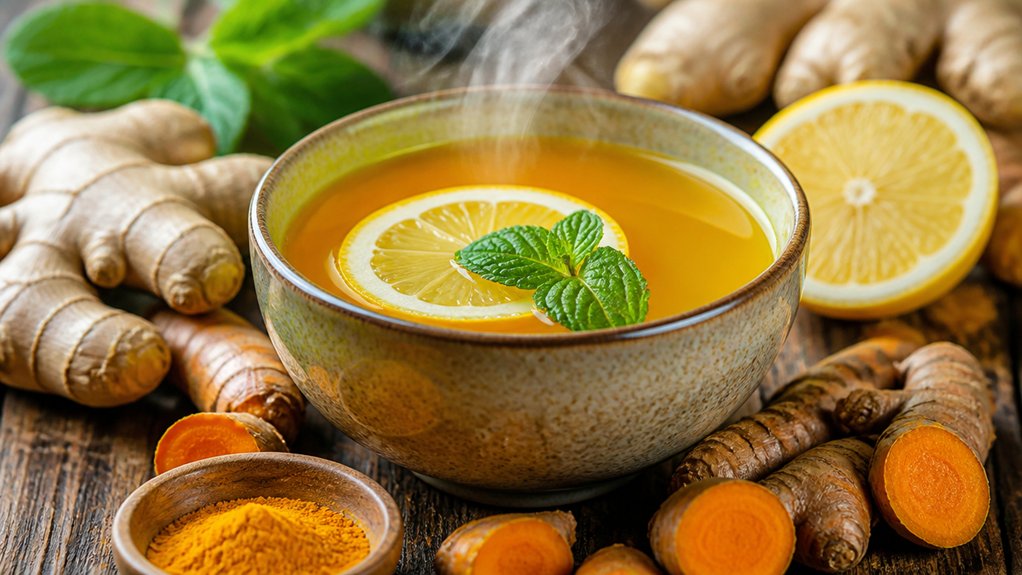
To reduce inflammation, start by avoiding processed foods, added sugars, refined grains, and saturated fats, replacing them with colorful fruits, vegetables, healthy fats, and whole grains. Gradually incorporate anti-inflammatory foods like salmon, nuts, and legumes while cutting back on triggers. Add regular exercise, manage stress, and prioritize good sleep. Consistent, sustainable changes help lower your body’s immune response. Keep exploring these steps further to discover more tips for a healthier, less inflamed body.
What Is Chronic Inflammation and Why Does It Matter?
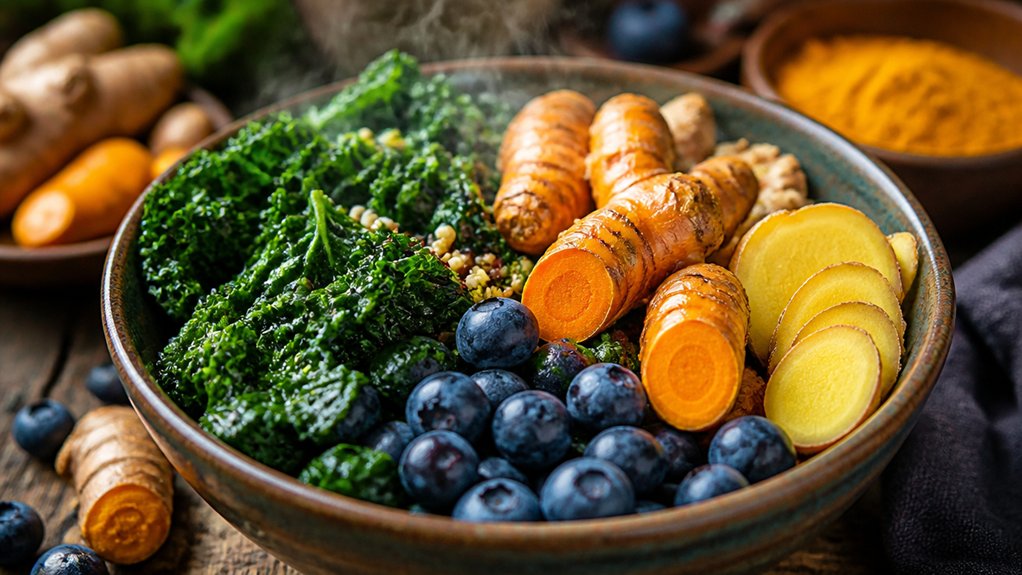
What exactly is chronic inflammation, and why should you care? It’s a slow, persistent immune response that lasts for months or even years. Unlike acute inflammation, which fights off infections or heals injuries, chronic inflammation bites back without a clear cause.
A variety of natural adaptogens can help modulate this ongoing process and support your body’s resilience.
Your immune system mistakenly attacks healthy tissues, damaging arteries, organs, and joints over time. This ongoing process can boost your risk of serious health issues like heart disease, diabetes, obesity, and even Alzheimer’s. The signs are subtle—mild fatigue or discomfort that you might overlook.
Factors like poor diet, stress, smoking, and pollution can fuel this inflammation, making it worse. Understanding chronic inflammation is essential because it quietly damages your body and increases your risk of major illnesses.
Foods to Avoid for an Anti-Inflammatory Diet
Many common foods can promote inflammation in the body, undermining your efforts to maintain health and reduce chronic inflammation. Processed foods like microwave dinners, hot dogs, processed meats, sugary cereals, sauces, and baked goods contain high levels of salt, saturated fats, and added sugars, fueling inflammation.
Cut out foods with added sugars, such as sodas, candies, flavored yogurts, and pre-packaged dressings, as they trigger inflammatory responses. Avoid refined grains like white bread, white rice, and white pasta, which are linked to increased inflammatory markers.
Additionally, steer clear of foods high in saturated fats, including fried foods, certain dairy products, and processed meats. Limiting these foods helps decrease inflammation, lowering your risk for chronic diseases and supporting overall health.
Emphasizing pH-balanced cleansing agents in your skincare routine and avoiding irritants contributes to a healthier skin barrier, supporting your body’s natural ability to fight inflammation from within.
Easy Anti-Inflammatory Foods to Start Eating Today
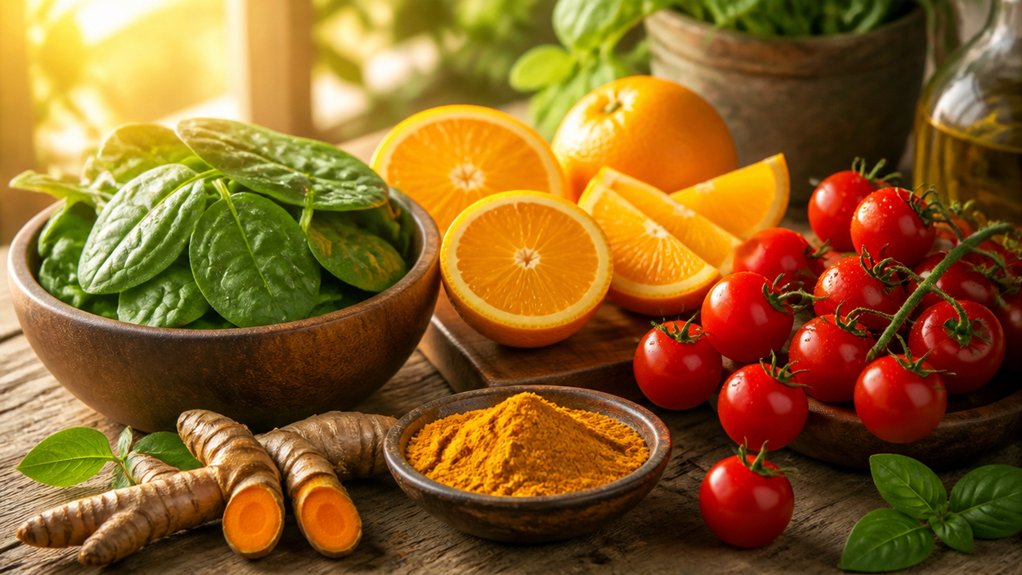
Incorporating anti-inflammatory foods into your daily diet can greatly reduce inflammation and boost overall health. Focus on whole foods like colorful fruits and vegetables—berries, spinach, and carrots—aiming for at least six half-cup servings daily to benefit from their antioxidants and polyphenols. Using healthy fats like extra virgin olive oil or avocado oil for cooking and dressings instead of processed trans fats is also beneficial. Adding legumes, nuts, and seeds provides fiber and anti-inflammatory nutrients, helping you fight inflammation with simple, everyday choices. Incorporate magnesium-rich foods or supplements to support muscle relaxation and nerve function, further enhancing your anti-inflammatory efforts.
Step-by-Step Guide to Transitioning Your Diet Gradually
Are you wondering how to make healthy dietary changes without feeling overwhelmed? Shifting to an anti-inflammatory diet is easier when you do it gradually. Here’s how:
- Reduce ultra-processed foods and added sugars, replacing them with whole fruits, vegetables, and whole grains at each meal.
- Slowly swap saturated fats like butter and processed meats with anti-inflammatory fats such as extra virgin olive oil and avocado oil.
- Incorporate omega-3 rich foods like salmon, walnuts, and flaxseeds, aiming for two servings of fatty fish weekly.
- Boost your daily fiber intake with legumes, oats, and colorful vegetables, targeting 25g for women and 38g for men.
Practical Tips for Staying on Track and Building Healthy Habits
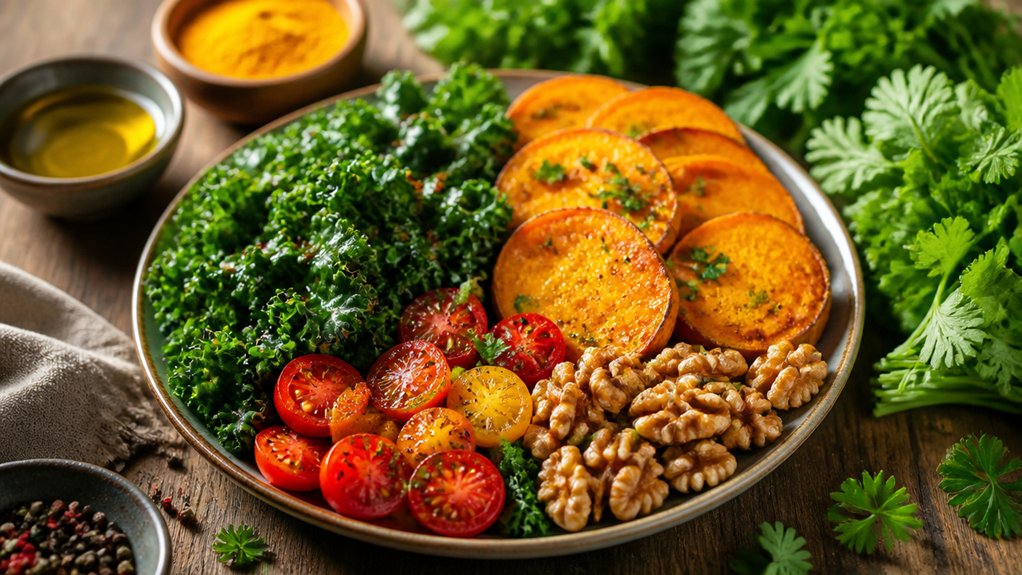
Staying on track with your anti-inflammatory goals becomes easier when you establish practical habits and create a supportive environment. Incorporate herbs and spices like turmeric, ginger, and cinnamon regularly—they add flavor and anti-inflammatory benefits without extra calories.
Establish practical habits and supportive surroundings to easily stay aligned with your anti-inflammatory goals.
Fill your meals with whole fruits, vegetables, and lean proteins to provide essential nutrients that fight inflammation. Plan and prepare your meals ahead of time to avoid resorting to convenience foods high in salt and unhealthy fats.
Gradually reduce intake of ultra-processed foods and sugary drinks to make sustainable changes. Focus on fiber- and antioxidant-rich dishes, such as oatmeal with berries or salads with beans and nuts.
Tracking your progress and seeking support from dietitians or wellness programs keeps you motivated and helps tailor your habits for long-term success.
Lifestyle Changes That Naturally Help Reduce Inflammation
Implementing lifestyle changes such as regular exercise, healthy weight management, stress reduction, quality sleep, and avoiding smoking and excessive alcohol intake can naturally lower inflammation levels. These steps influence your eating pattern and overall health, helping combat chronic inflammation.
To maximize benefits:
- Engage in 30-45 minutes of aerobic exercise and 10-25 minutes of resistance training 4-5 times weekly.
- Achieve and maintain a healthy weight, as obesity worsens chronic inflammation.
- Manage stress through meditation, yoga, or guided imagery to reduce inflammatory responses.
- Prioritize quality sleep, as poor rest elevates inflammatory markers like hs-CRP.
- Incorporate supplements with bioavailable vitamin D, which supports immune and muscle health, vital for inflammation reduction. Bioavailability of vitamin D
Additionally, avoiding smoking and limiting alcohol to one drink or less helps prevent gut disruption. Focusing on whole, nutrient-dense foods supports reduced inflammation naturally.
Frequently Asked Questions
What Are the 5 Steps of the Inflammatory Process?
The five steps are recognition of injury, vasodilation, increased vascular permeability, leukocyte migration, and resolution and repair. You observe initial signals, notice redness and warmth, see swelling, witness immune cells moving, and ultimately see healing and tissue regeneration occur.
How to Flush Inflammation Out of Your Body Fast?
To flush inflammation fast, cut out processed foods, sugars, and trans fats; eat anti-inflammatory foods like salmon and berries; stay hydrated with water and herbal teas; exercise regularly; and prioritize quality sleep and stress relief techniques.
What Are the 4 Steps of Inflammation?
You detect injury, triggering chemical signals like histamines; then vasodilation increases blood flow, bringing immune cells; these cells attack pathogens and repair tissue; finally, anti-inflammatory signals promote healing, ending inflammation when the process completes successfully.
What Are the 12 Everyday Habits to Lower Inflammation?
You can lower inflammation by eating colorful fruits and vegetables, choosing whole grains, adding omega-3 foods, limiting processed foods and sugars, managing stress, exercising regularly, staying hydrated, getting enough sleep, avoiding smoking, maintaining a healthy weight, practicing mindfulness, and reducing alcohol intake.