
To reduce joint inflammation with plunge therapy, immerse your joints in 50–59°F water for 3–5 minutes to constrict blood vessels, lower tissue temperature, and lessen swelling. This process calms irritated tissues and nerve endings, providing quick pain relief and improving mobility over time. Regular sessions a couple of times weekly can support recovery and joint health. Keep safety in mind, and discover how to maximize the benefits as you explore this effective approach.
Understanding Cold Plunge Therapy and How It Reduces Joint Swelling
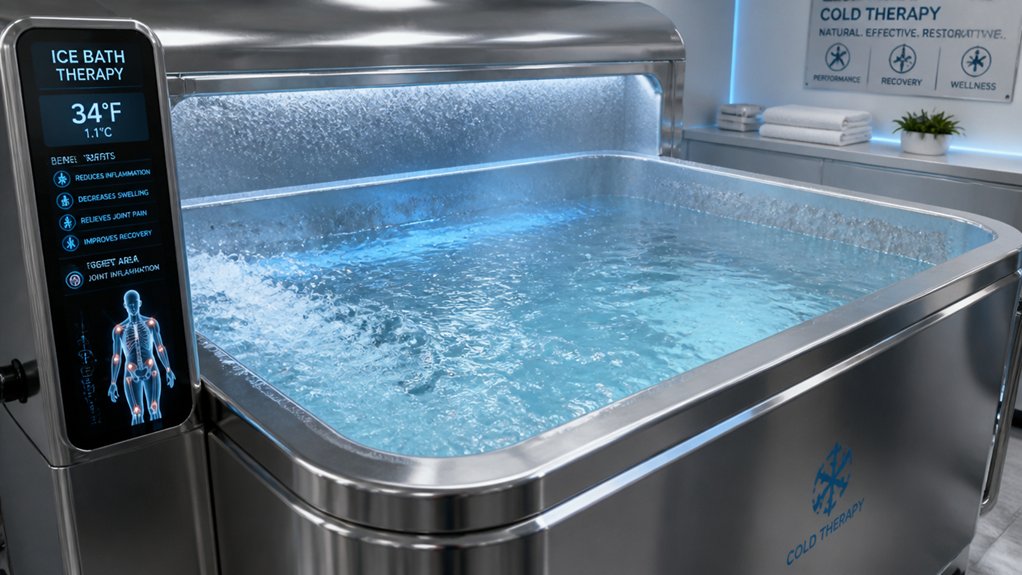
Cold plunge therapy works by immersing your joints in water heated between 50°F to 59°F for 3 to 5 minutes, causing blood vessels to constrict. This vasoconstriction reduces blood flow temporarily, which helps decrease inflammation and joint swelling. A high-quality energy-efficient chiller ensures precise temperature control and consistent performance during each session. Cold water immersion calms inflamed joint tissues by lowering their temperature, numbing nerve endings that cause pain. As the body responds to the cold, blood vessels tighten, reducing swelling and easing discomfort.
When you finish the cold plunge, rewarming improves circulation, delivering fresh nutrients and oxygen, which supports healing and joint mobility. Regular cold water immersion, about 2–3 times a week, can effectively lessen persistent swelling and improve flexibility—all while avoiding medication side effects.
Always follow safety measures to prevent frostbite or hypothermia.
How Does Cold Water Immersion Help Reduce Inflammation?
When you immerse yourself in cold water, your blood vessels constrict, which helps reduce swelling and eases pain in inflamed joints. As you warm up afterward, increased blood flow delivers oxygen and nutrients that promote healing. This process also triggers hormonal responses that further help manage inflammation and speed recovery. Using a waterproof thermometer to accurately monitor the temperature can enhance the effectiveness and safety of your cold plunge therapy.
Blood Vessel Constriction
Vasoconstriction is a key mechanism by which cold water immersion helps reduce inflammation in joints. When you step into a cold plunge, your blood vessels constrict, narrowing blood flow to the inflamed areas. This reduction limits the delivery of inflammatory cells and chemicals, decreasing swelling and joint inflammation. Additionally, temperature-controlled tubs with optimized cooling efficiency ensure consistent therapeutic effects during each session. By constricting blood vessels, cold therapy also slows cellular metabolism in the tissues, which helps control the inflammatory response. The decreased blood flow helps reduce heat and redness often associated with arthritis flare-ups.
After the cold exposure, rewarming causes vasodilation, flushing out waste products and increasing nutrient flow. This process facilitates quicker recovery and lessens joint inflammation, making cold plunge therapy an effective way to manage joint-related discomfort.
Reduced Swelling and Pain
Immersion in chilly water directly impacts inflammation and discomfort in your joints by causing vasoconstriction, which narrows blood vessels and reduces blood flow to affected areas. This process, part of cold water plunge therapy, effectively helps in reducing inflammation and swelling.
Cold water immersion cools nerves, providing temporary numbing that alleviates joint pain stemming from inflammation. Cold therapy can help calm inflamed tissues and diminish pain sensations quickly.
When you spend 3–15 minutes in water between 50–59°F, inflammatory markers in your joint tissues decrease, lowering the risk of flare-ups. Regular cold water immersion, two to three times weekly, promotes reduced swelling and pain by controlling joint inflammation, making it a valuable addition to your pain management routine. Adjusting your water temperature with a reliable ice bath chiller ensures consistent therapy sessions and better results.
Enhanced Blood Flow Post-Treatment
After exiting cold water, your blood vessels undergo reactive vasodilation, rapidly increasing blood flow to the affected joints. This surge enhances circulation, delivering oxygen-rich blood and nutrients that support healing and reduce inflammation. Cold plunge therapy initiates vasoconstriction during immersion, limiting swelling and inflammatory molecules. When you finish the immersion, vasodilation flushes out waste products accumulated in joint tissues. This cyclical process boosts microcirculation and tissue repair, helping joints recover faster. Studies confirm that immersing in water at 50–59°F for 10–15 minutes optimizes this blood flow response and heightens anti-inflammatory effects.
| Step | Effect | Purpose |
|---|---|---|
| Cold plunge immersion | Vasoconstriction | Reduce swelling |
| Exiting the water | Vasodilation | Increase blood flow |
| Blood flow increase | Flushes waste | Accelerates healing |
| Enhanced circulation | Improves microcirculation | Supports tissue repair |
| Outcome | Reduced inflammation | Faster joint recovery |
How Cold Plunges Improve Arthritis Symptoms and Mobility
Cold plunges can help reduce arthritis symptoms by decreasing inflammation and easing pain and stiffness. When you immerse your joints in cold water for a few minutes, it can also boost your mobility and flexibility. Additionally, using insulated tubs with effective temperature control helps maintain consistent cold therapy sessions. Regular sessions make it easier to move comfortably during flare-ups and improve overall joint function.
Cold Therapy Reduces Inflammation
By lowering the temperature of your joints through cold plunge therapy, you activate vasoconstriction, which constricts blood vessels and reduces inflammation and swelling in arthritic joints. This process helps to decrease inflammatory markers, calming the area during arthritis flare-ups. Using appropriately designed cold plunge tubs can enhance safety and comfort during treatment. Cold plunge therapy effectively reduces inflammation by slowing blood flow, preventing excess fluid buildup, and diminishing swelling. Additionally, the reduction in inflammation can temporarily improve joint mobility, making movement less painful. Regular sessions—about 2 to 3 times weekly for 3–5 minutes—assist in managing chronic inflammation and accelerating recovery. After immersion, warming the joint helps bring fresh blood flow, promoting healing and restoring range of motion. This approach offers a natural, side-effect-free way to support arthritis treatment and joint health.
Numbs Pain and Stiffness
Immersing your joints in cold plunge water can numb nerve endings, providing immediate relief from pain and stiffness associated with arthritis.
Cold plunge therapy causes vasoconstriction, which helps reduce inflammation and swelling, calming inflamed tissues.
When you submerge in 50–59°F water for 3–5 minutes, you experience quick pain relief and decreased stiffness after activities or flare-ups. Regular cold plunge sessions, 2–3 times weekly, can enhance flexibility and range of motion by alleviating discomfort.
This natural approach offers a non-invasive way to manage symptoms and avoid medication side effects.
To summarize, cold plunge therapy:
- Reduces joint pain and stiffness
- Lowers inflammation levels
- Calms irritated tissues
- Helps decrease inflammatory mediators
- Provides swift symptom relief without medication
Boosts Joint Mobility
When you take regular cold plunge sessions, the resulting vasoconstriction and reduced swelling can greatly improve your joint mobility. Cold water plunge reduces inflammation by calming arthritis tissues and decreasing joint swelling. The cold exposure numbs nerves, offering temporary pain relief that makes moving easier. As you recover from each session, warming up stimulates fresh blood flow, which promotes tissue repair and boosts joint flexibility. Consistent cold immersion, lasting 3–5 minutes, a few times a week, can considerably enhance your ability to stretch and move without discomfort. Incorporating cold therapy improves cold retention duration, ensuring sustained relief and more effective recovery. Combining cold plunges with stretching or physical therapy magnifies these benefits, helping maintain your joint range of motion and improving overall arthritis symptoms. This approach makes cold water plunge an effective tool for supporting joint health.
How to Use Cold Plunge Therapy Safely for Joint Health
To use cold plunge therapy safely for joint health, start with water temperatures between 50°F and 59°F and limit your initial immersion to 30 seconds to 1 minute. This cautious approach helps you safely reduce inflammation while minimizing risks. Incorporate a spacious, deep tub design to enhance stability and comfort during your sessions. As you become accustomed, gradually increase your session duration to 3–5 minutes, always monitoring how your joints respond. Keep your head above water and control your breathing—inhale through your nose, exhale through your mouth—to prevent gasp reflex and maintain oxygen flow.
Begin with 50°F–59°F water for 30 seconds to 1 minute to safely support joint health.
Consider these tips:
- Use appropriate water temperatures to optimize benefits
- Limit sessions to 2–3 times weekly
- Watch for skin redness, numbness, or discomfort
- Dry off promptly and rewarm gradually
- Consult a healthcare provider if you have cardiovascular issues
How Often Should You Cold Water Immersion for Joint Swelling?
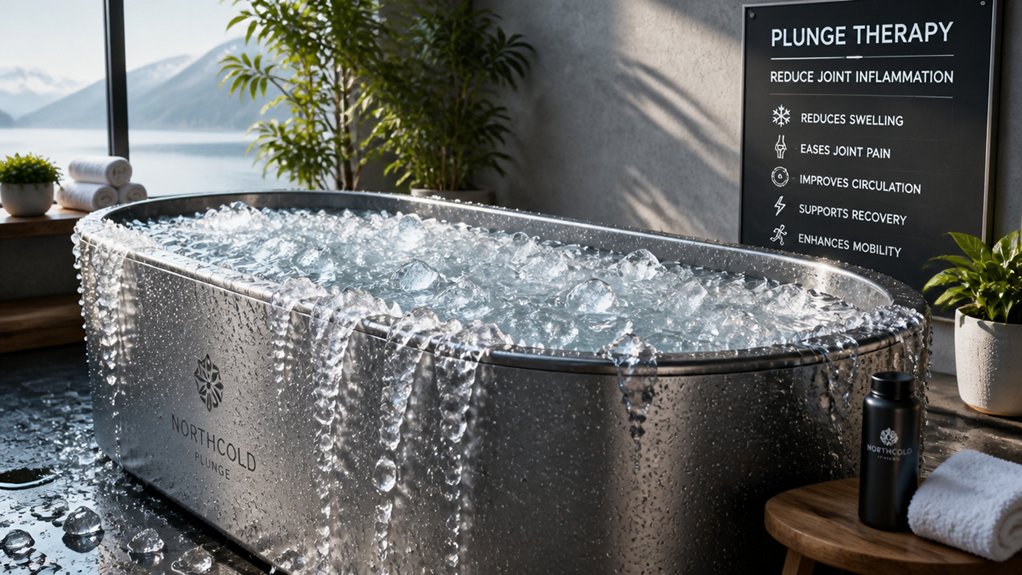
How often you should use cold water immersion for joint swelling depends on your individual response and goals, but generally, applying it 2 to 3 times a week offers ideal benefits.
For inflammation and swelling, sessions of 3 to 5 minutes are recommended to balance effectiveness and safety.
If you’re new to cold-water immersion, start with shorter durations, such as 30 seconds to 1 minute, and gradually increase as your body adapts.
Consistent use over several weeks helps reduce joint inflammation, alleviate pain, and improve mobility.
Avoid daily or prolonged immersions to prevent adverse effects.
Always monitor how your body responds and adjust frequency and session length accordingly to optimize relief from joint swelling while maintaining safety.
Cold Plunge vs. Heat Therapy and Other Anti-Inflammatory Techniques
Understanding the differences between cold plunge therapy and heat therapy reveals how each approach uniquely influences inflammation and pain relief. Cold plunge therapy, with water at 50–59°F, causes vasoconstriction, reducing joint inflammation, swelling, and pain. It quickly numbs nerves, easing stiffness during flare-ups.
Conversely, heat therapy promotes vasodilation, increasing blood flow and relaxing muscles, perfect for chronic stiffness. Combining both through contrast therapy—alternating cold and heat—optimizes inflammation control and enhances joint mobility.
Avoid heat during acute inflammation, as it can worsen swelling, while cold therapy safely lowers joint temperature. Both methods work alongside other anti-inflammatory techniques, with cold immersion especially reducing inflammatory markers and soreness faster after injury.
Incorporating these approaches can provide targeted, effective relief.
When Might Cold Therapy Not Be Suitable for Your Joints?
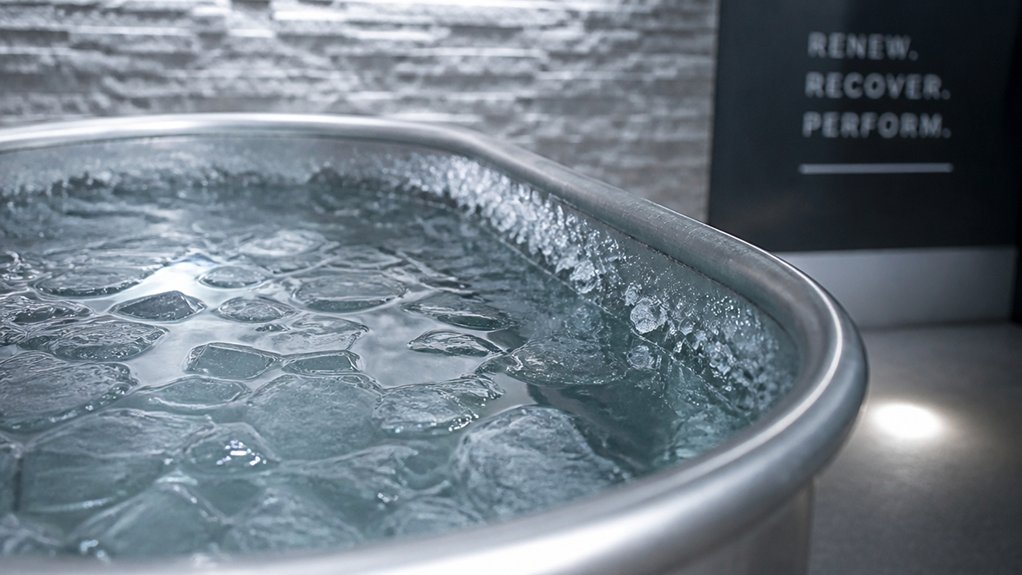
Have you considered that cold therapy mightn’t be right for everyone? Cold plunge therapy can be risky if you have poor circulation or conditions like Raynaud’s phenomenon, as cold exposure may cause severe color changes and discomfort in your extremities.
Cold therapy isn’t suitable for everyone; it can worsen symptoms in those with circulation issues or Raynaud’s phenomenon.
If you have cardiovascular disease, high blood pressure, or diabetes, it’s essential to talk to your healthcare provider beforehand, since cold immersion can strain your heart or disrupt temperature regulation.
During severe arthritis flare-ups with open wounds or skin infections, cold therapy might worsen symptoms or increase infection risk.
People with impaired temperature sensation, such as older adults or those prone to frostbite or hypothermia, should avoid prolonged cold plunges or water below 50°F.
If cold therapy causes increased joint pain or numbness, stop immediately.
Post-Immersion Tips: Maximize Benefits and Minimize Risks
After stepping out of the cold plunge, taking immediate steps to rewarm and care for your body helps maximize benefits and minimize risks.
After submerging yourself in cold, immediately dry off and dress warmly to prevent hypothermia. Avoid hot tubs or saunas for at least 20–45 minutes to reduce cardiovascular strain caused by sudden temperature shifts.
To restore nerve function and circulation, gradually rewarm muscles with light movement or stretching. Staying well-hydrated counters dehydration from cold-induced rapid breathing and vasoconstriction.
Be alert for signs of adverse reactions like dizziness or numbness, and seek medical attention if symptoms persist. Proper rewarming guarantees you enjoy the benefits of cold plunge therapy safely and comfortably.
- Immediately dry off and dress warmly
- Slow down exposure to high heat
- Engage in gentle movement to rewarm muscles
- Hydrate thoroughly post-immersion
- Monitor for symptoms needing medical attention
Combining Cold Plunges With Other Strategies to Manage Chronic Joint Inflammation
Combining cold plunge therapy with other strategies can greatly enhance its effectiveness in managing chronic joint inflammation. Pairing cold plunge sessions (3-5 minutes at 50–59°F) with physical therapy exercises improves joint flexibility and reduces inflammation more than cold immersion alone.
Using contrast therapy—alternating cold plunges with brief warm treatments like infrared saunas or heat packs—boosts circulation and accelerates the healing process in arthritic joints. Incorporating active recovery methods such as gentle stretching or low-impact cycling after a cold plunge restores muscle function and supports long-term mobility.
Additionally, combining cold plunge therapy with anti-inflammatory medications and lifestyle choices like diet and weight management creates a holistic approach. Regular sessions (2-3 times weekly) with supervised physical therapy produce better pain relief and functional improvements than either method alone.
Frequently Asked Questions
Are Cold Plunges Good for Your Joints?
Yes, cold plunges are good for your joints because they reduce inflammation, swelling, and pain, improve mobility, and provide short-term relief. By regularly practicing cold therapy, you can help manage joint discomfort and support overall joint health.
How to Quickly Reduce Joint Inflammation?
To quickly reduce joint inflammation, immerse your joints in cold water at 50-59°F for 3-5 minutes, start with shorter sessions, and gradually increase duration while monitoring your body’s response to prevent overexposure and guarantee safety.
What Do Japanese Take for Arthritis?
You take herbal medicines like ginger and turmeric, use cold-water immersion, incorporate omega-3s and glucosamine supplements, and try acupuncture or moxibustion. Combining these traditional and modern approaches helps manage your arthritis effectively.
How Long to Cold Plunge to Reduce Inflammation?
You should cold plunge for 3 to 5 minutes, starting with shorter sessions of 30 seconds to 1 minute, and gradually increase. Doing this 2 to 3 times weekly helps reduce inflammation, but avoid overexposure beyond 10 minutes.