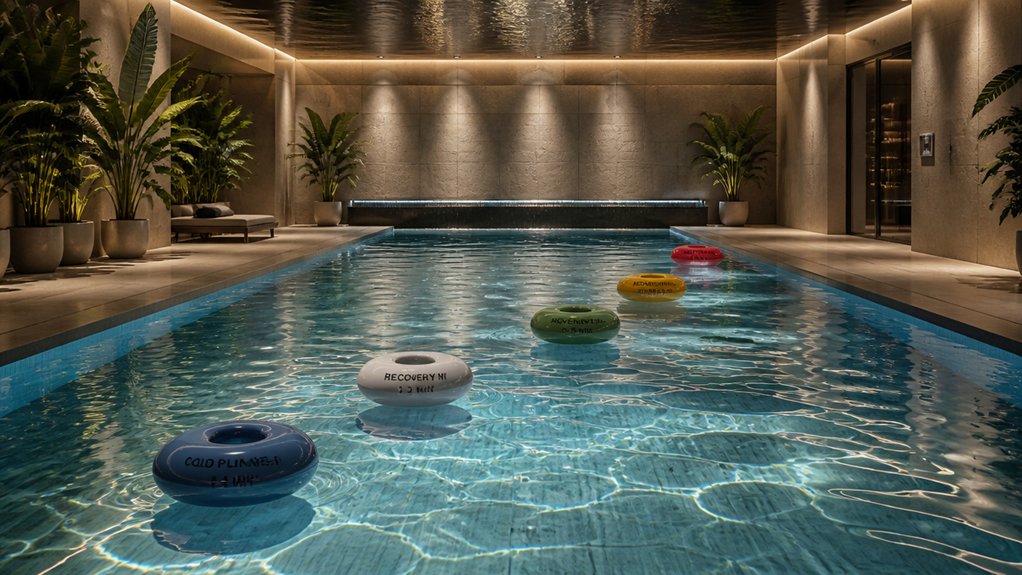

To safely experience the mental health benefits of cold plunging, start gradually with short sessions in controlled environments, and always monitor your body’s signals. Practice slow nasal breathing to manage shock and avoid hyperventilation; stop immediately if you feel dizzy, numb, or experience chest pain. Never plunge alone—have support nearby and keep emergency contacts handy. Maintain proper water temperature, and be aware of cold shock signs. Staying vigilant guarantees you can enjoy the benefits safely—keep going to learn more.
Why Cold Plunging Benefits Your Mental Health

Cold plunging offers notable mental health benefits by stimulating your brain’s chemistry. When you immerse yourself in cold water, cold plunge therapy triggers a short-term stress response that activates your parasympathetic nervous system, helping to lower anxiety.
Cold plunging boosts mental resilience by activating relaxation pathways and reducing anxiety through brain chemistry stimulation.
As you control your breathing, you activate a calming response that enhances mood and resilience. Cold water exposure promotes the release of endorphins, which naturally boost your mood and reduce feelings of stress.
Over time, cold plunging increases dopamine levels by 2–3 times, improving motivation and focus for hours. This practice also encourages a sense of self-efficacy and mental toughness. Incorporating adaptogens can further support stress resilience and mental balance during cold plunge routines.
Regular exposure supports longer-term mental health by modulating your nervous system and hormone regulation, making you more resilient to daily stressors.
Getting Started: How to Begin Cold Plunging Safely
To start cold plunging safely, begin with brief cold showers of 30 to 60 seconds while practicing slow nasal breathing to help your body adjust. When you progress to full plunges, choose water temperatures between 55–59°F (13–15°C) and limit your first sessions to 1–2 minutes. Always have someone nearby during your initial attempts and consult a healthcare professional if you have underlying health conditions. Incorporating temperature control options can enhance your safety and comfort during cold therapy.
Gradual Temperature Adjustment
Starting cold plunging safely involves gradually introducing your body to cold exposure to minimize discomfort and potential health risks. Begin with cold water immersion at 55–59°F (13–15°C) for just 30–60 seconds, slowly building your tolerance over 1–2 weeks. Focus on gradual temperature adjustment to avoid the intense cold shock that can cause panic or dizziness. Using water treatment solutions can help maintain water quality and comfort during your sessions. As you become more comfortable, gently extend your immersion time to 1–2 minutes, only progressing when you feel relaxed and in control. Practice controlled slow nasal breathing during each session to manage the cold shock response and reduce anxiety. Always follow safety tips, like having supervision during initial immersions and stopping if you experience distress.
This careful approach enhances mental health benefits while keeping you safe.
Safety and Supervision Tips
Ensuring safety during your initial cold plunges is essential for both effectiveness and well-being. Always have supervision or a trusted person nearby to provide immediate assistance if adverse reactions occur, as cold plunge risks can affect your body’s response.
Start in controlled environments, like a home tub or regulated cold facility, rather than natural bodies of water, to minimize unpredictable conditions. Begin with short immersions of 1–2 minutes at temperatures around 55–59°F (13–15°C), practicing slow nasal breathing to help manage the cold shock response.
Inform someone of your plunge time and location, especially outdoors, and keep emergency contacts handy. Never plunge alone when starting out, and seek medical advice if you have heart or blood pressure issues.
Always listen to your body and stop if you feel unwell. Incorporating temperature control features can help you maintain safe and consistent conditions during your cold plunge routines.
How to Recognize Signs of Cold Shock and When to Stop
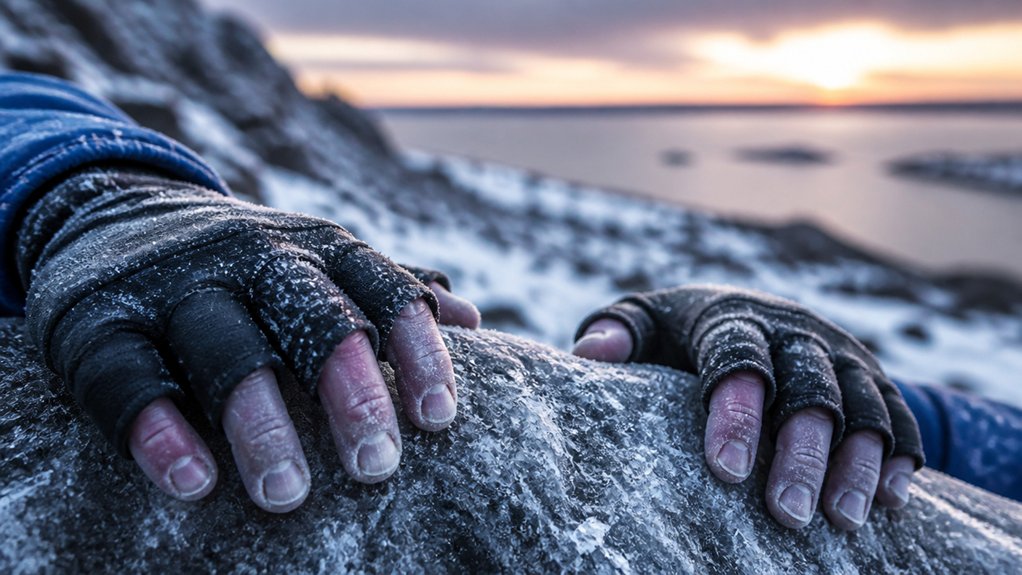
If you notice yourself gasping uncontrollably or struggling to control your breathing, it’s time to get out immediately.
Watch for dizziness, numbness, or chest discomfort, which are signs to stop cold exposure right away. Recognizing these symptoms early helps prevent serious health risks like hypothermia or cardiovascular issues. Additionally, be aware of water quality issues, as contaminated or improperly treated water can pose additional health risks.
Recognize Gasping and Breathing
How can you tell if someone is experiencing cold shock during a water plunge? You’ll notice an immediate, uncontrollable gasp followed by rapid, shallow breathing, which signals distress. This reaction can escalate to respiratory distress if untreated. Watch for persistent gasping or erratic breaths—signs it’s time to stop the cold plunge. Practicing slow, deep nasal breathing before and during immersion can help prevent panic and control hyperventilation. Monitoring for accuracy and response time ensures timely detection of these critical signs.
Monitor Dizziness and Numbness
Monitoring dizziness and numbness during a cold plunge is essential because these symptoms often signal cold shock or compromised circulation. Recognizing early signs helps prevent dangerous outcomes.
If you experience:
- Sudden dizziness or lightheadedness
- Persistent numbness beyond normal cold sensation
- Disorientation or muscle weakness
- Feeling confused or unable to coordinate movements
it’s critical to exit the immersion immediately. These symptoms indicate your body’s response to cold shock and may lead to fainting or falls if ignored.
Cold shock triggers rapid breathing and impaired circulation, making quick action crucial for cold plunge safety. If dizziness or numbness persists after exiting, seek medical evaluation before attempting additional cold exposure.
Engaging in proper water treatment and ensuring your tub’s insulation can help mitigate some of these risks and promote safer experiences. Staying alert helps manage risks and keeps your mental health safe during cold plunges.
Respond to Chest Discomfort
Chest discomfort during a cold plunge is a clear warning sign that your body is experiencing cold shock or cardiovascular strain. If you feel chest tightness, pain, or pressure, exit the water immediately—these symptoms signal your body is under stress. Recognizing cold shock signs like rapid breathing, chest discomfort, or dizziness is vital. In cases where chest discomfort is paired with breathlessness, irregular heartbeat, or dizziness, seek emergency medical evaluation before continuing. Always have supervision during your cold plunge to guarantee quick assistance if symptoms occur. Don’t ignore persistent chest pain—it may indicate underlying heart issues aggravated by cold exposure. Staying alert and responsive keeps you safe, preventing serious complications. Proper temperature regulation is crucial to minimize risks and ensure a safe plunging experience.
Practicing Controlled Breathing During Your Cold Plunge
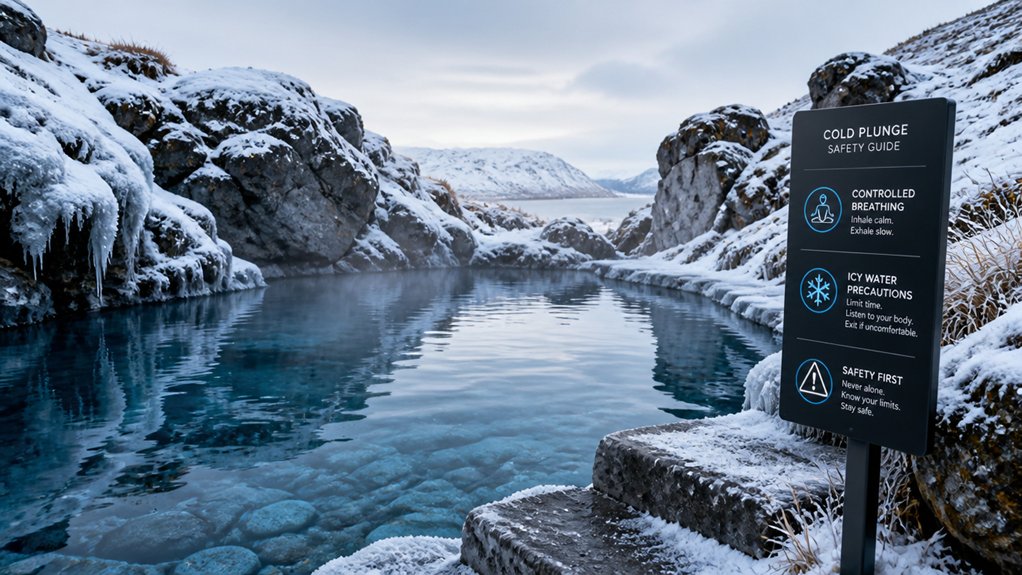
Practicing controlled breathing during your cold plunge is essential for managing the body’s shock response and maintaining calm. During cold exposure, focusing on slow nasal inhalations and longer exhalations can help prevent hyperventilation and reduce panic.
This controlled breathing activates your parasympathetic nervous system, promoting mental calmness and supporting mental health. To get started, keep in mind:
- Begin with short sessions (30 seconds to 1 minute) to build tolerance.
- Use steady, rhythmic breaths to stay focused on your breath pattern.
- Avoid hyperventilation by consciously slowing your inhalations and exhalations.
- Stop immediately if your breathing becomes uncontrollable, or if you feel dizziness or chest discomfort.
Prioritizing controlled breathing enhances cold plunge safety and resilience, making cold exposure a more beneficial experience.
Always Have Support: Why Safety Comes First
Having a trained supervisor or companion present during your cold plunge is essential for safety, especially for beginners or those with underlying health conditions. Support guarantees quick response if you experience dizziness, chest discomfort, or confusion.
Never attempt cold plunging alone initially, as risks of hypothermia or loss of consciousness increase. A support person should know emergency protocols and be ready to assist with safe extraction and first aid if needed.
Communicating with your support during the plunge helps monitor your mental health, breathing, and reaction to cold shock, reducing panic or unsafe reactions. Having someone nearby minimizes dangers like uncontrolled gasping or fainting, which could lead to drowning or injury.
Support isn’t just safety; it’s a crucial part of your mental health and cold plunge experience.
Setting Safe Duration and Frequency for Cold Plunges
How long you should stay in the cold plunge and how often you do it are essential for ensuring safety and maximizing benefits.
To keep your mental health benefits steady, follow these guidelines:
- Beginners should limit their water temperature to 55–59°F (13–15°C) and stay only 2–3 minutes, gradually increasing duration.
- Do 2–4 sessions per week; daily plunges aren’t necessary and could cause adverse effects.
- Never exceed 5 minutes in the water, as longer durations raise hypothermia risk and negate mental health gains.
- Always listen to your body—if you experience excessive shivering, dizziness, or numbness, exit immediately.
Sticking to these safety tips supports dopamine elevation and mood improvement without over stressing your nervous system.
Is Cold Plunging Right for You? Consider Your Mental and Physical Health
Before trying cold plunging, assess your mental and physical health to guarantee it’s a safe fit. If you have heart issues, anxiety disorders, or a history of fainting, consult a healthcare professional first.
Listening to your body, starting gradually, and setting clear expectations will help determine if cold plunging supports your wellbeing.
Health Conditions to Consider
Considering your mental and physical health is essential before trying cold plunging, as certain conditions can increase risks or trigger adverse effects.
People with specific health conditions should be cautious:
- Heart disease, high blood pressure, stroke history, arrhythmias, or respiratory disorders increase cardiovascular strain.
- Pregnant individuals, or those experiencing fainting or dizziness, should seek medical advice first.
- Cold urticaria or Raynaud’s phenomenon may cause severe reactions to cold exposure.
- Mental health issues like severe anxiety or panic disorders can be worsened if cold sensations trigger panic attacks or confusion.
Always evaluate symptoms like chest discomfort or breathlessness. Consulting healthcare professionals guarantees your safety before engaging in cold plunges.
Mental Readiness Checklist
Ensuring you’re mentally prepared is essential before trying cold plunging, as this practice involves both physical and emotional stress. You need to evaluate your mental exposure to cold shock and determine if you’re comfortable managing the initial discomfort and stress response.
If you have anxiety or are sensitive to intense physical sensations, consider whether cold plunging is right for you. Confirm you have stable physical health, especially cardiovascular and respiratory fitness, since the process triggers a rapid heart rate and breathing.
Consult a healthcare professional to rule out contraindications like heart issues or cold urticaria. Building mental resilience through short cold showers or brief exposure sessions can help, ensuring you’re ready to handle the cold shock safely with controlled breathing.
Preparing Your Environment and Equipment for Safe Cold Exposure
Creating a safe environment for cold exposure starts with carefully preparing your equipment and surroundings.
To guarantee safe cold, follow these steps:
- Use a reliable cold plunge tub with digital controls to maintain water temperature between 50°F–60°F (10°C–15°C).
- Prepare a clean, non-slippery plunge area with accessible emergency contacts and supervision for beginners or those with health concerns.
- Keep a thermometer and timer nearby to monitor immersion time, starting with 1–2 minutes and avoiding over 5 minutes initially.
- Have warm clothing, towels, and hydration ready immediately after exiting the plunge to support gradual recovery and prevent hypothermia.
Proper preparation helps you immerse safely while reducing risks during your cold plunge routine.
Monitoring Your Emotions and Responses During Cold Plunging
Monitoring your emotions and responses during cold plunging is essential for ensuring safety and effectiveness. You should stay alert to sudden feelings of panic, confusion, or intense anxiety, as these signals can indicate an adverse stress reaction requiring you to exit immediately.
Notice changes in your mood; cold plunging typically boosts mental well-being without causing jitters, so persistent irritability or agitation may signal that it isn’t suitable for you. Pay close attention to your breathing—shallow, rapid breaths or hyperventilation can worsen emotional distress, so use slow nasal breathing to maintain control.
Track your motivation and focus afterward as dopamine surges often improve mental clarity. If cold exposure triggers panic attacks or severe anxiety, it’s best to stop and seek medical advice before continuing.
When to Seek Professional Advice Before Starting Cold Plunging
Before you start cold plunging, it’s essential to consult a healthcare professional if you have certain health conditions or symptoms. Seek advice if you experience:
- Irregular heart rate, blood pressure issues, or arrhythmias
- Dizziness, chest discomfort, breathlessness, or fainting episodes
- Diagnosed anxiety disorders or panic attacks triggered by physical sensations
- Conditions like Raynaud’s phenomenon or pregnancy
Talking to your doctor helps assess your risk and guarantee safety, especially if you’re on medications affecting heart rate, blood pressure, or temperature regulation. Addressing these health concerns beforehand minimizes the chances of adverse reactions and helps you make informed decisions about cold plunging safely.
Consult your doctor to evaluate risks and ensure safe cold plunging, particularly if on medications affecting vital functions.
Always prioritize professional guidance for your health and well-being before diving into cold immersion.
Frequently Asked Questions
Can Cold Plunging Worsen Existing Mental Health Conditions?
Cold plunging can worsen existing mental health conditions if you’re sensitive to stress or experience anxiety from the cold. Always listen to your body, start slowly, and consult a healthcare professional before incorporating cold plunges into your routine.
How Long Should I Acclimate Before Attempting Full Cold Plunges?
You should acclimate gradually, starting with 30 seconds to a minute in cold water, then slowly increase your time by a few seconds each session over several days or weeks, ensuring your body adapts safely.
Are There Specific Mental Health Symptoms That Contraindicate Cold Plunging?
Yes, if you experience severe anxiety, panic attacks, or heart issues, cold plunging might worsen these symptoms. You should consult a healthcare professional before trying cold plunges if you have mental health conditions.
What Should I Do if I Feel Numb or Disoriented During a Plunge?
If you feel numb or disoriented during a plunge, you should immediately exit the water, move to a warm environment, and seek medical help if symptoms persist. Trust your instincts and prioritize your safety above all.
How Can I Improve Mental Resilience for Cold Exposure Techniques?
You can improve mental resilience for cold exposure by gradually increasing exposure time, practicing mindfulness to stay present, maintaining positive self-talk, staying consistent with your cold routines, and ensuring proper recovery. These steps strengthen your mental fortitude and adaptability.