
To optimize stress recovery with cold plunges, follow protocols like starting with 1-2 minute sessions at 50-55°F, gradually lowering temperature, and increasing duration over time. Aim for 2-4 sessions weekly, ideally in the morning for alertness or evening for relaxation. Incorporate controlled breathwork to enhance effects and prevent shock. Monitor your responses, avoid overexposure, and keep routines consistent. Keep exploring for more tailored strategies to build lasting mental resilience.
How Cold Plunges Help You Reduce Stress and Boost Mood
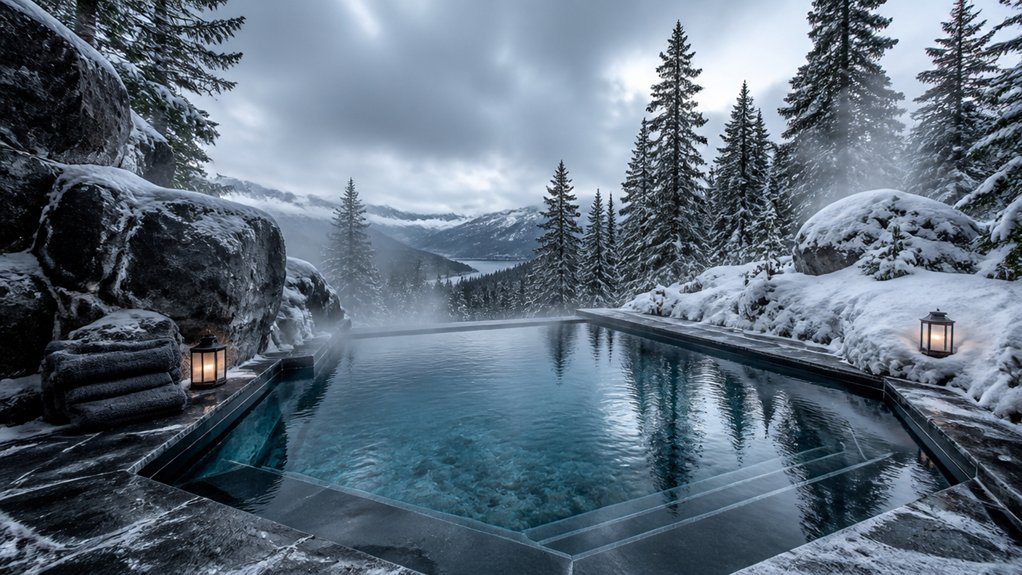
Cold plunges are a powerful tool for reducing stress and enhancing your mood. When you immerse yourself in cold water, your body releases a surge of norepinephrine, which can increase stress resilience by up to 500%. This response activates your sympathetic nervous system, prompting a fight-or-flight reaction, but is quickly followed by a parasympathetic rebound that promotes calmness and mental clarity.
Cold exposure also triggers the release of endorphins and dopamine, elevating your mood. Controlled breathwork during cold plunges helps regulate your nervous system, lowering cortisol levels and supporting emotional stability.
Regular cold plunging, around two to four times weekly, strengthens your adaptive stress response, improves sleep, reduces heart rate, and speeds up stress recovery—boosting your overall mental well-being.
How Long Should You Cold Plunge for Maximum Stress Relief?
How long should you stay in a cold plunge to maximize stress relief? Typically, 2 to 5 minutes is ideal. Around 3 minutes often suffices to activate the parasympathetic rebound, calming your nervous system without overwhelming it.
Stay in a cold plunge for 2 to 5 minutes to activate calming parasympathetic responses without overloading.
If you’re new to cold plunges, start with shorter durations of 1-2 minutes to prevent stress overload. Over time, gradually increase your session duration for enhanced stress resilience.
Controlled breathwork during the plunge, focusing on slow, nasal inhalations and long exhalations, boosts nervous system regulation. Maintaining 2-4 sessions per week supports consistent stress adaptation while avoiding excessive cortisol spikes.
Ending the cold plunge while still calm helps sustain mental clarity and prevents fatigue, optimizing stress recovery and promoting nervous system balance. Additionally, paying attention to your cold-water exposure limits ensures safe and effective recovery.
What’s the Ideal Frequency to Build Mental Resilience?

Finding the right frequency for cold plunge sessions is essential to building mental resilience without overtaxing your nervous system. Aiming for 2-4 sessions weekly balances stress activation with recovery, promoting controlled nervous system responses. Beginners should start with 2-3 sessions and gradually increase as tolerance improves, avoiding overwhelm. Consistent practice at moderate frequency fosters stress resilience, enabling better mood stability and mood regulation. Overdoing it with daily or intense cold plunges can elevate stress hormones like cortisol, hindering mental recovery. The goal is steady exposure that develops calmness, controlled breathing, and mental strength over time. Incorporating breathing exercises with your cold plunges can further enhance resilience and relaxation.
How Breathwork Enhances Your Cold Plunge Benefits
Using controlled breathwork during your cold plunge helps regulate your nervous system and boosts stress recovery. Incorporating devices that support guided breathing techniques can enhance relaxation and mental clarity throughout the process.
Deep Breathing Techniques
Deep breathing techniques amplify the benefits of cold plunges by helping you manage the initial shock and stay calm throughout the immersion. Controlled breathwork, emphasizing slow nasal inhales and lengthened exhales, helps you manage the initial shock and supports nervous system adaptation.
To maximize this, try:
- Inhaling slowly through your nose to calm your mind.
- Lengthening your exhale to promote parasympathetic rebound.
- Maintaining steady, deep breaths to reduce hyperventilation and cortisol spikes.
This approach makes cold exposure less stressful, allowing you to stay submerged longer. Focused breath control also boosts norepinephrine release, improving mental clarity and mood afterward. Paying attention to your blood oxygen levels can further enhance your recovery by ensuring optimal oxygen saturation during and after your plunge.
Regular practice enables better recovery, stress resilience, and enhanced cold plunge benefits.
Breath Control for Calm
By consciously controlling your breath during a cold plunge, you can greatly enhance your sense of calm and stability. Focus on slow nasal inhales and lengthened exhales to manage the initial shock and stabilize the nervous system. This technique helps prevent hyperventilation and dizziness by balancing oxygen and carbon dioxide levels. As you breathe deliberately, you activate the parasympathetic nervous system rebound phase, aiding stress recovery and relaxation. Breath control also supports longer tolerance by reducing the cold-induced panic response, allowing gradual adaptation. To visualize this, consider the calming imagery:
| Slow nasal inhales | Lengthened exhales |
|---|---|
| Steady flow of air | Deep, controlled breaths |
| Promotes calm | Reduces anxiety |
| Enhances resilience | Strengthens mental resilience |
Additionally, engaging in breathwork practices that optimize stress hormone regulation can further improve your recovery and adaptation during cold plunge routines.
How to Customize Your Cold Plunge Routine for Stress Management
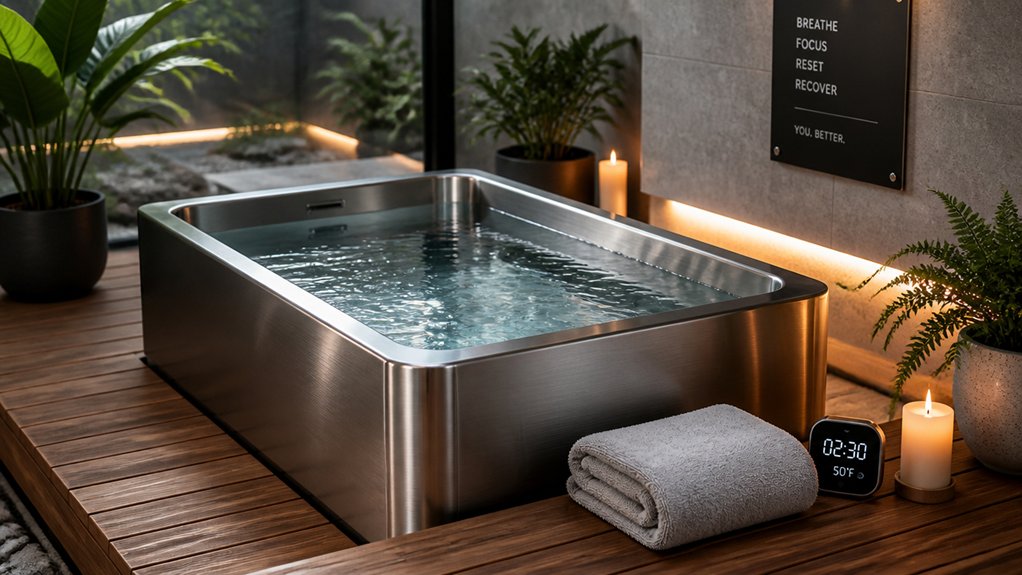
To tailor your cold plunge routine for stress management, start by adjusting the temperature to a level that feels manageable without causing discomfort. Vary your session timing—such as morning or after stressful events—to maximize benefits and avoid disrupting sleep. Incorporate breathwork techniques, like slow nasal breathing with extended exhales, to enhance relaxation and recovery during each session. Additionally, selecting a tub with effective insulation and durability features can help maintain consistent water temperature and prolong the benefits of each plunge.
Adjust Temperature for Comfort
Adjusting the water temperature of your cold plunge to suit your comfort level is key to creating an effective stress recovery routine. Start with an ideal cold plunge at 50-55°F (10-13°C), ensuring your exposure remains manageable and avoids overwhelming your nervous system.
As you build cold tolerance, gradually decrease the water temperature over several sessions, aiming for 45-50°F for better stress resilience. Remember, always listen to your body—adjust water temperature based on your stress levels and recovery needs.
To optimize your cold plunge routine:
- Begin at a comfortable temperature to manage initial exposure.
- Gradually lower the temperature as your cold tolerance improves.
- Avoid plunging below 40°F unless highly experienced, to prevent increased cortisol.
- Consider insulation layers or temperature control devices to maintain consistent water temperatures and enhance comfort.
Customizing water temperature helps you experience benefits without harsh shock.
Vary Session Timing Strategically
Timing your cold plunge sessions strategically can greatly enhance their stress-relief benefits. The key is to adjust the session time and frequency to influence your stress response effectively. Monitoring your temperature with an accurate cold plunge thermometer ensures you stay within safe and effective ranges. Morning cold plunges stimulate your sympathetic nervous system, boosting alertness and focus, while evening sessions should be shorter and gentler to support parasympathetic activation without disrupting sleep. Consistency matters: sticking to a routine—around 2-4 sessions weekly—helps regulate cortisol levels and balance your nervous system. Monitoring your mood and energy levels allows you to customize duration and frequency further, preventing overexposure and ensuring ideal stress recovery. By varying session timing thoughtfully, you can leverage your cold plunge routine to improve overall stress management and support your body’s natural resilience.
Incorporate Breathwork Techniques
Incorporating intentional breathwork into your cold plunge routine can greatly enhance its stress-relief benefits. Focus on slow, controlled breathing to activate your parasympathetic nervous system, helping you stay calm during the cold shock.
Before immersion, take deep nasal inhales and long exhales to lower your stress response. During the plunge, maintain steady, rhythmic breath patterns—avoiding rapid breaths or breath-holding—to manage stress and boost norepinephrine release, which enhances mental clarity.
Customize your breathwork by:
- Initiating with deep, relaxed breaths pre-immersion
- Sustaining controlled breathing throughout the 2-5 minute plunge
- Using longer exhales in later phases to deepen relaxation and resilience
This approach helps you optimize stress recovery and harness the full benefits of your cold plunge.
How to Progress Through Cold Adaptation Phases and Grow Toughness
Progressing through cold adaptation phases effectively requires a gradual approach that emphasizes consistency and listening to your body’s responses. Start with Phase 1 at 50–55°F for 1-2 minutes, 2-3 times weekly, focusing on calm, controlled breathing and managing initial stress responses. Move to Phase 2 at 45–50°F for 2-4 minutes, increasing frequency while maintaining steady breath patterns. In Phase 3, immerse at 45°F for 3-5 minutes, 3-5 times weekly, prioritizing calm entry and routine to build toughness without overloading your nervous system. Gradually increase either immersion time or session frequency, but never both at once. Watch for signs of improved stress resilience, like steadier breathing and less shock. Adaptation builds toughness and enhances your recovery process.
| Phase | Temperature | Duration | Frequency |
|---|---|---|---|
| Phase 1 | 50–55°F | 1-2 min | 2-3x/week |
| Phase 2 | 45–50°F | 2-4 min | 3-4x/week |
| Phase 3 | 45°F | 3-5 min | 3-5x/week |
How to Combine Cold Plunges With Other Recovery Methods for Better Clarity
You can boost mental clarity by timing cold plunges around your sleep schedule and incorporating breathwork techniques to enhance relaxation and parasympathetic response.
Combining cold exposure with targeted nutrition supports recovery and sharper focus, while practicing mindful awareness afterward solidifies calmness. Experimenting with these methods together helps optimize your overall stress resilience and mental sharpness.
Integrating Breathwork Techniques
Combining cold plunge sessions with mindful breathwork can greatly enhance stress recovery and mental clarity. You should focus on techniques that balance your nervous system and boost cognitive focus.
Start with:
- Use diaphragmatic breathing at entry to maintain calm, supporting nervous system adaptation and easing stress recovery.
- Practice controlled nasal inhales and lengthened exhales during the plunge to moderate the sympathetic stress response and foster mental clarity.
- After immersion, pair breath control with mindfulness or meditation to deepen parasympathetic rebound and improve emotional regulation.
Incorporating practices like Wim Hof or Pranayama enhances your tolerance to discomfort, promotes stress resilience, and sharpens mental focus.
Combining breathwork with cold plunges supports a robust CNS response and sustained cognitive clarity.
Timing Cold With Sleep
Timing your cold plunge sessions thoughtfully can greatly enhance sleep quality and mental clarity.
When you schedule your cold plunge earlier in the day or after training, it boosts norepinephrine and alertness without disrupting nighttime rest. Limit evening cold plunges to shorter durations and slightly warmer temperatures—around 50-55°F—to avoid interfering with the natural circadian decrease in core body temperature, which is essential for restful sleep.
Pairing cold plunges with relaxation techniques like controlled breathwork and a gradual warming routine helps trigger parasympathetic activation, promoting relaxation and better sleep onset.
Avoid plunging immediately before bedtime, as cold exposure activates the sympathetic nervous system, elevating heart rate and cortisol levels, which can impair sleep depth and quality.
Combining Nutritional Support
Aligning cold plunge sessions with your nutrition plan can amplify recovery and mental clarity. To maximize benefits, consider:
- Eating anti-inflammatory foods like salmon or walnuts before or after your Cold Plunge, helping reduce inflammation and support tissue repair.
- Consuming antioxidant-rich fruits and vegetables to counteract oxidative stress and boost mental clarity during stress recovery.
- Staying hydrated with electrolyte-balanced fluids post-cold exposure to restore mineral levels and enhance nervous system recovery.
Incorporating adaptogenic herbs like ashwagandha or rhodiola alongside these practices can boost stress resilience.
Pair these with mindful breathing techniques and a light, nutrient-dense protein intake for ideal muscular and cognitive recovery. Combining these strategies creates a holistic approach for better stress recovery.
How to Safely Track Your Body’s Response to Cold Exposure
Wondering how to gauge whether your cold plunge routine supports your stress recovery? Focus on tracking your body’s responses during each session. Monitor your sleep quality and resting energy levels—these help reveal if cold immersion boosts your stress tolerance or causes overstres.
Track sleep and energy levels to see if your cold plunge enhances stress resilience or causes overstress.
Record mood stability regularly to spot signs of overexposure or mental strain from cold plunges. Use subjective soreness scales and training readiness questionnaires to assess muscle recovery and nervous system balance afterward.
Keep your routine consistent, controlling variables like temperature, duration, and frequency, and log your responses. Avoid changing more than one factor at a time to prevent overwhelming your nervous system.
This careful tracking helps guarantee your cold plunge supports your mental health benefits without causing adverse effects.
Common Mistakes That Sabotage Your Stress Recovery Goals
Many common mistakes can undermine your stress recovery efforts with cold plunges, often stemming from a lack of proper technique or routine management.
First, overstaying your cold plunge beyond 3-5 minutes can spike cortisol levels and increase stress, hindering recovery. Second, skipping deliberate breathwork during immersion leads to heightened sympathetic activation, making stress harder to manage. Third, plunging in water that’s too cold (<45°F) before the body adapts causes shock and reduces benefits.
Additionally, neglecting post-plunge warming and hydration prolongs stress and delays homeostasis. To avoid these pitfalls, always follow safety guidelines, manage water temperature carefully, and incorporate controlled breathwork to maintain parasympathetic dominance—crucial for effective stress recovery and safe cold plunge practices.
Creating a Long-Term Cold Plunge Ritual for Sustainable Mental Health
Creating a long-term cold plunge ritual requires consistency and gradual progression to build resilience without causing unnecessary stress. Start with 1-2 minute sessions at 50-55°F, 2-3 times weekly, then slowly increase duration and frequency to 3-5 minutes, 3-5 times weekly.
Build resilience steadily with consistent cold plunges, gradually increasing duration and frequency for sustainable mental and physical benefits.
Focus on slow, controlled nasal breathing with extended exhales during cold immersion to calm your nervous system and enhance stress recovery.
Maintain a reliable routine, such as morning or post-training plunges, to foster regular practice and support mood stabilization. Monitor your mood, sleep, and energy levels to guarantee the protocol remains beneficial.
Prioritize exiting while still in control, avoiding overexposure to promote parasympathetic rebound. This approach encourages sustainable mental resilience and long-term stress management.
Frequently Asked Questions
Are Cold Plunges Good for Stress?
Yes, cold plunges are good for stress because they activate your nervous system, boost mood, and promote relaxation through the parasympathetic rebound. When you control your breath, you enhance recovery and build resilience to daily stressors.
What Is the Huberman Protocol for Cold Plunge?
The Huberman protocol recommends doing 2-4 cold plunge sessions per week, each lasting 2-5 minutes in water between 39°F and 59°F. Use breathwork, like slow inhales and extended exhales, to optimize nervous system recovery.
Is a 2 Minute Cold Plunge Enough?
Yes, a 2-minute cold plunge is enough for beginners, triggering stress recovery responses, activating your nervous system, and offering mood benefits. Keep the temperature around 50-55°F, breathe mindfully, and do it regularly for best results.
Are Cold Plunges Bad for Cortisol?
Cold plunges can temporarily boost cortisol, but with regular, moderate practice, they help regulate and reduce resting cortisol levels long-term. Overdoing it may increase stress; use controlled breathwork and strategic timing to optimize benefits without adverse effects.