Start with short immersions of 2-3 minutes in cold water between 50–59°F and gradually extend as your body adapts. Keep motion gentle post-immersion, like walking or cycling, to promote circulation and reduce stiffness. Always stay safe by monitoring your body’s reactions and avoiding sessions if you feel dizzy or numb. Proper rewarming with towels or light activity helps prevent stiffness. If you keep these tips in mind, your joint recovery will improve while minimizing risks. Continue exploring ways to optimize your cold plunge routine for best results.
How Cold Plunge Therapy Eases Joint Pain
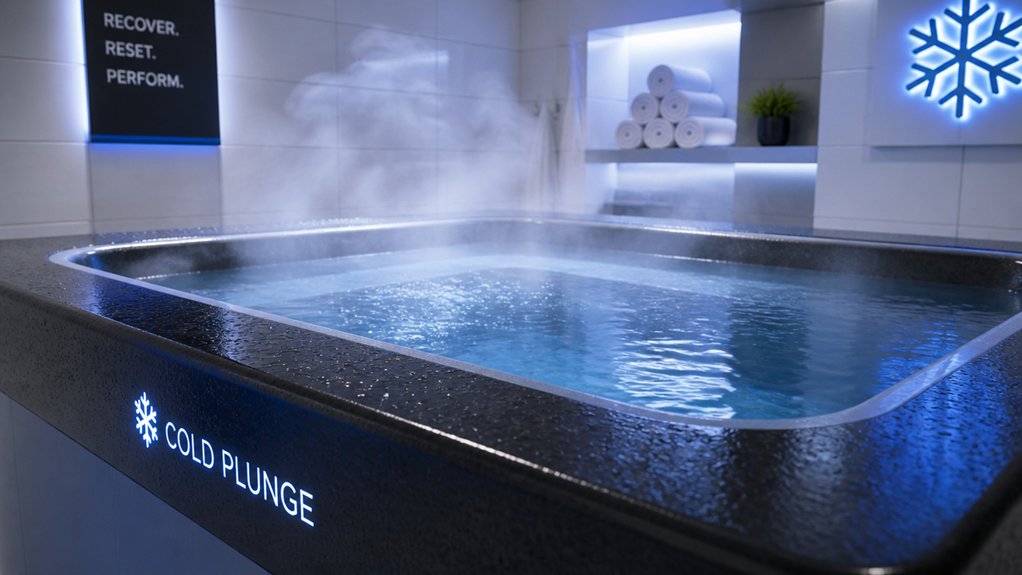
Cold plunge therapy directly targets joint pain by reducing inflammation and swelling. When you immerse yourself in 50–59°F water for 10–15 minutes, it triggers vasoconstriction, narrowing blood vessels and limiting joint inflammation.
Cold plunge therapy reduces joint inflammation by triggering vasoconstriction in 50–59°F water for 10–15 minutes.
This process helps decrease inflammatory markers in joint tissues, providing quick relief from pain after intense activity. The cold water slows nerve signals around the joint, producing temporary numbness that eases discomfort.
Additionally, cold exposure boosts norepinephrine levels, which can improve your mood and lessen the perception of joint pain. Regular cold plunge sessions, combined with gradual physical therapy, support better recovery by reducing swelling and promoting improved joint function. Ensuring optimal ice bath insulation helps maintain consistent water temperatures, maximizing these recovery benefits.
This natural approach enhances your ability to recover swiftly and improves overall joint comfort.
When to Skip Cold Plunges and Talk to Your Doctor
If you have a heart condition, high blood pressure, or chronic illness, talk to your doctor before trying cold plunges.
Pregnant athletes or those with circulation issues should also seek medical advice first.
Skip the cold therapy if you experience chest pain, dizziness, or unusual numbness, and consult a healthcare professional before resuming.
Being aware of how measurement accuracy can be affected by cold stress and circulation changes is also important.
Heart Conditions and Risks
While cold plunge therapy offers benefits for many athletes, those with heart conditions, high blood pressure, or cardiovascular disease should exercise caution. Cold exposure during cold water immersion can cause vasoconstriction, increasing your blood pressure and heart rate. This puts extra strain on your heart, which can lead to adverse events like arrhythmias or chest discomfort. Proper cold therapy sleeve selection and safe application can help mitigate some risks and improve comfort during recovery.
The American Heart Association recommends seeking medical clearance before trying cold plunge therapy if you have heart conditions or cardiovascular disease. Symptoms such as dizziness, chest pain, or numbness during or after cold water immersion mean you should stop immediately and consult your healthcare provider.
If you’re older or have neuropathy or Raynaud’s syndrome, discussing cold plunge use with your doctor guarantees safe practice and prevents unnecessary risks.
Pregnancy and Cold Exposure
Pregnant athletes should consult their healthcare providers before trying cold plunge therapy, as it can pose risks to both mother and baby. Cold exposure during pregnancy can cause vasoconstriction, increasing blood pressure and reducing blood flow to the fetus.
Cold plunge therapy below 50°F (10°C) may lead to hypothermia and fetal distress. Sudden cold shocks can trigger panic responses or rapid heartbeat changes, unsafe for both. If you experience dizziness, numbness, or discomfort, skip cold plunges. Always prioritize safety and seek medical advice.
Remember that:
- Pregnancy impacts how your body responds to cold.
- Cold sharpens vasoconstriction, reducing fetal circulation.
- Your cardiovascular system needs stability during pregnancy.
- Always talk to a healthcare provider before exposing yourself to cold environments.
- Proper water treatment and insulation are essential to ensure safe and effective cold plunge sessions.
Chronic Illness Considerations
Individuals with chronic illnesses need to approach cold plunge therapy with caution, as their conditions can influence how their body responds to cold exposure.
Athletes with cardiovascular disease, high blood pressure, diabetes, or neuropathy should consult their healthcare provider before plunging, due to risks of heart strain and poor temperature regulation.
Those with Raynaud’s syndrome or vascular issues are advised to avoid cold water immersion, as vasoconstriction can worsen symptoms and cause tissue damage.
Pregnant athletes should seek medical advice because cold exposure can impact fetal circulation and maternal cardiovascular health.
If you have a history of panic attacks or anxiety, discuss safety measures with your physical therapist.
For older athletes or those with chronic illnesses, start with brief plunges at controlled temperatures to prevent hypothermia and adverse reactions.
Additionally, understanding the thermal insulation qualities of your plunge tub can help manage temperature more effectively and reduce risks during use.
How to Set Up a Safe Cold Plunge Routine
Setting up a safe cold plunge routine involves careful planning and attention to detail to prevent health risks.
First, make certain you use a safe environment with easy exit access, especially in open water. Maintain water temperature between 50–59°F (10–15°C) and start with short immersion times of 2–3 minutes; gradually increase as your body adapts. It is also advisable to use a thermometer or a tub with a built-in temperature control system to ensure precise and consistent water temperatures. Always keep your head above water to avoid gasp reflex and control breathing—inhale through your nose, exhale through your mouth. Prepare warm towels, dry clothes, and hydration nearby for safe rewarming after the ice baths.
How to Gradually Increase Cold Exposure Duration
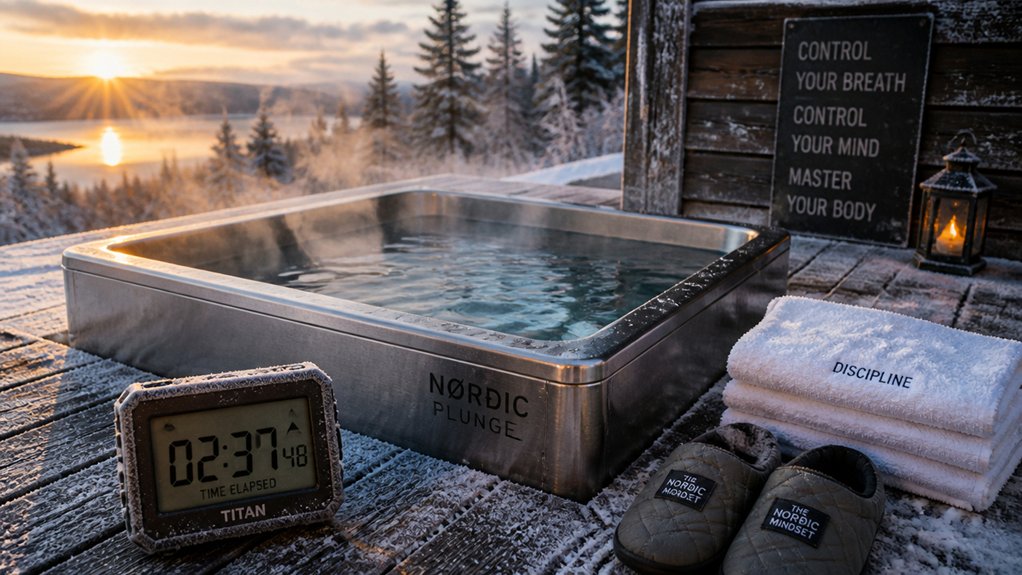
After establishing a safe cold plunge routine, gradually increasing your immersion duration lets your body adapt and maximize joint recovery benefits. Start with brief immersions of 30 seconds to 1 minute to minimize shock.
As you become more comfortable, slowly extend your time by about 1 minute per session, aiming for a maximum of 10–15 minutes. Keep water temperatures between 50°F to 59°F (10°C to 15°C) to promote anti-inflammatory effects without risking hypothermia.
It’s vital to monitor your body responses closely—look out for shivering, numbness, or dizziness—and pause if adverse symptoms appear. Incorporating cold-weather-optimized battery technology or thermal insulation can help maintain device performance during longer sessions, ensuring accurate monitoring. This approach supports physiological adaptation, allowing you to immerse your body safely for peak joint recovery while avoiding overstress or nerve damage.
Combining Cold Plunges With Movement for Better Recovery
Combining cold plunges with gentle movement can greatly enhance your recovery process by boosting blood flow and reducing stiffness.
Cold plunges combined with gentle movement accelerate recovery, improve circulation, and reduce muscle stiffness effectively.
After a cold plunge, engaging in light activities like walking or cycling for 10 minutes supports active recovery, promoting vasodilation and improved muscle recovery. Incorporating mobility exercises or stretching helps restore joint range of motion and prevents cold-induced vasoconstriction from causing stiffness.
Controlled breathing and slow movements before plunging prepare muscles and joints for immersion, minimizing shock. Alternating brief cold water immersion with low-intensity movement optimizes circulation through vasoconstriction and vasodilation, accelerating inflammation reduction.
To maximize benefits, consider:
- Using mobility exercises for increased flexibility
- Maintaining steady, controlled movements
- Focusing on muscle relaxation
- Supporting gradual rewarming through dynamic activity
- Utilizing pressure levels in compression therapy to enhance circulation and recovery.
Warming Up Safely After Your Cold Plunge
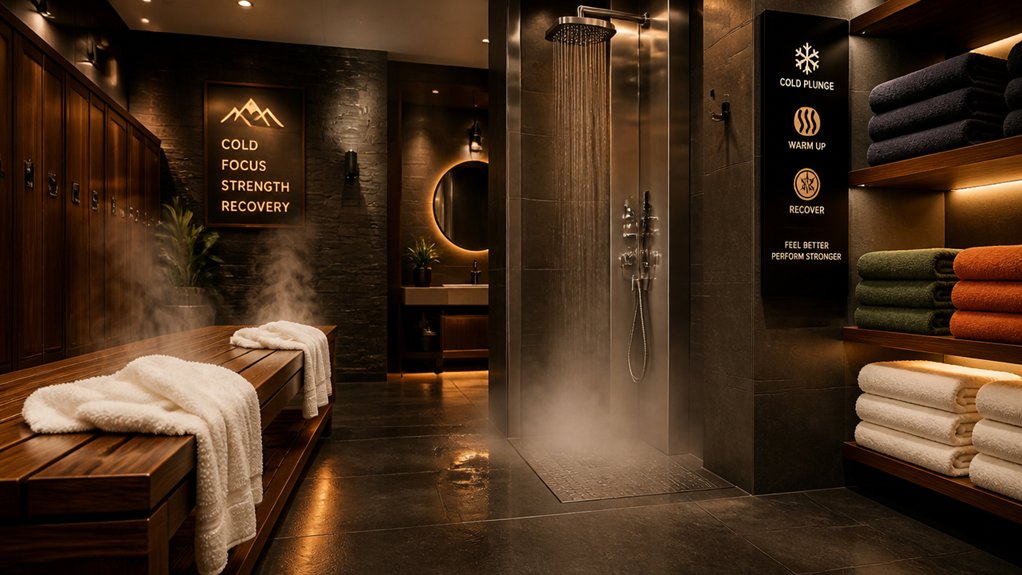
Warming up safely following a cold plunge requires a gentle, controlled approach to prevent overstressing your cardiovascular system. To rewarm, use dry towels and clothing instead of hot showers, which can cause rapid blood flow recovery and cardiovascular strain. Engage in 20–45 minutes of gentle dynamic movement, like light cycling or walking, to safely restore nerve signals and muscle power. Avoid hot tubs or saunas immediately after immersion, as rapid temperature shifts can impact your nervous system. Keep hydrated to counteract dehydration caused by cold water exposure. Watch for signs like dizziness or numbness, and seek medical attention if symptoms worsen. Use this table to guide your rewarming process:
| Step | Action |
|---|---|
| 1 | Dry clothing/towels |
| 2 | Gentle movement (walking) |
| 3 | Avoid hot baths immediately |
| 4 | Hydrate promptly |
| 5 | Monitor for adverse signs |
Tracking Your Progress and Adjusting Your Routine Over Time
Tracking your progress regularly allows you to identify how your body responds to cold plunges and make informed adjustments. Use a muscle soreness scale to gauge recovery progress before and after each session, and monitor joint recovery and training readiness scores weekly.
Carefully note your immersion duration, gradually increasing from 2–3 minutes to 10–15 minutes based on tolerance and feedback. Consistently record water temperature (aiming for 10–15°C/50–59°F) and session frequency (3–4 times weekly) to optimize anti-inflammatory benefits without overexposure.
If soreness plateaus or joint stiffness persists, consider integrating stretching or light activity. Regular tracking helps you adapt your routine for maximum recovery, ensuring that cold plunge therapy remains effective and aligned with your goals.
Frequently Asked Questions
Are Cold Plunges Good for Your Joints?
Cold plunges can help your joints by reducing inflammation and pain temporarily after intense activity. However, they offer short-term relief and should be combined with other recovery methods for best results, especially if you have existing joint or circulation issues.
What Are the 4 R’s of Recovery?
The 4 R’s of recovery are Rest, Repair, Rehydrate, and Refuel. You should rest to reduce inflammation, use therapies like cold plunges to repair tissue, stay hydrated for joint health, and eat nutrient-rich foods to refuel your body effectively.
Are Cold Plunges Good for Athletes?
Yes, cold plunges are good for athletes. They reduce inflammation, ease soreness, and enhance mental focus. Regular cold water immersion, combined with active recovery, accelerates joint healing and improves overall performance, though consultation is wise if you have health concerns.
Do Cold Plunges Help With Injury Recovery?
Yes, cold plunges help with injury recovery by reducing swelling, inflammation, and pain through vasoconstriction. They also release mood-enhancing hormones like norepinephrine and dopamine, aiding stress relief. Start slowly and combine with other therapies for best results.