Using cold plunges can greatly boost your circulation and speed up recovery. When you immerse yourself, your blood vessels constrict then expand, delivering fresh oxygen and nutrients to muscles while flushing out waste. This process reduces inflammation and soreness, helping you recover faster. Combining cold plunges with light activity, elevation, or compression gear enhances these benefits. To access even more tips, keep exploring how to maximize your recovery routine safely and effectively.
How Cold Plunge Boosts Your Blood Flow and Speeds Recovery
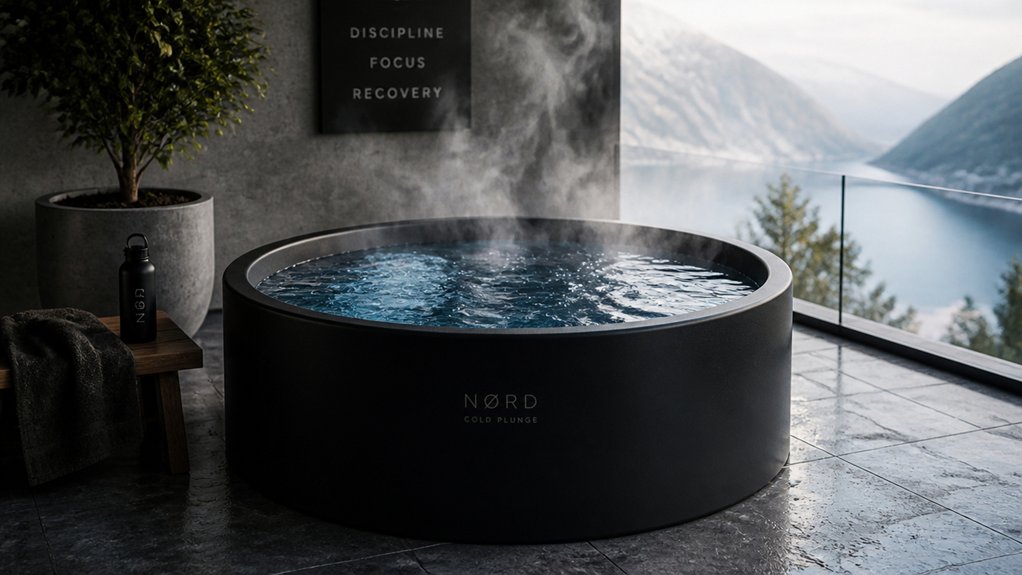
Entering a cold plunge triggers immediate vasoconstriction, which temporarily narrows your blood vessels to divert blood flow to your core organs.
When you exit, vasodilation occurs, causing a rapid rush of oxygenated blood to muscles and tissues. This boost in circulation enhances overall recovery by delivering essential nutrients and removing metabolic waste like lactic acid.
The improved blood flow also reduces local inflammation and swelling by constricting capillaries, limiting fluid leakage into tissues. Additionally, cold plunge therapy stimulates hormonal responses, such as norepinephrine release, which further optimize blood vessel tone and circulation efficiency. Using specialized waterproof headbands can help maintain hair health and comfort during these sessions, ensuring a focus on optimal recovery.
This process not only speeds muscle recovery but also supports improved performance by ensuring muscles get the nutrients and oxygen they need to heal and function effectively.
Benefits of Cold Plunge for Athletic Performance
Cold plunge therapy offers significant benefits for athletic performance by improving circulation, reducing inflammation, and speeding up recovery. When you immerse in cold water, vasoconstriction followed by rapid vasodilation enhances blood flow and circulation, which is crucial for muscle repair.
It also helps you eliminate waste products like lactic acid and metabolic byproducts that cause soreness. Cold exposure reduces swelling and inflammation, allowing you to recover faster after intense workouts.
Additionally, cold plunges trigger hormonal responses that balance inflammation and support nervous system function, boosting overall performance. Regular use of cold plunge therapy minimizes muscle damage, accelerates recovery for athletes, and enables sustained training at higher intensities with less downtime.
This holistic approach enhances your athletic capacity and resilience. Incorporating bromine tablets carefully into ice bath systems can help ensure the water remains sanitized and safe for frequent use, maintaining both hygiene and performance benefits.
Top Techniques to Maximize Blood Flow During Cold Plunge
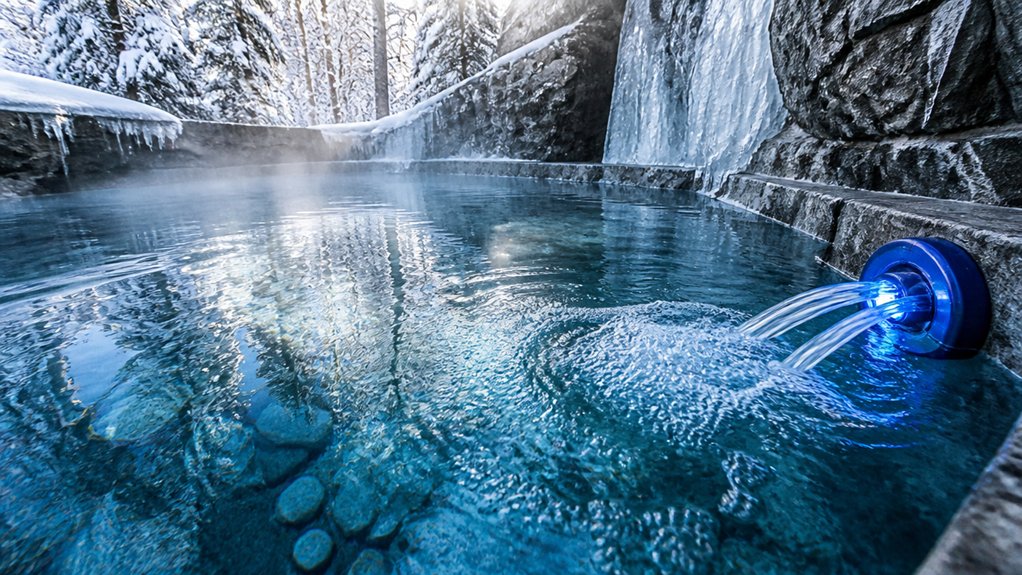
To maximize blood flow during a cold plunge, focus on techniques that enhance circulation and recovery benefits. Cold immersion triggers vasoconstriction, followed by rapid vasodilation, which increases blood flow and delivers nutrients to muscles for active recovery. Limiting the immersion to 3 to 5 minutes helps optimize this effect without impairing circulation.
Combining contrast immersion—alternating cold and warm water—stimulates better circulation through repeated vessel constriction and dilation cycles, boosting blood and lymphatic flow.
Elevating your limbs during or immediately after the cold plunge supports venous return and aids lymphatic drainage, reducing swelling and speeding recovery time.
Using targeted cold therapy wraps afterward can further increase blood flow, helping clear metabolic waste and decrease muscle soreness, making your recovery techniques more effective.
Combining Cold Plunge With Other Recovery Methods
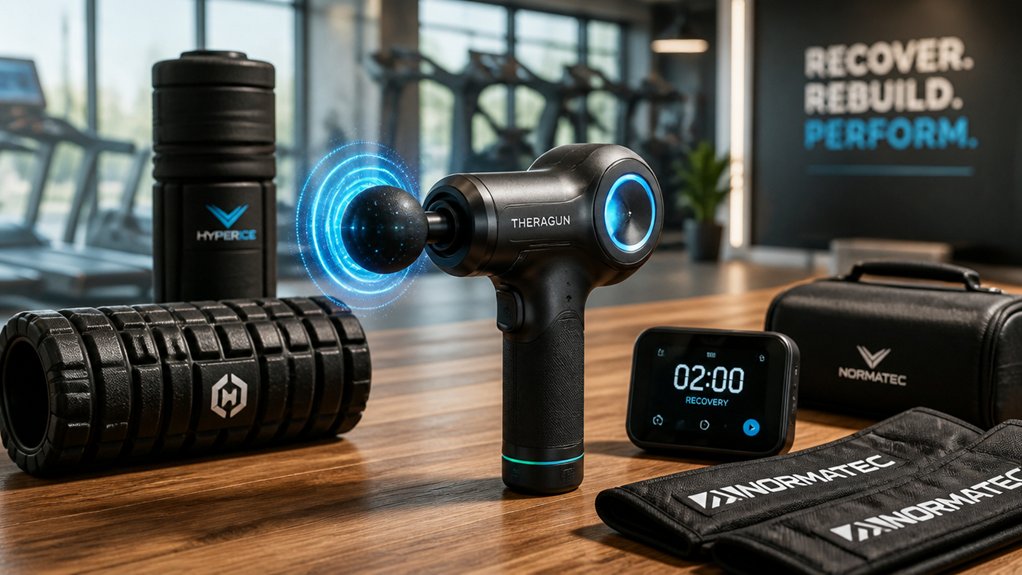
Combining cold plunge therapies with other recovery methods can greatly amplify their benefits by enhancing circulation and reducing muscle soreness more effectively. After your cold plunge, engaging in light activity like gentle cycling or foam rolling boosts blood flow through vasoconstriction and subsequent vasodilation, speeding recovery important for soft tissue repair. Using cold plunge immediately post-exercise decreases inflammation and swelling, especially when paired with compression garments that support venous return. Alternating cold plunges with low-intensity mobility drills or swimming maximizes lymphatic flow and clears metabolic waste, promoting quicker muscle, tendon, and fascia repair. Incorporating postural drainage and leg elevation further enhances lymphatic drainage and reduces swelling. Selecting appropriate foam rollers with firm support and textured surfaces can improve tissue release and circulation after cold therapy. These combined approaches improve circulation, support performance, and maintain athletes in top shape for their next challenge.
Safety Tips for Effective and Safe Cold Plunge Practice
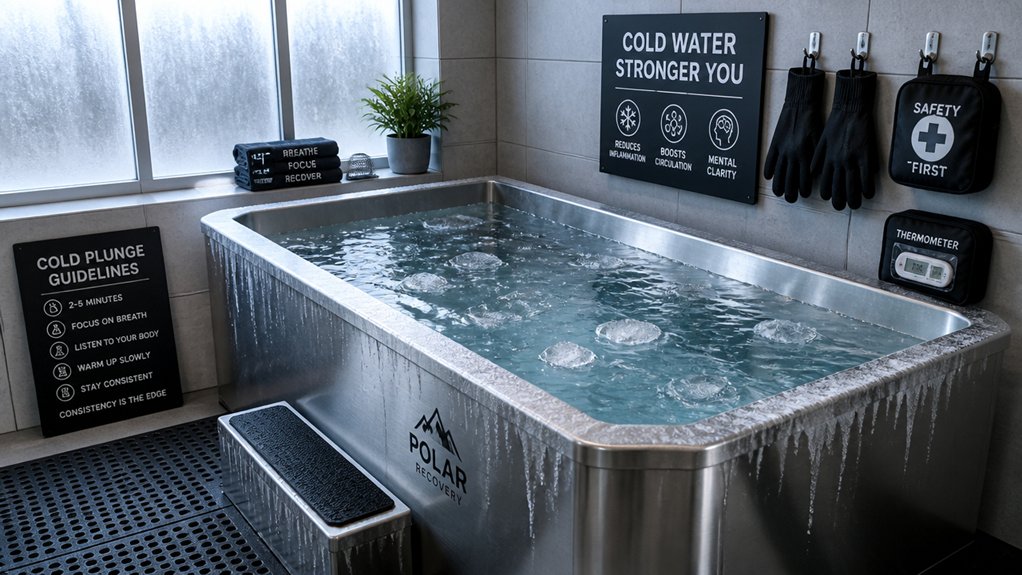
Ensuring safety during your cold plunge sessions is essential for effective recovery and injury prevention. Limit sessions to 3 minutes at temperatures no lower than -220°F to prevent hypothermia or cold-related injuries. Gradually acclimate your body by starting with shorter durations and milder temperatures, reducing shock or adverse cardiovascular responses. Cold plunges rapidly constrict blood vessels, then promote blood flow back to extremities, enhancing circulation and recovery. Be cautious if you have cardiovascular issues or uncontrolled hypertension, as sudden cold can increase heart rate dangerously. After immersing, warm up naturally or with gentle active recovery to restore blood flow and oxygen debt.
| Important Point | Explanation |
|---|---|
| Blood flow | Boosts circulation for recovery |
| Heart rate | Should remain stable |
| Recovery protocols | Essential for safe practice |
| Post-plunge warm-up | Restores blood flow safely |
Frequently Asked Questions
Does Increased Blood Flow Improve Recovery?
Yes, increased blood flow improves recovery by delivering essential nutrients, removing waste, reducing soreness, and decreasing inflammation. It helps you heal faster and regain strength more effectively, supporting your overall athletic performance and quicker return to training.
Is a High HRR Good or Bad?
A high HRR is good because it shows your heart recovers quickly after exercise, indicating strong cardiovascular fitness and efficient autonomic function. This helps your recovery, reduces risks, and boosts overall performance.
How Do Pro Athletes Recover so Quickly?
You recover quickly by using advanced techniques like compression garments, active recovery, proper nutrition, hydration, and mental support. Access to cutting-edge therapies and structured routines helps you enhance blood flow, reduce inflammation, and expedite muscle repair efficiently.
What Is the BFR Protocol for Recovery?
You apply controlled compression to your limbs with pressure around 12.6 to 20.1 mmHg, then do low-intensity exercises like walking or cycling. This boosts blood flow, speeds recovery, reduces soreness, and enhances muscle repair during a 4-hour post-exercise window.