To prevent injuries with cold therapy, you should immerse in cold water at 50-59°F for 5-10 minutes after intense workouts to reduce inflammation and muscle damage. Use cold packs carefully and avoid direct contact with skin to prevent frostbite. Combine cold immersion with warm-up routines, stretching, and strength exercises for better results. Limit sessions to 10-20 minutes and follow safe practices. Keep exploring for more tips to optimize your injury prevention strategies.
How Cold Water Immersion Prevents Sports Injuries
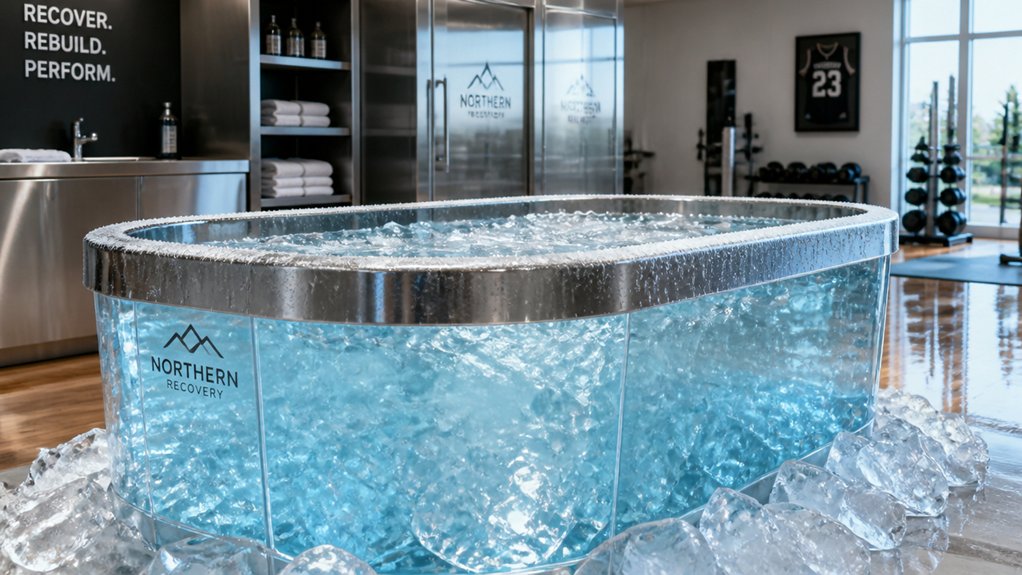
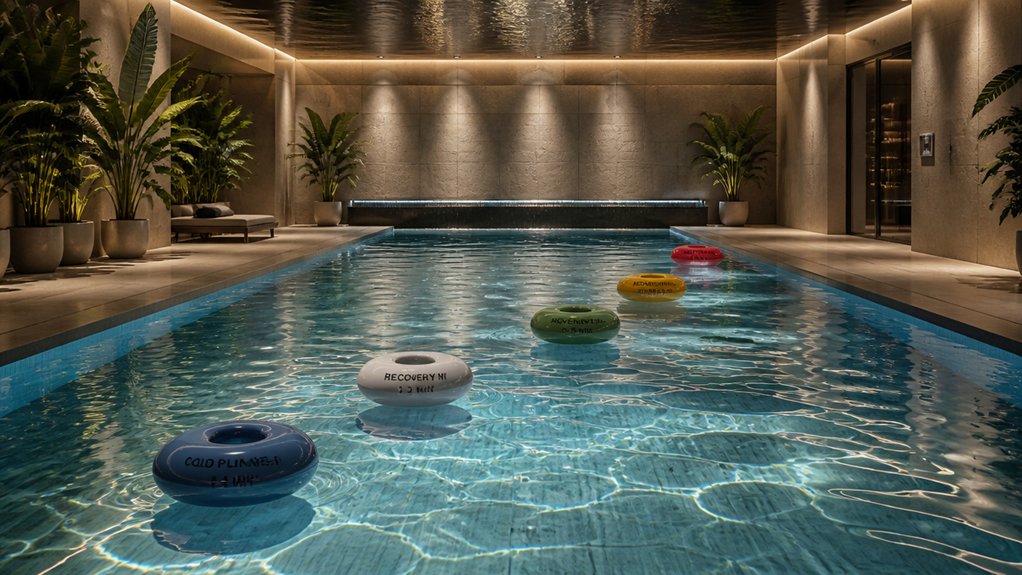
Cold water immersion prevents sports injuries by directly reducing muscle inflammation and swelling after exercise. When you submerge in cold water, it promotes vasoconstriction, which slows blood flow to muscle tissues, helping to reduce muscle damage and control the severity of acute injuries. This process makes cold water an effective tool in physical therapy, especially right after intense activity.
Additionally, cold water immersion enhances lymphatic circulation, aiding in the quick removal of metabolic waste and toxins. This not only lessens muscle soreness and fatigue but also minimizes the risk of overuse injuries. By decreasing inflammation and supporting tissue repair, cold water becomes an essential part of injury prevention strategies for athletes and active individuals alike. Incorporating advanced cooling features can further optimize recovery and injury prevention.
Effective Cold Water Immersion Techniques to Prevent Injuries
To get the most benefit from cold water immersion, you need to pay attention to temperature, duration, and how often you use it. Keeping the water between 50-59°F for 5 to 10 minutes is effective for reducing inflammation and preventing injuries. Regular sessions, guided by professional advice, guarantee you maximize results while avoiding risks like frostbite. Using a reliable temperature control system or device ensures consistent and safe therapy sessions.
Optimal Temperature Settings
Maintaining the right water temperature is essential for effective cold water immersion aimed at injury prevention. For ideal cold therapy, keep water between 50-59°F (10-15°C) and immerse for 5-10 minutes. This range helps reduce inflammation, tissue temperature, and muscle soreness, preventing injuries. Prompt ice baths decrease muscle fatigue and limit tissue damage by stimulating vasoconstriction, which manages swelling and inflammatory responses. Using consistent temperatures around 50°F guarantees safety and effectiveness. Controlling timing and temperature is vital to avoid adverse effects like over-cooling or tissue damage.
| Cold Therapy Technique | Key Benefits |
|---|---|
| Ice baths | Reduce pain, inflammation, tissue damage |
| Controlled temps | Improve injury prevention, tissue protection |
| Short immersion times | Prevent over-cooling, maximize results |
| Consistent temperature | Guarantee safety and effective cold exposure |
Duration and Frequency
How often should you incorporate cold water immersion to effectively prevent injuries without risking tissue damage? For best results, limit sessions to 5 to 10 minutes at temperatures between 50-59°F using cold or ice water.
Doing this multiple times daily, with total immersion time not exceeding 20 minutes, helps reduce muscle inflammation and pain while avoiding tissue harm. Alternating between cold and warm water through contrast therapy can boost blood flow and speed up tissue repair, further lowering injury risk.
Always follow professional guidance on frequency, especially after intense exercise or injury, to optimize benefits. Remember, a thin barrier between your skin and the cold source is essential to prevent frostbite, and sticking to safe durations guarantees you gain all the recovery benefits without adverse effects. Incorporating water treatment solutions can also help maintain water quality and extend the longevity of your cold plunge setup.
When and How Often to Use Cold Water Immersion for Injury Prevention
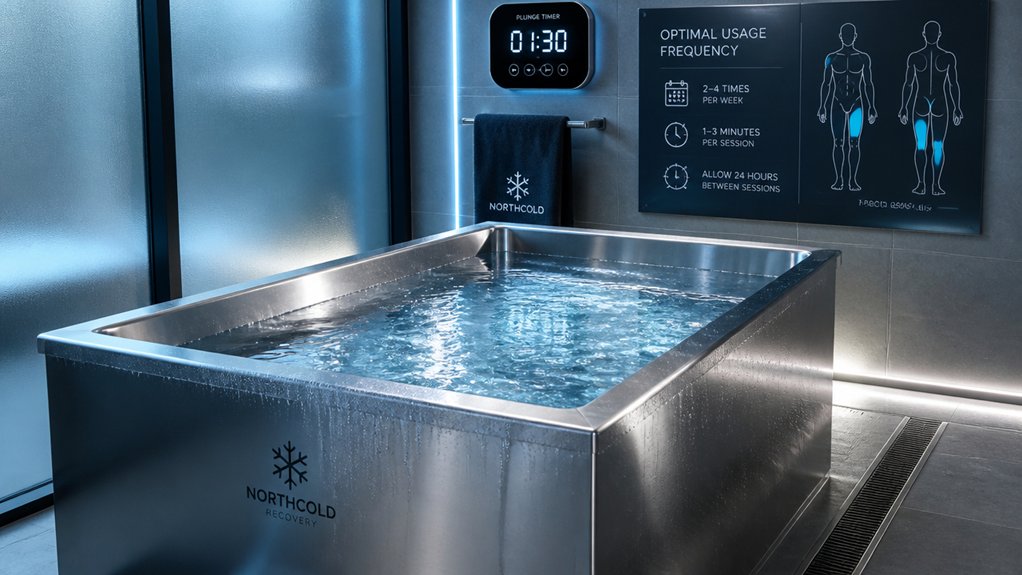
You should use cold water immersion immediately after intense activity to reduce inflammation and soreness. To get the best results, keep the water between 50-59°F for 5 to 10 minutes, and adjust how often you do it based on your training intensity. Regular sessions can help speed up recovery, but always combine immersion with proper warm-ups to prevent injuries. Incorporating proper water care and maintenance ensures the hygiene and effectiveness of your cold plunge sessions.
Timing for Cold Immersion
Timing your cold water immersion sessions properly is essential for injury prevention. Immediately after intense exercise or minor injuries, cold water immersion at 50-59°F for 5 to 10 minutes helps reduce muscle soreness, inflammation, and swelling. Using a high-quality cold plunge tub with precise temperature control enhances the effectiveness of your therapy sessions. Applying cold therapy shortly after activity limits delayed onset muscle soreness (DOMS) and promotes faster recovery. For injury prevention, you can repeat cold immersion a few times a day, with each session lasting 10-20 minutes, but avoid prolonged or overnight sessions to prevent tissue damage or impair circulation. Proper timing guarantees you gain the benefits of reduced inflammation and swelling without risking tissue health. Using cold immersion strategically aligns with your recovery routine, supporting injury prevention and peak muscle function.
Frequency of Cold Use
Using cold water immersion strategically involves not only choosing the right timing but also limiting its frequency. Cold therapy can effectively reduce pain and inflammation after intense physical activity or muscle strain, but overusing it may cause tissue damage.
It’s recommended to limit cold therapy sessions to several times per week or after high-intensity workouts. Applying cold immersion for no longer than 10-20 minutes helps prevent prolonged vasoconstriction, which could impair blood flow. Selecting the appropriate chiller capacity based on your water volume ensures consistent plunge temperatures and prevents overcooling.
If you’re using cold packs or immersion treatments regularly, consult a physical therapist to optimize your schedule based on your activity level and injury risk. Properly managing the frequency of cold therapy guarantees you get the benefits of tissue healing and injury prevention without compromising tissue health.
Tips for Safe Cold Water Therapy During Recovery
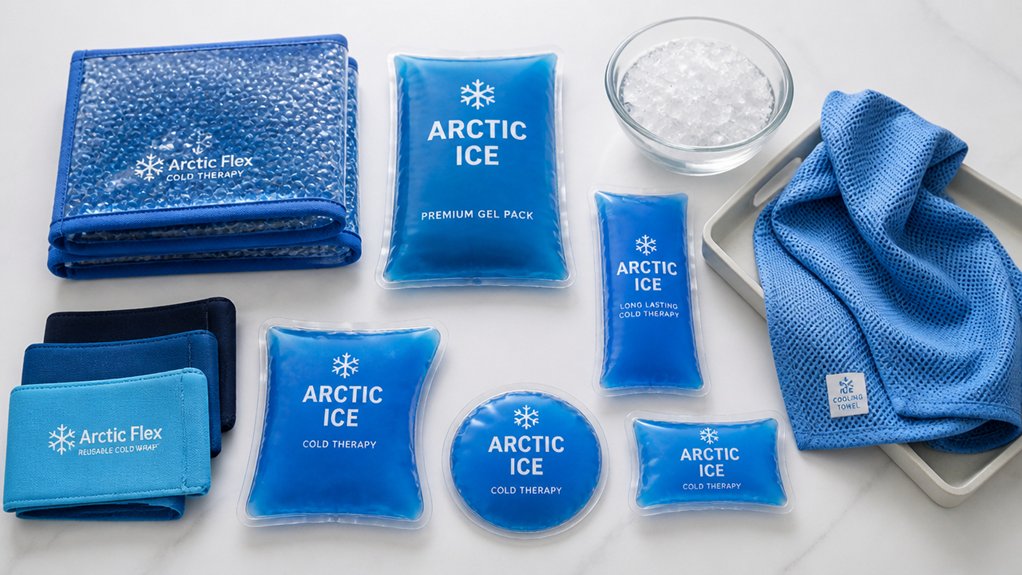
To guarantee safety during cold water therapy, it’s essential to take simple but important precautions. Always wrap cold packs or ice in a thin towel to prevent direct skin contact, reducing the risk of frostbite.
Limit each cold water immersion session to 10-20 minutes, with breaks in between, to avoid overcooling and skin damage. Monitor the treated area closely for signs of numbness or color changes; stop immediately if discomfort occurs.
Avoid applying cold therapy on broken skin or areas with impaired circulation, like in diabetes, to prevent complications. Follow healthcare provider recommendations for temperature settings—generally between 50-59°F—and duration to make certain your cold water therapy remains safe and effective. Regularly checking the chiller’s temperature control helps ensure that the water stays within safe limits. These tips help reduce pain and improve blood flow during recovery.
Integrating Cold Water Immersion With Other Injury Prevention Strategies
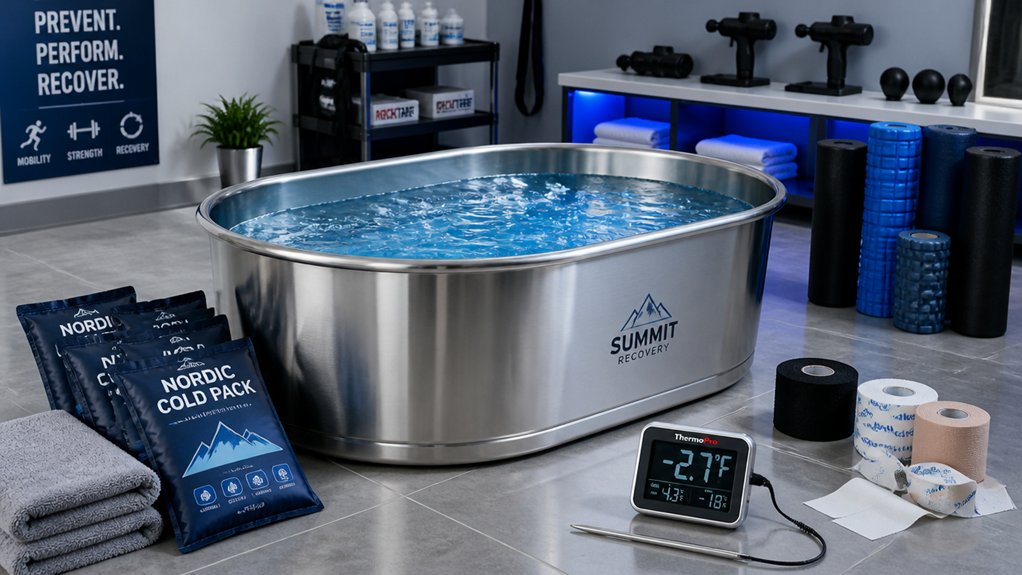
Integrating cold water immersion with other injury prevention strategies can greatly enhance your recovery and reduce the risk of future injuries.
After workouts, cold water immersion (50-59°F for 5-10 minutes) helps cut down muscle inflammation and soreness, supporting overall injury prevention. Combining it with warm-up routines, dynamic stretching, and strength conditioning prepares tissues, decreasing strain risks.
Contrast therapy—alternating cold and warm water immersion—boosts blood flow, promotes tissue repair, and diminishes inflammation.
Additionally, incorporating cold water immersion alongside R.I.C.E. protocols—rest, ice, compression, elevation—improves acute injury management and controls swelling.
Regular use, combined with balance and core exercises, further enhances neuromuscular control, lowering fall risks and winter injuries.
Understanding the importance of material durability and protection can help in selecting appropriate suits that withstand rigorous activity and environmental challenges.
This integrated approach optimizes recovery and fortifies your body’s resilience.
Common Mistakes to Avoid When Using Cold Water for Injury Prevention
Even though cold water immersion can be highly effective for injury prevention, it’s essential to avoid common mistakes that can negate its benefits or cause harm.
Cold water immersion is effective, but avoiding common mistakes ensures safety and optimal benefits.
First, avoid applying cold directly on your skin; always use a thin cloth barrier to prevent frostbite and tissue damage. Limit your cold water exposure to 10-20 minutes per session to avoid nerve damage and maintain safe temperature regulation.
Don’t use cold therapy on broken or damaged skin, as it can increase infection risk and delay healing. Never apply cold water while sleeping to prevent prolonged exposure, which could lead to hypothermia or tissue injury.
Additionally, avoid cold therapy if you have impaired circulation, sensation loss, or conditions like diabetes without consulting a medical professional, especially for pain management.
How Cold Water Therapy Supports Long-Term Injury Prevention Goals
Cold water therapy plays an essential role in supporting long-term injury prevention by reducing muscle inflammation and swelling, which helps prevent chronic problems. It cools tissues, minimizes tissue damage, and enhances recovery.
By numbing nerve activity and lowering pain, cold water immersion allows you to stay consistent with training without aggravating early injury symptoms. Regular use after exercise helps relieve delayed muscle soreness and fosters safer muscle function over time.
Cold water therapy’s vascular effects, like reduced blood flow followed by reperfusion, support muscle repair and lower the risk of overuse injuries. Additionally, contrast water therapy can improve mobility and reduce fatigue during intense activity.
Physical therapy can help optimize cold water use, ensuring you maximize injury prevention benefits.
- Reduce muscle inflammation and swelling
- Alleviate pain for consistent training
- Improve mobility and joint function
- Support tissue repair and injury prevention
Frequently Asked Questions
Can Cold Therapy Cause Any Adverse Effects or Health Risks?
Yes, cold therapy can cause adverse effects like frostbite, nerve damage, or increased pain if misused or applied too long. Always follow guidelines, limit sessions, and consult a healthcare professional to minimize risks and guarantee safe use.
Is Cold Water Immersion Suitable for All Types of Sports Injuries?
Cold water immersion isn’t suitable for all sports injuries. You should avoid it for deep tissue injuries or if you have circulation problems. Always consult a healthcare professional to determine if this method’s safe for your specific injury.
How Does Cold Therapy Compare to Other Injury Prevention Methods?
Cold therapy effectively reduces pain and swelling faster than some methods, but combining it with rest, elevation, compression, and proper technique enhances injury prevention, making your recovery quicker and safer with an all-encompassing approach.
Are There Specific Sports or Activities That Benefit More From Cold Therapy?
Certain sports like football, running, and basketball benefit more from cold therapy because they involve intense exertion and higher injury risk. You can reduce inflammation and soreness faster, helping you recover and stay injury-free, especially after strenuous activities.
Can Cold Water Immersion Be Used During Injury Rehabilitation?
Yes, cold water immersion can help during injury rehabilitation by reducing swelling, decreasing pain, and promoting faster recovery. You should, however, consult a healthcare professional to confirm it’s appropriate and safely incorporated into your specific rehab plan.