
To prepare your joints in 7 minutes before an ice plunge, start with dynamic moves like arm circles, leg swings, and hip openers to boost blood flow and lubricate your joints. Add gentle cardio such as brisk walking or light cycling for 3-5 minutes, paired with controlled deep breaths to activate your parasympathetic nervous system. Focus on proper timing and smooth shifts, so you’re fully ready to handle cold exposure safely. Keep going to discover more tips for ideal cold plunge preparation.
Why Warm-Up Matters Before Your Cold Plunge
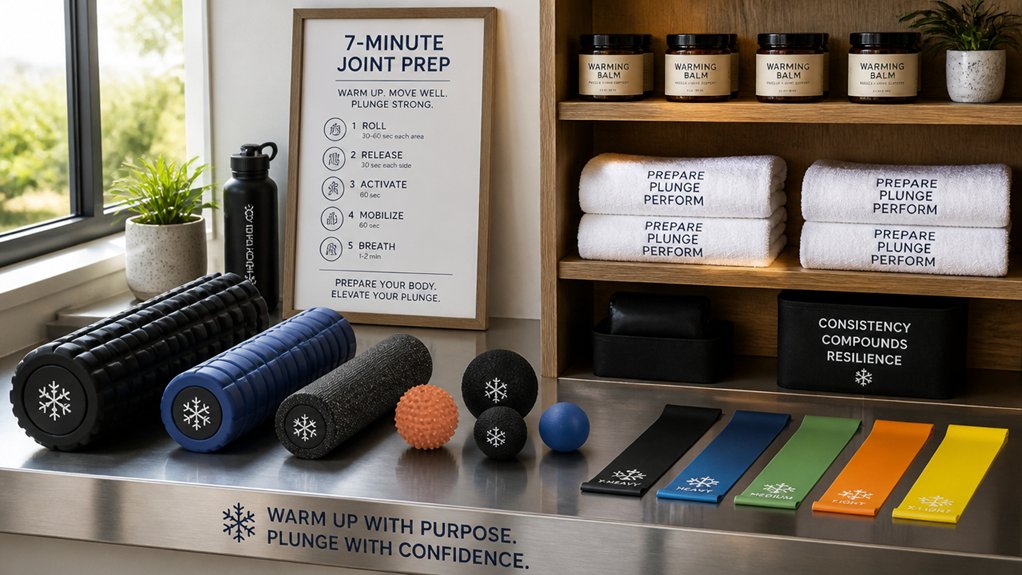
Warming up before a cold plunge is essential because it prepares your muscles and nervous system for the sudden temperature change. A proper warm-up increases your muscle temperature, reducing stiffness and helping preserve muscle contractility during immersion.
Warming up prepares your muscles and nerves for the cold surprise, reducing stiffness and enhancing comfort during your plunge.
It also promotes blood flow, which maintains nerve signal transmission and muscle power, counteracting vasoconstriction caused by cold water. Controlled breathing exercises during warm-up further prime your parasympathetic nervous system, easing the shift into cold therapy.
Additionally, a thorough warm-up reduces injury risk and improves flexibility, ensuring smoother immersion and recovery. Skipping this step can leave your muscles vulnerable and impair performance.
Taking just a few minutes to prepare enhances your experience, minimizes discomfort, and helps you get the most out of your cold plunge. Incorporating respiratory stamina exercises can also optimize your breathing efficiency before exposure to cold temperatures.
Dynamic Movements to Activate Joints and Muscles
Incorporating dynamic movements into your warm-up activates your joints and muscles, setting the stage for a safer and more effective cold plunge. These movements boost circulation of joint synovial fluid, which lubricates your joints and reduces stiffness.
A quick routine with controlled leg swings, arm circles, and hip openers targets major joints, enhancing your range of motion. Multi-planar exercises like lunges with a twist and shoulder rolls stimulate proprioceptors, improving joint stability and coordination.
Dynamic stretches elevate muscle temperature without fatigue, keeping your muscles ready for cold exposure. Slow, controlled breathing synchronized with these movements promotes parasympathetic activation, calming your nervous system and further preparing your joints for immersion. Incorporating resistance bands into your warm-up can enhance joint stability and muscle engagement even further.
This targeted warm-up optimizes mobility and reduces injury risk during your cold plunge.
Gentle Cardio Options to Prepare Your Body
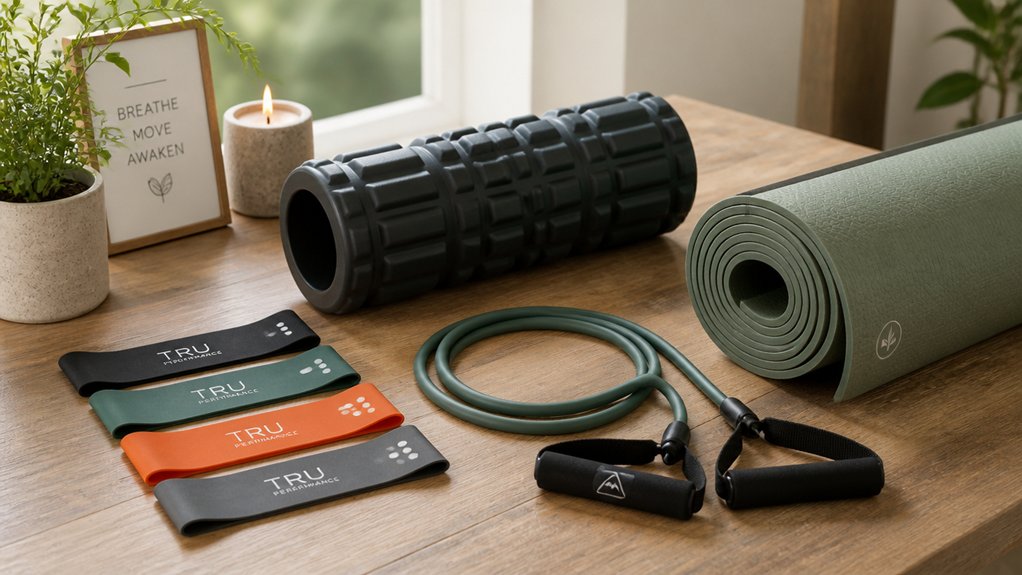
Engaging in gentle cardio before your ice plunge helps boost blood flow, warming muscles and joints to reduce cold shock and stiffness. Low-impact activities like brisk walking or light cycling for 3-5 minutes at 40-60% max heart rate are ideal, as they prepare your body without causing fatigue.
Gentle cardio raises your core temperature slightly, enhancing circulation and improving vascular responsiveness, which supports safer cold water immersion. This gradual increase helps regulate your body’s response to cold shock, minimizing discomfort and hyperventilation.
Avoid high-intensity cardio, as it can lead to excessive fatigue or elevated heart rate, making cold adaptation more difficult. By supporting a controlled physiological shift, gentle cardio sets a solid foundation for a comfortable and effective cold plunge experience.
Mobility Exercises Specifically for Cold Plunge Prep
To prepare your joints and muscles for a cold plunge, focus on targeted mobility exercises that promote blood flow and reduce stiffness. Perform dynamic joint circles—wrist, ankle, and shoulder—for 30 seconds each to boost synovial fluid flow, enhancing joint prep for cold exposure. A compression layer, such as a knee sleeve, can further support joint stability and improve circulation during these movements. Incorporate gentle spinal twists and neck rotations to improve mobility and circulation to your axial skeleton. Use controlled leg swings and arm swings for 1-2 minutes to warm up large joints, helping maintain muscle contractility before immersing in cold water. Focus on slow, deep breathing combined with these range-of-motion movements, activating your parasympathetic tone and calming your nervous system. Prioritizing joint prep through these exercises reduces muscle stiffness, ensuring safer and more effective cold plunge experiences.
How Deep Breathing Enhances Relaxation & Focus
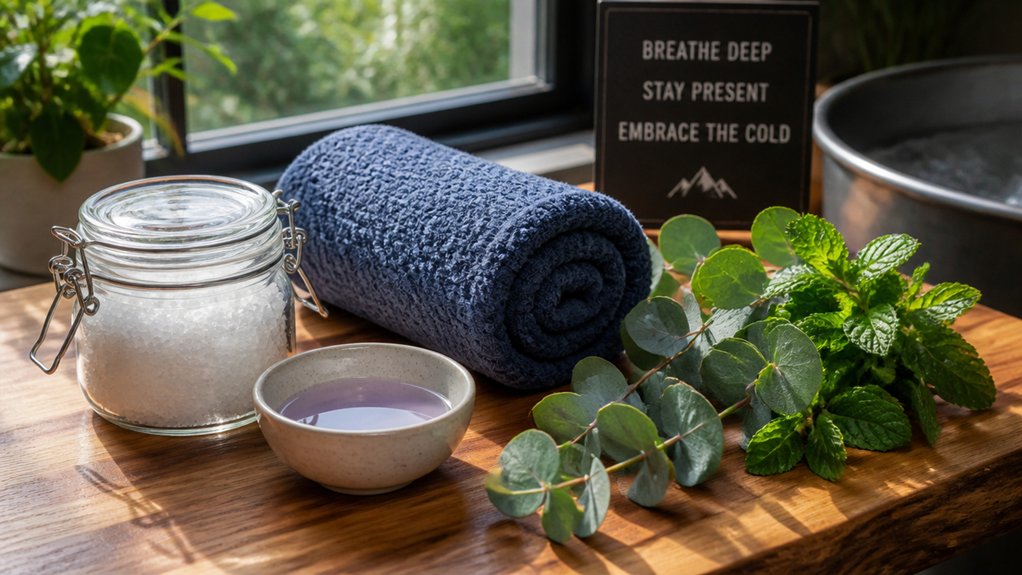
Deep breathing during your cold plunge preparation plays a crucial role in calming your nervous system and sharpening your focus. By practicing mindful breath control with a slow inhale of four counts and a six-count exhale, you activate your parasympathetic nervous system, promoting deep relaxation.
This controlled breathing enhances vagal tone, which improves heart rate variability and stress resilience before cold exposure. Focusing on your breath helps reduce the initial shock response, calming rapid breathing and lowering anxiety as you approach the ice plunge.
Additionally, deep breathing primes norepinephrine release, boosting mental focus and alertness. This combination of relaxation and heightened awareness prepares you mentally and physically, making your cold plunge more tolerable and effective. Knowing how to monitor your oxygen levels with reliable blood oxygen monitors can further support your mood and performance during and after cold exposure.
When’s the Best Time to Warm Up for Cold Therapy?
Warm up just before your cold plunge with 5 to 7 minutes of moderate activity to boost muscle temperature and joint mobility. Timing is key—finish your warm-up at least 3 to 5 minutes before entering the water to maximize benefits. Keep the intensity moderate to avoid fatigue and guarantee safe, effective cold therapy. Incorporating insulation features into your setup can help maintain your body warmth during and after your warm-up.
Warm-Up Duration and Intensity
Timing your warm-up correctly is key to maximizing the benefits of cold therapy. A warm-up lasting 5-7 minutes right before your plunge effectively boosts muscle temperature and joint mobility, helping reduce stiffness caused by cold exposure.
Performing this warm-up 3-5 minutes prior to immersion allows your nerve system to respond by increasing norepinephrine levels, enhancing alertness and pain tolerance. Keep the warm-up moderate; avoid prolonged or intense exercises that might raise core temperature too much, which could counteract benefits.
Focus on joint-specific mobility and light cardio to gently increase blood flow without fatigue. The goal is to optimize joint preparation and mental readiness within 10 minutes of cold therapy to guarantee maximum physiological and psychological benefits. Incorporating the right foam roller support can further enhance muscle relaxation and improve circulation before your plunge.
Optimal Warm Muscles Timing
When’s the best time to warm up your muscles before a cold plunge? Aim to complete your warm-up about 5 minutes prior to immersion. This timing guarantees your muscle temperature stays elevated, boosting muscle readiness and blood flow without cooling off.
An active warm-up lasting 5-10 minutes enhances muscle contractility and prepares your body efficiently. Warming up too early—more than 15-20 minutes before—can lead to cooling and decreased readiness, so precise timing is key.
Incorporate activation exercises that elevate your body temperature and heart rate right before the cold plunge. This approach maintains peak muscle function and reduces injury risk, helping your muscles stay primed and responsive immediately before cold therapy. Additionally, utilizing pressure regulation technology can optimize circulation and recovery during your session.
How Long Should You Warm Up Before Cold Immersion?
A 5 to 10-minute warm-up with dynamic movements is ideal before a cold plunge to boost muscle temperature and blood flow. This prepares your nervous system, enhances mental focus, and helps prevent stiffness during cold immersion. Incorporating some joint-friendly design elements into your warm-up can further protect sensitive areas during the plunge. Keep in mind that waiting 20 to 45 minutes after warming up allows your muscles to recover fully before intense activity.
Warm-Up Types and Duration
How long should you warm up before plunging into cold water? A dynamic warm-up lasting 5-10 minutes is ideal to raise your core temperature and boost muscle contractility. This pre-immersion warm-up should include mobility exercises and light cardio to stimulate circulation and reduce stiffness.
Keep the warm-up duration within this window to prevent fatigue and maintain alertness. Incorporate controlled breathing techniques to improve vagal tone and prepare your body mentally.
Just 3-5 minutes of mobility exercises just before the plunge can help activate your muscles and guarantee safer immersion. Avoid prolonged warm-ups exceeding 10 minutes, as they may diminish mental readiness and physical readiness, making the cold plunge less safe and effective.
Effect of Warmth on Performance
Properly timed warmth before cold immersion greatly enhances performance and safety. A dynamic warm-up of 5-10 minutes helps maintain muscle contractility and prevents stiffness caused by sudden cold exposure.
Boosting circulation during your warm-up promotes better nerve signal transmission, supporting muscle performance during cold immersion. It also raises vagal tone, helping your body tolerate cold stress more effectively.
Keep in mind:
- Warm-up should be at least 5-10 minutes to counteract muscle stiffness
- Completing the routine 20-30 minutes before plunging guarantees mental readiness
- Warm-ups shorter than 3 minutes are usually insufficient
- Longer warm-ups (>15 minutes) don’t provide additional benefits
Timing your warm-up correctly guarantees peak performance while minimizing the risk of decreased muscle function or cold stress during your cold plunge.
Importance of Body Temperature
The length of your warm-up directly influences your body’s readiness for cold immersion. A proper warm-up, lasting at least 20-30 minutes with dynamic movements, raises your core and muscle temperature, which is essential for peak performance.
It helps restore muscle temperature and nerve signals after initial cold exposure during the pre-plunge phase. An adequate warm-up prevents cold-induced muscle tightness, which can compromise muscle contractility and increase discomfort.
By elevating your body temperature, you reduce stiffness, improve neuromuscular function, and enhance cardiovascular safety. The ideal warm-up duration varies based on individual tolerance and ambient temp but generally ranges from 5 to 30 minutes.
Skipping or shortening this step can increase injury risk and diminish the physiological benefits of cold immersion.
Common Mistakes to Avoid During Joint Prep
Skipping essential steps or rushing through joint prep can undermine your efforts and increase the risk of soreness or injury. If you neglect proper warm-up, your joints won’t be adequately prepared for the cold plunge, leading to stiffness and reduced mobility.
Avoid skipping dynamic movements that boost blood flow, which is crucial for joint lubrication and flexibility. Failing to control your breathing during prep can hinder parasympathetic activation, impairing joint readiness.
Also, don’t overreach or aggressively manipulate your joints, as it may cause strain and post-immersion soreness. Keep these points in mind:
- Rushing the warm-up process
- Neglecting blood flow exercises
- Ignoring controlled breathing
- Forcing too much joint range of motion
Customizing Your 7-Minute Warm-Up Routine
You can make your 7-minute warm-up more effective by customizing it to include dynamic movements that activate your major joints.
Focus on controlled, targeted mobility exercises like arm circles and leg swings to prevent stiffness and improve circulation. Adjust the intensity and duration based on your flexibility to guarantee a safe, thorough prep before cold exposure.
Dynamic Movement Activation
Customizing your 7-minute warm-up with dynamic movements prepares your joints effectively for cold immersion.
Dynamic activation involves joint-specific movements like arm circles, hip openers, and ankle mobilizations that boost mobility and lubricate synovial fluid, easing movement during cold exposure. Gradually increasing movement intensity primes connective tissues, reducing stiffness and discomfort.
These exercises also increase blood flow and raise joint temperatures, helping maintain muscle contractility in cold water.
To optimize your routine, focus on:
- Controlled, gradual movement increases
- Targeting joints prone to stiffness
- Stimulating synovial fluid production
- Enhancing blood flow for better readiness
Targeted Joint Mobility
Focusing on targeted joint mobility can make a significant difference in preparing your body for cold immersion. Start with gentle joint circles, like wrists, elbows, and shoulders, lasting about 1–2 minutes. This helps distribute synovial fluid, boosting joint readiness and mobility.
Incorporate dynamic stretches for key joints such as hips, knees, and ankles to improve range of motion and lessen stiffness during cold exposure. Use controlled movements like arm swings and leg swings to gradually increase joint temperature.
Spend extra time on any joints prone to tightness or previous injury to reduce discomfort. Pair these mobilizations with slow, rhythmic movements and deep breathing to activate your parasympathetic nervous system.
This targeted joint mobility routine enhances flexibility, warms muscles, and optimizes your body’s response before the ice plunge.
Tips for Transitioning Smoothly From Warm-Up to Cold Immersion
Shifting smoothly from warm-up to cold immersion requires deliberate timing and preparation. As you approach the cold plunge, guarantee your body temperature has decreased gradually with light cardio or active stretching toward the end of the warm-up. This helps ease your adjustment into cold water immersion without shocking your system.
Transition smoothly with gradual cooling through light activity to avoid shocking your system.
Finish your warm-up with controlled breathing exercises—inhale for four counts, exhale for six—to activate your parasympathetic nervous system and reduce discomfort. Avoid getting damp or sweaty, as damp skin accelerates heat loss and can increase discomfort during cold water immersion.
Aim to enter the cold plunge within a few minutes of completing your warm-up to maximize circulation benefits and prevent joint stiffness.
- Incorporate active stretching to control body temperature
- Keep movement gentle to avoid excessive sweating
- Use controlled breathing to manage shock
- Transition quickly to maintain circulation
Frequently Asked Questions
What Should I Do Before a Cold Plunge?
You should warm up with dynamic movements, focus on slow breathing to calm your nervous system, stay hydrated, and avoid plunging stiff muscles. Keep your head above water to prevent gasping and protect your joints from sudden shocks.
Is a 2 Minute Cold Plunge Enough?
Yes, a 2-minute cold plunge is enough for mental alertness, norepinephrine release, and circulation benefits, especially if you’re a beginner. It safely acclimates you without risking hypothermia and prepares you effectively for workouts or recovery.
Does Cold Plunge Help With Joints?
Yes, cold plunges can help your joints by reducing inflammation and pain temporarily, speeding up recovery, and decreasing swelling. Just make sure you follow proper protocols and consult a professional, especially if you have circulatory or joint issues.
Do Cold Plunges Help Neuropathy?
Cold plunges may temporarily relieve neuropathy discomfort by reducing pain signals and improving blood flow, but they can also worsen symptoms if used improperly. Always check with your healthcare provider before trying cold immersion for neuropathy.