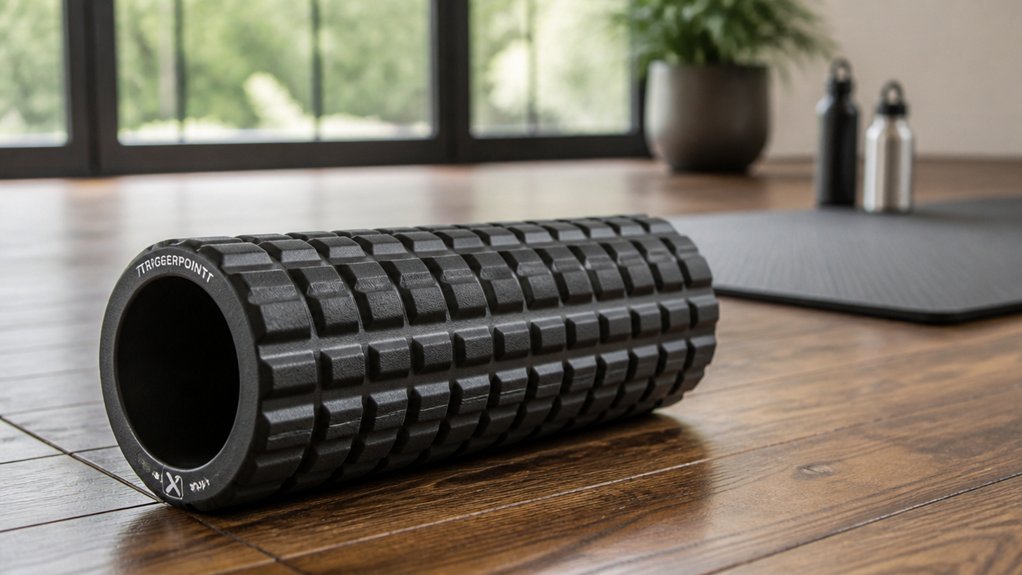
Before your cold plunge, focus on foam rolling major muscles like your quadriceps, hamstrings, glutes, calves, and your thoracic spine. Use gentle to moderate pressure and hold tender spots for 30-60 seconds to release tightness and improve flexibility. This primes your connective tissue, enhances circulation, and sets your body into recovery mode. Proper foam rolling is essential, and if you keep exploring, you’ll discover how to do it effectively and avoid common mistakes.
How Foam Rolling Before a Cold Plunge Boosts Recovery
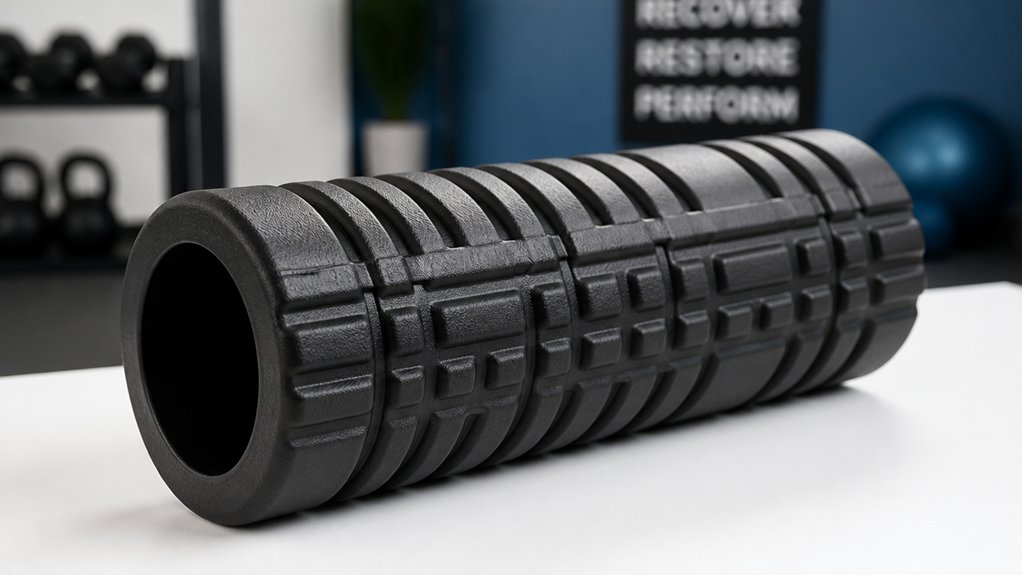
Foam rolling before a cold plunge can greatly enhance your recovery process by preparing your muscles for cold exposure. When you foam roll, you release tight muscles and improve the flexibility of your connective tissue, which helps your muscles respond better to cold therapy.
Applying pressure to trigger points for 30–60 seconds can also decrease neural tension, reducing post-plunge soreness. This pre-cold therapy work supports the dissipation of adhesions, promoting better circulation and faster recovery. It also primes your connective fascia for the constricting effects of cold, making tissues more pliable. Using a firm foam roller, like the high-density foam rollers listed, ensures effective deep-tissue release and supports longevity during repeated use.
Additionally, foam rolling as part of your warm-up helps mentally set your body into recovery mode, allowing you to maximize the anti-inflammatory and restorative benefits cold exposure offers.
Which Muscles Should You Focus on Before Cold Therapy?
Before you plunge into cold therapy, targeting specific muscles can make a significant difference in your recovery. Focus foam rolling on muscles most activated or stressed prior to a workout, as foam rolling can help improve circulation and reduce stiffness. Prioritize muscles like the quadriceps, hamstrings, glutes, and calves to guarantee they’re prepared for recovery. Target areas with tightness or previous injuries to enhance flexibility. Including foam rolling of your thoracic spine also boosts upper back mobility, easing muscle tension. Use gentle to moderate pressure and hold tender spots for 30-60 seconds, avoiding fatigue before cold immersion. Additionally, incorporating proper temperature therapy techniques can further optimize your recovery process.
How to Foam Roll Effectively Before Your Cold Plunge
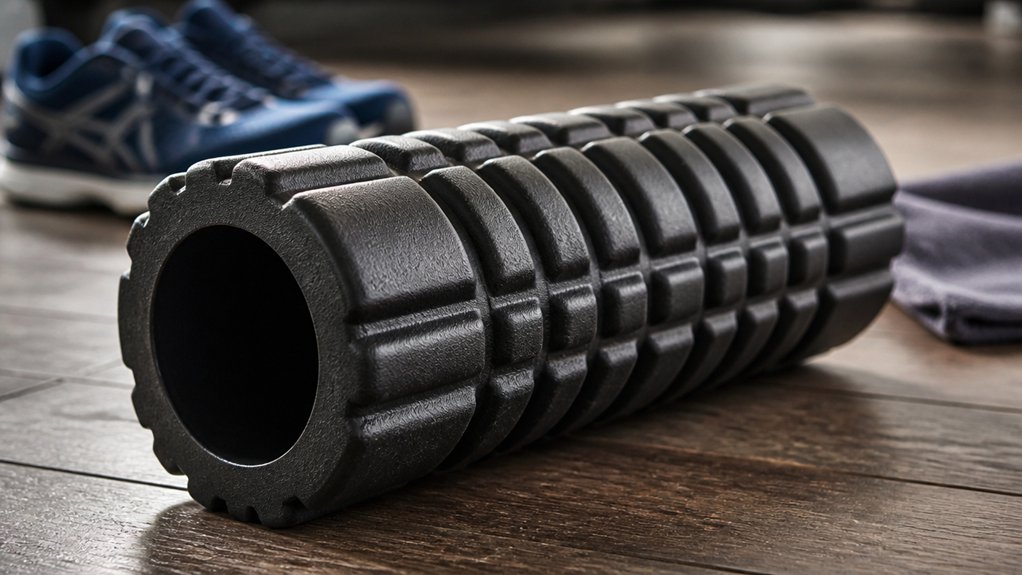
Wondering how to maximize the benefits of foam rolling before your cold plunge? Focus on doing it with purpose. Begin with a mild warm-up to gently boost blood flow and elevate muscle temperature, preparing your muscles for deeper work.
Target major muscle groups like quads, hamstrings, calves, and glutes—common areas prone to tension—using slow, controlled strokes. Apply moderate pressure and pause on trigger points for 30 to 60 seconds until discomfort lessens, but avoid pain or bruising.
Keep your breathing relaxed and steer clear of sensitive areas like your lower back or joints. Limit each session to 1–2 minutes per muscle group, which helps improve your range of motion and reduces muscle soreness without causing fatigue or injury—optimal for your cold plunge. Incorporating resistance bands can also enhance your warm-up by engaging muscles more thoroughly before the plunge.
How Long & How Often to Foam Roll Before Cold Practice
How long and how often you foam roll can greatly impact your cold plunge benefits. Ideally, spend about 30 to 60 seconds on each targeted muscle to release tightness and boost mobility without causing fatigue. Performing a total of 3 to 5 minutes of foam rolling before your cold practice helps warm your muscles, increase blood flow, and reduce stiffness. Focus on muscles most engaged or tight, applying moderate pressure to prevent soreness that could hinder recovery. Additionally, utilizing muscle scraping tools can enhance fascia release and support your recovery routine. Regular foam rolling—at least three times per week—can improve your range of motion and decrease muscle tightness over time. Start with gentle pressure and gradually build intensity across sessions to safely prepare your tissues for cold therapy, maximizing recovery and performance without risk of injury.
Common Mistakes to Avoid When Foam Rolling for Recovery
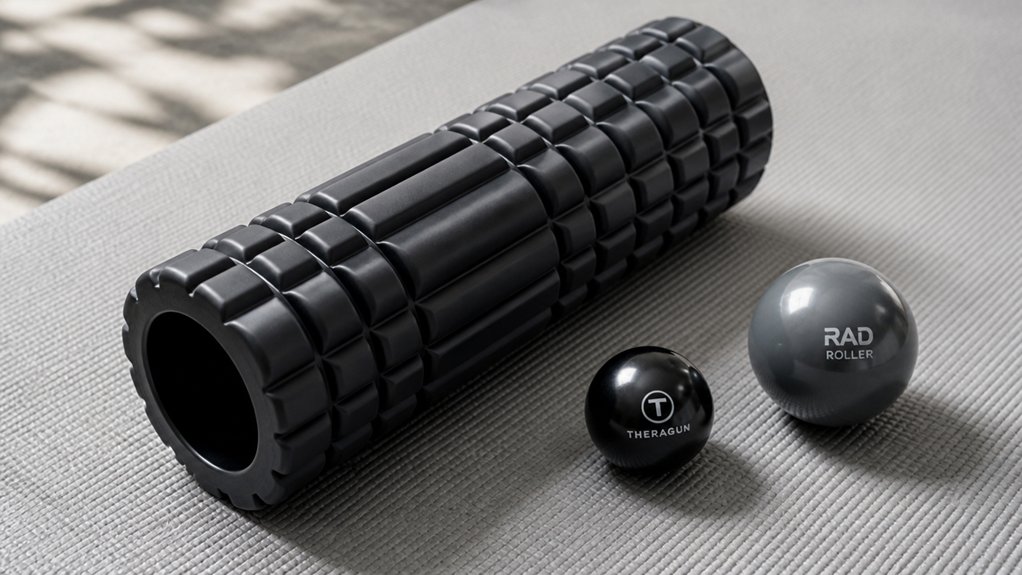
To maximize the benefits of foam rolling and prevent injury, it’s essential to avoid common mistakes that can undermine your recovery efforts. First, steer clear of rolling directly over bony prominences, joints, or sensitive areas like your lower back and neck, as this can cause inflammation. Second, avoid applying excessive pressure on painful muscles or rolling too aggressively, which may lead to bruising, increased soreness, and hinder recovery. Third, never skip a mild warm-up before foam rolling, since cold muscles are more prone to tissue damage and discomfort. Fourth, don’t hold foam rolling on trigger points for less than 30 seconds; insufficient pressure duration won’t effectively release adhesions. Maintaining proper technique helps guarantee safe, effective foam rolling. Additionally, understanding muscle tissue quality and how it responds to soft tissue work can help tailor your foam rolling routine for optimal recovery.
Combining Foam Rolling With Other Warm-Up Strategies
Combining foam rolling with other warm-up strategies creates a more effective preparation routine that activates muscles and enhances joint mobility. To optimize your plunge, target specific muscle groups—agonists and antagonists—using foam rolling, then follow with dynamic mobility exercises and bodyweight movements. Start on wide muscles with moderate pressure, gradually increasing intensity, and hold on tender trigger points for 30-60 seconds to improve flexibility. After foam rolling, incorporate dynamic stretches to maintain muscle length and prepare for explosive movements. Remember, keep foam rolling brief—about 60–90 seconds per muscle group—and don’t rely solely on it, as it can temporarily reduce muscle performance. Using recovery tools like foam rolling as part of your warm-up can support better circulation and flexibility, ultimately enhancing your plunge experience. Use this combination to increase efficiency and readiness for your plunge.
Frequently Asked Questions
Should You Foam Roll Before or After a Bath?
You should foam roll before a bath, especially a warm plunge, to loosen tight muscles, improve mobility, and promote blood flow. Doing it beforehand prevents soreness and prepares your muscles for cold immersion effectively.
Do Foam Rollers Help With Scoliosis?
Foam rollers can help with scoliosis by relieving muscle tightness and improving posture. You should focus on your thoracic spine carefully, avoid the lower back, and always consult a healthcare provider to guarantee safe techniques tailored to your condition.
Will Foam Rolling Help Piriformis Syndrome?
Yes, foam rolling your piriformis can help relieve piriformis syndrome by reducing muscle tightness, releasing adhesions, and improving tissue mobility. Incorporate it gradually into your routine, mainly during warm-up or recovery, but consult a professional for persistent issues.
Can Foam Rolling Help With Plantar Fasciitis?
Yes, foam rolling can help with plantar fasciitis by reducing muscle tightness, improving blood flow, and easing fascia adhesions in your calves and foot, which may decrease pain and support quicker recovery when done regularly and with proper technique.