Acclimation for immune support involves gradually exposing your body to cold conditions to help it adapt and potentially enhance resilience. While controlled cold exposure can strengthen overall health, its effects on immunity are complex and vary from person to person. Cold stress may temporarily suppress some immune functions, and energy might shift away from immune responses during acclimation. If you keep exploring this topic, you’ll discover ways to optimize cold exposure for your immune health safely and effectively.
What Is Cold Acclimation and Why Is It Important for Immune Health?
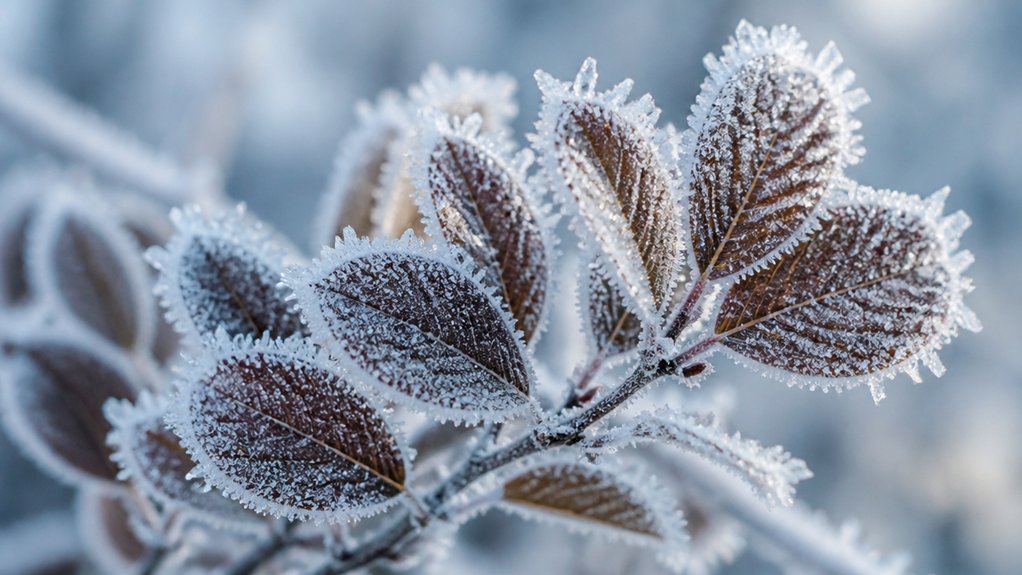
Have you ever wondered how organisms adapt to cold environments? Cold acclimation is the physiological process that helps them adjust to chronic low temperatures, improving their ability to function in such conditions. It involves different physiological changes tailored to environmental conditions, enhancing skills like locomotor performance.
Research shows that integrating adaptogens like Rhodiola or Ashwagandha can support stress resilience during cold exposure, emphasizing the importance of natural adaptogen blends in maintaining health.
However, when it comes to the immune system, the effects are complex. In cold-acclimated insects like Gryllus veletis, some immune components may become deactivated, revealing trade-offs between immune defense and cold-stress adaptations. While cold acclimation can prepare organisms for the combined stresses of cold and pathogens, immune responses might be variable or suppressed.
Understanding this process shows that immune health benefits from cold exposure aren’t uniform; balancing physiological priorities is key for sustained immune support during prolonged cold periods.
How Cold Exposure Affects Your Body’s Immune System
Cold exposure can directly influence your immune system, often leading to a temporary reduction in certain immune functions. When you’re exposed to cold, blood vessels constrict, reducing blood flow to your extremities. This constriction can limit the movement of blood cells critical for fighting pathogens, making your immune system less effective temporarily.
Cold stress can also deactivate some immune components, leading to unpredictable responses rather than consistent improvements. During cold acclimation, your body may prioritize physiological performance, such as maintaining core temperature, over immune defense. This trade-off can increase your vulnerability to infections, especially when cold stress coincides with pathogen exposure.
The Science of Cold Acclimation and Immune Boosting: What Really Happens
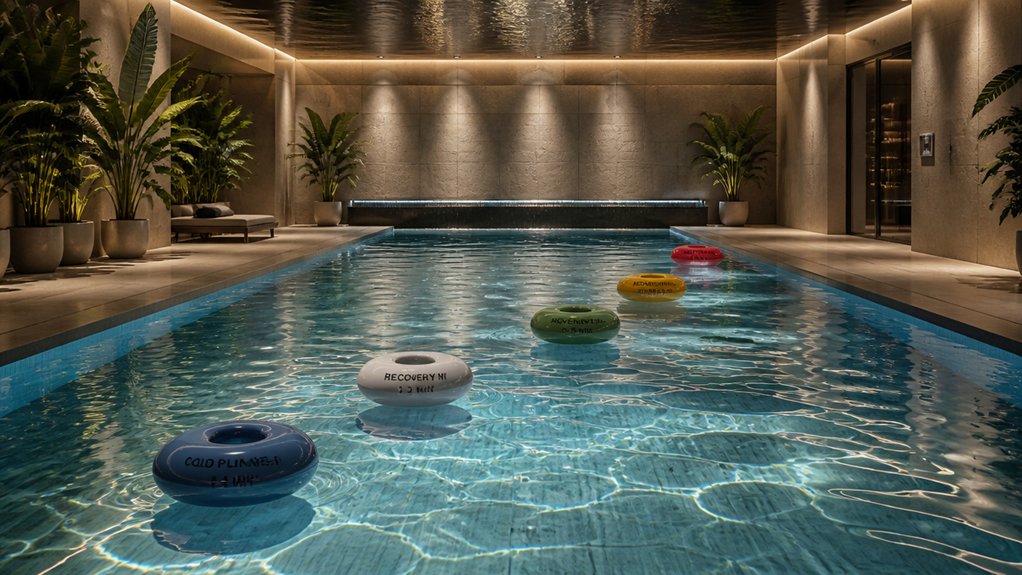
When you experience cold acclimation, your body’s physiological responses improve at low temperatures, but your immune system’s reaction can become unpredictable or even suppressed. A variety of natural, non-toxic water stabilizers and treatments are used to maintain water quality in cold plunge practices, which can influence how your body responds to cold exposure. Different immune components may respond uniquely, often prioritizing cold adaptation over immune function. This complex process reflects how your body reallocates resources, rather than simply boosting immunity through cold exposure.
Cold Impact on Immunity
Although cold acclimation is often thought to bolster immune function, scientific studies reveal a more complex picture.
In insects like Gryllus veletis, cold exposure improves performance at low temperatures but doesn’t automatically enhance immune responses. Some immune components may even be deactivated after cold acclimation, showing that cold can suppress certain immune functions. The immune system’s reaction to cold is unpredictable and varies widely, indicating complex regulation rather than simple boosting.
Additionally, during cold stress, your body might shift energy or resources away from immune defenses to maintain essential physiological functions. Ozone levels can fluctuate during water treatment, which may influence immune responses and overall health. Overall, cold acclimation doesn’t guarantee immune strengthening; instead, it often involves trade-offs where immune activity may be compromised or unchanged.
Acclimation’s Immune Effects
Research shows that cold acclimation doesn’t automatically lead to stronger immune responses. In fact, studies with Gryllus veletis spring field crickets reveal that while acclimation enhances physiological performance, it doesn’t improve immune function at low temperatures.
Instead, some immune components may become deactivated after acclimating to the cold, indicating a possible trade-off between immune response and other physiological adaptations. Your immune system’s performance under cold stress can be inconsistent, often failing to show improvements like your locomotor abilities.
During cold acclimation, your body may suppress immune responses to reallocate resources toward survival-critical functions. These findings challenge the idea that acclimation uniformly boosts all biological systems, underscoring the complex and system-specific impacts on your immune health during cold adaptation. Notably, formulations that prioritize sensitive skin safety and effective barrier support can help prevent additional immune stress caused by harsh skincare ingredients during temperature fluctuations.
System-Specific Responses
Cold acclimation triggers complex, system-specific responses in your body, meaning not all physiological systems react the same way. For example, insects often experience improved locomotion at low temperatures, but their immune systems may not follow suit.
Instead, immune responses can become variable, sometimes involving the deactivation of certain immune components rather than an enhancement. These responses highlight trade-offs: under cold stress, your body may prioritize survival mechanisms over immune function, potentially suppressing immune activity to conserve energy.
This inconsistency challenges the idea that all systems benefit equally from acclimation. It shows that while cold acclimation might improve certain physiological aspects, like physical performance, it doesn’t necessarily translate to stronger pathogen resistance. The immune system’s response is complex and highly system-specific, influenced by various physiological priorities. Additionally, understanding the effects of immune system stability during cold acclimation emphasizes the nuanced and sometimes counterintuitive nature of these physiological adaptations.
Step-by-Step Cold Exposure Protocols to Support Immunity
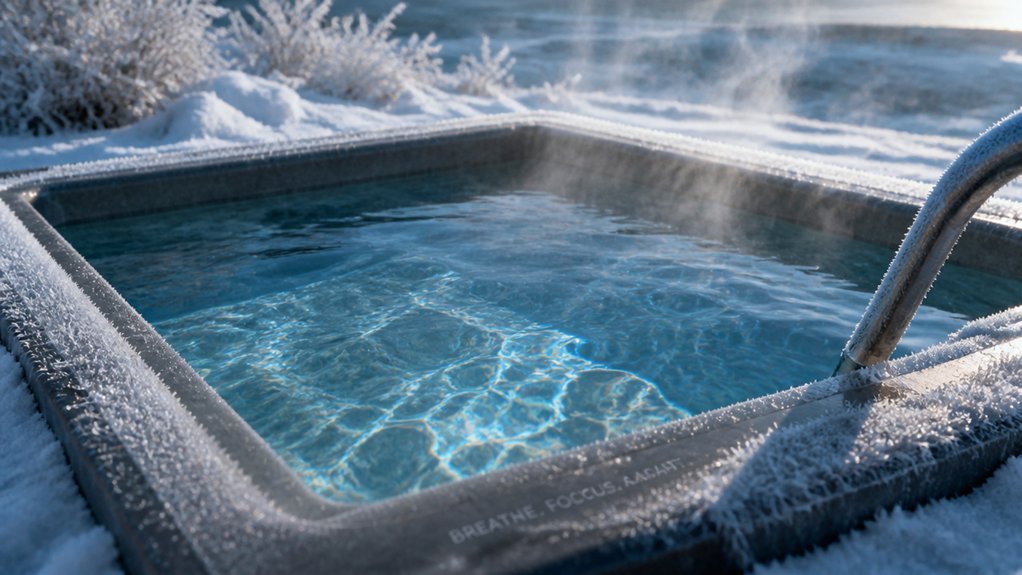
Start with gentle cold exposure at around 15–20 °C to give your immune system time to adapt. Carefully monitor how your body responds, especially during temperature shifts toward colder levels near 6 °C. Additionally, ensuring proper water treatment and maintenance of your cold plunge setup can help optimize your body’s response to cold exposure. Incorporate rest periods to support immune balance and adjust your protocol based on your responses.
Gradual Temperature Reduction
To support your immune system through temperature changes, adopting a gradual reduction in environmental temperature allows your body to adapt safely without sudden stress. Start by exposing yourself to mildly cool temperatures, around 15-20 °C, and gradually decrease the heat over days or weeks. Incremental drops—eventually reaching 5-6 °C—give your body time to adjust physiologically, preventing shock or immune suppression. This method encourages immune acclimation, helping you maintain or even boost immune function despite colder conditions. Remember, research suggests the immune response can vary, so tailor your approach carefully. Using water treatment solutions that extend equipment lifespan and sustain water quality can support your cold immersion routines as you progress. Consistent, step-by-step cold exposure strengthens your body’s resilience, fostering stable immune support rather than risking harmful, abrupt cold shocks. This controlled process promotes safer, more effective immune adaptation.
Monitoring Immune Responses
Monitoring immune responses during cold exposure involves carefully tracking how key immune functions change as temperature gradually decreases. You’ll do this by measuring activities like phagocytosis and antimicrobial peptide production at each temperature step. This approach helps you identify patterns of immune activation or deactivation as the cold intensifies.
Using reliable and accurate blood oxygen monitors can improve the consistency of your measurements, ensuring you obtain stable and representative data throughout your protocol.
By observing these responses across incremental temperature drops—from 30 °C down to 0.5 °C—you pinpoint thresholds where immune functions decline or stabilize. This monitoring reveals how cold acclimation can modulate or impair specific immune processes.
Such protocols allow you to evaluate the trade-offs between physiological and immune performance under cold stress. Ultimately, this careful tracking guides you in optimizing acclimation strategies that support immune resilience while adapting to colder environments.
Safety Tips for Cold Plunges and Ice Baths During Your Acclimation
When beginning cold plunges or ice baths, it’s essential to prioritize safety to prevent adverse effects. Take it slow and listen to your body.
Prioritize safety when starting cold plunges; take it slow and always listen to your body’s signals.
- Start gradually, letting your body adapt from warm to cold over multiple sessions to reduce shock and boost tolerance.
- Limit initial dips to 1-3 minutes to lower hypothermia risk, then increase time as you adapt.
- Always have supervision or a buddy, especially if you’re new, so someone can assist if emergencies occur.
- Watch for signs like shivering, numbness, or dizziness; exit immediately if symptoms worsen to avoid complications.
Avoid cold exposure if you have cardiovascular or respiratory issues, as cold constricts blood vessels and stresses your heart and lungs. Safety first keeps your immune support journey on track.
Common Mistakes to Avoid When Using Cold Exposure for Immunity
Don’t assume that cold exposure will automatically boost your immune system; research shows responses can vary or even decrease after cold stress.
Relying solely on cold treatments isn’t reliable, since immune effects are unpredictable and may harm other physiological functions.
Overestimating Cold Benefits
Many people assume that cold exposure automatically boosts immune function, but this is an oversimplification. Cold acclimation can improve performance in low temperatures, yet immune responses are more complex and unpredictable.
You might think cold benefits your immunity directly, but you could be overestimating its effects.
Consider these points:
- Some immune components may be deactivated or respond unpredictably after cold exposure.
- Cold acclimation doesn’t guarantee universal boosts in immunity; benefits are limited or absent in many cases.
- Immune performance under cold stress might actually decline, even when physical traits improve.
- Overestimating cold’s immune benefits ignores the immune system’s variability, often leading to misguided expectations.
Understanding these nuances helps prevent overconfidence in cold exposure as a straightforward immune enhancer.
Ignoring Individual Responses
Ignoring individual responses to cold exposure can lead to misguided expectations about its effects on immunity. While cold acclimation may boost physiological performance, its impact on immune function isn’t consistent.
Some people experience reduced immune activity at low temperatures, while others see little or no benefit. Assuming everyone reacts the same overlooks the variability in immune responses and potential trade-offs, such as immune components becoming deactivated.
Cold stress responses are unpredictable and differ from person to person. Hence, applying one-size-fits-all protocols for immunity is ineffective. Instead, focus on understanding your unique reactions and specific immune parameters. Recognizing individual differences helps prevent unrealistic expectations and guarantees cold exposure practices support your immune health safely and effectively.
Signs Your Cold Acclimation Is Improving Your Immune Resilience
How can you tell if your cold acclimation is actually boosting your immune resilience? It’s tricky, as signs aren’t always clear. Here are some indicators to watch for:
- Your immune responses remain stable or even increase across temperatures from 0.5 °C to 30 °C.
- You notice fewer illnesses or infections during cold periods, suggesting reduced pathogen susceptibility.
- You experience consistent energy and recovery levels despite temperature fluctuations.
- You don’t see immune activity decrease or become inconsistent, though some immune components may deactivate.
Combining Cold Exposure With Lifestyle Habits for Better Immunity
While cold acclimation can enhance your immune responses over time, pairing these exposures with healthy lifestyle habits amplifies their benefits. Combining controlled cold exposure with balanced nutrition, regular exercise, and sufficient sleep helps support immune resilience during cold stress. This holistic approach mitigates potential trade-offs, like immune suppression at low temperatures, and helps maintain a balanced immune response. Cold exposure alone can trigger immune activation, but its benefits are more consistent when integrated into a healthy routine. Here’s a quick overview:
| Lifestyle Habit | Impact on Immunity |
|---|---|
| Balanced Diet | Provides essential nutrients for immune function |
| Regular Exercise | Enhances immune cell circulation |
| Quality Sleep | Repairs and boosts immune defenses |
| Stress Management | Reduces immune suppression caused by stress |
| Hydration | Supports overall physiological health |
Tracking Your Progress: Monitoring Endpoints in Cold Acclimation
Tracking your progress during cold acclimation involves measuring specific physiological endpoints, such as immune system performance across various temperatures, typically from 0.5 °C to 30 °C. Monitoring these endpoints helps you understand how your immune response adapts and fluctuates to cold stress.
Track immune performance across temperatures to monitor adaptation during cold acclimation.
To track your progress effectively, you should focus on:
- Evaluating immune activity changes relative to the baseline at 25 °C.
- Observing activation or suppression of immune components at different temperatures.
- Monitoring key physiological markers like locomotor performance and CTmin.
- Noting potential trade-offs between immune function and other systems during cold exposure.
This measurement approach allows you to identify how your immune system responds under varying conditions, optimizing your acclimation process.
Success Stories: How Cold Exposure Has Enhanced Immune Function
Have you ever wondered how cold exposure can actually boost your immune system? Many individuals have experienced improvements after regular cold activities. For example, some report increased white blood cell production, helping fight off infections. Studies show cold acclimation can enhance immune responses against cold-loving pathogens.
Imagine this table representing your immune journey:
| Cold Exposure | Immune Response |
|---|---|
| Repeated dips | More white blood cells |
| Cold habitat | Improved pathogen defense |
| Insect studies | Boosted insect immunity |
| Cytokine release | Alert immune signaling |
| Cold water baths | Elevated antiviral activity |
Adopting controlled cold exposure may lead to stronger, more responsive immunity, supported by cross-species research and human data.
Limitations and Challenges of Using Cold Acclimation to Boost Immunity
Although cold acclimation can enhance certain physiological functions, its effects on the immune system are often inconsistent and unpredictable. You may notice that some immune components deactivate rather than activate under cold stress, making the response unpredictable.
- Immune responses vary widely, unlike the reliable improvements seen in mobility or endurance.
- Energy and resources dedicated to physiological adaptation might divert from immune functions, leading to trade-offs.
- The complexity of the immune system means cold acclimation doesn’t guarantee protection; in some cases, it may impair immunity.
- Cold and pathogen stress occurring simultaneously could leave your immune system vulnerable instead of strengthened.
These challenges highlight why relying solely on cold acclimation isn’t a dependable strategy for immune support.
Future Research and Practical Tips for Optimizing Cold-Induced Immune Benefits
Advancing our understanding of cold acclimation’s impact on immune function requires targeted research to identify the specific immune components that are deactivated during cold exposure. Pinpointing these pathways will help you develop interventions to boost immunity at low temperatures.
Research should also explore the balance between immune response and overall physiological performance under cold stress, so you can optimize strategies that support both. Testing different durations and intensities of cold exposure will clarify how acclimation protocols influence immune resilience in insects and possibly other ectotherms.
Practical tips include implementing controlled cold acclimation routines combined with nutritional or pharmacological support to maintain immune activity during cold periods. Studying the molecular and cellular mechanisms behind immune suppression will further guide you in developing effective, targeted approaches.
Frequently Asked Questions
What Is Acclimation in Simple Terms?
Acclimation is when your body slowly adapts to a new environment, like making more red blood cells at high altitude or adjusting to cold temperatures. It’s a natural process that helps you function better in changing conditions.
What Is the 20 Rule for Acclimatization?
The 20 rule for acclimatization suggests giving about 20 days for your immune system to adapt to environmental changes. During this time, your body adjusts its responses, helping you avoid mistaking short-term fluctuations for proper immune support or long-term adaptation.
What Is the Difference Between Acclimating and Acclimatizing?
You distinguish acclimating from acclimatizing by noting that acclimating involves short-term, controlled adjustments, often in labs, while acclimatizing refers to long-term, natural responses to environmental changes that happen gradually within an organism’s lifespan.
Is Acclimation the Same as Adaptation?
No, acclimation isn’t the same as adaptation. You adjust temporarily within your lifetime to environmental changes, while adaptation involves long-term genetic changes over generations that permanently shape your immune system’s capabilities for survival.