Acclimation for anxiety reduction involves gradually exposing yourself to challenging conditions, like cold exposure, to train your nervous system and boost resilience. As you slowly adapt, you’ll activate your parasympathetic nervous system, promoting relaxation and lowering stress. Over time, this process increases your ability to manage anxiety more effectively and build mental strength. If you want to discover simple steps to start and stay safe, there’s more to explore that can help you on this journey.
What Is Cold Acclimation and How Can It Help Reduce Anxiety?

Have you ever wondered how exposing your body to cold temperatures can help ease anxiety? Cold acclimation involves gradually exposing yourself to cold to boost your mental health and manage stress better.
When you regularly practice cold exposure, it activates your parasympathetic nervous system, helping you relax and reduce anxiety symptoms. Studies show that cold exposure increases levels of endorphins and norepinephrine, which improve mood and decrease feelings of anxiety.
Over time, this practice enhances your overall stress response, making it easier to stay calm during challenging situations. Plus, consistent cold exposure, like cold showers or ice baths, can lower inflammation and balance your nervous system. Understanding how insulation thickness affects heat retention can further optimize your cold exposure routines.
This approach strengthens your resilience, giving you a useful tool to support mental health and manage daily stressors effectively.
How Does Cold Exposure Impact Your Stress Response?
Cold exposure initially activates your sympathetic nervous system, triggering a brief stress response that can strengthen your resilience over time. This activation prompts your nervous system to adapt, helping you better manage future stressors.
As you continue this practice, your prefrontal cortex, responsible for reasoning and regulation, becomes more effective at controlling emotional reactions. Regular cold exposure also stimulates your parasympathetic nervous system, fostering a quicker return to calm after stress.
Additionally, it boosts the production of endorphins and norepinephrine, which reduce anxiety and improve mood. Combining cold exposure with breathing techniques enhances oxygenation and stabilizes your heart rate. Incorporating breathing exercises into your routine can further amplify these benefits by promoting relaxation and mental clarity.
Step-by-Step Guide to Gradually Get Used to Cold Exposure
To safely acclimate your body to cold exposure, start by gradually lowering the temperature of your showers over several days. Studies show that slow, consistent adjustments help build tolerance without overwhelming your nervous system.
Begin with brief exposures of 15-30 seconds and increase cold duration by 5-10 seconds each session. Incorporate diaphragmatic breathing to stay calm and reduce panic responses.
Over 1-2 weeks, this consistent practice can boost parasympathetic nervous system activity, which may help reduce anxiety. Pay attention to your temperature control options and physical responses, adjusting the intensity to prevent excessive stress.
This gradual approach promotes safe adaptation, making cold exposure more manageable and effective for calming the nervous system.
Safety Tips: Risks, Signs of Overexposure, and Precautions
While anxiety reduction techniques like cold exposure, nature immersion, and deep breathing can be effective, it’s essential to practice them safely to prevent adverse effects. Overexposure can lead to dizziness, nausea, or worsening anxiety if performed too intensely or without breaks.
Signs of overexposure include increased heart rate, lightheadedness, sweating, confusion, or emotional distress, all of which may strain your cardiovascular system. For those with existing heart disease or high blood pressure, these symptoms could pose heightened risks.
To stay safe, gradually increase the duration and intensity of your practices, and always choose comfortable, secure settings. If you experience persistent discomfort or physical symptoms, consult a mental health professional promptly to guarantee proper support and precautions. Additionally, monitoring your blood oxygen levels during cold stress can help prevent cold-induced circulation changes that might otherwise go unnoticed.
Incorporate Cold Plunges Into Your Anxiety-Busting Routine
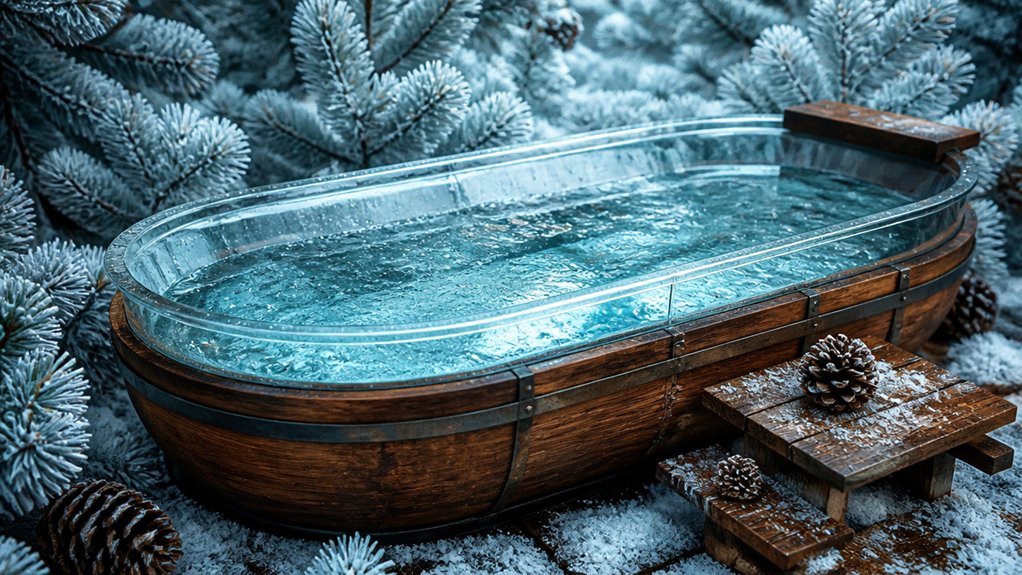
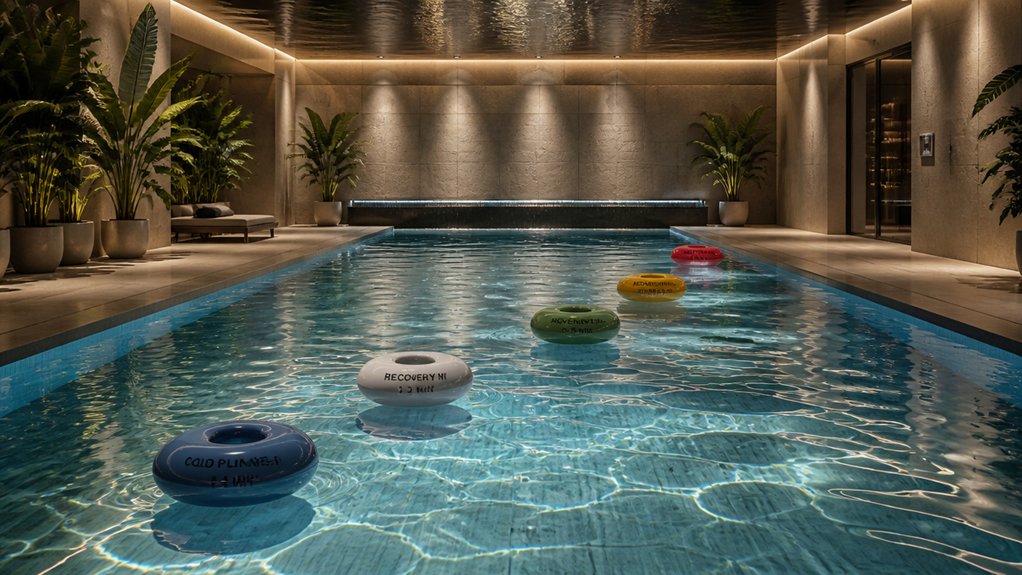
Incorporating cold plunges into your anxiety-busting routine can be a powerful way to boost resilience and calm your mind. When you immerse yourself in cold water, you activate a part of the brain involved in stress regulation, already known for promoting relaxation. Regular exposure triggers a physiological stress response that helps you build mental resilience over time. As you adapt, your body manages stress better by lowering cortisol levels and enhancing emotional regulation. Cold plunges also activate the parasympathetic nervous system, encouraging relaxation and reducing anxiety symptoms. To maximize these benefits, choosing adaptogen-enhanced routines can further support stress management and recovery. Stress hormone regulation is a key factor in how adaptogens help stabilize mood and energy during cold exposure. To get started, consider these points: – Gradually increase exposure time – Maintain steady breathing during immersion – Combine with mindfulness techniques – Monitor your body’s response – Practice consistently for sustained benefits
Frequently Asked Questions
What Are Examples of Acclimation?
You can acclimate yourself by gradually exposing to anxiety triggers, practicing slow breathing, taking longer outdoor walks, using guided imagery, or engaging with new activities slowly. This gradual approach helps your body and mind adapt over time.
How Long Does It Take You to Acclimate?
It can take you anywhere from a few days to several weeks to acclimate, depending on your sensitivity and exposure frequency. Consistency, relaxation techniques, and gradual exposure help speed up the process, leading to reduced anxiety over time.
What Is the Difference Between Acclimating and Acclimatizing?
You should understand that acclimating involves your mind gradually adjusting to stress, helping reduce anxiety through familiarity. Meanwhile, acclimatizing is about your body physically adapting to environmental changes without conscious effort, often taking more time naturally.
What Is the 20 Rule for Acclimatization?
The 20 Rule for acclimatization involves exposing yourself to anxiety-provoking situations in 20-minute sessions, helping your brain adapt gradually. This method boosts tolerance, reduces sensitivity, and promotes neuroplasticity, especially when combined with relaxation techniques like breathing exercises.