Following a post-plunge mobility workout plan helps you recover faster, reduce muscle stiffness, and improve flexibility. It stimulates blood flow, which clears waste products from cold-induced constriction, and prevents injuries. Moving your body gently post-therapy also calms your nervous system and enhances recovery. If you want to maximize your cold plunge benefits and support your body’s healing process, keep exploring — there’s plenty more to discover about effective recovery strategies.
Why Mobility Exercises After Cold Plunge Speed Up Recovery
Mobility exercises after a cold plunge speed up recovery by directly addressing cold-induced muscle stiffness and joint tightness. When you perform gentle mobility routines, you promote blood flow, which helps circulate metabolic waste products accumulated during vasoconstriction.
Mobility exercises post-cold plunge enhance recovery by reducing stiffness and improving blood circulation for quicker muscle relaxation.
This process enhances muscle flexibility and restores joint range of motion faster, reducing the risk of injury. Additionally, mobility work stimulates neuromuscular activation and helps recalibrate your nervous system, optimizing muscle function.
Implementing temperature regulation techniques alongside mobility exercises can further improve recovery outcomes and ensure a balanced muscle response. Cold plunges trigger norepinephrine release, boosting focus and energy, but muscle rigidity can persist if not addressed. By incorporating mobility exercises immediately post-plunge, you encourage muscle pliability and joint lubrication, accelerating functional recovery.
This proactive approach guarantees your body is better prepared for subsequent training sessions and minimizes lingering tightness or discomfort.
How Mobility Moves Help Reduce Stiffness and Improve Flexibility
After a cold plunge, performing targeted mobility moves is essential for reducing stiffness and enhancing flexibility. Post-plunge mobility exercises help counteract vasoconstriction-induced stiffness by gradually restoring joint range of motion and muscle elasticity.
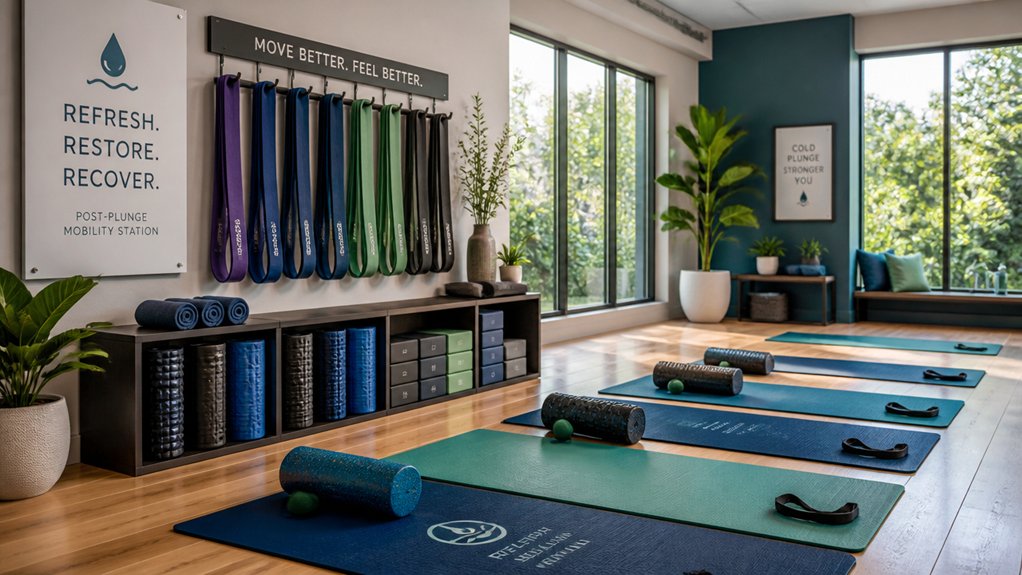
Implementing tools like foam rollers can further improve tissue pliability and support muscle recovery. High-density foam rollers increase blood flow and circulation, aiding in the removal of metabolic waste and promoting tissue pliability. Stretching with forward bends, hip openers, and hamstring stretches loosens tight muscles, reducing injury risk. Regular mobility routines after cold immersion support flexibility gains by elongating muscle fibers tightened from the cold and lower temperatures. Incorporating mobility movements post-plunge encourages gradual warming, preventing sudden muscle tightness and enhancing overall joint function, making your recovery more effective while improving your flexibility and mobility.
Top Easy Mobility Exercises to Boost Circulation Post-Plunge
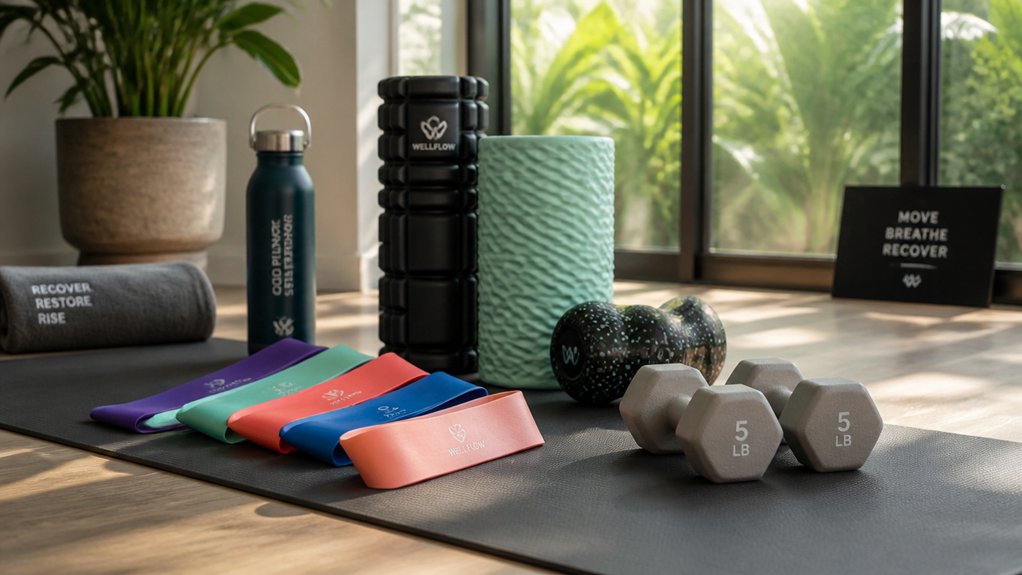
Engaging in simple mobility exercises right after a cold plunge stimulates blood flow and helps your body recover more efficiently. Post-plunge mobility exercises like hip openers and hamstring stretches gradually promote blood vessels to constrict and then dilate, boosting circulation.
Light dynamic movements such as leg swings and arm circles stimulate fresh blood flow to muscles, aiding in flushing out metabolic waste accumulated during cold immersion. Gentle forward bends and spinal twists increase joint fluid mobility, improving range of motion and reducing stiffness caused by cold exposure.
Focusing on slow, controlled breathing during these exercises further calms your nervous system and helps deliver oxygen to tissues for peak muscle recovery. Incorporating 5-10 minutes of these routines accelerates rewarming, supports hydration, and reduces soreness effectively. Proper timing between cold exposure and movement ensures optimal recovery without skin irritation.
When and How to Add Mobility Work After Your Cold Therapy Session
You should add mobility work immediately after your cold plunge, ideally within 5-10 minutes of finishing.
Focus on light dynamic stretches and joint rotations to promote blood flow and prevent stiffness. This timing helps optimize recovery and keeps your muscles flexible without risking overexposure to cold. Incorporating resistance bands during your mobility routine can further enhance flexibility and muscle activation.
Optimal Timing for Mobility
Timing is essential when incorporating mobility work following a cold plunge; performing gentle exercises within 10 to 15 minutes during the rewarming phase allows you to maximize benefits.
During this window, you can carefully include mobility exercises like light stretches and dynamic movements to stimulate blood flow and restore muscle elasticity. Imagine easing into hip openers, forward bends, or hamstring stretches as your body warms up.
This approach helps promote muscle relaxation, reduces inflammation, and encourages the release of metabolic waste. By acting swiftly after your plunge, you guarantee your joints regain their range of motion gradually without risking stiffness. Incorporating infrared light therapy devices during this time can further enhance circulation and accelerate recovery.
Think of your post-plunge routine as a mindful process to enhance recovery, boost circulation, and prepare your muscles for the next phase of activity.
Effective Moves for Flexibility
When it’s time to add mobility work after a cold plunge, choosing the right exercises and knowing when to perform them makes a significant difference. Post-plunge, mobility exercises such as dynamic stretches—hip openers, hamstring stretches, and gentle forward bends—are ideal for boosting flexibility and joint mobility.
These moves promote blood flow, which accelerates muscle recovery and enhances range of motion. Incorporate varying intensity into your routine to encourage muscle relaxation without overstressing tissues. Performing these exercises within 10–15 minutes after cold therapy supports nutrient delivery and waste removal, preventing stiffness caused by vasoconstriction. Additionally, incorporating muscle scraping tools can help release fascia restrictions and improve tissue flexibility.
Consistent post-plunge mobility work reduces injury risk and improves movement quality, making your subsequent training sessions more effective and comfortable.
Common Mistakes to Avoid During Post-Plunge Mobility Routine
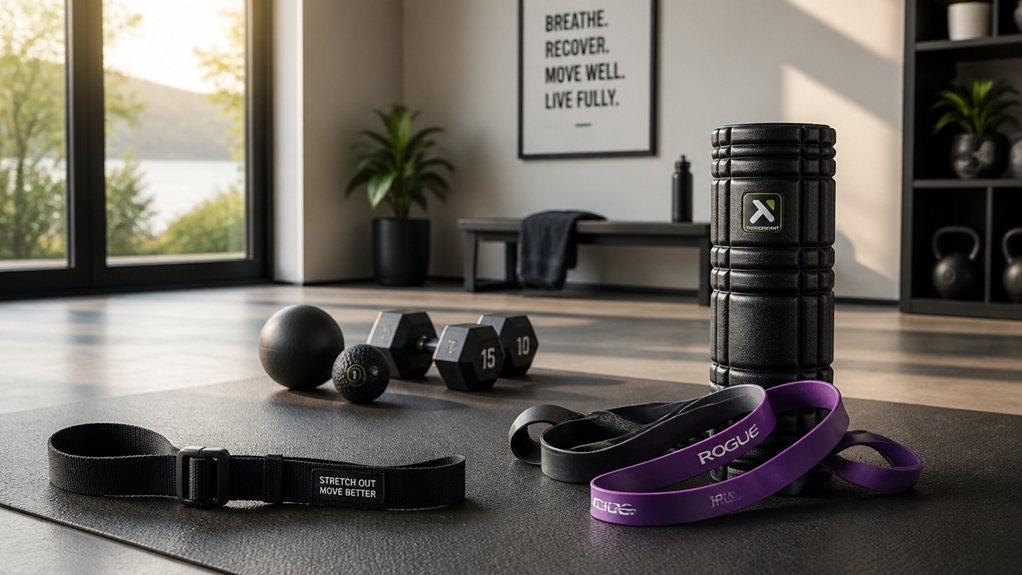
Skipping essential preparatory steps can greatly undermine the benefits of your post-plunge mobility routine. Rushing into exercises without proper rehydration and warm-up can leave muscles stiff or numb, increasing injury risk. Incorporating specialized recovery oils or balms that are clinically proven to support skin healing can enhance your recovery process. To avoid these mistakes, pay attention to:
- Neglecting cold plunge recovery; muscles need time to regain flexibility
- Overstretching cold muscles without warming up first
- Skipping controlled breathing, which hampers nervous system relaxation
- Failing to hydrate, impairing muscle function
- Ignoring consistency, reducing long-term mobility gains
These missteps can weaken your mobility routine’s effectiveness, hinder muscle flexibility, and prolong recovery.
Combining Mobility Drills With Other Recovery Strategies for Better Results
Integrating mobility drills with other recovery strategies amplifies the benefits of your post-plunge routine, helping your muscles relax more effectively and recover faster.
Combining mobility drills with a cold plunge enhances muscle looseness by warming tissues safely, which improves your range of motion and flexibility. Post-plunge exercises promote circulation and nervous system relaxation, reducing stiffness and preventing injury.
To maximize muscle recovery, pair mobility work with proper hydration and protein intake, supporting tissue repair and reducing delayed onset muscle soreness (DOMS).
When you combine mobility routines with compression therapy and cold plunges, circulation improves further, accelerating recovery. This synergy helps rebalance muscle tension, promotes nervous system relaxation, and results in more efficient movement and recovery, enabling you to perform better and feel refreshed after each session. Additionally, understanding pressure levels and how they optimize compression benefits can ensure a safe and effective recovery process.
Frequently Asked Questions
What Is the 3-3-3 Rule for Gym?
The 3-3-3 rule for gym is a structured routine where you do three exercises, each for three sets and three repetitions, right after your cold plunge to boost mobility, flexibility, and recovery efficiently.
Should I Do Mobility Training Before or After a Workout?
You should do mobility training after your workout, especially post-cold plunge, to help muscles recover, reduce stiffness, and improve flexibility. Doing it beforehand isn’t as effective for warming up or preparing joints for movement.
How Long Should You Wait to Workout After a Cold Plunge?
You should wait at least 10 to 15 minutes after a cold plunge before working out, allowing your body to rewarm. For strength training, wait 4 to 6 hours; for cardio, start light within 30 minutes to enhance recovery.
What Is the 5 5 5 30 Rule?
The 5 5 5 30 rule involves doing five minutes of stretching, mobility exercises, and light movement, then gradually warming your body for 30 minutes. It helps prevent injury, improve circulation, and promote faster muscle recovery after cold plunging.