
Cold‑water immersion jolts your body with a sympathetic surge, raising heart rate 30‑50 bpm and blood pressure 20‑30 mm Hg, which can trigger arrhythmias, ischemia, or angina—especially if you have hypertension, heart disease, or take beta‑blockers. The sudden gasp and hyperventilation increase drowning risk, while rapid vasoconstriction cuts peripheral blood flow, causing numbness, frostbite, and nerve damage. Core temperature drops fast, leading to shivering, hypothermia, and cognitive impairment. If you keep going, you’ll discover how to mitigate these hazards.
Is a Cold Plunge Safe? Key Safety Verdicts
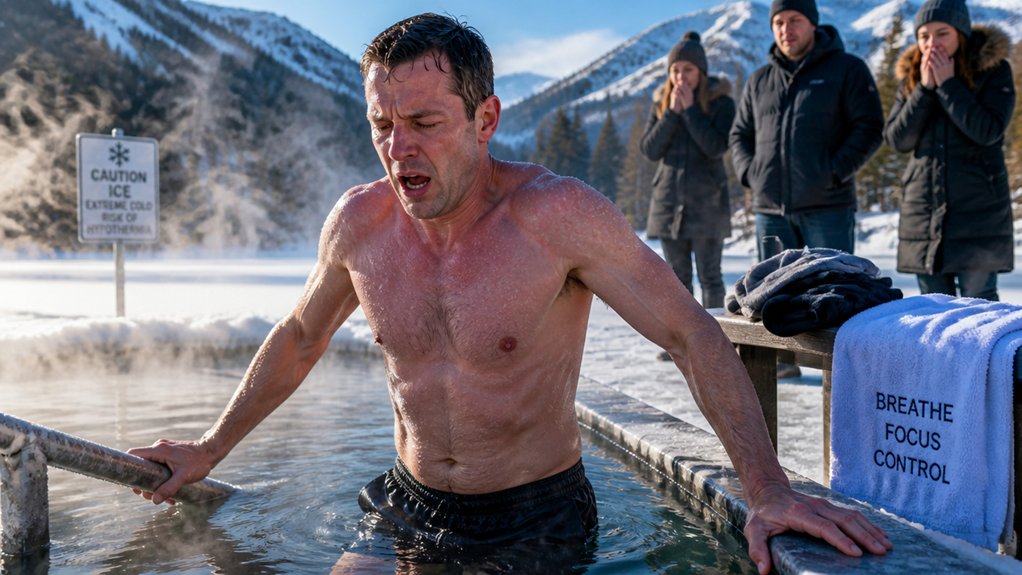
Is a cold plunge safe? You’ll feel an instant cold shock that spikes breathing, heart rate, and blood pressure. If you have heart conditions, that surge can strain your heart and raise troponin, hinting at muscle damage.
Limit immersion duration to 1‑5 minutes and keep water no colder than 40 °F (4 °C). Stay with a buddy and exit promptly if you start shivering, numbness, or mental fog—signs of hypothermia. Warm up immediately after leaving the water.
Before you start, consult a medical professional, especially if you have hypertension or cardiovascular disease. By respecting these limits, you reduce drowning risk, avoid prolonged cold water immersion effects, and protect your heart from the sudden shock.
Cold Plunge Shock Response: What It Is and Why It Matters
After you’ve confirmed that a cold plunge can be safe for you, the next hurdle is the cold‑shock response—your body’s instant reaction to sudden immersion.
In the first ten seconds to a minute of cold-water immersion, you’ll feel an involuntary gasp and rapid breathing that can last two to three minutes. Your heart rate spikes, blood pressure climbs, and blood vessels constrict, shunting blood from your limbs to your core. This surge strains the cardiovascular system and quickly drains limb strength and coordination.
The cold plunge shock response peaks early, so maintaining breath control and keeping your head above water are vital to avoid water inhalation and the associated drowning risk. Understanding this response lets you manage the physiological shock and stay safe.
How Rapid Breathing Increases Drowning Risk in a Cold Plunge
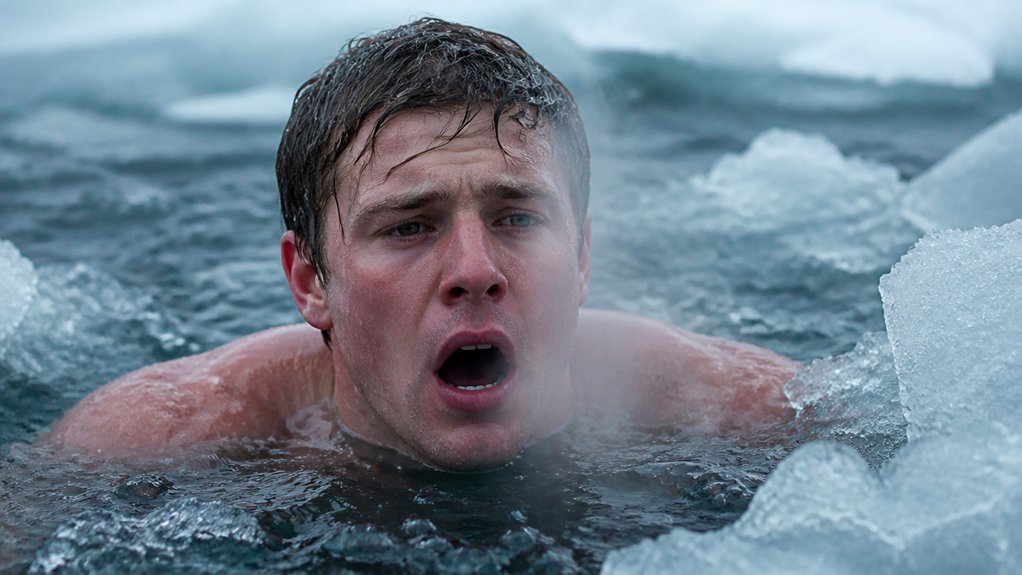
When you plunge into icy water, the cold‑shock gasp reflex forces you to inhale wildly, often before you can think. That hyperventilation can make you dizzy and throw off your coordination, compromising your buoyancy.
In those first seconds, losing breath control dramatically raises the chance of water aspiration and drowning.
Cold Shock Gasp Reflex
Ever wonder why a sudden plunge can feel like a gasp for air? When you experience sudden immersion, the cold shock response fires instantly, triggering a gasping reflex that can suck water into your lungs. This involuntary burst of breath happens before you can think, so you’re vulnerable to drowning even in water as warm as 77 °F. The rapid breathing spikes heart rate and blood pressure, adding stress that makes it harder to stay afloat. Understanding Cold Water Hazards helps you prepare, control the reflex, and reduce the danger.
| Trigger | Effect |
|---|---|
| Sudden immersion | Immediate gasp |
| Water ≤ 77 °F | Reflex activation |
| Cold shock response | Rapid breathing |
| Heart rate & blood pressure | Elevated stress |
| Gasping reflex | Drowning risk |
Hyperventilation‑Induced Dizziness
If you plunge into icy water, the sudden shock triggers a burst of rapid, uncontrolled breathing that can make you dizzy or even faint within seconds. This cold shock response initiates hyperventilation, slashing carbon‑dioxide levels and causing lightheadedness. The presence of an anti-static, non-conductive intervention mindset in cold-water safety can also influence how you prepare and respond to the environment ESD-safe design. As you gasp, your heart rate and blood pressure spike, compounding the feeling of dizziness. The reduced CO₂ narrows cerebral blood vessels, impairing judgment and making you more likely to lose balance or inhale water. Even a brief surge of breathing can overwhelm your vestibular system, leading to fainting in vulnerable swimmers. To curb this, practice gradual acclimatization and controlled breathing before full immersion; keeping the hyperventilation response in check dramatically lowers drowning risk.
Impaired Coordination and Buoyancy
Even a brief gasp of icy water can cripple your coordination and buoyancy, because the cold‑shock response forces rapid, uncontrolled breathing that steals strength from your limbs and narrows the vessels feeding your brain.
Within seconds, the cold shock response redirects blood to your core, causing loss of limb strength and impaired motor control. Your arms and legs feel heavy, and the sudden hyperventilation drops carbon‑dioxide, making you dizzy or even faint.
This loss of limb strength reduces buoyancy, so you sink faster while you struggle to keep your head above water. In a cold-water immersion, the first ten seconds to a minute are critical; the combination of rapid breathing, impaired motor control, and diminished buoyancy dramatically raises the drowning risk.
Cold Plunge Cardiovascular Strain: Blood Pressure & Heart Rate Spikes
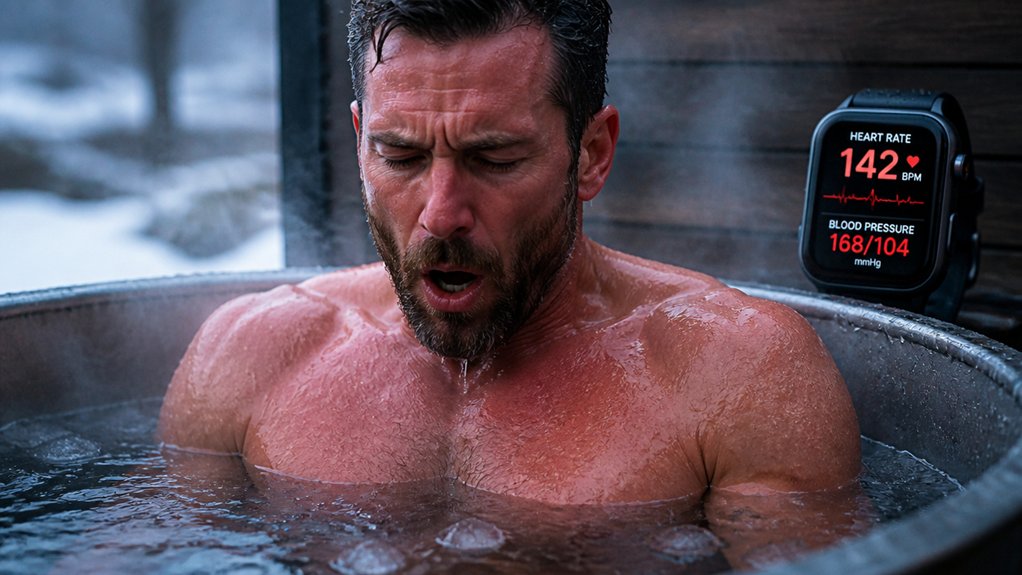
When you plunge into icy water, your body spikes a rapid hypertension surge as vasoconstriction forces blood toward your core. Simultaneously, your heart rate accelerates to pump the extra volume, stressing the cardiovascular system. If you have hypertension or heart disease, these reflexes can push you into dangerous territory, so you should consult a doctor before trying a cold plunge. XMP/EXPO
Cold‑Induced Hypertension Spike
What happens to your heart the moment you plunge into icy water? Cold-water immersion triggers a sympathetic surge that forces vasoconstriction, raising peripheral resistance and spiking blood pressure. Your heart rate jumps to compensate, boosting cardiac workload. If you have heart disease or hypertension, this acute load can strain the myocardium, increasing the risk of arrhythmias, myocardial injury, or stroke. Beta‑blockers may blunt your body’s adaptive response, leaving you vulnerable to dangerous pressure swings.
| Effect | Typical Response |
|---|---|
| Vasoconstriction | ↑ peripheral resistance |
| Systolic pressure | ↑ 20‑30 mm Hg |
| Diastolic pressure | ↑ 10‑15 mm Hg |
| Heart rate | ↑ 30‑50 bpm |
| Cardiac workload | ↑ 40‑60 % |
Stay aware of these spikes; they’re not just a fleeting sensation but a real cardiovascular threat.
Heart Rate Acceleration Mechanism
While you plunge into icy water, the sudden cold shock triggers an immediate surge of sympathetic activity that drives the heart rate up by 30‑50 bpm within seconds, dramatically increasing cardiac workload.
This cold-water immersion spikes the heart rate and blood pressure as the cold shock response forces peripheral vessels to constrict, shunting blood to your core. The rapid acceleration raises cardiac output, stressing the myocardium and raising the risk of arrhythmias, especially if you have pre‑existing cardiovascular conditions.
Within the first ten seconds to a minute, the pressure can climb dangerously high, and medications like beta blockers may blunt adaptive mechanisms, worsening the surge.
Monitor your response, limit exposure, and consult a clinician if you’re prone to heart or blood‑pressure issues.
Vascular Tone and Reflexes
Cold‑water immersion instantly forces your vessels to constrict, spiking vascular resistance and driving blood pressure upward within seconds. The cold shock triggers vasoconstriction, shunting blood from peripheral tissue to core organs and forcing the cardiovascular system to work harder.
Your heart rate surges to compensate for the sudden pressure rise, increasing myocardial oxygen demand while reducing cardiac efficiency. Within minutes, the heightened vascular tone strains the heart, especially if you have hypertension or existing heart disease.
This rapid shift can precipitate arrhythmias, angina, or even a stroke. Monitor your response closely; if you feel dizziness, chest tightness, or excessive pounding, exit the water immediately and seek medical advice.
Additionally, when using mechanical or electrical devices near water, ensure power supplies and cords are compliant with safety standards to minimize risk during immersion. vessel constriction
Why Hyperventilation Can Cause Fainting During Cold Immersion
When you plunge into icy water, your body’s cold‑shock response forces a sudden surge of rapid, uncontrollable breaths, slashing carbon‑dioxide levels and narrowing the vessels that supply your brain. This hyperventilation drops CO₂ in the blood, causing cerebral vessels to constrict and blood flow to the cortex to fall.
Within the first ten seconds to a minute, you may feel light‑headed as oxygen delivery falters, and the brain’s lack of CO₂ can trigger a reflex loss of consciousness—fainting. If you faint underwater, the involuntary gasp reflex can pull water into the lungs, dramatically raising drowning risk.
People with heart problems or who aren’t used to cold‑water immersion are especially vulnerable during this brief, critical window.
Frostbite and Prolonged Cold Exposure: Nerve & Skin Damage
When you stay in icy water too long, your blood vessels constrict and cut off oxygen to the nerves, leading to ischemia and rapid loss of sensation.
The skin then follows a predictable frostbite timeline: it turns pale and hard, then blisters and eventually necrotizes if you don’t warm it.
Prompt drying and gentle re‑warming are your best defenses against permanent nerve and skin damage.
Exposure to cold can also impair circulation and nerve function beyond the skin, increasing the risk of tissue injury in exposed areas such as fingers and toes blood vessel constriction.
Nerve Vasoconstriction and Ischemia
If you stay in water below 40 °F (4 °C) for more than a few minutes, vasoconstriction quickly limits blood flow to your skin and extremities, creating ischemia that can precipitate frostbite. The narrowed vessels starve nerves of oxygen, so you may feel numbness, tingling, and loss of coordination. Prolonged cold‑water immersion can turn this temporary numbness into permanent nerve damage if ischemia persists. Rapid rewarming and limiting exposure to under five minutes are essential to preserve nerve function and prevent frostbite‑related tissue loss.
| Symptom | Typical Onset | Prevention |
|---|---|---|
| Numbness | < 2 min | Warm up quickly |
| Tingling | 2‑5 min | Limit immersion time |
| Motor loss | > 5 min | Use insulated gear |
| Permanent nerve damage | > 10 min | Immediate rewarming |
Skin Frostbite Progression Stages
Cold‑water immersion that triggers vasoconstriction also sets the stage for frostbite, where the skin’s surface freezes and damage spreads inward.
You’ll first notice a red, tingling skin as frostnip forms, then a pale, hard patch that feels waxy. As ice crystals damage deeper layers, blistering appears and numbness spreads, signaling more severe injury.
Follow these stages to gauge severity:
- Frostnip – redness, tingling, no lasting damage.
- Superficial frostbite – clear blisters, numbness, skin hardens.
- Deep frostbite – painful blisters, tissue darkening, nerve loss.
- Advanced frostbite – gangrene risk, permanent numbness, possible amputation.
Rewarm slowly; rapid heating can worsen nerve injury and prolong recovery. Linkage concept
Hypothermia Onset in a Cold Plunge: Temperature Thresholds & Timeline
Because water conducts heat about 25 times faster than air, your body can lose core temperature dramatically during a plunge, and hypothermia—defined as a core temperature below 95 °F (35 °C)—can set in within minutes.
When the water temperature sits between 50‑59 °F (10‑15 °C), the loss of heat accelerates; most people feel the first shivers within 2‑3 minutes, and core body temperature begins to dip noticeably after about 5‑7 minutes of immersion.
If you stay longer—10‑30 minutes—hypothermia risk spikes, especially if you’re lean, fatigued, or lack insulating clothing.
The exact timeline varies, but the rule of thumb is: the colder the water, the faster your core temperature drops, so you’ll need to exit and warm up before the threshold is crossed.
Muscle Cramps & Loss of Motor Control in Cold Water
When you plunge into chilly water, blood rushes from your limbs to your core, so your hands and feet go numb and muscle strength drops almost instantly. The sudden shift in blood flow reduces nerve conduction, and within seconds you may feel a loss of motor control that makes gripping or kicking difficult.
Cold water also triggers vasoconstriction, limiting circulation and creating electrolyte imbalances that spark painful muscle cramps. Even a brief dip below 60 °F can erode fine motor skills, raising drowning risk.
- Blood flow redirects to the core, starving extremities.
- Muscle strength plummets, weakening grip and kick.
- Loss of motor control appears within seconds.
- Muscle cramps arise from poor circulation and electrolyte shifts.
Impaired Cognitive Function & Panic During a Cold Plunge
The sharp drop in blood flow that numbs your extremities also hijacks your brain’s ability to think clearly. The cold shock response fires within seconds, flooding you with rapid, shallow breaths that turn into hyperventilation. Panic spikes, and impaired cognitive function clouds judgment, making it hard to stay calm or coordinate a rescue. You may feel dizziness, confusion, and a loss of motor control as blood rushes to your core, further compromising your ability to stay afloat. In a cold-water immersion scenario, the environmental stressor adds another layer of physiological challenge that can prolong recovery if exposure continues. physiological response
Cold Plunge Risks for Heart Disease, Hypertension & Diabetes
If you have heart disease, hypertension, or diabetes, a cold plunge can quickly push your cardiovascular system beyond safe limits. The shock of icy water spikes heart rate and blood pressure, straining a vulnerable heart and raising the chance of a heart attack or stroke.
For diabetics, poor circulation and neuropathy make skin more prone to frostbite and impair cold adaptation. Before you jump in, get a medical check‑up to gauge personal risk.
Rapid heart rate surge – the cold plunge triggers a sudden cardiac workload.
Blood pressure spike – vasoconstriction can push numbers into dangerous territory.
Arrhythmia risk – irregular beats may appear, especially with existing heart disease.
Diabetes complications – impaired circulation increases frostbite and tissue damage.
Proceed only with professional guidance. Cardiovascular safety considerations should be discussed with a clinician before attempting cold-water immersion.
Beta‑Blockers & Cold Adaptation: Medication Interactions With Cold Plunge
Because beta‑blockers blunt the heart’s natural response to cold, you’ll find that your body can’t ramp up heart rate or blood pressure quickly enough when you plunge into icy water. The medication limits the sympathetic surge that normally boosts cardiac output, so during cold-water immersion you may feel dizzy or faint as blood pools in peripheral vessels.
With a muted heart‑rate response, heat redistribution slows, raising the risk of hypothermia even in short dips. Blood‑pressure drops can be more pronounced, compromising perfusion and making you more susceptible to cardiac strain.
Before you try a cold plunge while on beta‑blockers, consult a clinician; they can assess whether your cardiovascular system can safely handle the added stress.
Cold Plunge Effects on Blood Flow & Peripheral Circulation
When you dip into icy water, vasoconstriction instantly redirects blood from your skin and limbs to the core, preserving heat but also limiting peripheral circulation. The sudden drop in blood flow to the extremities can cause numbness, muscle weakness, and reduced motor control.
At the same time, central blood volume rises, forcing your cardiovascular system to work harder and raising heart workload.
- Vasoconstriction narrows vessels, cutting peripheral circulation.
- Cold‑water immersion shunts blood inward, decreasing limb perfusion.
- Elevated central volume taxes the cardiovascular system.
- Prolonged exposure risks frostbite, especially in those with existing circulation issues.
If you have diabetes or poor circulation, the reduced peripheral blood flow may exacerbate existing problems.
Stay mindful of exposure time to protect both your limbs and heart.
How Cold Immersion Affects Inflammation & Recovery
The sudden drop in peripheral blood flow from vasoconstriction also curtails the inflammatory response that follows intense exercise. When you step into cold-water immersion, the vessels shrink, cutting off excess blood and lowering inflammation. This anti‑inflammatory surge eases muscle soreness and speeds up muscle recovery, but it also dampens the signaling pathways that drive muscle growth. If you linger beyond 5 minutes or plunge within four hours of strength work, cold therapy may blunt adaptation and limit long‑term gains. Aim for 1‑5 minutes at 50‑59 °F (10‑15 °C) to balance reduced muscle damage with safe, effective recovery.
| Benefit | Mechanism | Recommended Dose |
|---|---|---|
| ↓ Inflammation | Vasoconstriction limits cytokine flow | 1‑5 min |
| ↓ Muscle Soreness | Reduced swelling and edema | 50‑59 °F |
| Faster Recovery | Less damage, quicker repair | 1‑5 min |
| Potential Growth Blunting | Suppressed anabolic signaling | Avoid <4 h post‑strength |
| Safety | Prevent cold‑induced injury | Keep sessions ≤5 min |
Frequently Asked Questions
What Are the Physiological Effects of Cold Plunges?
You’ll experience rapid breathing, heart‑rate spikes, blood‑pressure rises, peripheral vasoconstriction, numbness, reduced limb strength, and a fast heat loss that can trigger hypothermia and strain cardiovascular function.
What Are the Risks of Cold Water Immersion?
You risk gasping, hyperventilating, drowning, sudden heart‑rate spikes, blood‑pressure spikes, possible heart failure or stroke, rapid muscle weakness, impaired coordination, hypothermia, frostbite, numbness, and loss of control.
What Are the Physiological Responses to Immersion in Cold Water?
You’ll hyper‑ventilate, your heart rate and blood pressure spike, peripheral vessels constrict, and you feel numbness and loss of coordination. Your core temperature drops fast, impairing cognition and increasing drowning and hypothermia risk.
What Are the Physiological Effects of Cold Water Swimming?
You’ll feel a sudden gasp, rapid breathing, and a racing heart as blood rushes to your core, weakening limbs, impairing coordination, and raising the risk of drowning, hypothermia, heart failure, or stroke.
In Summary
In short, cold‑water immersion can boost recovery, but it isn’t risk‑free. If you have heart disease, hypertension, diabetes, or take beta‑blockers, the sudden shock, rapid breathing, and blood‑pressure spikes can be dangerous. Always start with brief, lukewarm dips, monitor how you feel, and consult a clinician before diving in. Stay aware, listen to your body, and you’ll reap the benefits without compromising safety.