If you’re sensitive to extreme temperatures, start slow with cold exposure by limiting time to 5-7 minutes and gradually increasing it. Dress appropriately in layers and stay hydrated, avoiding alcohol and caffeine. Always check water temperatures and avoid below 50°F or if you have health issues like circulation problems or heart conditions. Be alert for signs of discomfort or numbness and exit immediately. For deeper insights and personalized safety tips, keep exploring how to protect yourself effectively.
What Are the Risks of Cold Exposure and Ice Baths?
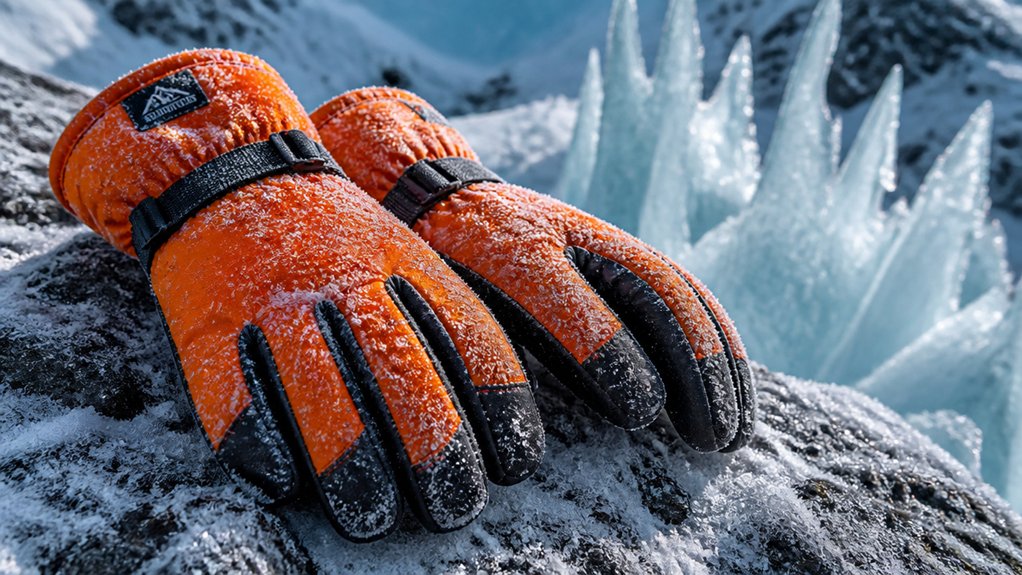
Have you ever wondered what risks cold exposure and ice baths can pose to your health? When you experience cold exposure, your core body temperature drops, which can lead to hypothermia if not managed. Ice baths, often used for muscle recovery, can cause dangerous dips in temperature if taken excessively or without proper supervision. Prolonged cold can strain your cardiovascular system, increasing the risk of circulation problems and triggering shivering or numbness. Seam construction, such as double-stitched and taped seams, helps prevent leaks and maintain insulation during cold immersion. If your core temperature drops too much, you might experience impaired sensation or even lose consciousness. People with circulation issues, heart conditions, or impaired sensation are especially vulnerable. If symptoms like intense shivering, confusion, or skin discoloration appear, immediate warming and medical attention are crucial to prevent serious injury.
How to Safely Prepare for an Ice Bath
Before filling your tub, set the water temperature between 50-59°F (10-15°C) to avoid cold shock or hypothermia.
Limit your soak to 10-15 minutes and start with shorter or cooler exposure to build tolerance gradually.
Always pay attention to your body’s signals and exit immediately if you feel numbness, dizziness, or uncontrollable shivering.
To ensure safe and effective sanitation, choose bromine tablets that are low-odor, compatible with ice bath systems, and provide steady disinfection without disrupting water temperature.
Proper Temperature Control
To safely prepare for an ice bath, you need to control the water temperature carefully. During extreme heat events, it’s essential to stay cool and prevent heat-related illnesses by managing your body temperature.
If you’re trying to cool down, take cool showers or visit a cooling center instead of plunging into very cold water suddenly. Make sure the water temperature stays between 50°F and 59°F (10°C to 15°C), which helps prevent hypothermia and cold-related injuries.
Always enter the ice bath slowly to give your body time to adjust. Limit immersion to 10–15 minutes, especially if you’re new to cold therapy.
Keep warm clothing and dry towels nearby to restore body temperature quickly after exiting, reducing risks linked to sudden temperature changes. Additionally, choosing a suitable cold plunge tub capacity and insulation helps maintain consistent temperatures and enhances safety during your recovery sessions.
Safe Immersion Techniques
Preparing for an ice bath with safe immersion techniques is essential to minimize risks and maximize benefits. Start with a brief 1-2 minute immersion in water around 50-59°F (10-15°C) to help your body acclimate gradually. Enter the water slowly, keeping your head above to prevent cold shock or hyperventilation. Limit your total time to 10-15 minutes to reduce risks like hypothermia and heat-related illnesses. Stay well-hydrated, avoiding alcohol or caffeine beforehand. Always have someone nearby monitoring your safety to watch for numbness, dizziness, or uncontrollable shivering. Incorporating proper water treatment solutions ensures clean, safe water, further reducing health risks associated with cold plunges.
What Precautions Should I Take Before Cold Exposure?
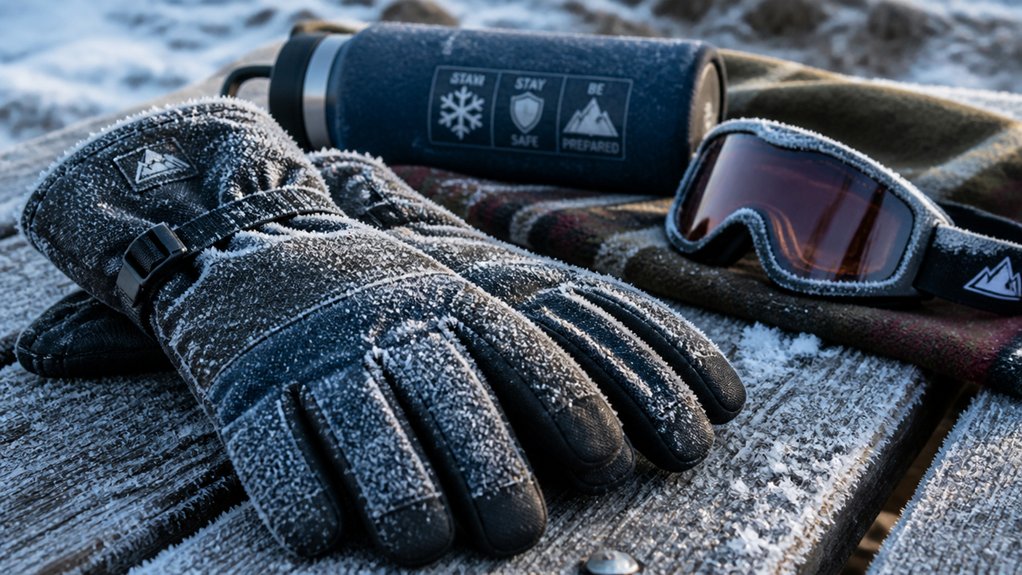
Ever wonder how to stay safe when facing cold exposure? Start by dress in layers—wear moisture-wicking base layers, insulating middle layers, and waterproof outer layers to trap heat and block wind.
Dress in layers—moisture-wicking, insulating, and waterproof to stay warm in cold weather.
Check weather forecasts and cold alerts to plan your activities and avoid prolonged exposure during harsh conditions.
Prepare an emergency kit with extra warm clothing, blankets, hand warmers, and high-energy snacks, so you’re ready if you get stranded or face power outages. Make sure your heating systems work properly and have backup heating options for your home.
Avoid alcohol, nicotine, and caffeine before venturing out, as these can increase heat loss and impair your body’s ability to stay warm.
Additionally, understanding the importance of skin barrier protection can help you better prepare for extreme temperatures by ensuring your skin remains resilient against cold-related damage.
Taking these precautions can help keep you safe during cold weather.
How Long and How Cold Is Safe for Ice Baths?
To stay safe, keep your ice bath between 50-59°F and limit your time to 10-15 minutes. Going colder or staying in longer increases the risk of hypothermia and frostbite. Always listen to your body and consult a healthcare provider if you’re unsure about your tolerance. Use high-powered chillers with advanced cooling features for better temperature control and safety.
Ideal Temperature Range
Maintaining the right temperature and duration is essential for safe ice baths. The ideal water temperature usually falls between 50°F and 59°F (10°C to 15°C), and you should stay in for no longer than 10 to 15 minutes to avoid cold-related injuries.
Going below 50°F or exceeding 20 minutes can increase risks like hypothermia or frostbite, especially if you’re sensitive to extreme temperatures. If you have chronic medical conditions, cardiovascular issues, or concerns about heat stroke or illness, consult your doctor before trying cold therapy.
When using ice baths, wear lightweight clothing, rest often, and stay in an air-conditioned place if you start feeling too cold. Monitoring your body responses—like numbness, shivering, or discomfort—is vital to prevent cold stress. Ensuring proper emissivity adjustment on your thermometer can help you accurately measure water temperature and stay within safe limits.
Recommended Ice Bath Duration
The duration of your ice bath plays a significant role in ensuring safe and effective recovery. To avoid hypothermia and cold-related injuries, keep the temperature between 50°F to 59°F (10°C to 15°C) and stick to the recommended duration of 10 to 15 minutes.
As a beginner, start with shorter sessions around 5 to 7 minutes, then gradually increase as your tolerance improves. Always monitor body signals closely and exit immediately if you experience symptoms like numbness, discomfort, or excessive shivering.
To stay safe:
- Keep the temperature within the safe ice bath temperature range
- Limit immersion to no more than 15 minutes
- Gradually increase duration over time
- Watch for numbness and discomfort
- Avoid exceeding 20 minutes to prevent frostbite
- Select a tub with adequate insulation efficiency to maintain consistent water temperature during your session
When Should You Avoid Cold Plunges or Ice Baths?
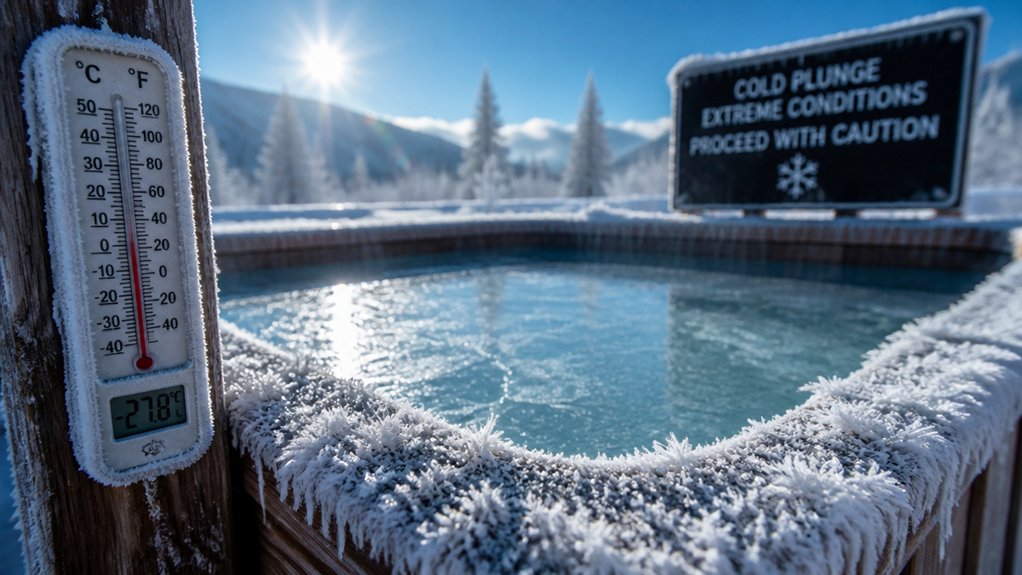
Wondering when it’s best to steer clear of cold plunges or ice baths? You should avoid cold plunges if you have cardiovascular conditions, as sudden cold exposure can cause unpredictable heart rate and blood pressure jumps. Those with circulatory disorders, including Raynaud’s disease, risk severe vasoconstriction and pain with extreme cold. Don’t use ice baths right after heat stroke or intense heat, as shifting temperatures stress your body. If you feel dizzy, weak, or show symptoms of hypothermia, avoid cold exposure—it can worsen your condition. Pregnant women and people with diabetes should consult a healthcare professional before attempting ice baths.
| Conditions to Avoid | Why |
|---|---|
| Cardiovascular issues | Heart risks |
| Raynaud’s disease | Vasoconstriction |
| Post-heat stroke | Body stress |
| Weak/dizzy | Hypothermia risk |
How to Gradually Build Tolerance to Cold Exposure
Building tolerance to cold exposure takes time and careful practice to avoid shock or injury. You should gradually increase the duration and intensity of cold exposure over days or weeks, allowing your body to adapt safely.
Start with brief cool showers or baths, then progress to outdoor walks in cooler weather. Focus on controlled relaxation and breathe techniques during each session to reduce stress and improve circulation.
As your body adapts, you’ll notice enhanced metabolic responses, helping to maintain your core body temperature. Always monitor for signs of hypothermia or frostbite, and stop exposure if you experience adverse symptoms.
Consistent practice can help your body become more resilient to cold, but safety always comes first to prevent injury or health risks.
When to Consult a Healthcare Provider for Cold Therapy
Knowing when to see a healthcare provider before starting cold therapy is essential for your safety.
You should consult a healthcare provider if you have circulatory problems, such as Raynaud’s disease, or if you have diabetes, to prevent worsening symptoms or delayed healing. Seek medical advice if cold therapy causes intense pain, numbness, or skin discoloration, as these may signal frostbite or nerve damage.
Consult a healthcare provider if you have circulatory issues or diabetes before using cold therapy.
Avoid cold therapy altogether if you have an open wound or a skin infection, since it can worsen infections or delay healing.
If you experience persistent or severe pain, swelling, or other adverse reactions, consulting a healthcare professional is vital to determine appropriate use and duration. Always prioritize medical guidance to prevent complications and protect your health.
Frequently Asked Questions
How to Deal With Extreme Heat Sensitivity?
To handle extreme heat sensitivity, stay in cool, air-conditioned spaces, hydrate regularly, wear lightweight clothing, avoid peak heat hours, and recognize early warning signs. Taking these steps helps prevent heat-related illnesses and keeps you safer.
What Are the Safety Tips for Extreme Temperatures?
You should stay hydrated, wear lightweight clothing, use sunscreen, avoid outdoor activities during hottest hours, seek shaded or air-conditioned areas, never leave kids or pets in cars, and watch for signs of heat illness.
Why Am I so Sensitive to High Temperatures?
You’re sensitive to high temperatures because your body may struggle to cool down effectively, possibly due to age, health conditions, medications, lack of acclimatization, or lifestyle factors like inactivity or obesity, making heat harm more likely.
What Is the 20 Rule for Acclimatization in Hot Conditions?
The 20 Rule for acclimatization involves gradually increasing heat exposure by 20% daily over 5 to 7 days. You should start with 20% of full heat exposure, then progressively increase workload, improving heat tolerance and reducing illness risk.