Avoid immersing yourself in cold water immediately after intense exercise because it can blunt muscle growth and slow recovery by reducing inflammation and hindering muscle protein synthesis. While cold immersion helps reduce soreness, doing it right after a tough workout may limit your strength gains and muscle development over time. If you want to optimize recovery and progress safely, there are smarter ways to use cold therapy—learn more about how to do it right.
How Cold Water Immersion Impacts Muscle Recovery and Growth
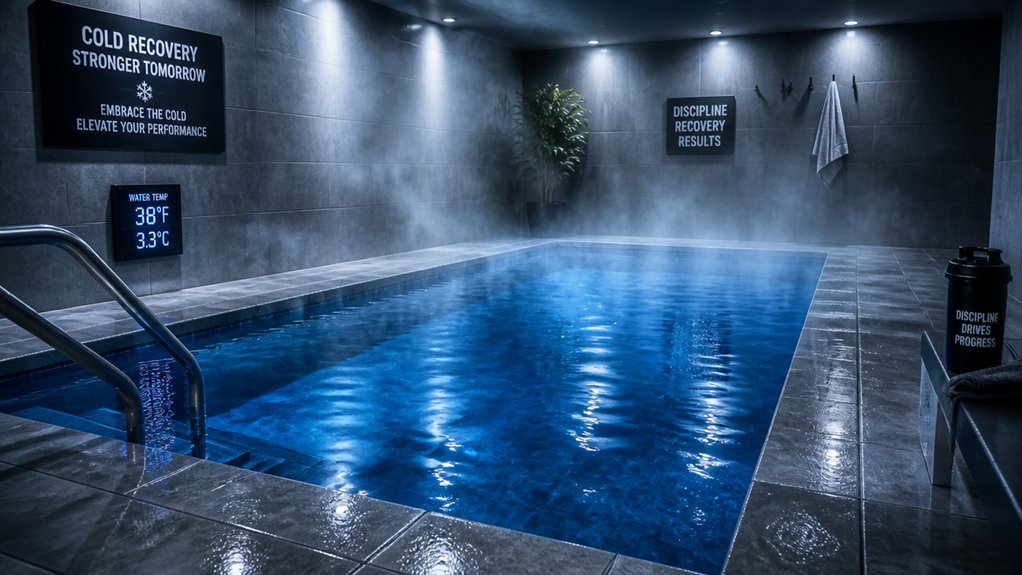
While cold water immersion can provide quick relief from soreness and inflammation, it may come at the expense of muscle growth. By slowing inflammation, cold water immersion assists in muscle recovery immediately after intense exercise.
However, this process also blunts muscle protein synthesis, which is essential for muscle growth and strength gains over time. Frequent cold plunges can hinder your muscle repair and adaptation by limiting the anabolic signaling necessary for hypertrophy.
Although it reduces muscle soreness and accelerates recovery, excessive use can slow down metabolism and tissue rebuilding, impacting long-term muscle development. Scientific studies suggest that timing cold water immersion 24 to 48 hours after workouts benefits growth-focused athletes more than immediate post-exercise use, to avoid impairing these critical processes. Additionally, considering the therapeutic water temperature range is important for maximizing benefits without hindering muscle growth.
What Are the Safe Duration and Temperatures for Cold Water Baths?
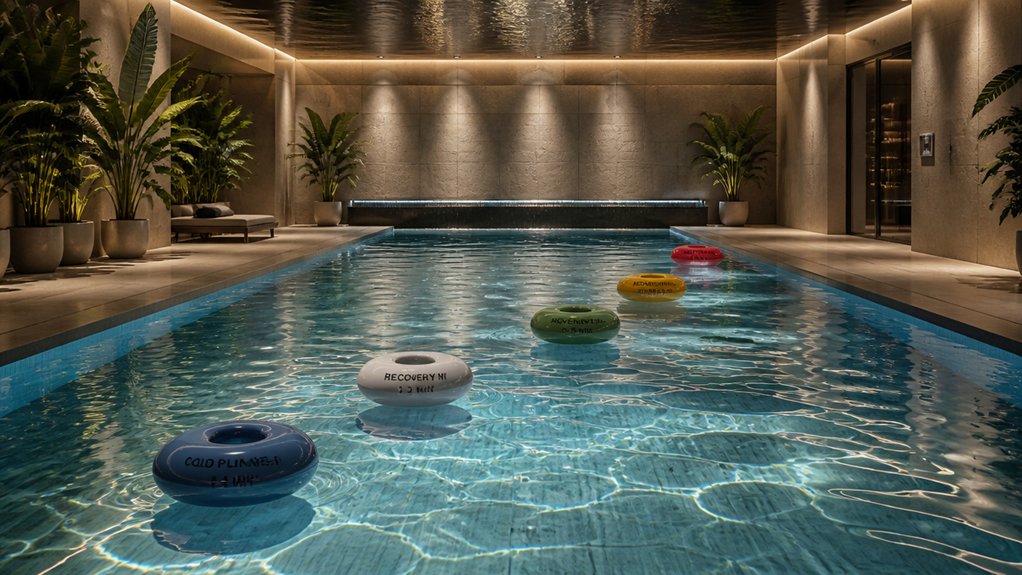
What’re the safest temperatures and durations for cold water baths? For a cold plunge, keep the water between 50°F and 59°F (10°C to 15°C) to balance benefits and risks. The ideal recovery time for immersion is 10 to 20 minutes, but beginners should start at 3 to 5 minutes to build tolerance safely. Prolonged immersion beyond 20 minutes increases risks like hypothermia and nerve damage. The first minute of cold water immersion offers most benefits, such as reducing muscle damage, inflammation, and swelling. Longer durations provide diminishing returns and may cause harm. Always perform cold plunge sessions under controlled conditions, with safe rewarming options, and preferably with someone present to guarantee safety during recovery. Incorporating temperature control features in tubs can help maintain safe conditions consistently.
Who Should Avoid Cold Water Baths and Why?
Certain individuals need to steer clear of cold water baths altogether because of health risks associated with their conditions. If you have cardiovascular disease, cold immersion can cause spikes in blood pressure and heart rate, increasing your health risks.
People with diabetes or neuropathies should avoid cold baths, as cold water can damage nerves and impair circulation. Those focused on muscle growth might want to skip cold water immersion after strength training since it can blunt long-term muscle and strength gains.
If you’re prone to hypothermia or have low cold tolerance, cold baths could dangerously lower your body temperature. Beginners or anyone unfamiliar with cold plunging should avoid prolonged or intense cold immersion to prevent pain or adverse physiological responses. Additionally, cold therapy sleeves can help provide targeted relief without the risks associated with full-body immersion.
How to Tell If You’re Overdoing Cold Water Immersion
You might be overdoing cold water immersion if you experience lingering muscle soreness or stiffness beyond three days, or if your performance starts to decline.
Numbness, prolonged pain, or tingling in your extremities are signs that you’re overexposing yourself, and persistent fatigue or delayed recovery point to excessive cold.
Keep track of how you feel and consider using psychological scales to monitor your stress and fatigue levels. Additionally, overuse of cold immersion can potentially interfere with recovery stages, which should be balanced for optimal results.
Signs of Excess Cold Exposure
How can you tell if you’re overdoing cold water immersion? If you notice persistent numbness, tingling, or pain during or after immersion, it signals excessive cold exposure that can damage nerves or impair muscle recovery.
Shivering uncontrollably beyond the initial cold shock indicates your nervous system is overwhelmed and struggling to maintain core temperature. Additionally, skin turning pale, blotchy, or blue (cyanosis) suggests blood flow is impaired due to extreme vasoconstriction, increasing your risk of injury.
Prolonged immersion over 10-20 minutes in very cold water can lead to hypothermia and cold-related injuries. Feeling dizzy, confused, or experiencing a rapid heartbeat during or post-immersion confirms you’re overdoing it and should stop immediately to prevent serious health issues. Regular calibration and the use of waterproof thermometers ensure accurate readings to monitor water temperature can help prevent overexposure.
Symptoms of Overcooling
Recognizing overcooling during cold water immersion involves paying close attention to specific physical signs. If you experience persistent muscle stiffness, reduced muscle elasticity, or impaired joint mobility, you might be overdoing it. These symptoms can increase your injury risk and signal that your body is too cold.
Additionally, watch out for:
- Numbness, tingling, or pain due to nerve constriction
- Excessive fatigue or prolonged soreness beyond 72 hours
- Signs like confusion or slowed heart rate, indicating potential hypothermia
Overcooling can blunt muscle protein synthesis and hinder recovery. If you notice these symptoms, it’s a clear sign to cut back or stop cold water immersion to prevent further adverse effects. Incorporating muscle recovery creams after cold plunges may help support healing without overexposure to cold.
Monitoring Recovery Progress
Monitoring recovery progress after cold water immersion is essential to avoid overdoing it and hindering your gains. If you notice persistent muscle soreness beyond 72 hours, it could indicate inadequate recovery or too much cold therapy, potentially impairing muscle recovery. Incorporating sensor accuracy considerations can help ensure your heart rate and physiological data remain reliable during cold exposure. Tracking physiological markers like creatine kinase levels can reveal exercise-induced muscle damage and help you gauge if cold immersion is interfering with muscle recovery. Heart rate variability and psychological tools like the Rating-of-Fatigue Scale can also alert you to excessive fatigue caused by overuse of cold showers. Additionally, increased muscle stiffness or reduced power output after immersion suggest cold therapy might be counterproductive. Regularly evaluating these signs will help you adjust the frequency or duration of your cold immersion, ensuring it supports recovery rather than hampers it.
Risks of Cold Plunges for People With Chronic Conditions
People with chronic health conditions face significant risks when attempting cold plunges, as the sudden exposure to cold water can trigger dangerous changes in their bodies. The sharp vasoconstriction and blood pressure spikes during cold immersion can dangerously strain your cardiovascular system if you have heart disease.
Additionally, cold exposure can worsen nerve damage for those with neuropathies or diabetes, impairing circulation and increasing injury risk.
Key risks include:
- Exacerbation of cardiovascular issues due to blood pressure surges
- Further nerve damage in individuals with nerve sensitivities
- Impaired blood flow, leading to potential tissue injury
Due to these dangers, medical clearance and caution should always precede cold plunges if you have any chronic conditions. Proper insulation and temperature control are essential to minimize adverse effects during recovery.
Proper Ways to Transition From Cold to Warm Water After a Cold Plunge
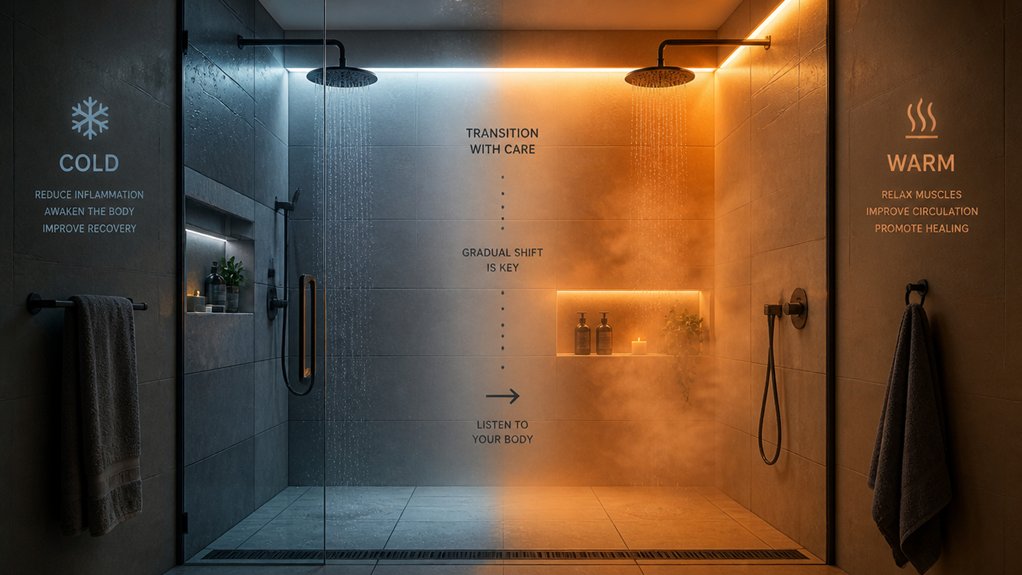
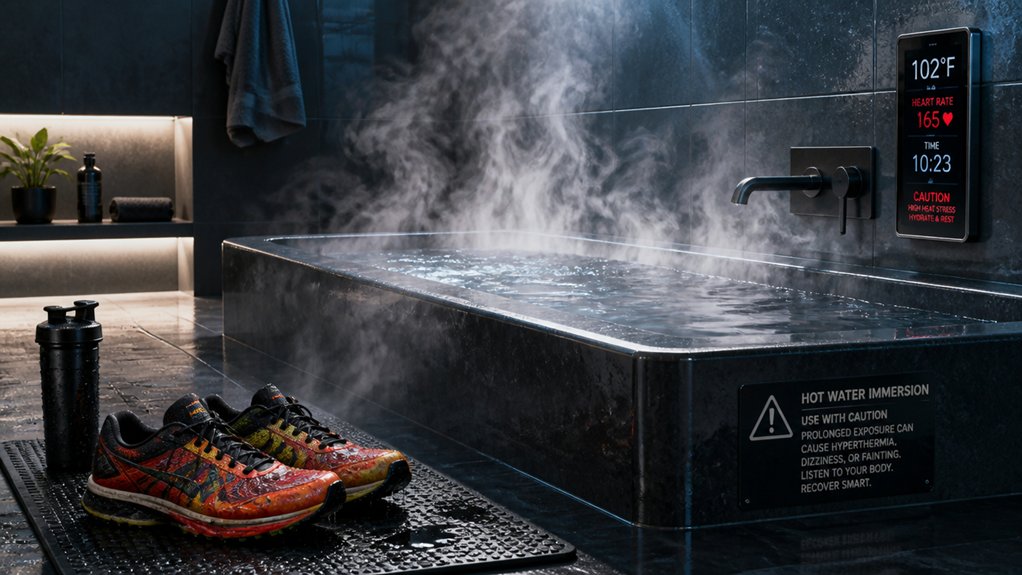
To recover safely from a cold plunge, you should shift slowly from cold to warm water, spending about 10 to 20 minutes in a slightly warmer range. This gradual change helps boost blood flow and prevents shock or stiffness in your muscles.
Keep an eye on your body’s response and avoid abrupt temperature shifts for best recovery.
Gradual Temperature Adjustment
After completing a cold plunge, it’s essential to shift your body gradually to warmer water to prevent shock and protect your circulation.
Proper temperature adjustment allows blood vessels to dilate safely, supporting blood flow and muscle recovery. To do this effectively:
- Start with lukewarm water, gently increasing the temperature over 5-10 minutes.
- Avoid jumping directly into hot water immediately after cold immersion to prevent sudden temperature shocks.
- Focus on slow, consistent movements to help your muscles relax and prevent nerve sensitivity.
A gradual temperature adjustment helps your body adapt seamlessly, supporting your natural thermoregulatory processes.
This approach minimizes risks like hypothermia or overstressing your cardiovascular system, ensuring a safer, more effective recovery process post-exercise.
Optimize Blood Flow
Shifting from cold to warm water enhances blood flow by encouraging vasodilation, which helps deliver essential nutrients and flush out metabolic waste from muscles. Properly adapting post-exercise promotes muscle recovery and can improve performance over time.
Gradually warming your body after a cold plunge relaxes muscles and restores their elasticity, reducing stiffness and lowering injury risk. Alternating between cold and warm water stimulates blood vessel constriction and dilation, boosting circulation and optimizing recovery.
Keeping the change within 10 to 20 minutes guarantees effective blood flow without overstressing your system. This approach supports the return of normal muscle temperature, which is vital for restoring muscle power and maintaining ongoing recovery.
Proper temperature adjustments after cold immersion maximize blood flow and enhance your post-exercise recovery process.
Monitor Body Response
How can you guarantee a safe and effective shift from cold to warm water after a cold plunge? Monitoring your body response is key.
First, pay attention to signs of discomfort or shivering, which indicate you should slow down. Next, gradually increase water temperature in small steps to avoid shocking your cardiovascular system. Finally, focus on deep, controlled breathing, which helps regulate your nervous system and supports muscle recovery.
To optimize outcomes, follow these steps:
- Progress slowly from 50-59°F water to warmer temperatures to promote blood flow and reduce muscle fatigue.
- Limit cold immersion to 10-20 minutes, then 5-10 minutes of warm water to prevent hypothermia.
- Hydrate and move gently during rewarming to facilitate recovery and muscle relaxation.
Alternative Recovery Techniques for Safe Muscle Repair
When it comes to supporting muscle recovery without hindering adaptation, there are several effective techniques to take into account. Active recovery methods like cooldown exercises, foam rolling, and stretching boost blood flow, helping to reduce muscle stiffness and promote muscle repair.
Hydrating properly with fluids containing electrolytes like sodium and potassium optimizes fluid retention and neuromuscular function during recovery. Adequate protein intake, around 20-40 grams per serving multiple times daily, supports muscle protein synthesis necessary for repair and growth.
Additionally, getting enough sleep enhances growth hormone release, glycogen replenishment, and immune function, all crucial for muscle recovery. Warm water immersion or massage can safely increase circulation and relax muscles without interfering with exercise performance, encouraging safe and effective muscle repair.
Tips for Transitioning Safely From Cold Immersion to Other Recovery Methods
After completing cold immersion, it’s important to warm up gradually to prevent muscle stiffness and promote safe recovery. This helps restore normal circulation and muscle elasticity, which can be compromised by the cold.
To improve muscle recovery and avoid injury, follow these steps:
- Use warm clothing or take a warm bath to gently reheat your body.
- Practice deep breathing exercises during and after immersion to calm your nervous system and reduce cardiovascular stress.
- Hydrate well to support metabolic recovery and counter reduced circulation effects.
Once warmed, shift to light activities like stretching or foam rolling. Avoid jumping into intense exercise immediately, as cold-chilled muscles are more prone to injury and impair muscle power output.
Frequently Asked Questions
Why Shouldn’t You Shower Immediately After a Workout?
You shouldn’t shower immediately after a workout because cold water can cause muscle stiffness, reduce elasticity, and impair recovery. Hot showers, however, relax muscles and boost blood flow, supporting better nutrient delivery and muscle repair.
Is It Bad to Cold Plunge After a Workout?
Cold plunging after a workout isn’t always bad, but it can hinder muscle growth by reducing blood flow and nutrient delivery. If overdone, it might delay recovery and muscle adaptation, so use it cautiously and in moderation.
What Should You Never Do After a Workout?
You should never take an ice bath immediately after intense exercise if your goal is muscle growth. Avoid skipping rewarming, neglecting hydration, or engaging in heavy activity during recovery, as these can hinder your progress and increase injury risk.
What Is the Best Thing to Do After an Intense Workout?
After an intense workout, you should hydrate, consume protein and carbs within four hours, engage in light stretching or foam rolling, rest well, and prioritize sleep. These steps optimize recovery, muscle growth, and glycogen replenishment effectively.