Immersing in cold water causes vasoconstriction, narrowing blood vessels and limiting blood flow to inflamed tissues. This reduces delivery of inflammatory proteins and slows cell activity, which helps decrease swelling and pain. Cold exposure also activates your nervous system, releasing anti-inflammatory hormones and boosting lymphatic drainage to clear waste. Plus, it stimulates the vagus nerve, calming immune responses. Want to understand how these processes work together? There’s more to discover below.
What Is Cold Water Immersion and How Does It Reduce Inflammation?
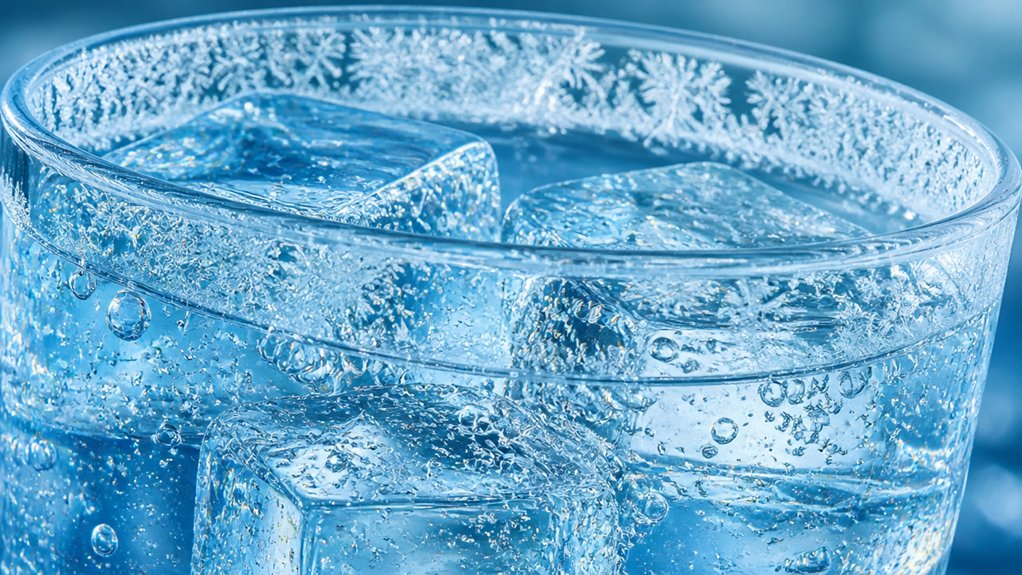
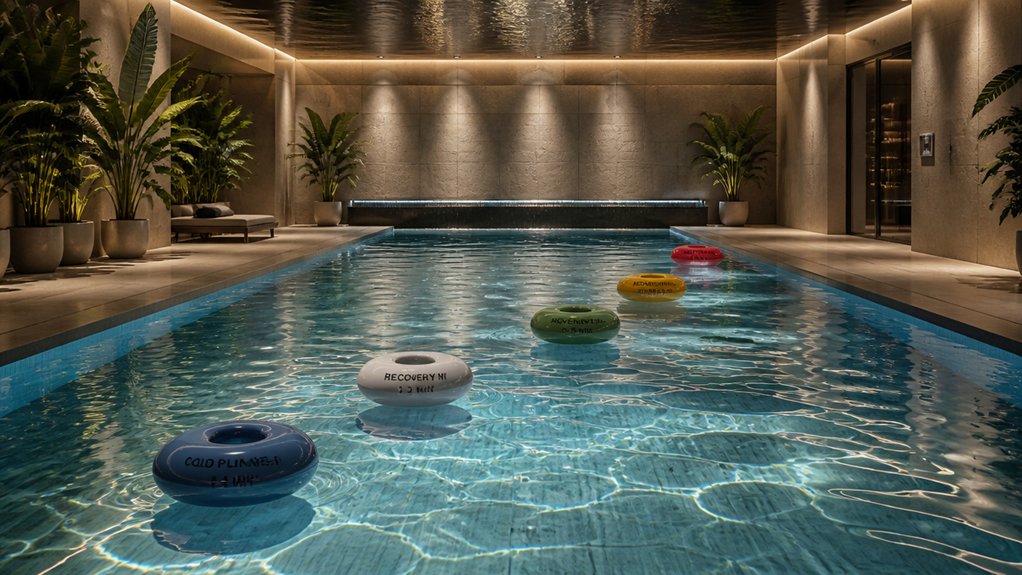
What exactly is cold water immersion, and how does it help reduce inflammation? Cold water immersion involves submerging your body—usually up to the neck—in water at 39°F to 59°F (4°C to 15°C) for 2 to 5 minutes.
This form of cold therapy triggers vasoconstriction, which decreases blood flow to muscles, helping reduce swelling and inflammatory fluid buildup. It also lowers levels of pro-inflammatory cytokines like TNF-α and IL-6, lessening muscle inflammation after exercise.
Additionally, cold water triggers the release of norepinephrine, a hormone with anti-inflammatory effects and pain-relieving properties. Through these mechanisms, cold water immersion effectively supports the body’s ability to minimize inflammation and accelerate recovery.
How Cold Water Causes Blood Vessels to Constrict and Cut Swelling
When you immerse in cold water, your blood vessels constrict, which limits blood flow to injured areas. This vasoconstriction reduces leakage of fluid into tissues, helping to minimize swelling. Additionally, the water circulation maintained by chillers ensures consistent temperature and prevents impurity buildup, contributing to effective inflammation reduction.
As a result, inflammation slows down, speeding up recovery.
Vasoconstriction Process Explanation
Cold water immersion triggers vasoconstriction, causing blood vessels in the affected area to narrow quickly. This process reduces blood flow, limiting fluid leakage and delaying inflammation. As vessels constrict, capillary permeability decreases, stopping inflammatory cells and fluids from moving into tissues. This response also drops local tissue temperature, suppressing metabolic activity and inflammation. By decreasing blood flow, vasoconstriction limits the release of pro-inflammatory cytokines like TNF-α and IL-6 that cause swelling and pain.
| Effect | Result |
|---|---|
| Vessels narrow | Less blood flow |
| Reduced permeability | Fewer inflammatory cells and fluids |
| Lower tissue temperature | Suppresses inflammatory response |
Reduced Fluid Accumulation Effects
Cold water causes blood vessels to constrict rapidly, which directly limits the amount of fluid that leaks into surrounding tissues. This vasoconstriction during cold water immersion reduces swelling and helps in reducing inflammation.
The hydrostatic pressure from water further pushes accumulated fluid back into the bloodstream, decreasing edema. Additionally, lowering the local tissue temperature slows cellular metabolism, decreasing the release of inflammatory mediators.
This process also results in:
- Narrowed blood vessels limiting pro-inflammatory substances’ delivery
- Reduced permeability of blood vessels preventing fluid escape
- Slowed immune response associated with inflammation
- Minimized cellular damage caused by prolonged inflammation.
Furthermore, the use of insulation in cold plunge setups helps maintain the low temperature for effective vasoconstriction over time, enhancing overall anti-inflammatory benefits insulation durability.
How Cold Water Lowers Inflammatory Proteins and Calms the Immune System

When you immerse in cold water, vasoconstriction reduces blood flow to inflamed tissues, limiting the delivery of pro-inflammatory cytokines like TNF-α and IL-6.
This exposure also triggers the release of norepinephrine, which suppresses inflammatory signals, calming your immune response.
Additionally, activating the vagus nerve helps regulate inflammation, promoting a balanced immune system at the molecular level.
A percussion massager with temperature therapy complements cold immersion by delivering targeted deep-tissue strokes, further enhancing recovery and reducing inflammation.
Vasoconstriction Reduces Blood Flow
Vasoconstriction plays an essential role in reducing inflammation during immersion by narrowing blood vessels and decreasing blood flow to affected tissues.
When you immerse in cold water, vasoconstriction limits the supply of inflammatory proteins, slowing tissue irritation. This process also:
- Decreases circulation of pro-inflammatory cytokines like TNF-α and IL-6.
- Minimizes swelling and fluid buildup, calming the immune response.
- Slows immune cell delivery, reducing tissue irritation.
- Enhances lymphatic drainage, helping remove metabolic waste.
Cytokine Production Decreases
Exposure to cold triggers a cascade of physiological responses that help calm the immune system by lowering the production of inflammatory proteins. Cold immersion therapy reduces cytokine production, especially pro-inflammatory cytokines like TNF-α and IL-6, which drive inflammation and soreness. When you submerge in cold water, your body releases norepinephrine, which dampens cytokine signaling. Cold-induced vasoconstriction limits inflammatory cell migration, further reducing inflammation. Additionally, cold activates the vagus nerve, which suppresses excessive cytokine release through the cholinergic pathway, restoring immune balance. This combined effect explains why cold water immersion helps alleviate soreness and systemic inflammation. Magnesium-based creams can also support muscle recovery by aiding in reducing inflammation after cold plunge routines.
Neuroimmune Activation Calms Response
Cold water immersion triggers neuroimmune responses that help calm the body’s inflammatory activity. This process, known as neuroimmune activation, lowers inflammation by modulating immune signals. When you expose yourself to cold water, it: 1. Releases norepinephrine, which reduces pro-inflammatory cytokines like TNF-α and IL-6. 2. Activates the vagus nerve, improving parasympathetic tone and decreasing systemic inflammation. 3. Promotes lymphatic drainage, removing inflammatory mediators and metabolic waste from tissues. 4. Dampens immune cell overactivation, preventing excessive inflammatory responses after tissue stress or injury. Additionally, adaptive responses involving adaptogen synergy can enhance the body’s resilience to inflammation. Through these mechanisms, cold water immersion effectively calms the immune system, reduces muscle inflammation markers post-exercise, and accelerates recovery. This neuroimmune activation is central to how cold exposure lowers inflammation.
How Vasoconstriction Limits Immune Cell Arrival and Protects Tissues

When blood vessels narrow during cold-water immersion, blood flow to inflamed tissues decreases considerably. This process, known as vasoconstriction, limits the arrival of immune cells like neutrophils and macrophages, which are responsible for inflammation.
In cold water, vasoconstriction also reduces vascular permeability, preventing excess fluid leakage and swelling. By lowering blood flow, it decreases the delivery of inflammatory cytokines such as TNF-α and IL-6, reducing local inflammatory signaling.
Additionally, vasoconstriction delays leukocyte extravasation into damaged tissues, shielding them from prolonged immune cell damage during the acute phase. It also aids in the reabsorption of metabolic waste and inflammatory mediators through enhanced lymphatic drainage, promoting faster healing and minimizing tissue damage. Incorporating advanced thermal insulation, as found in modern chillers, helps maintain consistent cold exposure, further supporting these anti-inflammatory effects.
Why Cold Water Boosts Your Body’s Natural Anti-Inflammatory Response
Have you ever wondered why immersing yourself in cold water seems to relieve inflammation so effectively? Cold water boosts your body’s natural anti-inflammatory response through immersion therapy and cold exposure.
Immersing in cold water naturally activates your body’s anti-inflammatory response, aiding faster recovery and tissue healing.
When you submerge, vasoconstriction reduces blood flow, limiting swelling and inflammatory signals. Cold exposure also:
- Lowers pro-inflammatory cytokines like TNF-α and IL-6, directly reducing inflammation.
- Triggers norepinephrine release, which has potent anti-inflammatory effects.
- Activates the vagus nerve, promoting parasympathetic nervous system activity to regulate systemic inflammation.
- Enhances lymphatic drainage, aiding in waste removal from tissues.
- The use of high-powered chillers ensures rapid and precise cooling, optimizing these anti-inflammatory mechanisms efficient cooling.
These mechanisms demonstrate how cold water immersion amplifies your body’s inherent anti-inflammatory effects, helping accelerate recovery and reduce tissue inflammation naturally.
How Cold Water Helps Drain Waste via Your Lymphatic System
Immersing in cold water triggers vasoconstriction, which plays a key role in enhancing your lymphatic system’s ability to drain waste from tissues. This contraction increases hydrostatic pressure, helping move lymph fluid and metabolic waste away from inflamed areas. The cold-induced vessel narrowing also boosts lymphatic drainage efficiency, speeding up the removal of cellular debris and excess fluid. Reduced swelling from cold exposure clears blockages, allowing for better waste clearance from muscles and tissues. During cold immersion, norepinephrine release stimulates lymphatic activity, supporting immune function and inflammation control. This process helps clear pro-inflammatory cytokines like TNF-α and IL-6, reducing overall muscle inflammation. Cold plunge tubs often feature insulation systems that maintain consistent water temperatures, maximizing these beneficial effects.
How Cold Temperatures Slow Cell Activity and Nerve Signals to Reduce Inflammation
Cold temperatures directly slow cell activity and nerve signals, which helps reduce inflammation. When you immerse in cold plunging or other cold exposures, your tissues experience lowered temperatures that decrease metabolic rates and enzymatic activity.
This results in:
- Vasoconstriction, reducing blood flow and limiting pro-inflammatory cell delivery.
- Slowed nerve conduction, dulling pain signals and inflammation-related discomfort.
- Inhibited release of pro-inflammatory neurotransmitters, decreasing swelling.
- Activation of cold-sensitive receptors, modulating autonomic responses and lowering cytokines like TNF-α and IL-6.
These mechanisms highlight the benefits of cold, as immersion effectively dampens inflammation by controlling cellular and nerve activity.
Cold plunging is a simple yet powerful way to leverage these effects, easing pain and swelling through temperature regulation.
The Role of the Vagus Nerve in Cold Water’s Anti-Inflammatory Effects
When you expose your body to cold water, it activates the vagus nerve, a critical part of your brain’s communication system that helps regulate inflammation. This stimulation triggers the cholinergic anti-inflammatory pathway, which lowers pro-inflammatory cytokines like TNF-α and IL-6, reducing systemic inflammation.
As the vagus nerve activates, it boosts parasympathetic activity, dampening the sympathetic overdrive associated with inflammation and helping your body relax. This increased vagal tone supports better lymphatic drainage, aiding in the removal of inflammatory waste products.
These vagus nerve-mediated anti-inflammatory effects promote overall immune modulation, so you experience fewer inflammation symptoms and improved recovery. Cold water immersion, thus, offers notable body benefits by harnessing your vagus nerve’s ability to control inflammation naturally.
Frequently Asked Questions
Does Cold Water Immersion Reduce Inflammation?
Yes, cold water immersion reduces inflammation by constricting blood vessels, lowering pro-inflammatory cytokines, releasing anti-inflammatory norepinephrine, enhancing lymphatic drainage, and activating the vagus nerve, which collectively help decrease swelling and regulate your immune response effectively.
Why Is Heat Not Good for Inflammation?
Heat isn’t good for inflammation because it increases blood flow, promotes the release of inflammatory chemicals, and amplifies cellular activity, which can worsen swelling, tissue damage, and pain rather than helping your body recover efficiently.
What Is the Best Exercise to Reduce Inflammation?
The best exercise to reduce inflammation is moderate aerobic activity like walking, cycling, or swimming, paired with low-impact practices like yoga. Regularly doing these for about 150 minutes weekly helps lower pro-inflammatory markers and boosts your immune health.
Is It True That Cold Water Is Anti-Inflammatory?
Yes, cold water is anti-inflammatory. It constricts blood vessels, lowers inflammatory cytokines, releases anti-inflammatory hormones like norepinephrine, boosts lymphatic drainage, and activates the vagus nerve, all working together to reduce inflammation and promote healing in your body.