
You’ll cut muscle soreness, speed up strength and power recovery, and shrink inflammation after tough workouts. Cold water also eases CNS fatigue, boosts metabolism through brown‑fat activation, and sharpens your immunity so you miss fewer training days. It lifts mood, reduces anxiety, and improves sleep quality, helping you stay resilient under pressure. Keep going to discover how each benefit works and how to apply them effectively.
Do Ice Baths Really Reduce Muscle Soreness (DOMS)?

Can ice baths really ease that post‑workout ache? You’ll find that ice baths trigger vasoconstriction, which temporarily lowers swelling and numbs muscle soreness.
Ice baths cause vasoconstriction, temporarily reducing swelling and numbing muscle soreness.
The cold water immersion can dull the sting of delayed onset muscle soreness for a few hours, giving you quick relief. However, the numbing fades and studies show the benefit rarely lasts beyond 72 hours.
Post‑ice bath warming restores circulation, helping flush metabolic waste and modestly improve recovery. Still, the evidence is mixed—active recovery like low‑intensity cycling often matches the effect.
Overusing ice baths right after training may blunt natural muscle adaptation, potentially limiting long‑term growth despite the short‑term comfort. Use them sparingly to balance relief and adaptation.
Be mindful that long, frequent exposure can increase risk of skin and nerve irritation, so follow recommended durations and monitor how your body responds thermoregulation awareness.
Ice Bath Effect on Strength & Power Recovery
When you step out of a 10‑15‑minute ice bath at 50‑59 °F, the sudden drop in tissue temperature triggers vasoconstriction, numbing soreness and cutting inflammation enough to let you recover strength and power faster within the next 24‑48 hours.
Cold water immersion reduces acute muscle pain and neuromuscular fatigue, so you feel ready for the next lift or sprint. However, overusing ice baths can blunt long‑term hypertrophy, so keep them post‑exercise and limited to 2‑3 sessions per week.
- Timing – Apply within 30 minutes after training for ideal power recovery.
- Duration – Stick to 10‑15 minutes; longer exposure offers no extra benefit.
- Temperature – Keep water at 50‑59 °F to maintain vasoconstriction without freezing tissue.
- Frequency – Use sparingly to avoid dampening delayed onset muscle soreness adaptations while preserving strength gains.
Regular inclusion of ice baths can support rapid recovery when used strategically ice bath timing and temperature management help optimize neuromuscular readiness.
Why Cold Water Shrinks Inflammation & Swelling After a Tough Workout
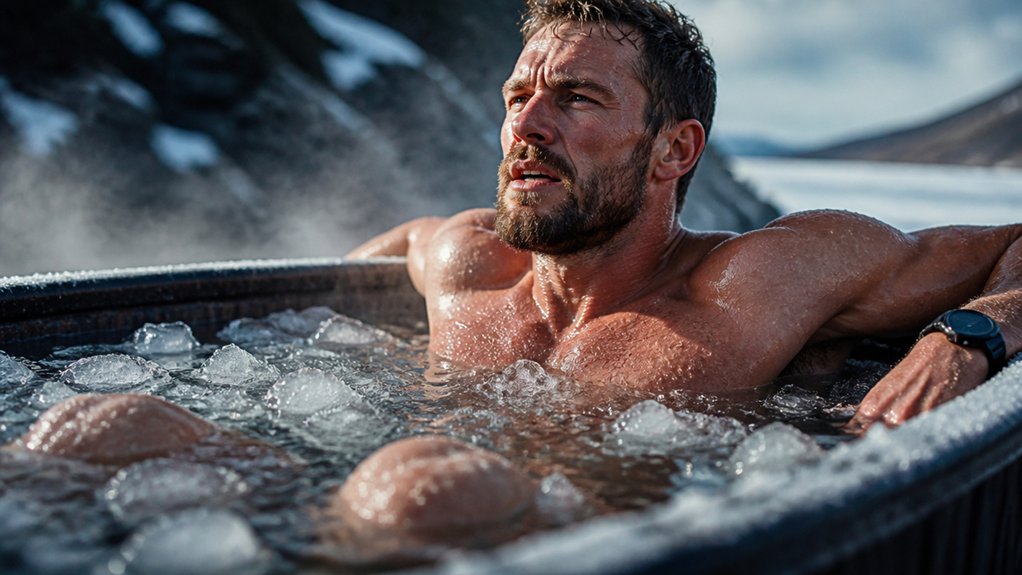
Stepping out of a 10‑15‑minute ice bath not only speeds up strength recovery but also tackles the inflammation and swelling that follow a hard session. Cold water immersion triggers vasoconstriction, narrowing vessels and cutting blood flow to damaged muscles. This drop in tissue temperature slows metabolism, limiting cellular breakdown and the inflammatory cascade. As fluid buildup eases, swelling recedes, and you feel less tightness. When you leave the bath, rewarming sparks vasodilation, flushing out byproducts and delivering nutrients for muscle recovery. The sweet spot—50‑59°F for 10‑20 minutes—balances anti‑inflammatory effects without risking hypothermia, making ice baths a practical tool for athletes. Govee H5075
Ice Baths: Faster CNS Recovery & Less Fatigue
If you step out of an ice bath, you’ll notice a quicker reset of your central nervous system because the cold triggers parasympathetic activation and cuts systemic inflammation.
The cold water immersion numbs nerve endings, lowering perceived fatigue, while vasoconstriction curbs swelling and waste buildup, supporting faster CNS recovery.
Brief exposure also sparks endorphin release, boosting alertness and reducing mental and physical fatigue. Timing your session within 24‑48 hours after intense training maximizes benefits without hindering long‑term adaptation.
- Parasympathetic nervous system activation eases nervous tension.
- Vasoconstriction limits swelling and metabolic waste.
- Endorphin release heightens alertness, cuts fatigue.
- Reduced inflammation accelerates overall recovery.
Blue light filtering supports improved visual comfort during long workouts and screen use, aligning with overall recovery strategies.
Ice Baths for Metabolism Boost & Brown‑Fat Activation
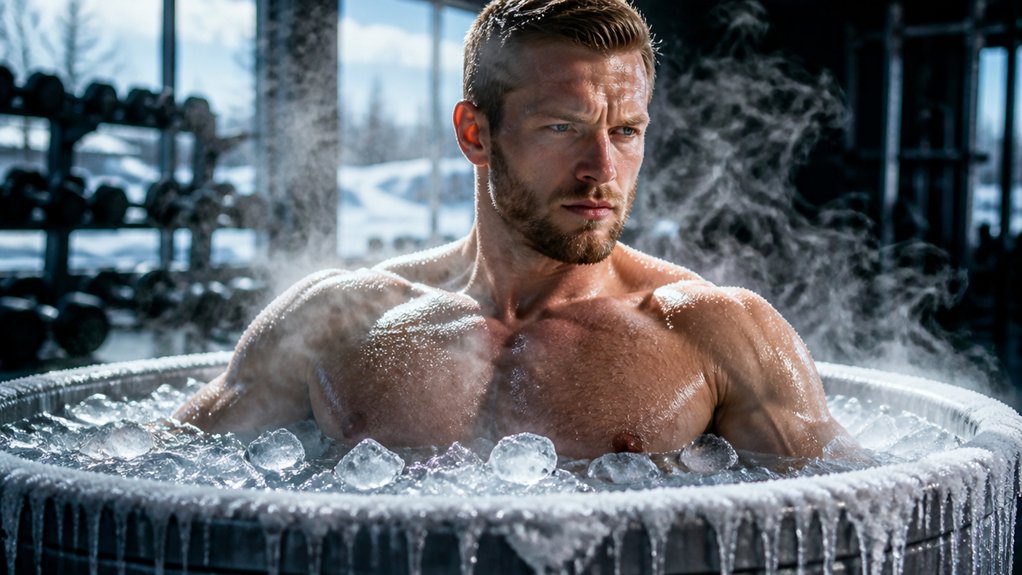
You’ll feel your body kick into cold‑induced thermogenesis as the icy water triggers brown‑fat activation. This process burns calories by turning white fat into heat‑producing brown fat, boosting your metabolism without extra exercise. Pass‑through charging capability may help you stay plugged in during longer recovery sessions low latency gaming and ensure your devices stay powered as you train. The post‑bath rewarming further ramps up energy expenditure, helping you manage weight and improve metabolic health.
Cold‑Induced Thermogenesis
Cold‑induced thermogenesis sparks when you plunge into an ice bath, prompting brown‑fat cells to fire up and burn calories to keep you warm. The shock of cold water immersion forces your body to raise core temperature, boosting energy expenditure and sharpening metabolic health.
You’ll notice a surge in calorie burning as brown fat cells work overtime, and insulin sensitivity often improves, helping regulate blood sugar.
- Temperature range – 50–59 °F (10–15 °C) maximizes brown‑fat activation.
- Duration – 5–10 minutes per session balances safety and effect.
- Frequency – 2–3 times weekly sustains heightened metabolism.
- Recovery – Warm‑up after immersion preserves muscle function while keeping the thermogenic boost active.
Brown‑Fat Activation Mechanism
When you step into an ice bath, your body instantly recruits brown‑fat cells to generate heat, kicking off a cascade of metabolic effects. Cold exposure triggers these cells to oxidize fuels, boosting metabolism and calorie burning far beyond the session. The thermogenic surge raises energy expenditure, improves blood sugar control, and sharpens insulin sensitivity, which together support weight loss. While animal studies show strong benefits, early human data remain promising but not definitive. temperature drop and the cooling devices discussed above illustrate how external cooling can complement metabolic responses by facilitating consistent, controlled exposure.
Ice Bath Boosts Immunity & Cuts Sick‑Days During Heavy Training
You’ll notice your immunity rises as regular cold exposure trains your vagus nerve and spikes endorphin and noradrenaline levels. Those hormonal shifts translate into fewer sick‑days during heavy training cycles. Additionally, the use of high‑density acoustic foam panels demonstrates that proper environmental conditioning can support focused recovery in dedicated training spaces soundproofing benefits.
Creased Immunity With Cold Exposure
If you plunge into a regular ice bath, you’ll likely notice fewer sick days during heavy training. Cold water therapy triggers a cascade that sharpens your immune system, helping athletes stay on track.
The chill modulates inflammatory processes, so recovery speeds up and you can train harder without constant setbacks. Plus, controlled cold exposure stimulates the vagus nerve, boosting parasympathetic balance and resilience under stress.
Key immune perks of ice baths:
- ↑ White‑blood‑cell activity, enhancing pathogen defense.
- ↓ Pro‑inflammatory cytokines, limiting tissue soreness.
- ↑ Vagus‑mediated anti‑inflammatory signaling.
- Faster post‑workout recovery, reducing infection risk.
Reduced Sick‑Days During Training
While intense training can leave you vulnerable to colds, regular ice‑bath sessions have been shown to slash sick‑days by up to 30 % in both athletes and office workers. Cold therapy triggers a cascade that sharpens immune function, so you miss fewer workouts.
Each cold-water immersion reduces inflammation, letting recovery proceed smoothly and keeping pathogens at bay. By training the vagus nerve, ice baths boost parasympathetic tone, which further supports immune resilience during athlete training cycles.
Studies of office workers show a 29 % drop in sick days after 60 days of consistent exposure, and athletes experience similar benefits. The net result is reduced sick days, steadier performance, and a healthier training calendar.
Enhanced Recovery Supports Health System
Even when training spikes, a regular ice‑bath routine can keep your immune system humming, slashing sick‑days by up to 30 %. Cold water immersion triggers parasympathetic activity, which supports immune function and eases training stress.
As an athlete, you’ll notice sharper mental health, less fatigue, and faster recovery, all while illness reduction climbs.
- Boosts vagus‑nerve tone, sharpening immune response.
- Lowers cortisol spikes, curbing inflammation.
- Enhances circulation, delivering nutrients for tissue repair.
- Improves sleep quality, reinforcing mental health and resilience.
Cold Immersion Improves Mental Resilience, Stress Relief & Sleep
Plunge into an ice bath and you’ll quickly feel your parasympathetic nervous system kick in, easing stress and sharpening mental resilience. Cold immersion triggers endorphin and noradrenaline release, boosting alertness while reducing anxiety and fatigue.
As you control your breath, you train the vagus nerve, sharpening stress management and mental fortitude under pressure. Regular ice baths improve sleep quality by calming the central nervous system and easing muscle soreness that can disrupt rest.
The combined effect enhances endurance, letting you push harder in training and recover faster. By making cold immersion a habit, you reinforce mental resilience, lower stress hormones, and secure deeper, more restorative sleep for peak performance.
Frequently Asked Questions
Are Ice Baths Actually Good for Athletes?
Yes, ice baths can help you reduce soreness and inflammation after workouts, but they won’t boost long‑term strength. Use them sparingly, 10‑20 minutes at 50‑59°F, and pair them with solid training and recovery habits.
Can Ice Baths Help With Lipedema?
You might find brief relief, but ice baths aren’t proven to treat lipedema; they can reduce swelling temporarily, risk nerve irritation, and should be used cautiously after consulting your doctor.
How Often Should You Ice Bath for Athletes?
You should ice‑bath athletes two to three times weekly, aiming for ten‑to‑twenty minutes at 50‑59°F, preferably 24‑48 hours post‑workout, while monitoring individual response and avoiding excessive sessions.
Can You Cold Plunge if You Have Raynaud’s?
You shouldn’t jump straight into a full cold plunge if you have Raynaud’s; instead, start with brief, milder exposures, wear neoprene gloves or booties, and always monitor for numbness or pain.
In Summary
By now you’ve seen why ice baths are a game‑changer for athletes. They slash soreness, speed up strength and power rebound, and curb inflammation. They also rev up your nervous system, fire up brown‑fat metabolism, and keep you healthy with fewer sick days. Plus, the cold builds mental toughness, eases stress, and improves sleep. So, jump in regularly and let the chill fuel faster recovery and stronger performance.