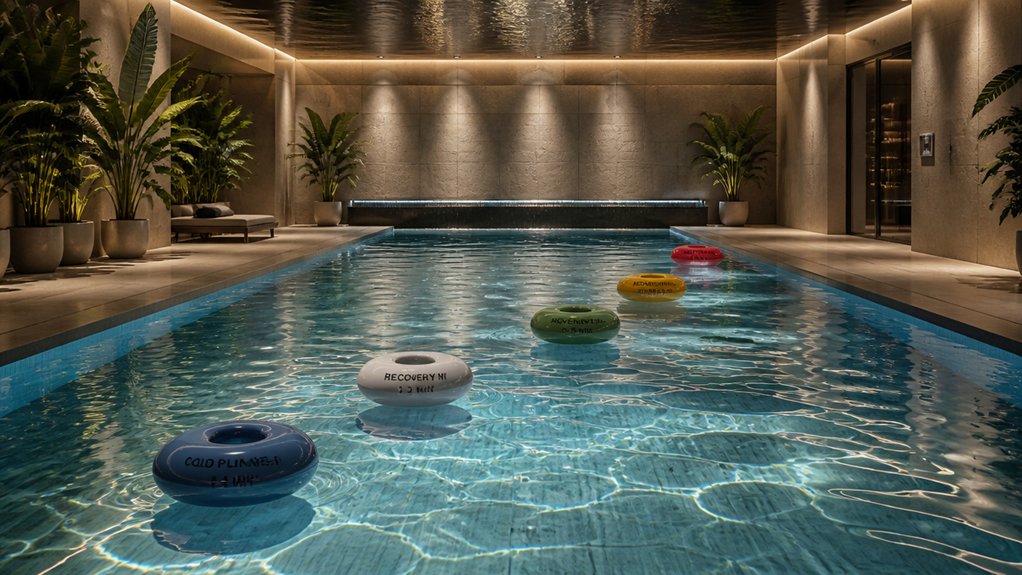
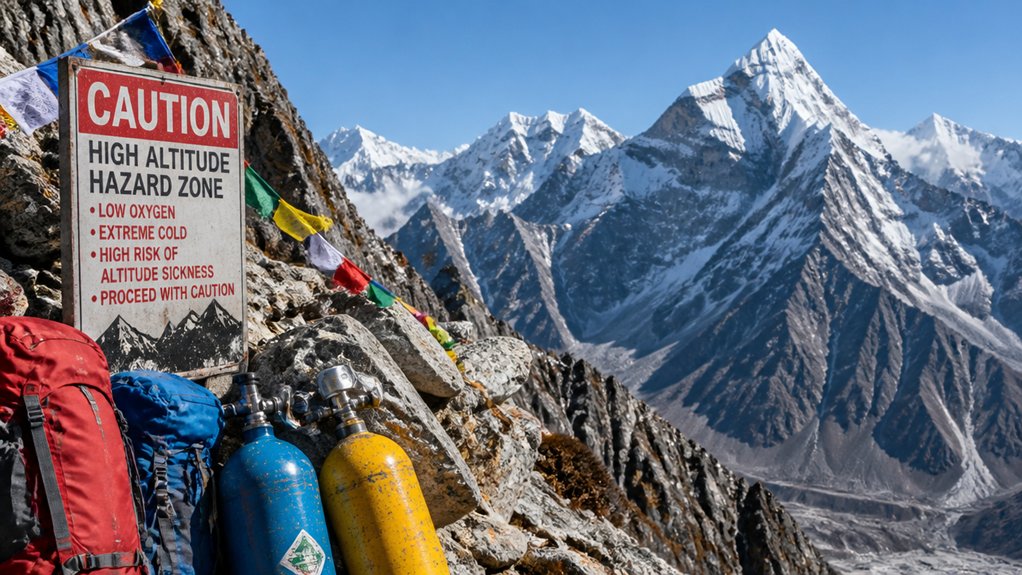
If you have cardiovascular issues like unstable angina, recent heart attack, or severe coronary artery disease, cold exposure can worsen your condition and is generally unsafe. People with circulatory problems such as Raynaud’s phenomenon or peripheral vascular disease should avoid prolonged cold exposure, as their risk of tissue damage increases. Conditions like hypothyroidism, diabetes, or medication that impairs thermoregulation also pose dangers. For more detailed guidance tailored to your health, keep exploring this topic further.
What Is Cold Acclimation and How Does It Work?

Have you ever wondered how your body adapts to cold environments over time? That’s what cold acclimation is all about. It involves physiological adaptations that develop after repeated or prolonged cold exposure, helping you better tolerate low temperatures. These adaptations improve peripheral blood flow, allowing your body to efficiently regulate heat by constricting blood vessels near the skin’s surface. Cold acclimation also boosts metabolic heat production and non-shivering thermogenesis, primarily through brown adipose tissue activation. Over days to weeks, your body gradually reduces shivering and increases insulation, sometimes by adding subcutaneous fat. Additionally, incorporating therapeutic water temperature control can enhance these adaptive processes, making cold exposure more effective and safer. These changes help you stay warmer, reduce the risk of cold-related injuries, and improve manual dexterity and overall performance in cold conditions.
Who Should Avoid Cold Exposure?
If you have conditions like Raynaud’s phenomenon, you should steer clear of cold exposure, as it can worsen vasospasms and cause tissue damage.
People with heart issues need to be cautious too, since cold can raise blood pressure and trigger cardiac events.
Those with skin or immune system problems should also avoid cold environments to prevent further complications.
Raynaud’s Phenomenon Risk
People with Raynaud’s phenomenon should avoid cold exposure because their blood vessels react abnormally to low temperatures, causing dangerous vascular constriction and risking tissue damage. Cold triggers painful vasospastic attacks, leading to finger or toe discoloration, numbness, and the potential for ischemic episodes. During the acclimatization process, repeated cold stress can worsen symptoms and increase complication risks. To better understand their risk, consider this table:
| Condition | Effect of Cold | Precaution |
|---|---|---|
| Raynaud’s phenomenon | Abnormal vasoconstriction | Avoid prolonged cold exposure |
| Vascular constriction | Reduced blood flow | Consult a healthcare professional |
| Cold stress | Potential tissue damage | Customize acclimation plans |
| Acclimatization process | Worsening symptoms | Discontinue if symptoms worsen |
Additionally, chemical stability, such as bromine’s stability at low temperatures, is crucial in preventing reactive issues during cold therapy.
Consult your doctor before attempting any cold exposure.
Heart Conditions Precaution
Individuals with certain heart conditions should exercise caution and typically avoid cold exposure because it can place additional stress on the cardiovascular system. Medical conditions like uncontrolled or severe coronary artery disease increase cardiovascular strain, making cold environments risky. If you have unstable angina or recently experienced a myocardial infarction, cold exposure is contraindicated, as it could trigger adverse cardiac events. Those with severe heart failure may see worsened symptoms due to vasoconstriction raising the heart’s workload. Additionally, patients with preexisting conduction abnormalities or arrhythmogenic conditions are at higher risk of arrhythmias during cold exposure. Finally, poorly controlled hypertension can be acutely aggravated by cold-induced vasoconstriction, increasing blood pressure and cardiac risk. If you fall into any of these categories, avoid cold environments for your safety—and understanding how cold impacts heart health can help inform safer choices.
Cold-Related Skin Damage
Certain health conditions heighten the risk of cold-related skin damage and make cold exposure unsafe. If you have a history of cold urticaria, frostbite, or other cold skin injuries, avoiding cold exposure during acclimation helps prevent further tissue damage.
People with peripheral vascular diseases, like Raynaud’s phenomenon, are also at increased risk, as cold can trigger vasospasms, leading to ischemia and skin damage. If you have impaired sensation or neuropathy in your extremities, you mightn’t notice early signs of cold injury, increasing the risk of frostbite.
Those with autoimmune conditions such as systemic lupus erythematosus should avoid cold exposure too, since they’re more vulnerable to cold-induced skin damage. Additionally, avoid cold exposure if you’re dealing with skin infections or wounds to prevent delayed healing or worsening tissue injury. Incorporating skin barrier protection strategies can also help reduce the risk of damage in sensitive individuals.
Medical Conditions That May Make Cold Exposure Unsafe
If you have circulatory problems, cold exposure could worsen your condition by straining your heart or constricting your blood vessels.
Neurological issues or sensory impairments can also increase your risk of cold injury because you mightn’t feel injuries or frostbite early enough.
Additionally, problems with thermoregulation, like hypothyroidism, can make it harder for your body to adapt to cold, increasing safety risks during acclimation.
Furthermore, conditions involving material durability and protection can impact your ability to stay warm and safe in cold environments.
Circulatory Disorders Risk
People with circulatory disorders such as peripheral artery disease or Raynaud’s phenomenon risk experiencing worsening symptoms from cold exposure. These conditions impair blood flow and make vasoconstriction worse, which can deepen pain, numbness, or tissue damage.
Cold-induced vasospasm can trigger severe responses, potentially leading to tissue hypoxia and ischemia. Because circulation is already compromised, cold exposure can contraindicate acclimation without proper medical supervision. It may also increase blood pressure and the workload on your heart, heightening the risk of cardiovascular events.
If you have circulatory disorders, you should avoid cold exposure that isn’t carefully managed to prevent further complications. Consulting with your healthcare provider before attempting any acclimation is essential to guarantee your safety. Additionally, understanding the cooling system features of modern tubs can help you better control exposure levels.
Neurovascular Vulnerabilities
Individuals with neurovascular conditions such as Raynaud’s phenomenon, multiple sclerosis, or autonomic neuropathy face heightened risks during cold exposure because their bodies struggle to maintain stable blood flow and temperature regulation. This neurovascular vulnerability can impair cerebral blood flow, increasing the chance of ischemic events or neurological decline during cold exposure.
Cold-induced vasoconstriction further reduces blood flow, exacerbating symptoms and risking tissue damage or injury. If you have preexisting conditions impacting thermoregulation, your nervous system may struggle to respond appropriately to cold stress, putting you at greater danger.
Additionally, measuring blood oxygen levels with reliable Pulse Oximeters can help monitor your body’s response during cold activities, underscoring the importance of proper equipment in such situations.
Because of these risks, cold exposure during acclimation could worsen your condition or trigger serious complications, making it critical to consult your healthcare provider before attempting any cold-related activities.
Impaired Thermoregulation
Certain medical conditions impair your body’s ability to regulate temperature properly, making cold exposure risky. Impaired thermoregulation occurs with health issues like hypothyroidism, diabetes mellitus, or autonomic neuropathy, which prevent your body from maintaining a safe core temperature during cold exposure.
People with peripheral vascular diseases, including Raynaud’s phenomenon and peripheral arterial disease, face increased risk of cold injury because these conditions impair blood flow to extremities. Cardiovascular diseases that limit circulation or disrupt heart rate response also make cold acclimation unsafe, as your body struggles to adjust to temperature stress.
Additionally, conditions affecting sweating or shivering, such as multiple sclerosis or spinal cord injuries, reduce cold tolerance. Medications like beta-blockers or vasoconstrictors further blunt thermoregulatory responses, elevating the risk during cold exposure.
Recognizing When to Discontinue Cold Exposure
Knowing when to stop cold exposure is essential for safety. During acclimatization, you should watch for signs that your body isn’t handling the cold well.
Recognize when your body struggles with cold to ensure safe and effective acclimatization.
If you experience uncontrollable shivering, confusion, or slurred speech, it indicates your core temperature is dropping dangerously. Frostbite or skin numbness signals tissue injury risk, so stop immediately.
Cardiovascular symptoms like chest pain, palpitations, or abnormal heart rates also require halting the process and seeking medical advice.
Remember, individual susceptibility varies—people with preexisting conditions such as Raynaud’s phenomenon or severe peripheral vascular disease are at higher risk.
Signs of excessive physiological stress, such as prolonged recovery or elevated corticosteroids, should guide you to cease cold exposure. Additionally, using water treatment solutions appropriately can help maintain water quality and prevent complications.
Listening to your body guarantees safe acclimatization progression.
Risks for Vulnerable Groups and Precautions
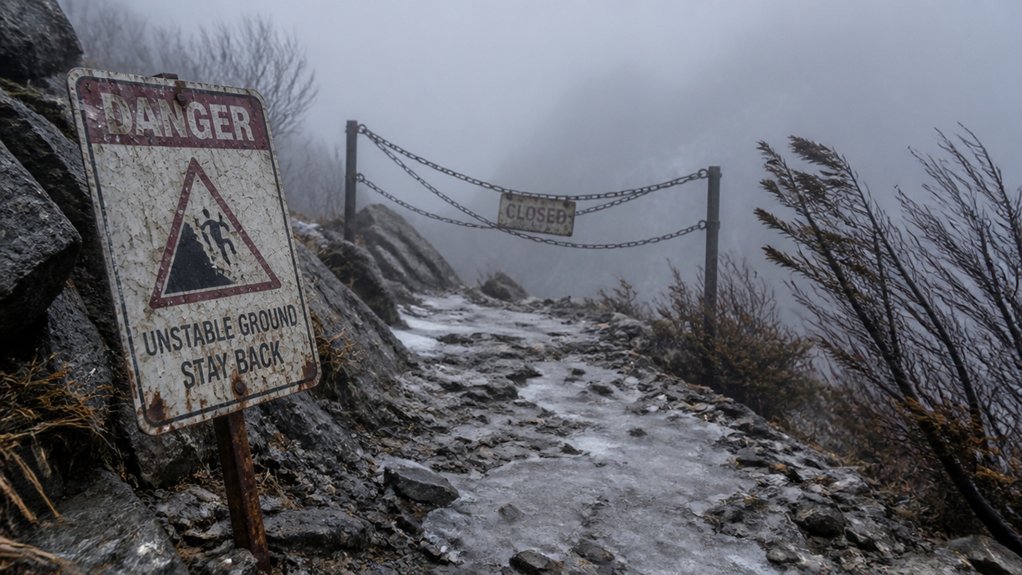
Vulnerable groups require careful assessment before beginning acclimation, as their physiological resilience may be limited. These groups include young children, elderly individuals, and those with baseline hypoxemia.
Preexisting medical conditions, such as coronary artery disease, chronic pulmonary disease, or severe obstructive sleep apnea, can increase risks during environmental shifts and should be closely monitored.
Individuals showing signs of illness or infection should delay acclimation until fully recovered to prevent worsening health. Rapid environmental changes can exacerbate underlying issues, so if you or someone in this group has health concerns, consulting a healthcare professional is essential.
Be cautious with medications like acetazolamide, especially if you have a sulfa allergy or sensitivities, to minimize adverse reactions during acclimation.
When to Consult a Healthcare Professional Before Cold Exposure
Before engaging in cold exposure, it’s essential to consult a healthcare professional if you have underlying health conditions that could be affected by cold temperatures. Visiting a medical clinic guarantees you receive tailored advice based on the information provided about your health. If you experience symptoms of altitude illness or have cardiovascular, respiratory, or circulatory issues, professional guidance becomes critical.
| Health Condition | When to Seek Advice |
|---|---|
| Cardiovascular disease | Before cold exposure |
| Respiratory conditions (asthma, COPD) | To prevent bronchospasm |
| Circulatory disorders (Raynaud’s) | To avoid vasoconstriction complications |
| Impaired thermoregulation | To prevent hypothermia |
| Acute illness or skin infections | To avoid worsening conditions |
Consult your healthcare provider to learn if cold exposure is safe for you.
Frequently Asked Questions
What Are Some Common Acclimatisation Mistakes?
You often make acclimatization mistakes by ascending too fast, skipping rest days, exercising intensively early on, and not allowing enough time for adaptation, which increases the risk of altitude sickness and impairs proper physiological adjustment.
What Is Acclimation in Medical Terms?
You understand that acclimation is the process where your body adjusts to environmental changes, like altitude or heat, to improve function and reduce stress. Proper acclimation prevents illnesses and enhances performance, but contraindications might include certain health conditions.
What Are the Contraindications for Airflow?
You should avoid airflow in environments with airborne infections, allergens, or contaminants because it can spread pathogens or cause health issues. Restrict airflow for those with respiratory problems or immunocompromised individuals to prevent exacerbating conditions or exposure.
What Are Examples of Acclimation?
Examples of acclimation include adjusting to high altitudes with increased ventilation, adapting to heat through sweating and reduced heart rate, and animals undergoing a 48-hour post-transport period for physiological stabilization before experiments or release.