
After a cold plunge, focus on gradual rewarming with towels, light movements, and gentle stretches to boost circulation and prevent blood pressure spikes. Rehydrate with water and electrolyte drinks, and eat protein-rich foods to support muscle repair. Incorporate light activities like foam rolling or yoga to reduce soreness. Prioritize quality sleep and combine recovery with anti-inflammatory foods or supplements like omega-3s. If you keep exploring, you’ll discover how to optimize each step for faster muscle healing.
Why Post-Cold Plunge Recovery Is Essential for Muscle Health
After a cold plunge, proper recovery is essential for maintaining muscle health. When you do a post-workout cold, your body needs time for muscle repair and to reduce inflammation caused by intense exercise.
Rehydration with water and electrolytes helps replenish fluids lost and supports metabolic waste removal, facilitating quicker recovery. Gradual rewarming, using towels, robes, and light movement, prevents blood pressure spikes and optimizes muscle blood flow.
Incorporating gentle stretching, like forward bends or hip openers, loosens muscles and reduces stiffness. Consuming protein-rich foods combined with anti-inflammatory ingredients such as berries or turmeric accelerates muscle repair and minimizes inflammation.
Engaging with targeted muscle recovery creams can further support healing by reducing soreness and promoting relaxation. Skipping these recovery steps can impair nutrient delivery, delay muscle recovery, and hinder your overall progress.
How to Gradually Rewarm Yourself to Avoid Blood Pressure Spikes
To rewarm safely after a cold plunge, you should focus on gradual temperature restoration to prevent sudden changes in blood pressure. Rewarm gradually by wrapping yourself in towels or a robe to steadily raise your skin and core body temperature.
Gentle movements like slow walking or light stretching help maintain smooth blood flow and prevent abrupt blood pressure spikes. Sip warm (not hot) beverages such as herbal tea to support internal warming and stabilize circulation.
Avoid quick exposure to hot showers or vigorous exercise immediately after the cold plunge, as these can cause sudden vasodilation and increase blood pressure. Rewarming over 10-15 minutes allows your cardiovascular system to adjust safely, reducing dizziness and fainting risks during recovery.
- Wrap in towels or a robe
- Engage in slow walking or light stretching
- Sip warm beverages
- Avoid hot showers or intense exercise
- Rewarm gradually over 10-15 minutes
- Using heat lamps with adjustable temperature settings can help prevent excessive heat exposure and ensure safe, controlled warming infrared infrared heat lamp bulbs.
Effective Hydration Strategies After Cold Water Immersion
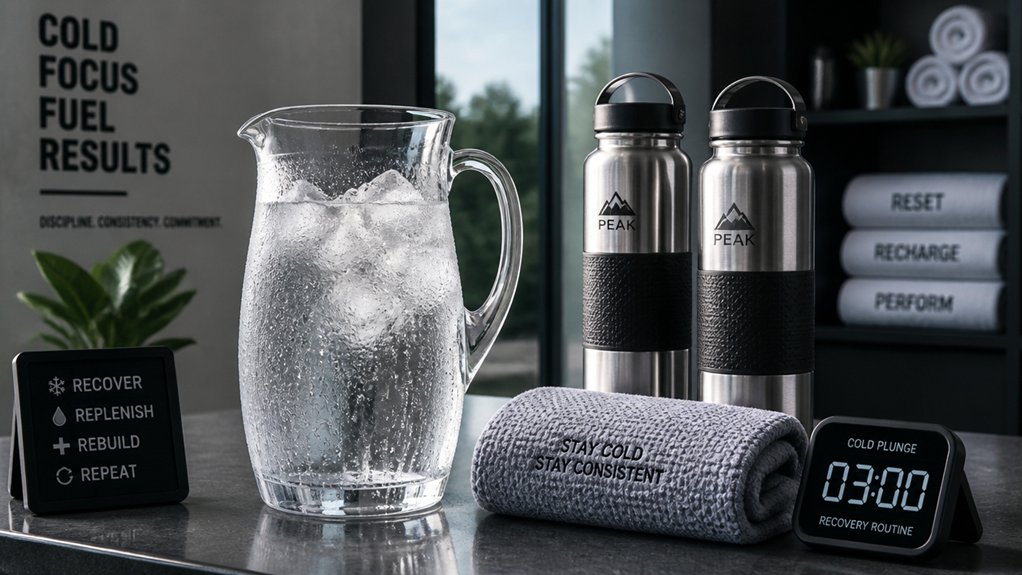
Effective hydration is crucial following cold water immersion because it helps replenish fluids lost during vasoconstriction and supports muscle recovery.
Hydrate effectively after cold water immersion to restore fluids and support muscle recovery.
After a post-plunge session, you should drink water consistently within the first 2-4 hours to replace about 150% of the fluids lost. Incorporate electrolyte-rich beverages like coconut water, sports drinks, or add sea salt to water to restore sodium, potassium, and magnesium levels, which are indispensable for muscle function.
Avoid caffeinated or alcoholic drinks, as they can impair rehydration and delay recovery. Combining proper hydration with gradual rewarming and light movement promotes better blood flow and nutrient transport.
Prioritizing these strategies guarantees you effectively replenish fluids and optimize your muscle recovery process after cold water immersion.
The Best Nutritional Choices to Support Muscle Repair Off Cold Plunge
To support muscle repair after a cold plunge, focus on eating high-quality proteins within an hour to provide essential amino acids. Incorporate anti-inflammatory foods like berries and leafy greens to reduce inflammation, and include complex carbs to replenish glycogen stores. Don’t forget to hydrate with water or electrolyte drinks to optimize nutrient delivery and recovery. Utilizing fast-absorbing protein sources such as whey isolate or hydrolysate can further enhance recovery by delivering amino acids quickly to fatigued muscles.
Protein-Packed Foods
After a cold plunge, consuming high-quality protein within 60 minutes is essential for maximizing muscle repair and recovery. Choosing foods rich in amino acids, especially leucine, jumpstarts muscle protein synthesis and supports the repair process. Chelated magnesium forms, known for their high absorption, can also aid in muscle relaxation and stress relief during recovery. Focus on protein sources that are lean and anti-inflammatory to reduce inflammation and enhance recovery. To optimize results, include:
- Eggs and egg whites
- Grilled chicken or turkey
- Whey protein shakes
- Greek yogurt
- Fish like salmon or tuna
Pair these with moderate carbs to replenish glycogen and improve nutrient delivery. Hydrating with protein-rich smoothies or shakes also provides essential fluids, aiding the recovery process.
Prioritizing these foods guarantees your muscles recover efficiently after cold plunge therapy.
Anti-Inflammatory Diets
Incorporating anti-inflammatory foods into your post-cold plunge routine helps reduce muscle inflammation and oxidative stress, speeding up recovery.
Eating berries, leafy greens, and turmeric can markedly decrease muscle inflammation and oxidative stress after plunging. Including Omega-3 fatty acids from sources like fish oil lowers inflammation markers and supports joint health, enhancing overall recovery.
For ideal post-plunge nutrition, combine carbohydrates (40-80g) with protein-rich foods like eggs or whey shakes to support protein synthesis and replenish glycogen stores. These nutritional choices work together to reduce inflammation, promote muscle repair, and restore energy.
While hydration with electrolytes is vital, focusing on anti-inflammatory foods will maximize your healing and help you bounce back faster from intense cold therapy.
Hydration and Electrolytes
Proper hydration and electrolyte intake are essential for supporting muscle repair following a cold plunge, especially since cold exposure causes vasoconstriction and fluid shifts that can impair recovery.
To rehydrate effectively, drink water and include electrolyte-rich drinks like coconut water, sports beverages, or water with sea salt to replenish sodium, potassium, and magnesium lost during intense workouts and cold exposure. Proper electrolyte balance supports muscle function and helps prevent cramps, particularly after strenuous activity.
Additionally, pairing your hydration with protein-rich foods or shakes containing 20-40 grams of protein for ideal muscle repair can enhance recovery. Avoid sugary drinks that hinder hydration; instead, opt for natural electrolyte sources or formulated recovery beverages for targeted benefits.
Focusing on balanced electrolyte ratios ensures your body reabsorbs fluids efficiently and supports optimal muscle function, improving your post-plunge recovery process.
Targeted Stretching and Mobility Exercises to Relieve Soreness
Have you considered targeted stretching and mobility exercises to ease soreness after cold plunges? These gentle movements can help you recover faster after post workout sessions by alleviating muscle soreness.
Focus on targeted stretches like hamstring, hip openers, and calf stretches, performed 10-20 minutes after rewarming from the cold plunge. These movements improve circulation, enhance flexibility, and reduce stiffness without overstretching cold muscles.
Incorporate mobility exercises such as hip circles and ankle rolls to restore joint range of motion and decrease post-plunge stiffness. Avoid deep static stretching immediately after cold exposure, as it can strain cold muscles. Instead, opt for slow, controlled, active stretches that support gradual muscle relaxation and help you recover more comfortably. Additionally, using a foam roller or massage tools can further aid in muscle recovery and prevent tightness.
Incorporating Light Movement to Speed Up Recovery
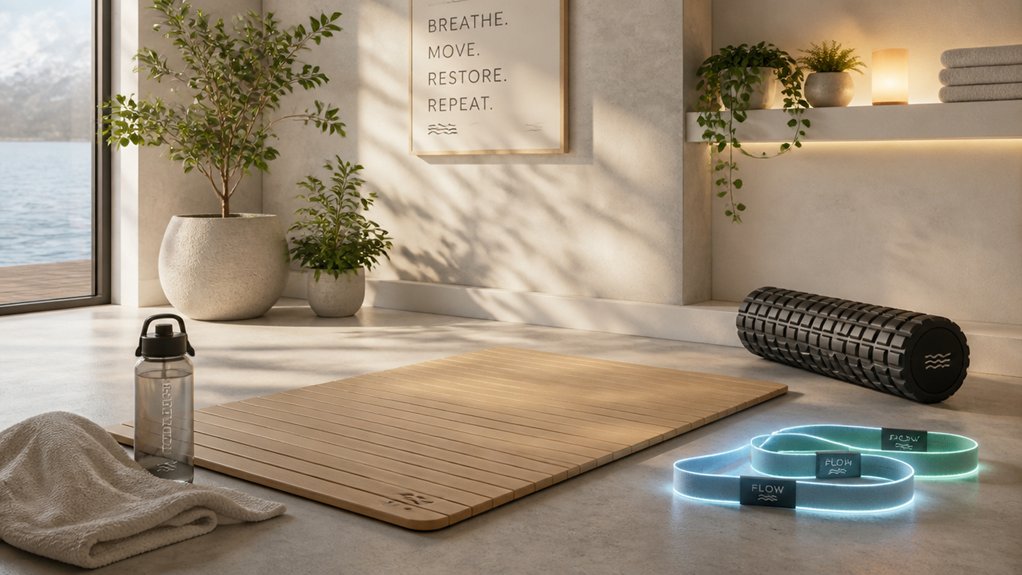
Incorporating light movement after a cold plunge helps boost blood flow and flush out metabolic waste, speeding up recovery. Gentle stretching, low-intensity cardio, and mindful movements like slow hip openers or forward bends can make a big difference. These activities support muscle flexibility, reduce stiffness, and enhance overall healing. To maximize benefits, combining movement with temperature therapy can further improve recovery efficiency.
Gentle Stretching Techniques
Gentle stretching shortly after a cold plunge helps promote muscle flexibility and reduce stiffness without risking overstretching cooled tissues.
Focus on light movements like gentle forward bends, hip openers, and hamstring stretches within 15-30 minutes post-immersion. These stretches support recovery by decreasing stiffness and improving circulation.
Incorporate slow, controlled breathing to maintain relaxation and activate the parasympathetic nervous system.
Avoid aggressive static stretches, as muscles are less elastic after the cold plunge. Instead, prioritize these key points:
- Use slow, controlled movements to prevent overstretching
- Incorporate light dynamic movements like walking or gentle cycling
- Focus on specific muscle groups targeted during exercise
- Limit stretching sessions to 5-10 minutes for safety
- Maintain mindful breathing for maximum relaxation
This approach accelerates recovery while minimizing injury risk. Additionally, selecting appropriate resistance bands, such as loop resistance bands or fabric resistance bands, can support gentle muscle activation during post-plunge recovery routines.
Light Cardiovascular Activities
Engaging in light cardiovascular activities such as walking or easy cycling after a cold plunge boosts blood flow and oxygen delivery to your muscles, speeding up waste removal and promoting faster recovery.
Incorporating light movement with low-intensity exercise at 50-60% max heart rate supports lymphatic drainage and reduces muscle stiffness without causing fatigue. Post-plunge, these activities help gradually raise your core temperature, minimizing blood pressure spikes and improving nutrient transport to tissues.
Gentle cardio enhances muscle mobility and decreases soreness, enabling quicker functional recovery. Additionally, light cardiovascular work complements hydration and stretching, creating an optimized muscle recovery routine.
Mindful Movement Practice
After a cold plunge, practicing slow and controlled movements can greatly enhance your recovery. Light movement, like gentle yoga or walking, promotes blood flow, helping flush metabolic waste and reduce muscle soreness.
Staying at 50-60% of max heart rate for 10-15 minutes post-plunge supports nutrient delivery and muscle repair without adding fatigue. Mindful movement also boosts lymphatic flow, aided by hydrostatic pressure, reducing inflammation and swelling.
Incorporate controlled breathing during these activities to activate the parasympathetic nervous system, calming your nervous system and improving recovery quality.
- Avoid intense stretches immediately after a cold plunge
- Favor gentle, dynamic movements over static holds
- Focus on slow, deep breaths to enhance parasympathetic response
- Keep movement light and pain-free
- Support gradual muscle loosening and recovery
Common Mistakes That Hindering Your Post-Plunge Recovery
Many common mistakes can actually hinder your post-plunge recovery rather than help it. Using a cold plunge below 10°C (50°F) for more than 7 minutes increases hypothermia risk, causing dizziness, numbness, and stressing your nervous system.
Jumping into cold water immediately post-workout can reduce muscle growth hormones, impairing muscle repair and hypertrophy. Skipping gradual rewarming can lead to blood pressure spikes and poor circulation, slowing recovery. Neglecting hydration and electrolyte replacement after the cold plunge delays fluid balance restoration and hampers muscle repair.
Additionally, plunging too soon after heavy strength training disrupts the intended recovery process. Avoid these mistakes to optimize your recovery, ensuring your body benefits fully from the post-plunge routine and supports muscle growth and overall muscle health.
How to Optimize Recovery With Active Protocols Like Foam Rolling or Yoga
Incorporating active recovery protocols like foam rolling and yoga can greatly boost your post-cold plunge recovery. These activities help reduce inflammation, improve circulation, and enhance muscle mobility.
Timing is key: gentle yoga and dynamic stretching within 24 hours promote circulation without increasing muscle soreness. Foam rolling, done 24-48 hours after the plunge, targets muscle knots and speeds up recovery by releasing tension and boosting blood flow.
Avoid intense static stretching immediately after cold plunge, as it may worsen soreness; focus on slow, controlled movements instead. Incorporate these practices during the critical 24-72 hour window to maximize benefits.
Remember, the goal is to support muscular repair and flexibility while minimizing discomfort.
- Enhance circulation
- Reduce inflammation
- Support muscular repair
- Improve muscle mobility
- Accelerate waste removal
Supplements and Natural Anti-Inflammatories to Accelerate Healing
Incorporating natural anti-inflammatory foods like turmeric, berries, and leafy greens can help reduce inflammation and oxidative stress after exercise.
Supplements such as protein, omega-3s, and magnesium support muscle repair, relaxation, and sleep quality. Combining these with proper hydration optimizes your recovery process and accelerates healing.
Natural Anti-Inflammatory Foods
Natural anti-inflammatory foods can greatly boost your muscle recovery process by reducing soreness and speeding healing. Including these foods helps decrease inflammation and alleviates muscle soreness after a cold plunge or intense workout.
For example, turmeric, rich in curcumin, effectively reduces muscle inflammation by downregulating pro-inflammatory cytokines. Berries like blueberries and cherries offer antioxidants that combat oxidative stress, fostering faster muscle repair. Omega-3 fatty acids from fish oil inhibit inflammatory enzyme activity, supporting recovery. Green leafy vegetables supply essential vitamins C and K, aiding tissue repair and vascular health.
Incorporate these anti-inflammatory foods into your diet to promote faster recovery:
- Turmeric for reducing inflammation
- Berries for high antioxidant content
- Fatty fish for omega-3s
- Leafy greens for vitamins C and K
- Ginger and green tea for polyphenols
Effective Supplement Choices
Using targeted supplements can greatly enhance your muscle recovery process by reducing soreness and speeding healing after cold plunge sessions.
Post-workout, creatine supports muscle energy restoration and lessens soreness, making recovery more efficient. Magnesium taken before bedtime promotes muscle relaxation, cuts cramps, and improves sleep, aiding repair.
Omega-3 fatty acids from fish oil serve as potent anti-inflammatory supplements that combat exercise-induced inflammation and support joint health. Incorporating natural anti-inflammatory foods like turmeric, berries, and leafy greens supplies antioxidants that reduce oxidative stress.
Pairing these with protein-rich nutrition—such as eggs, lean meats, or shakes—maximizes muscle repair and inflammation control. This combination accelerates recovery, minimizes soreness, and promotes overall muscle health after cold plunges.
Why Quality Sleep and Rest Amplify Your Cold Plunge Benefits
Getting quality sleep and rest after a cold plunge greatly boosts its recovery benefits because they work together to optimize muscle repair. Restorative sleep enhances recovery efficiency by promoting hormone production, like growth hormone and testosterone, essential for muscle growth.
Good sleep quality also helps lower stress hormones such as cortisol, creating a favorable hormonal environment for tissue repair. To maximize cold plunge recovery, prioritize:
- At least 7-9 hours of restorative sleep
- Sleeping at least 1 hour after your session
- Maintaining a consistent sleep schedule
- Creating a calming bedtime routine
- Avoiding screens before sleep
Neglecting adequate rest can diminish the benefits of cold immersion, impairing muscle repair and long-term growth despite its anti-inflammatory effects. Prioritizing sleep magnifies your muscle recovery and overall progress.
Combining Cold Plunge With Other Modalities for Maximum Recovery
Combining cold plunge therapy with other recovery modalities can greatly amplify your muscle repair process.
Contrast therapy, alternating 1-2 minutes of cold water immersion at 10-15°C with heat exposure, enhances circulation and helps flush metabolic waste, speeding recovery. Using compression boots after a cold plunge promotes blood flow and nutrient delivery, especially for leg and foot soreness. Adding controlled breathing techniques during cold-water immersion enhances nervous system calming, reducing overall stress and soreness.
Scheduling massage or foam rolling 24-48 hours after cold plunge further reduces muscle soreness and boosts tissue mobility. Integrating cold plunge into your recovery strategies alongside proper hydration, nutrition, and sleep maximizes muscle repair and minimizes inflammation, ensuring more effective post-exercise recovery.
Frequently Asked Questions
How Soon Should I Start My Post-Plunge Recovery Routine?
You should start your post-plunge recovery routine immediately after your session. This helps reduce soreness, improves circulation, and accelerates healing. Don’t delay—begin right away to maximize benefits and guarantee a smoother, more effective recovery process.
Can Cold Plunges Help Reduce Delayed Onset Muscle Soreness (DOMS)?
Cold plunges can help reduce delayed onset muscle soreness by constricting blood vessels, decreasing inflammation, and numbing nerve endings. These actions may speed up recovery, but individual responses vary, and combining with proper rest and nutrition is advised.
Is Active Recovery or Rest Better Immediately After a Cold Plunge?
Active recovery is better immediately after a cold plunge because it promotes blood flow, helping muscles recover faster and reduce soreness, while rest might cause stiffness. You should aim for gentle movements to maximize benefits.
How Long Should I Wait Before Doing Foam Rolling or Stretching?
You should wait about 15 to 30 minutes after a cold plunge before doing foam rolling or stretching. This allows your muscles to warm up slightly, reducing injury risk and improving flexibility during your recovery routine.
Are There Any Signs I Should Avoid Post-Plunge Recovery Activities?
You should avoid post-plunge activities if you experience severe pain, dizziness, unusual fatigue, tingling, or numbness. These signs indicate your body needs more rest and medical attention, preventing further injury and promoting safe recovery.