For effective at-home inflammation relief, a cold water plunge at temperatures between 50–59°F is your best option. Keep the water cold but safe, and limit your immersion to 3–5 minutes. Use a bathtub or basin with a thermometer and ice to maintain the right temperature. Remember to start slowly and listen to your body. If you want to discover more tips on safe and effective cold plunges, continue exploring these strategies.
What You Need to Know Before Starting Cold Plunge Therapy
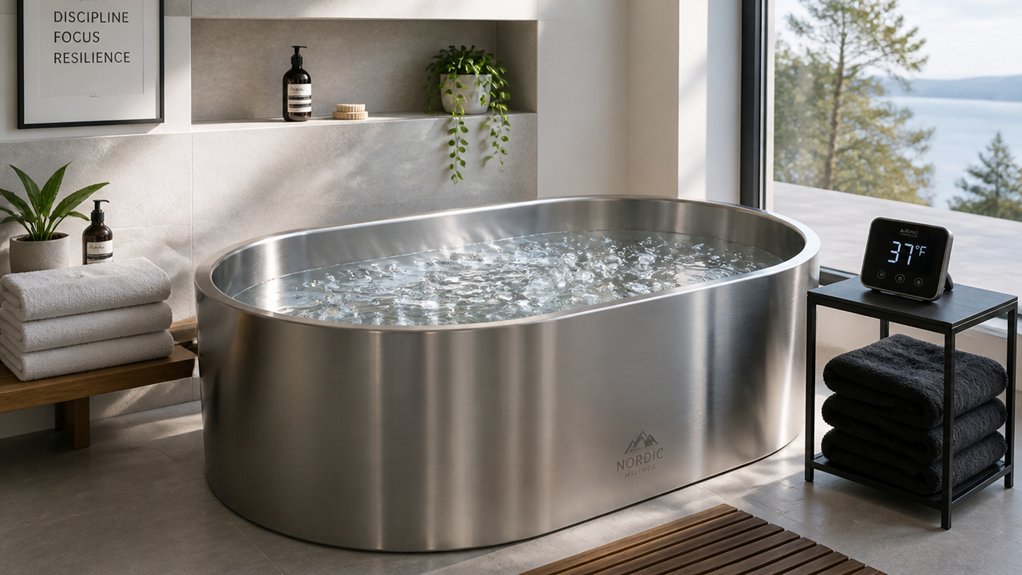
Before jumping into cold plunge therapy at home, it’s essential to prioritize safety and gather the right knowledge. Cold water therapy, especially cold plunge immersion, can help manage inflammation, but it’s crucial to proceed cautiously.
If you have cardiovascular issues, diabetes, or neuropathy, consult a healthcare provider before starting. Begin with water temperatures between 50–59°F (10–15°C) and keep initial immersion times short—around 30 seconds to 2 minutes. Use a reliable thermometer and timer to monitor the session, ensuring you don’t exceed 10 minutes to avoid risks like hypothermia.
Always have warm clothing nearby for rewarming. Never practice alone and listen closely to your body; stop immediately if you experience dizziness, numbness, or chest tightness. Proper preparation promotes safe and effective cold plunge sessions at home, especially considering the materials and insulation used in quality tubs to maintain consistent temperatures.
How Do Cold Plunges Help Reduce Inflammation?
Cold plunges activate a process called vasoconstriction, which narrows blood vessels and temporarily reduces blood flow to targeted areas. This is the core of cold water immersion’s ability to combat inflammation. By limiting blood flow during cold shock, you slow the release of pro-inflammatory substances, helping to reduce swelling and pain.
Once you exit the cold plunge, vasodilation occurs, flushing out metabolic waste and delivering oxygen-rich blood to tissues, speeding up recovery after exercise. Cold water immersion also modulates immune responses by lowering pro-inflammatory cytokines and increasing anti-inflammatory ones.
Regular cold plunges can decrease muscle damage markers and inflammation, supporting quicker recovery and less soreness. Overall, cold plunges help manage inflammation by influencing blood flow, immune response, and hormonal activity.
What Are the Best Temperatures for Cold Water to Target Inflammation?
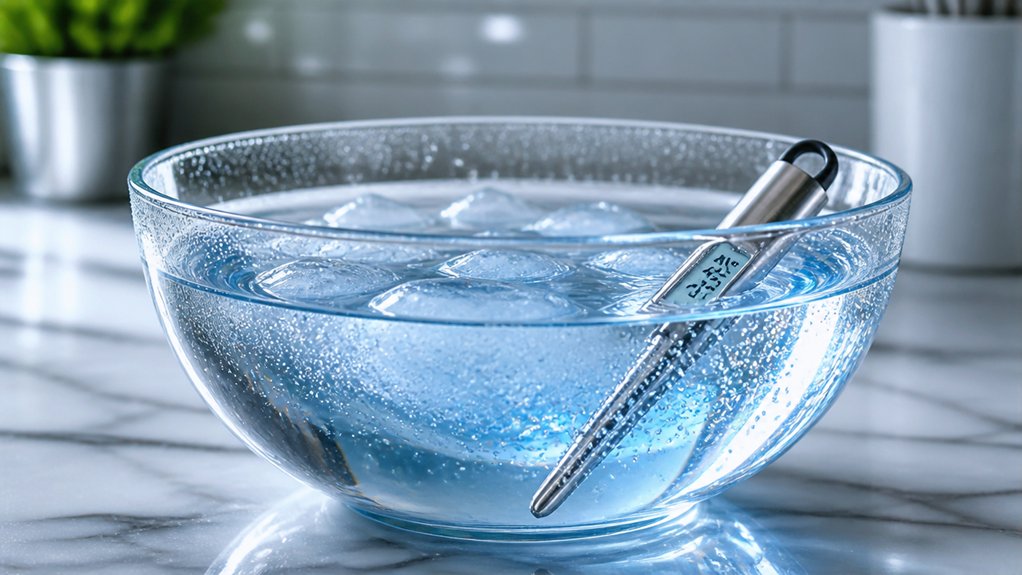
What’re the ideal temperatures for cold water immersion to effectively target inflammation?
Generally, water temperatures between 50°F and 59°F (10°C to 15°C) strike the right balance between safety and effectiveness. Cold water within this range triggers vasoconstriction, reducing blood flow and inflammation without risking cold-related injuries like frostbite or hypothermia. Additionally, using insulation materials can help maintain these temperatures for longer periods. Temperatures below 50°F aren’t recommended, as they may cause harm without offering additional anti-inflammatory benefits. Starting at the higher end of this spectrum, around 59°F, helps beginners build tolerance safely before gradually lowering the temperature.
Consistently exposing yourself to these water temperatures enhances physiological responses, effectively reducing inflammation by promoting anti-inflammatory processes and decreasing pro-inflammatory cytokines.
How Long Should You Stay in a Cold Plunge for Optimal Results?
How long you should stay in a cold plunge depends on your experience level and safety considerations, but generally, 3 to 5 minutes offers the best balance between reducing inflammation and minimizing risk.
A temperature range of 50–59°F (10–15°C) is recommended to maximize benefits while ensuring safety.
Prolonged exposure beyond 10–15 minutes increases the risk of adverse effects.
An effective setup with proper water treatment and insulation can help maintain consistent temperatures for safe and beneficial sessions.
Consistency with moderate-duration cold plunging delivers better inflammation management than infrequent or overly long sessions.
What Equipment Do You Need for Safe Home Cold Immersion?
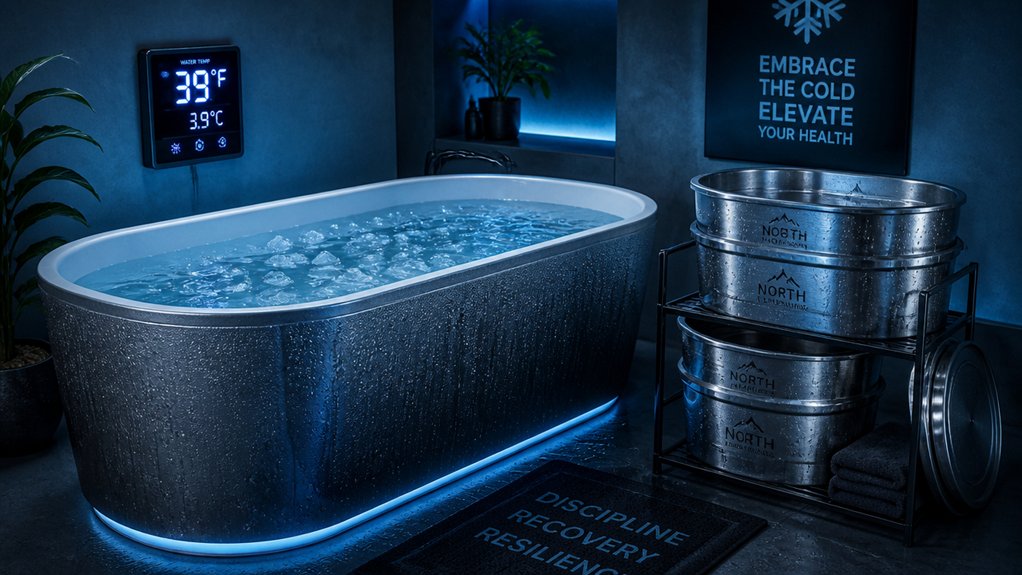
To guarantee a safe and effective cold immersion experience at home, having the right equipment is essential. You’ll need a bathtub or large basin filled with cold water and ice, ensuring the temperature stays between 50–59°F (10–15°C) for safe therapy.
Use a reliable thermometer to monitor the water’s temperature, preventing it from dropping too low and risking frostbite or hypothermia. A timer is vital to control immersion duration, starting from 30 seconds up to 10-15 minutes to avoid overexposure.
To protect your skin, avoid direct contact with ice by using a cloth barrier or mixing ice in water. Keep warm towels and clothing nearby to rewarm quickly after immersion and minimize risks associated with prolonged cold exposure.
How to Start Cold Plunge Therapy at Home: A Step-by-Step Guide
Getting started with cold plunge therapy at home involves preparing your equipment with precise temperature control and safety gear. You should follow a structured protocol, starting with brief immersions and gradually increasing as your tolerance builds. Remember to monitor your sessions closely and have warm clothing ready to guarantee your safety after each plunge. Incorporating a quality insulation materials helps maintain consistent water temperatures and reduces energy costs during your routine.
Equipment Preparation Tips
Preparing your equipment thoroughly guarantees a safe and effective cold plunge experience at home. You’ll need a bathtub or large basin filled with cold water and ice to achieve the ideal water temperature of 50–59°F (10–15°C). Use a reliable thermometer to measure the water temperature, guaranteeing consistency during your cold plunges and better targeting inflammation and soreness relief. Keep towels and warm clothing nearby for immediate rewarming after immersion, preventing hypothermia. Remember to set a timer to monitor session duration strictly—start with 30 seconds to 1-2 minutes and increase gradually. Proper preparation helps you stay safe and maximize the benefits of cold water therapy. Ensuring your thermometer has a high accuracy and suitable temperature range is crucial for reliable measurements.
Cold Plunge Protocols
Interested in starting cold plunge therapy at home? Begin by filling a bathtub or large basin with cold water, maintaining a temperature of 50–59°F (10–15°C). Add ice if needed to keep the cold exposure consistent.
Start with short immersions of 30 seconds to 1–2 minutes, gradually increasing up to 5–10 minutes as your tolerance improves. Use a thermometer to monitor water temperature and a timer to track your session. Practice slow, deep breathing to manage the cold shock and stay calm. Remember to choose a floating thermometer that accurately displays water temperature to ensure proper safety and effectiveness.
After your cold bath, warm up gently with towels and light movement. Always listen to your body and stop if you experience severe discomfort.
Consistent cold plunges can offer significant benefits of cold therapy for reducing inflammation.
Safety and Monitoring
Starting cold plunge therapy at home requires careful attention to safety and monitoring to prevent risks like hypothermia or frostbite.
Begin by measuring the water temperature precisely, aiming for 50–59°F (10–15°C) to guarantee safety and health benefits. Start with short immersions of 30 seconds to 1-2 minutes, then gradually increase as your tolerance improves. Always use a timer to track your session, avoiding prolonged exposure that could lead to hypothermia or frostbite.
Watch your body’s response closely—if you experience dizziness, severe shivering, numbness, or discomfort, stop immediately. Keep warm clothing and towels nearby for gradual rewarming.
If you have health concerns, especially cardiovascular issues, consult a healthcare professional before starting cold water immersion. Proper temperature monitoring with smart water sensors can help ensure safety during cold plunge sessions.
Common Mistakes and Safety Signs to Watch For During Cold Water Immersion
While cold water immersion offers many benefits, it’s essential to recognize common mistakes and alert signs to stay safe. Avoid starting with water below 50°F (10°C) or immersing for longer than 1–2 minutes, especially if you’re new, as this raises the risk of hypothermia and frostbite.
Always use a cloth barrier to prevent direct contact with ice, which can cause frostbite and nerve pain.
Watch for warning signs like uncontrollable shivering, dizziness, numb or pale skin that doesn’t warm, chest tightness, or confusion—they indicate unsafe exposure. Overdoing sessions beyond 10–15 minutes can dangerously lower body temperature.
If you have cardiovascular issues, diabetes, or neuropathy, consult a healthcare professional first and monitor symptoms closely to avoid complications. Incorporating a proper insulation layer into your cold plunge setup can help maintain consistent temperatures and improve safety.
How to Know When You’ve Overdone It and When to Stop?
Pay attention to how your body reacts during immersion—if you start feeling extreme discomfort or pain, it’s time to stop.
Watch for signs like uncontrollable shivering, dizziness, or skin turning pale or blue, which indicate you need to get out immediately.
Always be prepared to step away if symptoms of cold exposure or fatigue set in, and prioritize warming up gradually.
Recognize Physical Discomfort Signs
How can you tell if you’ve pushed your body too far during at-home immersion? Look for signs like soreness, numbness, or persistent pain. If you experience uncontrollable shivering or intense cold like frostbite, it’s time to stop. Listening to your body is key to safe reducing inflammation.
Here’s a quick visual guide:
| Symptom | How it Feels | Action |
|---|---|---|
| Dizziness or confusion | Lightheaded, disoriented | Stop immersion immediately |
| Intense numbness or frostbite | Cold, pale, bluish skin | Exit water, warm skin gradually |
| Chest tightness or difficulty breathing | Shortness of breath | Seek medical help if symptoms persist |
| Excessive soreness | Persistent pain | Rest and warm up after the session |
| Weakness or fatigue | Unusual tiredness | Reduce session duration or intensity |
Watch for Cold Exposure Symptoms
Knowing when to stop during cold exposure is crucial for safety. As you engage in cold water or cold immersion, pay close attention to your body’s signals.
Uncontrollable shivering, dizziness, lightheadedness, or mental confusion are signs you’ve gone too far and should exit immediately, as these indicate excessive cold exposure affecting your nervous system. If your skin turns pale, numb, or blue and doesn’t recover quickly, it could mean frostbite, requiring urgent stopping.
Chest tightness, difficulty breathing, or unusual fatigue also signal danger and demand prompt removal from the cold. Keep cold immersion sessions under 10-15 minutes at recommended temperatures to prevent hypothermia and nerve damage.
Always monitor how you feel, and stop at any sign of severe discomfort or abnormal symptoms, ensuring your safety during cold exposure.
How Can You Combine Cold Plunges With Other Recovery Strategies?
Combining cold plunges with other recovery strategies can greatly boost their effectiveness. Alternating cold plunges with contrast water therapy—switching between cold (50–59°F) and warm showers—enhances circulation and reduces inflammation more efficiently.
Using cold plunges after exercise alongside active recovery methods like gentle stretching or light movement promotes muscle repair and minimizes soreness.
Incorporating cold plunges into your routine with an anti-inflammatory diet filled with leafy greens, fatty fish, and berries supports systemic inflammation management.
Stress management practices like meditation or yoga before or after cold plunges can enhance recovery and help modulate your body’s inflammatory response.
Finally, follow cold sessions with warm clothing and towels to prevent hypothermia and maximize recovery benefits.
Frequently Asked Questions
How to Flush Inflammation Out of Your Body Fast?
You can flush inflammation quickly by alternating cold-water plunges with gentle movement, staying hydrated, and practicing deep breathing. These steps boost circulation, activate anti-inflammatory pathways, and help your body clear out inflammatory substances faster for faster recovery.
What Is the Strongest Anti-Inflammatory Natural?
Turmeric with curcumin is the strongest natural anti-inflammatory, actively reducing markers like CRP. Combined with ginger, omega-3s, green tea, and boswellic acids, it offers powerful, holistic relief from chronic inflammation naturally at home.
Does Cold Water Immersion Reduce Inflammation?
Yes, cold water immersion reduces inflammation by causing vasoconstriction, lowering cytokines, and decreasing muscle damage. It also promotes vasodilation afterward, improving oxygen delivery and speeding recovery, especially effective for short-term inflammatory conditions like soreness and arthritis.
What Is the Best Homemade Anti-Inflammatory?
Your best homemade anti-inflammatory is a mix of turmeric, ginger, honey, and omega-3-rich foods like walnuts or flaxseeds, combined with herbal teas and spices like cinnamon, to effectively reduce inflammation and boost your overall health naturally.