
To safely reduce inflammation, start cold water therapy gradually by limiting sessions to 1-2 minutes and no more than twice weekly. Always monitor how you feel, watching for dizziness, numbness, or pain, and keep water at a safe temperature around 50–59°F. Avoid cold exposure if you have heart issues or circulation problems, and consult your healthcare provider before starting. If you keep these safety tips in mind, you’ll find ways to make cold therapy both effective and safe; keep going to learn more.
How Do Cold Plunges Reduce Inflammation in Seniors?
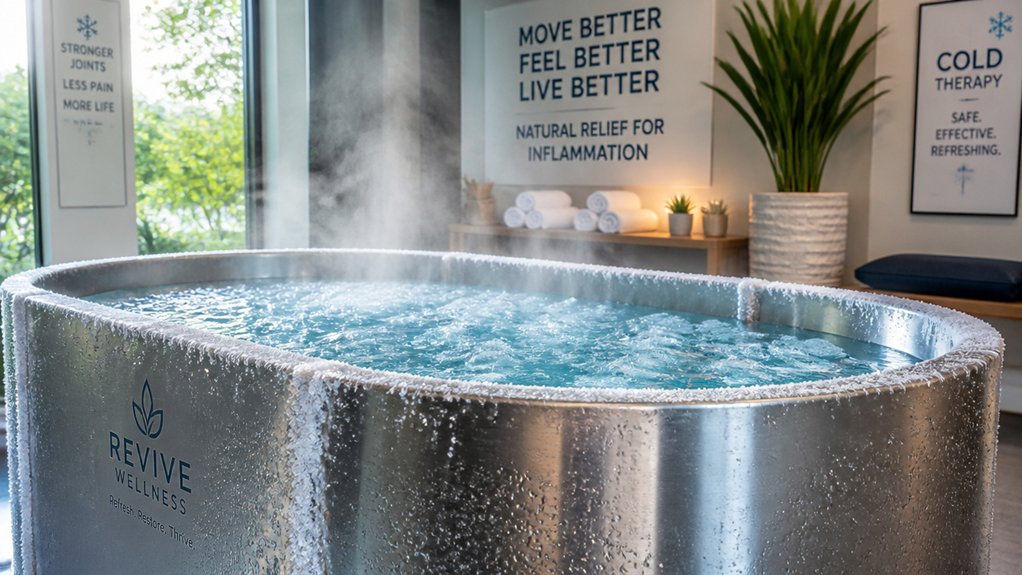
How exactly do cold plunges help reduce inflammation in seniors? When you immerse yourself in cold water, your blood vessels constrict, which reduces blood flow to swollen or injured areas.
Cold plunges constrict blood vessels, reducing blood flow and swelling in injured or inflamed areas.
This constriction limits inflammation and pain relief by decreasing the release of inflammatory chemicals like cytokines. Cold therapy also slows down metabolic processes, helping control swelling caused by common health conditions such as arthritis.
Short exposure to cold activates your body’s natural anti-inflammatory pathways, providing a non-drug way to manage discomfort. Importantly, these benefits come without the systemic risks linked to medications like NSAIDs.
To stay safe, you should limit your cold plunge duration and allow your body to adapt gradually, preventing adverse effects like hypothermia or cardiovascular strain during inflammation management.
How to Start Cold Water Therapy Safely as a Senior
Starting cold water therapy safely as a senior involves taking careful, gradual steps to minimize shock and avoid health risks. Begin by exposing your skin to cool water for just 1-2 minutes, avoiding extremely cold water or ice baths initially, as your body has a reduced ability to regulate temperature. Incorporate water treatment solutions to help maintain water safety and quality during your sessions. Always perform therapy in a safe environment, sitting or supported, to reduce fall risk from cold-induced muscle stiffness or dizziness. If you have high blood pressure, circulation issues, or heart conditions, it’s important to consult your primary care provider beforehand. Monitoring how your body responds during and after treatment is essential—stop immediately if you experience numbness, pain, or weakness. Remember, understanding your blood pressure and health status is an important part of starting safely.
What Are the Safety Risks of Cold Water Immersion for Older Adults?
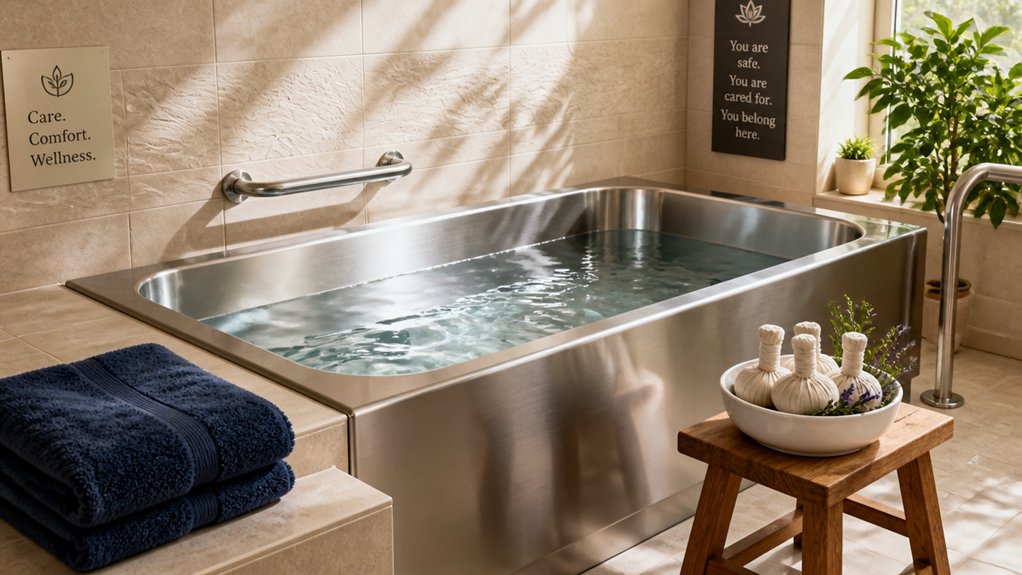
Cold water immersion can pose serious risks for older adults, including hypothermia due to reduced body temperature regulation. It also puts extra stress on the heart, increasing the chance of arrhythmias or even cardiac arrest. Additionally, exiting the water safely can be challenging, raising the fall risk if mobility is impaired. Using properly designed and insulated ice baths can minimize injury risk and enhance safety during recovery.
Hypothermia Risk Increase
Older adults face a markedly increased risk of hypothermia during cold water immersion because their bodies struggle to maintain normal temperature levels. Prolonged exposure is especially dangerous because it can quickly lower your core temperature, leading to serious health problems. To avoid this, it’s an important thing to limit your time in cold water.
You’re also more vulnerable because:
- Reduced muscle mass and slower circulation impair heat generation and distribution
- Symptoms like fatigue, shivering, and confusion may be subtle and mistaken for other issues
- Cold water immersion can cause serious complications like cardiac problems and loss of consciousness
- Implementing effective thermal insulation measures can help maintain body warmth and reduce risk.
Understanding these risks helps you protect yourself. Never underestimate how quickly hypothermia can develop, especially during a long time spent immersed in cold water. Prevention is key for your safety.
Heart Stress Concerns
Immersing in cold water can cause your blood vessels to tighten quickly and your heart rate to spike, putting extra strain on the cardiovascular system. Keep in mind, a lot of people feel a sudden rush of stress, which can be dangerous for older adults.
For seniors over 60 with existing heart issues or high blood pressure, cold immersion poses real risks, such as heart attack or arrhythmias. The body’s natural cold shock response may elevate blood pressure and strain the heart, leading to chest pain or cardiac events.
It’s a little bit risky, especially if you have underlying cardiovascular concerns. Research shows sudden cold exposure can affect heart rhythm and reduce blood flow to the heart, so always consult your healthcare provider before trying cold water therapies.
Exit Safety Challenges
Because sudden exposure to cold water can sharply lower blood pressure and cause irregular heart rhythms, older adults face significant safety risks when attempting cold water immersion. The shock can lead to fainting or cardiac events, especially if you have preexisting health issues. Your reduced ability to regulate body temperature makes you more vulnerable to hypothermia. Additionally, certain models of cold plunge tubs feature temperature control options that can help minimize these risks by maintaining a safer water temperature.
Furthermore, cold water immersion can worsen circulation problems or peripheral vascular disease, risking tissue damage and delayed recovery. The initial plunge may trigger a gasp reflex, increasing the risk of aspiration or drowning if balance or coordination is impaired.
Always consult your healthcare provider before trying cold water therapy. Be alert for these risks:
- Sudden drops in blood pressure causing fainting or heart rhythm issues
- Increased risk of hypothermia due to temperature regulation challenges
- Exacerbation of circulation problems or peripheral vascular disease
How to Monitor Your Health During Cold Plunges
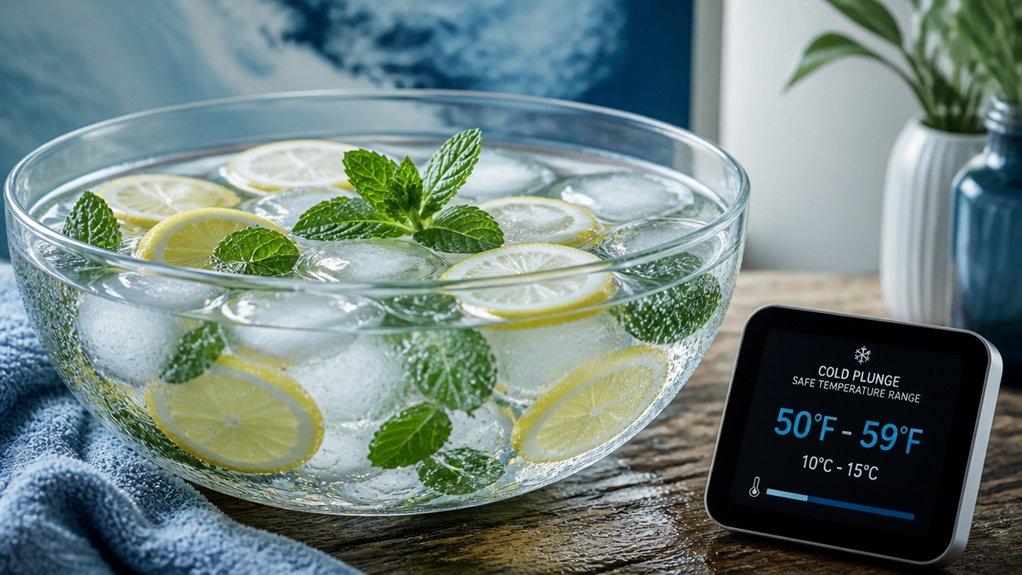
As you begin cold plunges, pay close attention to how you feel and watch for symptoms like shivering, dizziness, or numbness.
Keep an eye on your heart rate and blood pressure before, during, and after each session to spot any unusual changes.
Remember to limit your time in the water and don’t overdo it, especially when starting out or increasing frequency.
Monitoring measurement parameters such as SpO2 and pulse rate with a reliable blood oxygen monitor can help ensure your safety during ice baths.
Watch for Cold-Induced Symptoms
Monitoring your body’s response during cold plunges is essential, especially since certain symptoms can indicate that you’re overstressing or harming yourself. Keep an eye out for signs like increased joint stiffness or pain, which may mean cold exposure temporarily worsens symptoms.
Watch for cold stress symptoms such as numbness, shivering, or skin discoloration, as these indicate potential harm from cold water immersion.
If you have cardiovascular issues, be extra cautious, since cold plunges can constrict blood vessels and raise blood pressure, increasing the risk of heart events. Limit your sessions to prevent hypothermia or kidney stress.
Always consult your healthcare provider beforehand to guarantee safety based on your health status and to learn how to identify adverse symptoms early.
For precise measurement of water temperature during cold plunges, using a reliable infrared thermometer can help ensure the water is within safe limits and prevent overexposure.
Monitor Heart Rate Changes
Keeping an eye on your heart rate during cold plunges is essential to guarantee safety. Use a wearable monitor or fitness tracker to track your heart rate before, during, and after immersion. Sudden drops or spikes may signal stress or abnormal rhythms like bradycardia or arrhythmias, requiring immediate activity cessation. If you have pre-existing heart conditions or hypertension, consult your healthcare provider for safe limits. Regular monitoring helps you adapt gradually to cold exposure, reducing risks linked to inflammation therapy. Additionally, understanding how sensor accuracy under cold stress can impact your readings is crucial for accurate health assessment.
| Heart Rate Change | Possible Cause |
|---|---|
| Sudden increase | Excessive cardiovascular stress |
| Sudden decrease | Bradycardia or abnormal heart rhythm |
| Gradual change | Normal adaptation to cold |
| No change | Stable heart response |
| Erratic spikes | Potential arrhythmia, emergency caution needed |
Limit Duration and Frequency
To protect your health during cold plunges, it’s important to limit each session to under 15 minutes, especially for seniors. Prolonged exposure can put unnecessary stress on your cardiovascular and kidney systems. Keep a close eye on your essential signs before and after each plunge, including blood pressure and heart rate, since sudden temperature changes can cause fluctuations. To minimize risks, follow these guidelines:
- Limit cold plunges to once or twice a week
- Watch for symptoms like dizziness, confusion, or shivering
- Never extend sessions beyond the recommended time
- Ensure your chiller maintains consistent temperatures, as fluctuations can pose health concerns
If you experience any adverse symptoms, stop immediately and consult your healthcare provider. Remember, moderation is key to safely benefiting from cold plunges and managing inflammation.
Signs Cold Water Therapy May Be Unsafe for You
Wondering if cold water therapy is safe for you? If you have cardiovascular issues, it mightn’t be. Sudden blood vessel constriction can increase your heart’s workload, which can be risky.
Those with impaired circulation or peripheral vascular disease should avoid it because cold exposure can worsen blood flow and cause tissue damage.
If you have nerve damage or reduced sensation, you may not feel the cold enough to stop, risking frostbite or skin injury.
Seniors with hypertension need to be cautious, as cold can temporarily raise blood pressure and lead to complications.
If you experience chest pain, dizziness, or severe numbness during the therapy, stop immediately and seek medical advice. Listening to your body is essential to stay safe.
How to Warm Up and Recover After a Cold Plunge
After a cold plunge, start warming up gradually with dry towels and layered clothing to prevent shock.
Incorporate gentle movements or light stretching to boost circulation and ease stiffness, and sip a warm, non-caffeinated beverage to help raise your core temperature.
Gentle Rewarming Techniques
Gently rewarming after a cold plunge is essential to prevent shock and strain on your heart. You should avoid rapid heating methods and instead use gradual techniques.
Layer yourself with warm clothing and add blankets to help your body warm slowly. Drinking warm, not hot, herbal tea can safely raise your core temperature and improve circulation.
Move slowly with light stretching or indoor walking to warm muscles without overstressing.
Proper Rest and Hydration
Proper rest and hydration are essential components of a safe and effective recovery after a cold plunge. To prevent sudden temperature shifts that can stress your heart, warm up gradually with dry, insulating clothing and blankets. Stay hydrated by drinking warm fluids like herbal tea, which help restore fluid balance and combat dehydration caused by cold exposure. Avoid alcohol or caffeine as these can worsen dehydration and hinder warming efforts. Rest allows your body to recover, reduce inflammation, and support your immune system. Light movement or gentle stretching afterward promotes circulation and helps alleviate muscle stiffness.
| Step | Action | Benefit |
|---|---|---|
| Warm-up | Use dry clothes and blankets before moving | Prevents temperature shock |
| Hydrate | Drink warm fluids like herbal tea | Restores hydration and balances fluids |
| Rest & Move | Rest initially, then gentle stretching | Reduces inflammation and improves circulation |
How to Combine Cold Water Therapy With Other Inflammation-Reducing Strategies
Combining cold water therapy with other inflammation-reducing strategies can enhance pain relief and support recovery in seniors.
To do this safely, consider pairing cold water therapy with options like acetaminophen, topical NSAIDs, or non-drug approaches.
- Use cold water therapy alongside acetaminophen (up to 3,000 mg daily if liver issues aren’t present) for effective pain relief without systemic side effects.
- Combine it with topical NSAIDs like diclofenac gel to target localized inflammation while reducing risks linked to oral NSAIDs.
- Integrate cold water therapy with physical therapy or massage to boost inflammation reduction safely.
Always consult your healthcare provider before combining treatments to guarantee safety and avoid interactions, especially with medications.
Should You Consult a Doctor Before Starting Cold Water Therapy?
Is cold water therapy safe for everyone? For seniors, it’s essential to consult a doctor before starting. Cold water causes blood vessels to constrict, which can raise blood pressure or strain your heart.
If you have conditions like hypertension, diabetes, or peripheral artery disease, this may pose risks. A healthcare provider can evaluate your cardiovascular and circulatory health, ensuring cold therapy won’t interfere with medications or worsen chronic issues.
Getting professional guidance helps develop a safe, personalized plan aligned with your health needs. Even if you feel well, consulting a doctor is a vital step to avoid potential complications, especially considering the heart and circulation changes that come with aging.
Prioritizing medical advice helps you enjoy cold water therapy safely.
Tips for Building a Safe and Sustainable Cold Plunge Routine
Starting a cold plunge routine safely involves taking gradual steps to minimize stress on your cardiovascular system. Begin with brief dips under 1-2 minutes, and only increase duration as your body adjusts. Keep water temperatures around 50–59°F (10–15°C) to balance inflammation relief with safety.
Always avoid cold plunges if you have heart issues, uncontrolled hypertension, or fragile health, and consult your healthcare provider first. After each session, use warm towels or clothing to properly warm up and prevent prolonged cold exposure.
To enhance safety and benefits, consider incorporating gentle movement or stretching post-plunge, which improves circulation without overexerting yourself. Remember, moderation and listening to your body are key to building a sustainable, safe routine.
Common Mistakes Seniors Make When Using Cold Water Therapy
While building a safe and sustainable cold plunge routine is important, many seniors make common mistakes that can lead to adverse effects. One mistake is staying in cold water for too long, which can cause skin damage or frostbite due to decreased circulation. Using water that’s too icy or applying ice packs directly to the skin without a barrier increases the risk of nerve injury or burns.
Failing to limit sessions to 15-20 minutes can lead to excessive tissue constriction, worsening pain or inflammation. Many seniors also neglect to watch for numbness or skin color changes, missing early warning signs of harm. Finally, attempting cold therapy without consulting a healthcare provider can overlook contraindications like vascular issues or sensitivity, increasing health risks.
Frequently Asked Questions
What Is the Safest Anti-Inflammatory for Seniors?
You should consider topical NSAIDs like diclofenac gel, as they are the safest anti-inflammatory for seniors, offering effective relief with minimal systemic side effects. Always consult your healthcare provider before starting any new inflammation treatment.
What Are the 12 Everyday Habits to Lower Inflammation?
You can lower inflammation daily by eating fruits and vegetables, exercising regularly, getting enough sleep, avoiding smoking and excess alcohol, managing stress, staying hydrated, maintaining a healthy weight, practicing good hygiene, limiting processed foods, and staying socially active.
How to Reduce Inflammation in Seniors?
To reduce inflammation in seniors, you should prioritize a healthy diet, stay physically active with low-impact exercises, manage stress, and consider safe, non-drug therapies like physical therapy or massage. Always consult your healthcare provider first.
How to Flush Out Inflammation Fast?
To flush out inflammation fast, use topical NSAIDs like diclofenac gel, stay hydrated, eat anti-inflammatory foods, and incorporate gentle therapies like massage or acupuncture. Limit oral NSAIDs and avoid long-term medication without your doctor’s guidance.