To reduce inflammation and recover faster, prioritize quality sleep of 7-9 hours to support tissue repair. Eat anti-inflammatory foods like fatty fish, berries, and leafy greens daily to combat soreness and promote healing. Stay hydrated to improve blood flow, and incorporate active rest to encourage recovery without overexertion. Including anti-inflammatory therapies such as cold treatments or light therapy can further boost your healing process. Keep exploring for more tips to stay at your best.
How Does Inflammation Impact Athletic Performance?
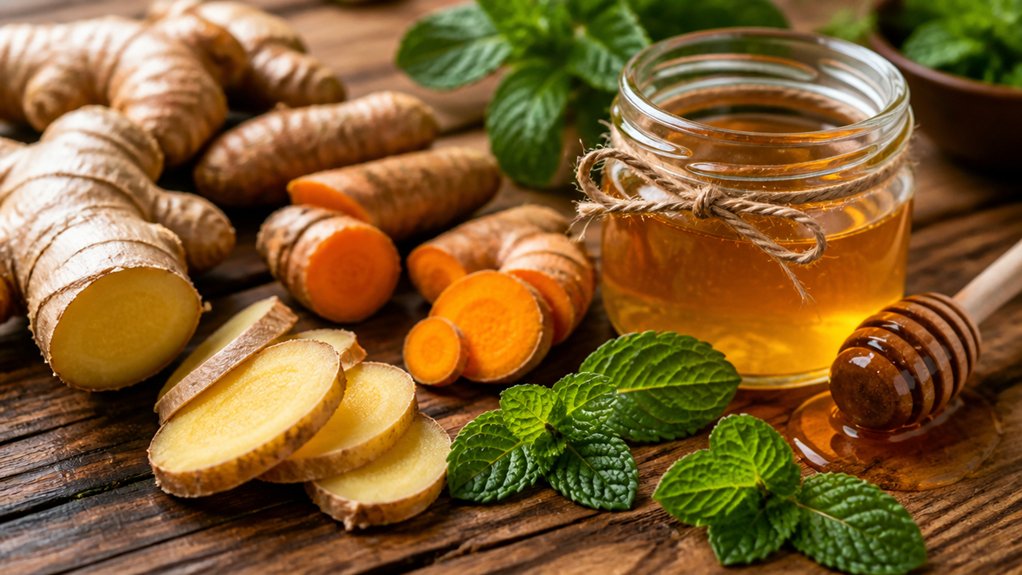
Have you ever wondered how inflammation affects your athletic performance? Inflammation increases CRP levels, which can inhibit muscle recovery and growth, making it harder to bounce back after workouts.
Localized chronic inflammation, like in your knees or ankles, reduces mobility and hampers your ability to perform full-range movements. High inflammation also decreases muscle firing efficiency, leading to less strength and energy during sports.
Persistent pain from inflammation may cause you to avoid movements, increasing injury risk and prolonging recovery time. By reducing inflammation, you can improve muscle recovery and joint function, allowing you to train more effectively.
Incorporating anti-inflammatory foods and techniques to lower inflammation helps minimize muscle damage, reduce muscle soreness, and keep you performing at your best.
What Are the Best Anti-Inflammatory Foods for Athletes?
Wondering which foods can help you fight inflammation and recover faster? Incorporate anti-inflammatory foods like tart cherry juice, which is rich in anthocyanins and vitamin C, to help reduce inflammation and muscle soreness after workouts.
Incorporate anti-inflammatory foods like tart cherry juice to reduce soreness and support quicker recovery after workouts.
Fatty fish such as salmon and mackerel supply omega-3 fatty acids (EPA and DHA) that inhibit inflammatory cytokines, supporting quicker muscle recovery.
Leafy greens like kale and spinach, along with beets and broccoli, contain antioxidants and vitamin C, neutralizing free radicals and soothing inflammation.
Berries and citrus fruits deliver antioxidants, vitamin C, and anthocyanins that help reduce systemic inflammation.
Including these foods in your diet can effectively help reduce muscle soreness and inflammation, boosting overall recovery and performance.
How Can Rest and Stretching Help You Recover Faster?
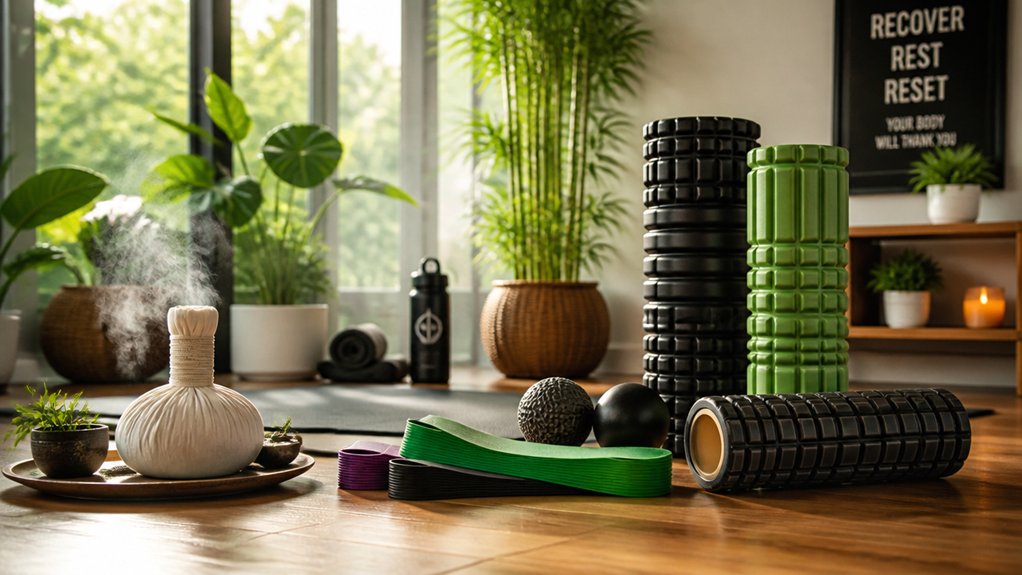
After fueling your body with anti-inflammatory foods to reduce soreness, giving your muscles proper rest and incorporating stretching can further speed up recovery. Rest and recovery allow your body to repair microscopic muscle damage and naturally lower inflammation throughout your system.
Adequate sleep of 7-9 hours supports tissue repair, reduces inflammation, and helps restore stress hormone balance, essential for athlete recovery. Active rest with light activity enhances blood flow, aiding in the removal of metabolic waste and lactic acid, which accelerates inflammation reduction without overstraining your muscles.
Static stretching after workouts helps reduce muscle tension and maintain proper movement patterns, preventing inflammation-related injuries. Stretching also boosts psychological well-being, lowering stress levels and indirectly supporting inflammation control during the recovery process. Incorporating magnesium-based recovery creams post-exercise can also assist in soothing muscles and promoting faster healing.
Which Practical Daily Habits Reduce Inflammation?
What daily habits can you adopt to effectively reduce inflammation and support your recovery as an athlete? Prioritize 7-9 hours of quality sleep to lower CRP levels and support muscle repair. Incorporate anti-inflammatory foods like fatty fish, berries, leafy greens, and tart cherry juice daily to naturally reduce systemic inflammation. Stay hydrated throughout the day to promote blood flow and muscle function. Practice active rest, such as walking or swimming, to encourage recovery without added strain. Manage stress with techniques like yoga or meditation to balance hormones. Limit alcohol, processed sugars, and saturated fats, which prolong inflammation. Utilizing gentle cleansing routines with fragrance-free body washes can help avoid skin irritation post-exposure to cold plunges.
What Advanced Therapies Support Faster Recovery for Athletes?
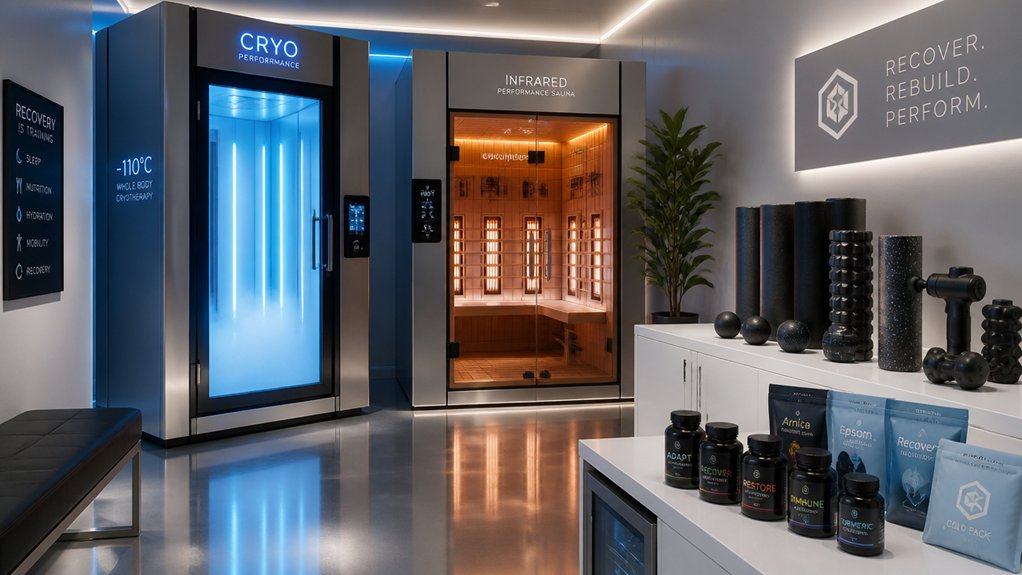
To accelerate recovery beyond daily habits, athletes are turning to advanced therapies that target inflammation and muscle repair more effectively. These recovery methods help reduce muscle soreness and promote faster recovery, allowing you to get back to training sooner. Incorporating red light therapy devices that utilize multispectral wavelengths can further enhance tissue healing and inflammation reduction. Saltwater float tanks help promote recovery by encouraging deep relaxation and reducing muscle and joint tension. Combining these therapies with compression garments and cold treatments can elevate your levels of performance.
Such advanced recovery techniques are essential for optimizing your overall recovery and achieving quicker gains.
Frequently Asked Questions
How to Reduce Inflammation for Athletes?
To reduce inflammation, you should eat anti-inflammatory foods, get enough quality sleep, stay active with light exercises, use recovery therapies like cold exposure, and avoid pro-inflammatory foods. These steps help lower CRP and enhance your recovery.
What Is the 4-2-1 Rule for Athletes?
The 4-2-1 rule for athletes means consuming four parts carbs, two parts protein, and one part fat after intense workouts. It helps reduce inflammation, speed recovery, and supports muscle repair by balancing nutrients effectively.
How to Flush Out Inflammation Fast?
To flush out inflammation fast, you should engage in light activity like walking, take cold baths or cryotherapy, get ample sleep, and consume anti-inflammatory foods like tart cherry juice and omega-3-rich fish to promote blood flow and recovery.
How Do Pro Athletes Recover so Quickly?
Pro athletes recover quickly because they use advanced therapies like cryotherapy, prioritize rest and active recovery, eat anti-inflammatory foods, get enough sleep, and follow personalized routines that combine hydration, physical therapy, and mental health strategies to reduce inflammation effectively.