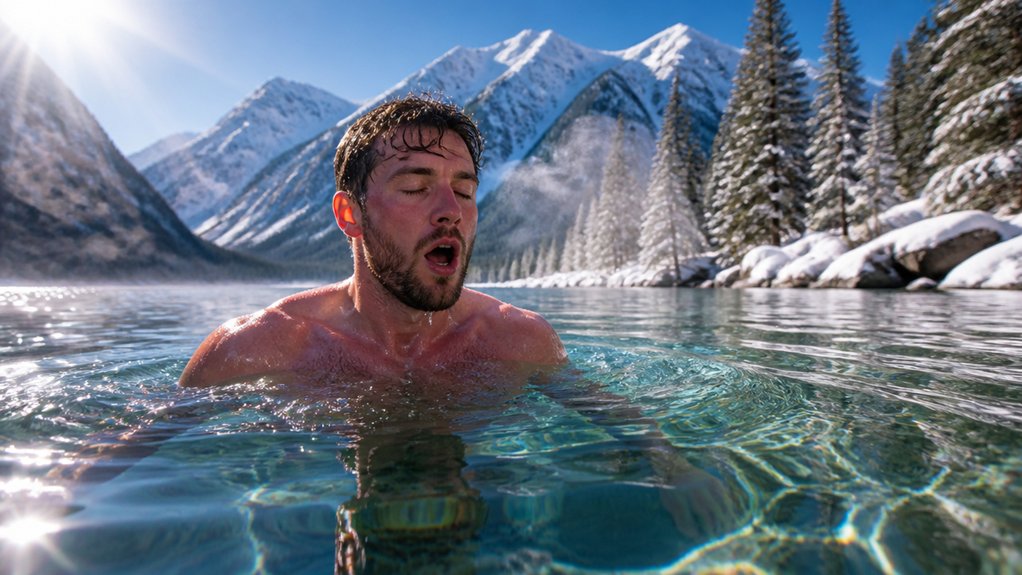
Cold plunges spike norepinephrine, which fires up natural‑killer cells and expands T‑cell numbers, giving you a rapid boost in immune surveillance. The shock also triggers cold‑shock proteins that calm inflammation and ramp up antioxidant enzymes, protecting cells from oxidative damage. Repeating short, controlled immersions trains your sympathetic system, keeping NK activity high and supporting overall immune resilience. Keep breathing steady and stay within safe time limits to maximize benefits, and you’ll discover more about the underlying mechanisms.
Cold Plunge Immune Benefits: Quick Answer

When you plunge into cold water, your body launches a cold‑shock response that floods it with norepinephrine, a hormone that dials down inflammation and curbs pro‑inflammatory cytokines. This surge also kick‑starts the immune system, prompting a rapid rise in white blood cells.
Each cold water immersion session nudges your body to produce more NK cells, T‑ and B‑lymphocytes, sharpening pathogen defense. Antioxidant pathways fire up, boosting glutathione and shielding immune cells from oxidative damage. Sympathetic activation improves lymphatic drainage, sweeping waste and microbes toward elimination.
Over weeks, repeated exposure compounds these effects, translating into fewer sick days and a measurable drop in respiratory infections for regular cold‑plungers.
How Cold‑Shock Triggers the Immune System
When you plunge into cold water, your body floods with norepinephrine, spiking by up to 300 % and instantly nudging immune cells into action. This surge kick‑starts hormesis, reshaping inflammatory pathways and sharpening your immune response.
At the same time, cold‑shock cytokine regulation tempers excess inflammation, helping you maintain a balanced, resilient defense.
Norepinephrine Surge
Cold‑shock instantly fires up your sympathetic nervous system, sending a surge of norepinephrine that can jump 200–300 % above baseline. As you step into the cold plunge, the hormone floods your bloodstream, constricting vessels and kick‑starting thermogenesis.
This rapid norepinephrine release tells your immune system’s cells to shift into high gear, dampening pro‑inflammatory cytokines that could otherwise cause runaway inflammation. It also primes white blood cells, making them more responsive to pathogens and stressors.
The combined effect is a tighter, more balanced immune response that resists excessive inflammation while staying alert. By repeatedly exposing yourself to brief, intense cold, you reinforce this neuro‑immune loop, building lasting resilience against everyday challenges.
Hormesis‑Driven Immune Modulation
The surge of norepinephrine you just felt kick‑starts a hormetic cascade: brief, controlled stress that trains the immune system to become more resilient. In doing so, it also supports airway and mucosal defenses that help deter respiratory pathogens Bluetooth range.
Cold‑Shock Cytokine Regulation
If you plunge into icy water, your body instantly launches a cascade of neuroendocrine signals—norepinephrine spikes 200‑300%, cortisol and adrenaline rise—triggering a rapid shift in cytokine balance. The cold shock surge suppresses pro‑inflammatory cytokines while lifting anti‑inflammatory mediators, so your immune system avoids over‑reacting.
Each exposure nudges hormetic pathways, training cells to downregulate harmful signaling and to respond more efficiently later. You’ll notice a tighter regulation of cytokine activity, because cortisol and adrenaline act as brakes on excess inflammation.
Over weeks, repeated sessions prime the immune system, making it resilient and ready for future challenges without the collateral damage of chronic inflammation.
Norepinephrine’s Effect on Natural Killer Cells
When you plunge into cold water, your norepinephrine spikes, and that surge directly activates your natural killer cells. This stress hormone boosts the cells’ cytotoxicity, making them more efficient at targeting infected or tumor cells. Repeated exposure keeps norepinephrine elevated, leading to higher NK counts and stronger immune surveillance. 3D-printed
Norepinephrine Activates NK Cells
Even a short plunge can spike your norepinephrine by 200‑300%, and that surge directly powers up Natural Killer (NK) cells. The hormone floods your bloodstream, signaling immune cells to awaken and sharpen their attack. Norepinephrine binds to adrenergic receptors on NK cells, boosting their cytotoxic granule release. Sympathetic activation during cold exposure mobilizes NK cells from the spleen into circulation. Elevated norepinephrine improves NK cell metabolic fitness, sustaining rapid response. Daily brief cold exposure trains your immune system, keeping NK cell activity high without chronic stress. Class 1 Bluetooth technology
Stress Hormone Enhances Cytotoxicity
Cold water triggers a surge of norepinephrine—up to 300 % above baseline—that instantly powers up your natural killer (NK) cells. This stress hormone floods your bloodstream, activating cytotoxic cells that hunt infected or malignant targets.
As norepinephrine spikes, your immune system shifts into high gear: NK cells release perforin and granzymes, shredding tumor cells and viruses with pinpoint accuracy. Simultaneously, the hormone dampens inflammatory cytokines, preserving balance while sharpening attack.
Repeated plunges train the sympathetic nervous system to release norepinephrine efficiently, so each exposure builds lasting cytotoxic potency. Over time, you’ll notice faster clearance of pathogens and a stronger defense against abnormal cells, all thanks to this cold‑induced hormonal boost.
Boosting T‑Lymphocyte Function With Repeated Plunges

Because the sympathetic nervous system fires up during each immersion, repeated cold plunges surge norepinephrine levels, which in turn supercharges T‑lymphocyte activity.
Cold immersion spikes norepinephrine, supercharging T‑lymphocyte activity and boosting adaptive immunity.
You’ll notice that daily exposure to cold water expands CD3, CD4, and CD8 populations, sharpening your adaptive immune response.
Six‑week protocols at 14 °C for an hour a day boost both T‑ and B‑cell activation, making your body more resilient against intracellular pathogens.
Pairing the plunge with controlled breathing and meditation lets you consciously steer immune outcomes, amplifying the T‑lymphocyte surge.
- Norepinephrine spike drives T‑cell activation
- CD3/CD4/CD8 growth strengthens cellular immunity
- Six‑week regimen yields measurable infection resistance
- Mindful breathing fine‑tunes immune modulation
Cold‑Shock Proteins: How They Calm Inflammation
When you plunge into icy water, your cells release cold‑shock proteins that act like molecular chaperones, guiding misfolded proteins back into shape and dialing down inflammatory pathways. These proteins immediately bind to NF‑κB, tempering its activity and curbing excessive inflammation.
They also fine‑tune p53 and TGF‑β signaling, protecting DNA and preventing fibrotic scarring. By stabilizing protein folding, cold shock proteins keep immune cells from overreacting, so your immune cell response stays balanced rather than destructive.
Regular exposure strengthens this anti‑inflammatory network, helping you manage chronic conditions such as asthma, autoimmune disorders, and even cancer. In short, the surge of cold shock proteins after each plunge recalibrates inflammation, supporting a healthier immune system.
Antioxidant Enzyme Increases From Cold Exposure

When you step into cold water, your body ramps up antioxidant enzyme activity, especially glutathione and superoxide dismutase, to counteract the sudden oxidative stress.
This surge mitigates free‑radical damage and strengthens cellular defenses, making your immune cells more resilient. Over time, the repeated hormetic response builds a robust antioxidant system that supports overall health.
Zymezyme Activity Elevation
If you regularly dip into cold water, your body ramps up reduced glutathione and other antioxidant enzymes, turning an initial burst of oxidative stress into a protective hormetic response. This surge in antioxidant enzyme activity fuels immune health by shielding cells from free‑radical damage and sharpening the response of white blood cells.
Cold exposure also triggers cold‑shock proteins that fine‑tune inflammation and keep your defenses ready for the next challenge.
- Elevated glutathione detoxifies harmful oxidants
- Superoxide dismutase neutralizes superoxide radicals
- Catalase breaks down hydrogen peroxide efficiently
- Glutathione peroxidase repairs lipid peroxides
Together, these enzymes boost your immune resilience, making routine plunges a simple, powerful habit for long‑term health.
Oxidative Stress Mitigation
Your body’s surge of antioxidant enzymes after a cold plunge isn’t just a fleeting reaction—it’s a strategic boost that curbs oxidative stress. You’ll notice reduced glutathione and superoxide dismutase rise, neutralizing free radicals and shielding cells. Each cold immersion triggers a mild oxidative challenge, prompting a hormetic response that up‑regulates these antioxidant defenses. Over time, the elevated antioxidant capacity lowers cellular damage, supports detoxification, and sharpens immune cell function.
| Enzyme | Primary Role |
|---|---|
| Glutathione (reduced) | Scavenges reactive oxygen species |
| Superoxide Dismutase | Converts superoxide radicals to hydrogen peroxide |
| Catalase | Breaks down hydrogen peroxide into water and oxygen |
| Cold Shock Proteins | Modulate inflammation and protect against oxidative injury |
Cellular Defense Enhancement
Because a cold plunge creates a brief oxidative challenge, your cells quickly fire up antioxidant enzymes—especially reduced glutathione and superoxide dismutase—to neutralize the surge of free radicals. The hormetic stress from cold water spikes your antioxidant enzyme production, bolstering cellular defense and sharpening immune function. Heat‑shock proteins also rise, curbing inflammation while lymphatic pumping clears waste and microbes, further reinforcing protection.
- Reduced glutathione levels surge, scavenging harmful radicals.
- Superoxide dismutase activity climbs, shielding immune cells from oxidative damage.
- Heat‑shock proteins reduce inflammation and preserve protein integrity.
- Lymphatic flow improves, accelerating waste removal and microbial clearance.
These coordinated responses turn each dip into a potent boost for cellular resilience and overall immune health. GO
Brown Fat’s Role in Immune Support and Metabolism
When you plunge into cold water, your body revs up brown adipose tissue, the “good” fat that burns calories to generate heat. This activation spikes your metabolic rate, fuels thermogenesis, and releases adipokines that temper inflammation. The resulting surge in circulation delivers oxygen‑rich blood to immune cells, sharpening their response. In short, brown fat acts like a metabolic‑immune bridge, turning cold stress into a boost for both energy expenditure and immune system regulation. Additionally, activation of brown fat can influence systemic metabolic signaling pathways that support immune resilience during cold exposure a 1-4 word phrase.
Why Short, Controlled Immersions Are Safer Than Long Baths
Cold‑induced activation of brown fat already shows how brief exposure can spark metabolic and immune benefits, but staying in the water too long flips the switch from helpful stress to dangerous hypothermia.
When you limit a plunge to a short, controlled window—usually 2‑5 minutes—you stay within the sweet spot where cold shock triggers norepinephrine release without overtaxing your heart or lungs. This measured exposure lets your body acclimate gradually, keeping immune signaling strong while avoiding dizziness, chest pain, or irregular breathing.
A brief 2‑5‑minute plunge triggers norepinephrine without overtaxing heart or lungs, preserving immune signaling.
- 2‑5 minute limit prevents dangerous core‑temperature drop
- 55‑69 °F range balances shock and safety
- Controlled timing reduces risk of severe cold shock
- Short sessions support hormesis‑driven immune modulation without overexposure
Managing Breathing and Heart Rate for Maximum Immune Gain
If you control your breath and keep your heart rate steady during a plunge, you tame the initial shock and let the immune‑boosting hormones work without overtaxing your body. Slow, deep breathing calms the cold shock, steadies oxygen flow, and prevents a frantic heart‑rate spike. By monitoring breathing and heart rate, you spot dizziness early and exit before stress overwhelms you. This balance sustains norepinephrine release, boosts immune cell activity, and enhances lymphatic drainage for cleaner detox.
During immersion, integrate a cautious approach with a reliable attachment method and stable power considerations to maximize performance and safety while maintaining a smooth breathing rhythm. External power 20W+ support can help sustain device functionality without interrupting your breathing cadence or causing unnecessary movement that might disrupt the flow of the session.
Optimal Immersion Times to Build Tolerance Safely
Starting with just a few minutes in the water—no more than five for the first two sessions—lets your body adapt without risking hypothermia.
In Cold Plunging, you’ll notice that ideal immersion times hinge on gradual progression, not brute force. Begin with 2‑5 minutes at 50‑59 °F (10‑15 °C), then add 30‑seconds to a minute each week as comfort grows.
Rest at room temperature between sessions, monitor breathing, and exit if dizziness or chest pain appear. This measured exposure to cold water builds tolerance safely and primes your immune system.
- Start with 2‑5 minutes for the first two plunges.
- Keep water temperature between 50‑59 °F.
- Increase duration slowly, 30‑seconds per week.
- Take room‑temperature breaks and watch your body’s signals.
Post‑Plunge Warming Strategies That Preserve Immune Gains
After you finish your immersion, shift focus to a gentle re‑warming routine that protects the immune boost you just earned. Begin with a soft blanket or a warm sweater, letting your body temperature rise slowly.
Stand near a heat source, but keep the distance such that the warmth is mild, avoiding a sudden shock that could stress the immune system. Sip a warm tea or broth; the liquid raises core temperature without overwhelming physiological adaptations.
This post‑plunge warming supports lymphatic drainage and improves circulation, helping immune cells travel efficiently. By staying gradual, you prevent hypothermia, preserve antioxidant activation, and lock in the hormetic benefits your cold plunge delivered. Safe rewarming techniques help minimize thermal stress while reinforcing the benefits, and mindful pacing ensures you remain within a comfortable recovery window.
Who Should Avoid Cold Plunges for Immune Health?
Even if you’re keen to reap the immune boost, certain groups should steer clear of cold plunges. You need to evaluate how cold immersion could stress your heart rate and blood pressure, especially if you have underlying conditions.
- Heart disease, high blood pressure, or thyroid disorders – the shock can trigger dangerous spikes in heart rate and blood flow.
- Medications that affect heart rate or blood pressure – you must get a doctor’s OK before any cold exposure.
- Older adults, immunocompromised individuals, or those with nerve damage – their bodies often can’t handle the rapid cold stress.
- Cold urticaria or Raynaud’s phenomenon – cold water immersion can cause severe allergic or circulatory reactions.
If you feel chest pain, dizziness, or color changes in your extremities, stop immediately and avoid further plunges.
Frequently Asked Questions
What Are 5 Signs of a Strong Immune System?
You’ll notice rapid wound healing, rarely catching colds, quick recovery from illnesses, steady energy without fatigue, and balanced blood work showing ideal white‑cell counts and active natural‑killer cells.
What Is the 1 10 1 Rule in Cold Water?
You follow the 1‑10‑1 rule by starting with a one‑minute cold immersion, gradually extending to ten minutes, then limiting sessions to once daily, ensuring safe acclimation and avoiding hypothermia.
Is There a Downside to Using Ice Baths Daily?
Yes, daily ice baths can lower your core temperature too much, raise hypothermia risk, stress your heart, and suppress inflammation needed for healing, so moderation and medical guidance are essential.
What Happens After 30 Days of Ice Baths?
After 30 days of ice baths you’ll see higher T‑ and B‑cell counts, boosted NK activity, elevated IL‑6 and norepinephrine, stronger antioxidant defenses, and improved lymphatic flow, all sharpening your immune response.
In Summary
By embracing regular cold plunges, you’ll spark a natural immune boost: the shock spikes norepinephrine, awakens killer cells, and trains T‑lymphocytes, while cold‑shock proteins dial down inflammation. Keep sessions short, control your breath, and warm up smartly to lock in gains. Stick to the routine, stay consistent, and you’ll reinforce your body’s defenses—just remember to skip it if you have cardiovascular issues or severe cold‑sensitivity.