Cold acclimation involves repeated, controlled sessions over days or weeks, gradually increasing duration and intensity to trigger lasting physiological changes like increased brown fat activity and metabolic improvements. Cold exposure, on the other hand, refers to single or short-term contacts with cold aimed at immediate benefits like mood enhancement or inflammation reduction without long-term adaptation. Understanding these differences helps you optimize safety and results—continue exploring for detailed protocols and strategies.
What Are Cold Acclimation and Cold Exposure?

Have you ever wondered what differentiates cold acclimation from simple cold exposure? Cold acclimation involves repeated, controlled cold exposure that triggers physiological adaptations, while cold exposure alone is just being in a cold environment without change.
During cold acclimation, your body undergoes metabolic responses like increased brown adipose tissue activity and a higher metabolic rate, improving thermoregulation over time. These adaptations happen through consistent sessions, usually at temperatures around 10–15°C for 1–2 hours over days or weeks. Additionally, special cold-weather-optimized batteries and build materials help maintain device performance during prolonged exposure.
In contrast, isolated cold exposure can cause immediate neuroendocrine and immune responses but doesn’t develop lasting changes. The key difference is that cold acclimation requires a gradual, regular process to produce long-term benefits, unlike the one-time effects of simple cold exposure.
How Does Cold Acclimation Help Your Body Adapt?
Ever wondered how your body adjusts to cold over time? Cold acclimation boosts your metabolic rate by activating brown adipose tissue (BAT), increasing non-shivering thermogenesis to keep your core temperature stable.
As you adapt, your sympathetic nervous system becomes more efficient, leading to improved cardiovascular responses and a lower heart rate during cold exposure. Cellular changes occur too, like adjustments in membrane fluidity and enzyme activities, helping your cells survive and function better in the cold.
Cold acclimation also prompts mitochondrial biogenesis in skeletal muscles, enhancing your endurance and energy use. Over time, these adaptations work together to make you more resilient to cold environments, supporting systemic health and energy management while reducing stress on your body during cold exposure. Adaptogen blends can further support your stress response and recovery during these processes.
What Immediate Responses Do Cold Exposure Sessions Cause?
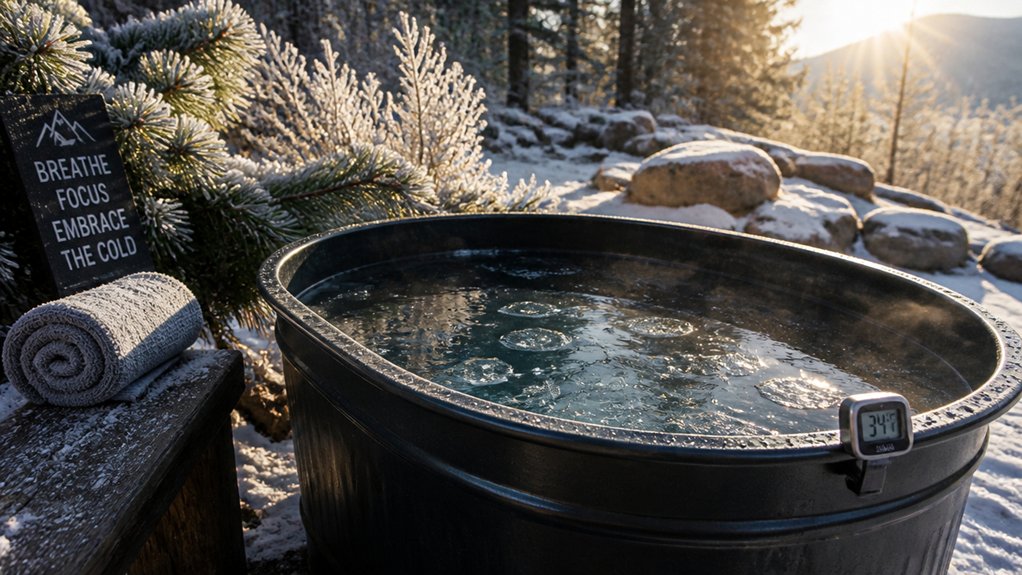
When you start cold exposure sessions, your body triggers the cold shock response, which increases your heart rate and tightens blood vessels. This vasoconstriction helps conserve heat by redirecting blood flow away from your skin and extremities. A sudden drop in temperature also stimulates insulation features, prompting your body to adapt to maintain core warmth. These immediate reactions set off a cascade of neuroendocrine and metabolic changes essential for adaptation.
Cold Shock Response
Exposure to cold water triggers immediate physiological reactions known as the cold shock response, which occurs within seconds of immersion. You experience a rapid activation of your sympathetic nervous system, leading to a spike in heart rate and blood pressure.
Hyperventilation kicks in as your respiratory rate accelerates, often causing the “gasp reflex.” These responses are part of your body’s neuroendocrine stress system, releasing hormones like cortisol and adrenocorticotropic hormone to manage the sudden change.
While designed to protect you, this response also increases the risk of hyperventilation-related dangers, including drowning if uncontrolled. The cold shock response is an automatic, protective mechanism that quickly prepares your body for cold exposure but requires awareness to prevent potential hazards.
Vasoconstriction Activation
Cold water immersion immediately activates vasoconstriction, a response that minimizes heat loss by reducing blood flow to the skin.
During cold exposure, your sympathetic nervous system triggers smooth muscle contraction in peripheral blood vessels, causing vasoconstriction within minutes. This rapid narrowing of the vessels limits blood flow to the skin, helping retain core temperature. The intensity of vasoconstriction varies depending on exposure duration and temperature, typically peaking within the first 10-15 minutes at 10–15°C.
Repeated cold exposures enhance this vasoconstriction response, improving your ability to manage cold stress through neurovascular adaptation. Immediate vasoconstriction also decreases skin blood flow and temperature, serving as a key physiological signal that initiates further metabolic and thermogenic responses essential for cold tolerance.
How Long Do Cold Adaptation Benefits Last?
How long do the benefits of cold adaptation last? Cold acclimation can offer benefits like increased metabolic rate and BAT activity that persist for days to weeks without ongoing exposure. A consistent treatment approach with water treatment solutions can help sustain water quality and skin health, indirectly supporting the continuation of cold adaptation benefits. The adaptation duration depends on factors such as your baseline fitness, exposure intensity, and how often you expose yourself to the cold. Regular, spaced exposure helps maintain physiological responses, while infrequent exposure leads to a gradual loss of benefits—similar to heat acclimation decay timelines. If you take a break from cold exposure, significant loss of adaptation can happen quickly, necessitating rapid reacclimation. Individuals who remain consistent tend to retain benefits longer, whereas irregular exposure results in quicker attenuation of metabolic and immunologic gains.
How to Do Cold Acclimation and Exposure Safely
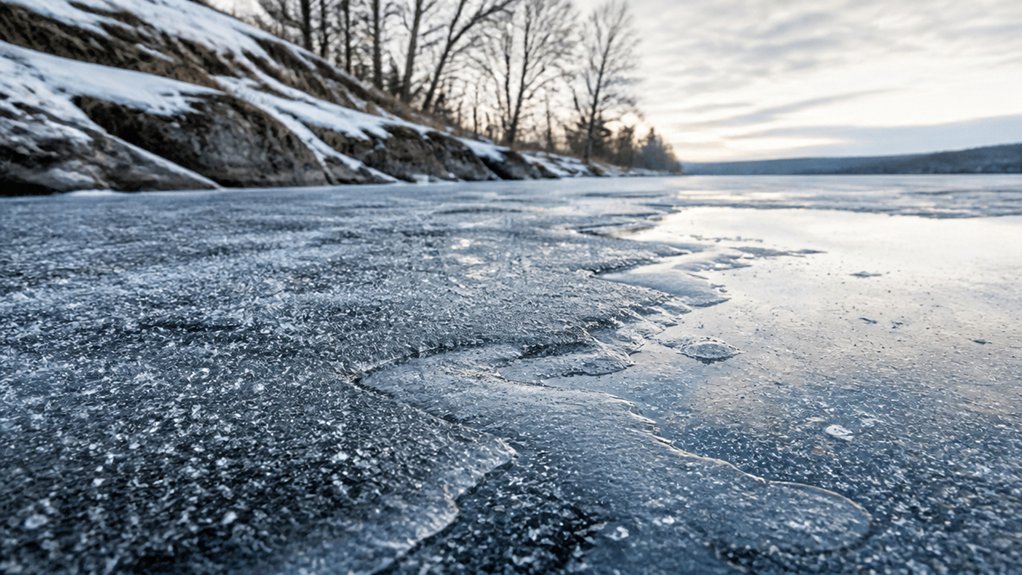
To do cold acclimation safely, start by gradually increasing your exposure time over 7 to 14 days, keeping sessions moderate and comfortable. Pay close attention to how your body responds, and stop if you experience symptoms like dizziness or numbness. Use appropriate clothing and consider psychological strategies to support your resilience during the process. Incorporating insulation efficiency techniques can help maintain a consistent temperature and make the process safer and more effective.
Proper Cold Exposure Techniques
Wondering how to incorporate cold exposure safely into your routine? Focus on proper techniques for safe acclimation. First, start with brief sessions at temperatures around 10–15°C, lasting 1–2 hours. Second, increase exposure gradually over days or weeks, allowing your body to adapt physiologically. Third, monitor responses like heart rate, shivering, or discomfort to avoid overexposure. Fourth, seek social support and boost psychological resilience to enhance emotional adaptation and safety. Incorporating appropriate temperature control options can help maintain consistent and safe cold exposure sessions.
Monitoring Body Responses Carefully
Monitoring your body’s responses during cold acclimation is essential to ensuring safety and effectiveness. Track your core temperature continuously to prevent hypothermia, aiming for a mild cold stress—like exposure at 10–15°C for 1–2 hours—without dropping to unsafe levels. Watch for early signs such as shivering, numbness, dizziness, or cognitive impairment, and stop exposure accordingly. Use your heart rate and subjective feelings of cold discomfort or thermal sensation to gauge tolerance and adjust time or intensity. Gradually increase exposure duration over 7–14 days to support physiological adaptation safely. A controlled environment with medical oversight helps you respond promptly. Incorporating accurate thermometers ensures real-time monitoring of water temperature, essential for maintaining safe exposure levels.
Practical Examples: Cold Plunges, Ice Baths, and Cold Showers
Practical cold exposure methods vary in intensity, duration, and accessibility, making it easy to find a routine that fits your goals and lifestyle.
- Cold plunges immerse you in water at 10-15°C for 1-2 hours, promoting metabolic boosting and brown fat activation.
- Ice baths involve 10-20 minutes in near-freezing water (~0-5°C), mainly aiding recovery and reducing muscle inflammation.
- Cold showers are quick, passive methods, typically lasting 2-5 minutes, and support immune function and psychological resilience.
- These methods differ in intensity: cold plunges and ice baths deliver rapid thermal shocks inducing physiological adaptations, while cold showers provide milder, daily stimuli.
- The temperature control features available in high-quality acrylic tubs, like LCD touchscreens and insulation, help optimize your cold exposure experience temperature regulation.
Engaging regularly with cold exposure encourages thermogenesis, mitochondrial growth, and immune modulation, aligning with your recovery and adaptation goals.
When and Why Should You Use Cold Acclimation vs. Cold Exposure?
You should choose cold acclimation when your goal is sustained physiological and mental benefits, like boosting metabolism, immunity, or resilience, over weeks.
Cold exposure might suit quick mood lifts or reducing inflammation but doesn’t lead to lasting changes.
Understanding when and why to use each approach helps you optimize your results based on your specific objectives.
Timing of Protocols
Timing is crucial when deciding between cold acclimation and cold exposure protocols, as each serves different purposes depending on when they’re implemented. Consider these points:
- Use cold acclimation 1–2 weeks before cold stress to develop adaptations like increased brown fat activity and improved thermogenesis for lasting tolerance.
- Regular, passive heat acclimation with daily heat exposures helps build resilience, just as consistent cold exposure fosters psychological and immune benefits.
- Single cold exposure sessions are mainly for acute effects, not long-term adaptations; they’re best suited for immediate therapeutic or experimental needs.
- Cold acclimation involves repeated, controlled exposures, which generate specific adaptations, unlike sporadic cold events that only transiently impact your body.
Timing your protocols guarantees you target the right responses for your goals.
Purpose of Adaptation
Understanding the purpose behind cold protocols helps determine whether to pursue acclimation or simple exposure. Cold acclimation aims to induce physiological adaptations, such as improved cold tolerance, enhanced metabolic rate, and increased brown adipose tissue activity, through repeated exposure over days or weeks. This structured approach is akin to heat acclimation and passive heat exposure, both designed to build resilience gradually.
You should use cold acclimation when your goal is sustained improvements in cold endurance and recovery ability, especially for athletes or workers exposed regularly to cold environments. In contrast, cold exposure without an organized protocol provides temporary benefits like mood boosts or immune system activation. It’s ideal for quick, short-term effects rather than long-lasting adaptations that require consistent, controlled repetitions.
Practical Implementation
Deciding between implementing cold acclimation protocols or opting for simple cold exposure depends on your specific goals and context.
Cold acclimation involves systematic exposure sessions, typically 1–2 hours at 10–15°C, over days or weeks, promoting lasting physiological adaptations. Use it when you want sustained metabolic benefits, such as enhanced thermogenesis or increased brown adipose tissue activity, especially in your training program or in response to environmental conditions.
Cold exposure, on the other hand, is ideal for immediate effects like mood boosts or inflammation reduction, without long-term adaptation.
Consider these points:
- Cold acclimation requires gradual progression and consistent dosing.
- It benefits long-term metabolic health and cold tolerance.
- Cold exposure provides quick responses without adaptation.
- Choose your approach based on whether you seek systematic physiological remodeling or short-term relief.
Tips for Starting Cold Training and Maximizing Results
Ever wondered how to start cold training effectively? Begin with brief cold exposure sessions—just 1-2 hours at 10-15°C—to allow your body to adapt metabolically and psychologically without overwhelming stress.
Incorporate moderate cold exposures several times a week to stimulate thermogenesis through brown adipose tissue activity, boosting your metabolic health. Focus on building psychological resilience by staying committed and seeking social support when needed, especially during initial phases.
Monitor how your body responds, ensuring you avoid prolonged or extreme cold, which can weaken your immune response or cause emotional distress. For best results, combine cold exposure with light therapy or mild exercise.
Consistency and moderation are key to maximizing benefits while safeguarding your well-being during the acclimation process.
Risks and Precautions for Cold Exposure and Acclimation
While cold exposure offers notable benefits, it also carries potential risks if not approached carefully. You must understand the risks related to cold acclimation and follow proper progression protocols.
Cold exposure has benefits but must be approached gradually to avoid health and psychological risks.
Here are key concerns:
- Excessive or prolonged exposure can trigger immune suppression by activating the cortisol-myeloid-derived suppressor cell axis, increasing infection risk.
- Psychological risks include mood disturbances such as depression, anxiety, and irritability, requiring close monitoring.
- Sudden cold exposure causes sympathetic activation and elevated heart rate, especially risky for those with cardiovascular issues.
- Improper progression, like jumping into cold conditions too quickly, can result in hypothermia and immune dysfunction.
To stay safe, prioritize gradual exposure, hydration, and recovery, and seek medical clearance if you have health conditions.
How to Maintain Cold Adaptations Over Time
To maintain cold adaptations over time, consistency is key; regular cold exposure sessions help sustain the metabolic and immune benefits achieved through initial acclimation. To keep these adaptations, you should engage in 1–2 hour cold exposure (10–15°C) every 3 to 4 days. Interruptions longer than a week may weaken benefits, but reacclimation happens within days of resuming. Consistent, moderate cold exposure preserves brown adipose tissue activity and metabolic rate. Stay avoid excessive cold stress while remaining steady. Psychological resilience and social support also help maintain your immune responses and adherence. Below is a table summarizing key points:
| Frequency | Duration | Intensity |
|---|---|---|
| Every 3-4 days | 1–2 hours | 10–15°C |
Final Tips for Safer, More Effective Cold Training
Implementing final safety tips can help you optimize your cold training while minimizing risks. To do so:
- Gradually increase cold exposure duration over 7-14 days, starting with 10-15 minute sessions at 10–15°C to develop safe acclimation adaptations.
- Prioritize building psychological resilience and seek social support to prevent mood disturbances like anxiety during initial phases.
- Avoid excessive or prolonged cold exposure to prevent immune suppression caused by cortisol-related pathways, while maintaining beneficial inflammatory responses.
- Incorporate recovery strategies, such as moderate cold exposure combined with light therapy, to boost metabolic health, activate brown adipose tissue, and support mental well-being.
Following these tips guarantees safer, more effective cold training, enhancing benefits while reducing stress and health risks.
Frequently Asked Questions
What Is the 20 Rule for Acclimatization?
The 20 rule for acclimatization means you increase heat exposure by no more than 20% daily, starting with 20% of full exposure for new workers, to safely build heat tolerance and prevent heat-related illnesses.
What Is the Difference Between Acclimation and Acclimatisation?
You differentiate acclimation and acclimatisation by understanding that acclimation involves controlled, artificial exposure with standardized protocols for specific adaptations, while acclimatisation occurs naturally through gradual environmental exposure over time, influenced by real-world conditions.
What Are Examples of Acclimation?
You experience acclimation through activities like daily heat cycling, sauna sessions, or cold exposure over days or weeks, gradually adapting your body’s responses to environmental stressors to improve tolerance, performance, and safety in extreme conditions.
What Is the Heat Acclimation Protocol?
You conduct 10 to 14 daily 60–90 minute sessions in 30–35°C, combining light exercise with passive heat exposure, while maintaining proper hydration. Consistent training over days builds strong heat adaptations you can sustain with periodic maintenance.