
Author: Freeze And Thrive

-
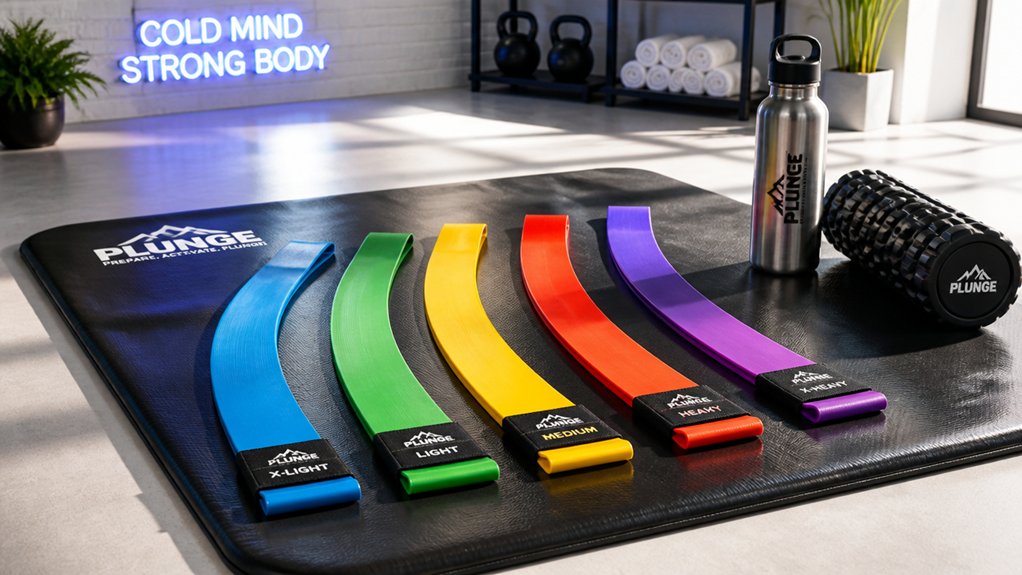
5 Quick Pre-Plunge Activation Moves
Keen to maximize your cold plunge benefits? Discover five quick moves that will prepare your body and enhance your experience.
-
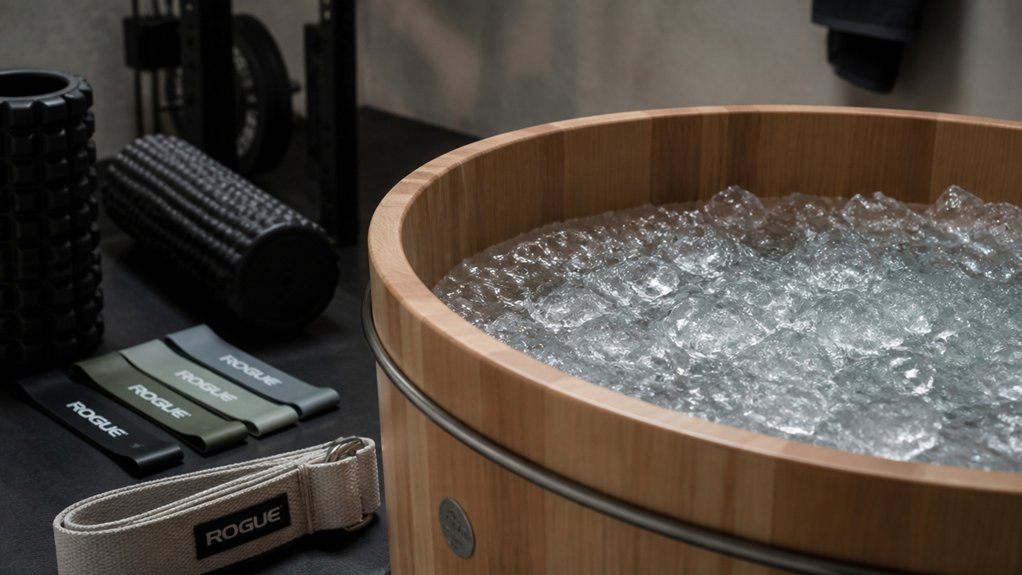
Pre-Plunge Mobility Routines for Ice Baths
Incorporating effective pre-plunge mobility routines can enhance your ice bath experience and maximize recovery—here’s how to prepare safely and effectively.
-
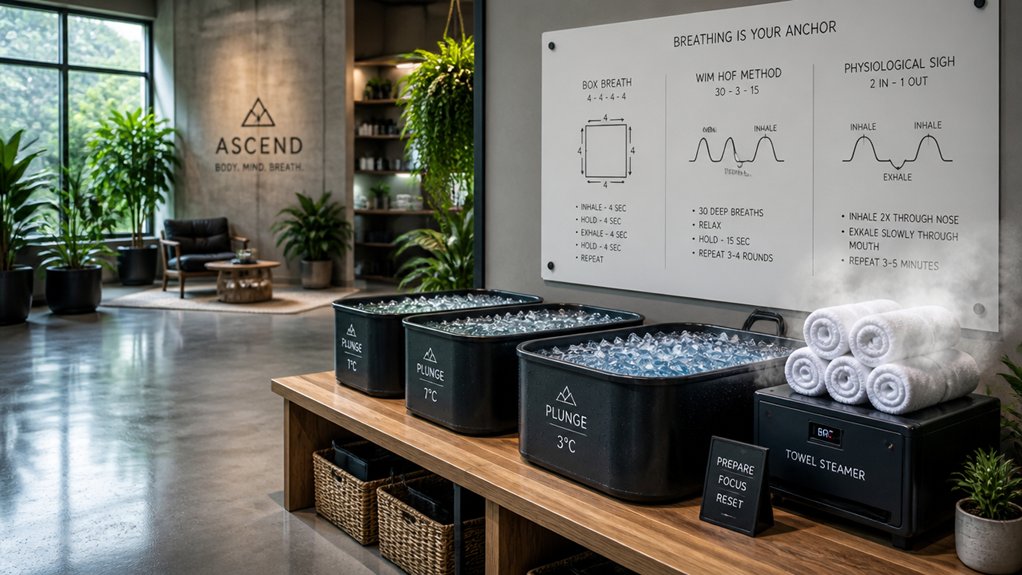
5 Breathing Routines to Prep for Ice Baths
To prep for ice baths, try deep breathing exercises that activate your nervous system and boost cold tolerance. Use techniques like diaphragmatic breathing to reduce shock, box or triangle breathing to calm nerves, and 4-7-8 breathing to promote relaxation. Combining slow, focused exhalations helps control your gasp reflex and enhances endurance. Mastering these routines makes…
-

5 Best Dynamic Stretches Before Ice Plunge
Speak to experts and discover five effective dynamic stretches that can enhance your ice plunge experience and prevent injury.
-

What Warmup Exercises Prepare You for Ice Baths?
Keen warmup exercises can help you safely enjoy ice baths, but discovering the most effective techniques will enhance your experience further.
-

What Acclimation Protocols Have Research Evidence?
Studies indicate that specific cold acclimation protocols enhance adaptation, but discovering the best strategies requires exploring detailed approaches for safe implementation.
-

What Are Partner-Assisted Acclimation Methods?
What are partner-assisted acclimation methods? Discover how these techniques can safely enhance your strength and mobility—but there’s more to learn.
-

Why Avoid Icy Immersion After Surgery?
Prompted by risks like tissue damage and delayed healing, understanding why icy immersion after surgery should be avoided is crucial for safe recovery.
-

Why Use Mental Techniques for Ice-Bath Acclimation?
Using mental techniques for ice-bath acclimation helps you control your nervous system, reduce anxiety, and build confidence. By practicing focused breathing, visualization, and mindfulness, you can calm your cold shock response and stay relaxed during immersion. These methods enhance your mental resilience, making it easier to tolerate colder temperatures over time. If you want to…
-

Pediatric Ice-Bath Acclimation: A How-To Guide
A comprehensive guide to safely introducing children to ice baths, ensuring comfort and safety throughout the acclimation process.