

If you have a fever above 100.4°F, avoid cold water immersion because it can worsen your condition and strain your heart. Cold exposure causes blood vessels to constrict and increases stress on your cardiovascular system, especially when your body is already fighting infection. Symptoms like chills, muscle aches, or chest pain signal it’s too risky. To stay safe and recover well, it’s best to postpone cold plunges until you’re fully healed—more safety tips are ahead.
Why Fever Is a Major Contraindication for Cold Water Immersion
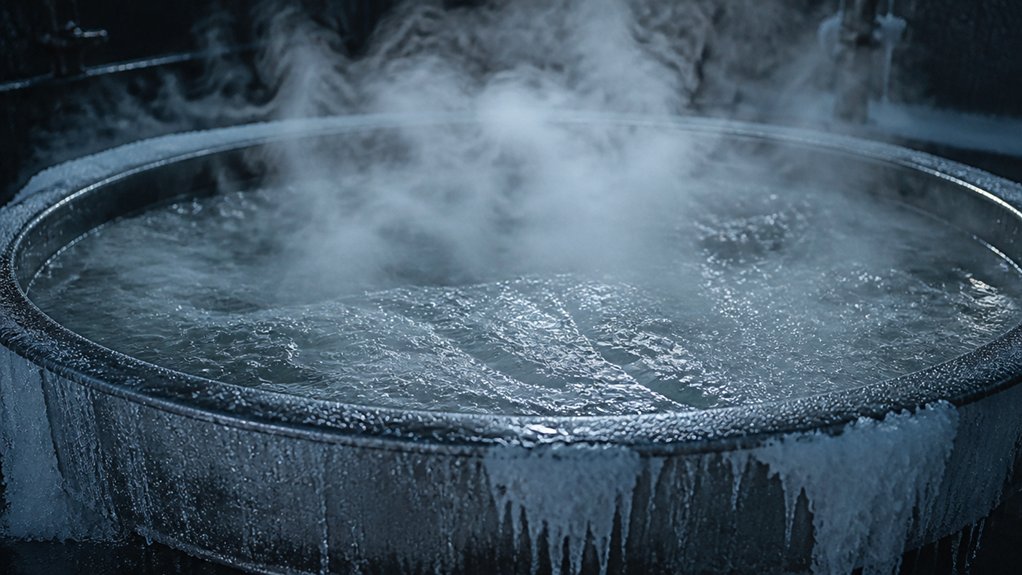
Why is fever considered a major contraindication for cold water immersion? When you have a fever above 100.4°F (38°C), your body’s thermoregulation becomes disrupted. Cold water immersion can initially cause your body to cool, but it then triggers a dangerous rise in core temperature. This process involves rapid catecholamine release and sympathetic surges, which increase your heart rate and blood pressure—risks for cardiovascular problems. Plus, the combined metabolic stress from fever and cold shock can overwhelm your body’s ability to adapt, leading to dizziness, fatigue, or severe heart issues. Immersing in cold water during a fever can also worsen systemic inflammation and impair your immune response. Medical guidelines advise postponing cold plunges until your fever resolves for at least 24 hours to avoid these serious risks. Proper thermoregulation is essential to prevent complications during cold water therapy.
Symptoms That Signal Cold Plunging Is Too Risky During Illness
If you have a fever over 100.4°F or symptoms like chills and muscle aches, cold plunging could be dangerous.
Respiratory issues such as cough or shortness of breath, or heart symptoms like chest pain or palpitations, signal that your body isn’t ready for cold immersion.
Pay attention to these signs—they’re your cue to skip the plunge until you’ve recovered.
Additionally, abnormal SpO2 levels detected by blood oxygen monitors can indicate underlying respiratory or circulatory problems that should be addressed before engaging in ice bath sessions measurement accuracy.
Fever Signs and Symptoms
When you have a fever above 100.4°F (38°C), it signals that your body is already under stress, making cold water immersion risky. Signs like chills, night sweats, and muscle aches indicate your system is overwhelmed, and cold plunging could worsen these symptoms.
Fever may initially cause slight cooling, but often leads to a rebound in core temperature and shivering, putting extra strain on your heart and metabolism. If you experience symptoms such as fatigue or dizziness along with the fever, it’s a clear sign your body can’t handle cold water immersion safely.
Additionally, any respiratory issues like cough or breathing difficulty further increase risks, as cold exposure could trigger bronchoconstriction or reduce oxygen intake. It’s best to avoid cold plunging until your fever subsides.
A compromised immune response during fever impacts your body’s ability to recover effectively from cold exposure.
Respiratory and Cardiac Indicators
During illness, the presence of respiratory or cardiac symptoms strongly indicates that cold water immersion could be dangerous. Recognizing warning signs is essential to prevent serious complications. Here are key indicators:
- Fever above 100.4°F (38°C) combined with systemic inflammation disrupts thermoregulation and cardiac stability, increasing fainting or cardiovascular risks.
- Respiratory symptoms like cough, wheezing, or dyspnea signal airway constriction, which cold exposure can worsen, raising the risk of bronchoconstriction.
- Cardiovascular instability signs such as arrhythmias, palpitations, or chest pain suggest potential myocarditis and contraindicate cold plunging.
- Cold shock triggers catecholamine surges, stressing your heart and increasing chances of dizziness, fatigue, or adverse cardiac events during infection-related hypermetabolism.
Additionally, thermoregulation issues interfere with the body’s ability to recover properly, further increasing health risks during illness. Avoid cold plunging if these symptoms are present.
How Fever Can Impact Your Heart and Cold Exposure Safety
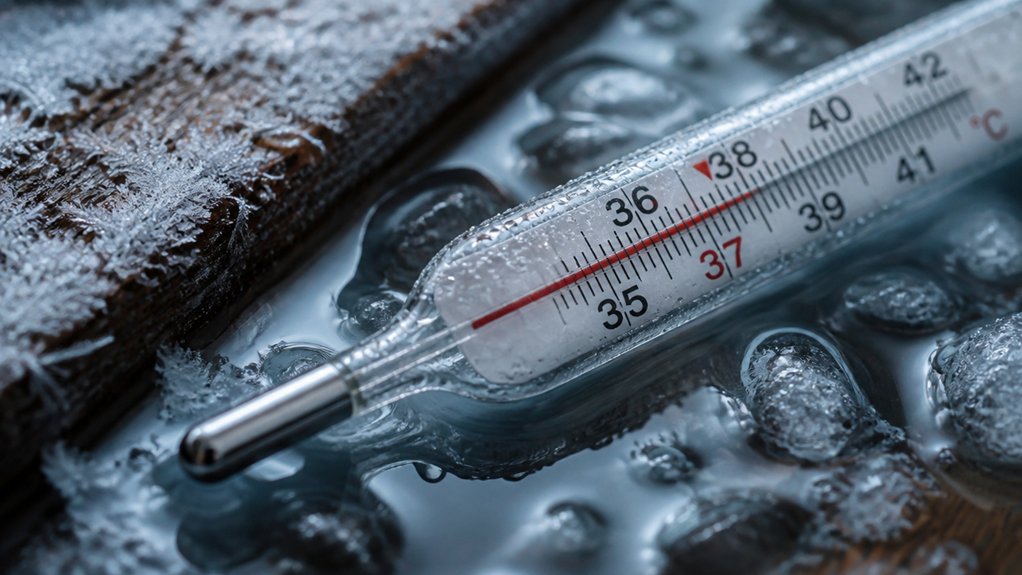
When you have a fever, your body’s ability to regulate temperature gets disrupted, which can destabilize your heart, especially during cold water immersion. Cold exposure causes your blood vessels to tighten and your heart rate to spike, adding extra stress if you’re already running a fever. This combination can push your cardiovascular system beyond safe limits, increasing the risk of dizziness, fainting, or more serious heart issues. Incorporating pH-balanced cleansing agents helps protect the skin barrier and may reduce additional stress on your body during cold therapy.
Fever’s Effect on Cardiovascular Stability
Fever above 100.4°F (38°C) directly impairs your cardiovascular stability by increasing heart rate and triggering systemic inflammation, which can compromise your body’s ability to handle cold exposure. This heightened state strains your heart and can cause dizziness or fatigue. Here are key effects to take into account:
- Elevated heart rate and systemic inflammation can amplify cardiovascular strain during cold exposure.
- Fever-related hypermetabolism and sympathetic surges worsen cardiovascular instability.
- Altered thermoregulation from fever can cause excessive shivering, stressing your heart further.
- People with heart conditions or myocarditis face heightened risks of arrhythmias and myocardial injury.
- The body’s thermoregulatory response is already compromised during fever, making cold immersion more unpredictable and hazardous.
Because fever undermines cardiovascular stability, cold plunging during a febrile state is dangerous and should be avoided.
Cold Exposure Risks During Fever
Having a fever above 100.4°F markedly elevates your risk during cold exposure because the body’s thermoregulatory and cardiovascular systems are already compromised. When you undergo cold water immersion, your body responds with cutaneous vasoconstriction and sympathetic surges, increasing your heart rate and blood pressure. If you’re feverish, your heart is already under stress from hypermetabolism and inflammation, making this response riskier. The cold shock can push your cardiovascular system beyond its limits, increasing the chance of dizziness, fatigue, or even fainting. Shivering induced by cold during a fever further strains your metabolic and cardiac functions. If you have conditions like viral myocarditis or cardiovascular instability, cold plunging while febrile dangerously heightens your risk for adverse autonomic events. Additionally, impaired insulation and temperature retention during fever can further challenge your body’s ability to maintain safe core temperatures during cold exposure.
Why Cold Shock Risks Increase When You Have a Fever
Ever wonder why cold shock risks spike during illness? When you have a fever, your body’s ability to regulate temperature is already compromised.
Cold water immersion triggers cutaneous vasoconstriction and sympathetic surges, superimposing on your fever-induced hypermetabolism, which raises blood pressure dangerously. Here are four reasons this increases your risk:
- Cold shock causes sudden blood pressure spikes, straining your cardiovascular system.
- Fever disrupts thermoregulation, so initial cooling can become dangerous as core temperature rises.
- Cold immersion triggers catecholamine release, exacerbating systemic inflammation and adding metabolic stress.
- Shivering during cold exposure increases heart work and further elevates blood pressure, heightening chances of dizziness or cardiovascular events.
- The electricity consumption of chillers can contribute to energy waste if not properly managed, making safety considerations even more critical during illness.
Because of these risks, cold shock during a fever can substantially worsen your condition.
When You Should Definitely Avoid Cold Plunging During Infection
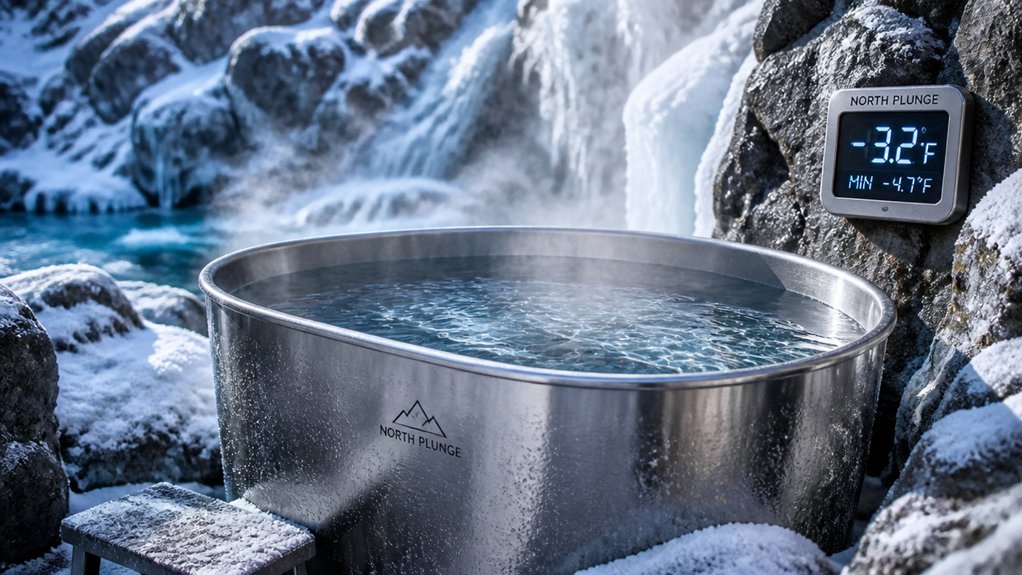
Cold plunging should be avoided during infection when your temperature exceeds 100.4°F (38°C), as it can interfere with your body’s ability to regulate heat and may worsen your condition.
Cold water immersion at this stage risks disrupting thermoregulation, leading to decompensation, fainting, or further health decline.
If you have systemic symptoms like chills, night sweats, or muscle aches, cold plunging can overload your cardiovascular and metabolic systems, increasing dizziness and fatigue.
Additionally, if you experience respiratory issues such as cough or shortness of breath, cold immersion could trigger bronchoconstriction or hypoxia.
Avoid cold water immersion during active infection with fever, open wounds, or gastrointestinal distress to prevent complications and guarantee your health remains protected.
Signs That Your Condition Is Worsening and Need Medical Help
If you start feeling dizzy or faint during or after immersion, it’s a clear sign you need medical help right away.
Chest pain or palpitations are urgent warning signs that shouldn’t be ignored. Don’t delay seeking help if these symptoms occur, as they could indicate serious health risks.
Dizziness or Fainting
Noticing dizziness or fainting during or after cold water immersion while you have a fever can be a serious warning sign that your condition is worsening. It indicates your cardiovascular system might be overwhelmed by the combined effects of fever-induced hypermetabolism and cold shock.
Be alert to these signs:
- Dizziness or lightheadedness that won’t go away
- Confusion or disorientation during immersion
- Sudden loss of consciousness or fainting episodes
- Worsening symptoms after cold exposure, such as rapid heartbeat or chest discomfort
If you experience any of these, stop the cold plunge immediately and seek urgent medical help. Dizziness and fainting aren’t just discomfort—they signal your body is struggling and could lead to dangerous complications.
Chest Pain or Palpitations
Experiencing chest pain or palpitations during or after cold water immersion signals a potential decline in your cardiovascular stability and requires immediate attention. Chest pain can indicate ischemia or worsening heart conditions, while palpitations may reflect dangerous arrhythmias triggered by cold shock.
Cold immersion causes vasoconstriction and raises blood pressure, increasing the risk of cardiac events. If you notice chest discomfort or irregular heartbeats, stop cold plunging immediately. Persistent symptoms, especially if you’re febrile or recovering from illness, considerably heighten the risk of adverse outcomes.
Recognizing these signs promptly and seeking emergency medical help is crucial. Cold immersion during cardiac symptoms can accelerate deterioration and may lead to life-threatening complications. Your safety depends on acting swiftly when these symptoms arise.
How Fever Changes Your Body’s Response to Cold Water
When you have a fever above 100.4°F (38°C), your body’s ability to regulate temperature becomes disrupted, markedly altering its response to cold water immersion.
Instead of cooling down safely, your core temperature can actually rise during cold water exposure. Here’s how fever changes your response:
- Cold water immersion below 15°C triggers vasoconstriction and nervous system surges that, combined with fever-induced hypermetabolism, increase heart rate, blood pressure, and breathing.
- The stress from fever and cold shock can overload your system, causing dizziness, fatigue, or even heart issues like palpitations.
- Fever induces shivering and metabolic strain, raising the risk of fainting and cardiovascular decompensation during cold plunging.
- Overall, immersion during a fever impairs immune response and heightens the risk of serious adverse effects.
Why Respiratory Symptoms Make Cold Plunging Riskier
Cold water immersion can pose serious risks for individuals with respiratory symptoms like cough, wheezing, or shortness of breath. These symptoms indicate a sensitive respiratory tract, where cold exposure can cause adverse reactions.
Cold shock triggers airway constriction and increases resistance, making breathing more difficult and raising the risk of bronchoconstriction and hypoxia. When you have an active respiratory illness, inflammation and airway sensitivity are already heightened; cold immersion worsens these conditions, impairing oxygen exchange.
The surge of catecholamines during cold plunging can intensify respiratory distress, leading to complications. Additionally, the increased respiratory rate and gasping reflex can cause aspiration or pulmonary edema.
The Risks of Cold Water During a Fever: What You Need to Know
Exposing yourself to cold water while running a fever can disrupt your body’s ability to regulate temperature properly, risking worsening inflammation and fainting.
The sudden cold triggers your heart to work harder, increasing cardiovascular stress and raising the chance of complications. It’s safest to avoid cold plunges until your fever fully subsides, focusing instead on rest and hydration.
Thermoregulation Disruption Risks
Immersing in cold water during a fever can unexpectedly disrupt your body’s ability to regulate temperature, often leading to a paradoxical increase in core heat. Cold water initially cools your surface but triggers systemic inflammatory responses, confusing thermoregulation. This can cause your body to react unpredictably, risking a dangerous rise in core temperature.
Consider these risks:
- Cold water below 15°C causes sympathetic surges, raising heart rate and blood pressure.
- Fever over 100.4°F impairs heat dissipation, worsening thermoregulation issues.
- Shivering from rapid cooling increases metabolic workload and cardiovascular strain.
- The combined stress can overwhelm your body’s autonomic responses, risking dizziness and cardiovascular events.
Understanding these thermoregulation disruption risks underscores why cold immersion during a fever is dangerous and should be avoided.
Cardiovascular Strain Increase
When your body is already fighting a fever, adding cold water immersion can greatly stress your cardiovascular system.
Cold water below 15°C causes vasoconstriction and triggers the sympathetic nervous system, leading to increased heart rate and blood pressure. This surge can overwhelm your heart, especially since a fever already raises your metabolism, elevating your heart rate and causing inflammation.
Shivering from cold exposure further boosts metabolic demand, compounding cardiovascular strain. If you have underlying conditions like myocarditis or cardiovascular instability, the risks multiply, possibly resulting in arrhythmias or cardiac injury.
Medical guidelines strongly advise against cold water immersion above 100.4°F (38°C), as the combined effects markedly jeopardize cardiovascular stability, increasing the danger of fainting or serious cardiac events during a fever.
Fever-Related Complication Risks
Fever-related complications from cold water immersion can be severe, especially as the body’s ability to regulate temperature becomes compromised. When you immerse yourself in cold water during a fever, risks escalate quickly.
Here are four key dangers:
- Disrupted thermoregulation can lead to systemic inflammation or fainting.
- The combination of fever-induced hypermetabolism and cold shock heightens cardiovascular stress, causing dizziness or fatigue.
- Shivering from cooling a febrile body adds strain to your cardiovascular system.
- Cold water immersion doesn’t improve immune response and may impair your body’s energy use during sickness.
For these reasons, medical guidelines recommend delaying cold plunges until your fever subsides for at least 24 hours, to prevent dangerous complications.
When Is It Safe to Resume Cold Water Immersion After Fever?
Determining when it’s safe to resume cold water immersion after a fever requires careful assessment of your recovery progress. Typically, you can consider reintroducing cold water immersion once your fever has been gone for over 24 hours and systemic symptoms, like fatigue or chills, have subsided.
During early recovery, start with gentle cold exposure—around 15°C—for short periods of 30 to 60 seconds, stopping immediately if you feel shivering or discomfort. Gradually increase the duration and intensity over 1–2 weeks, ensuring your energy levels return and symptoms stay minimal.
Always consult a healthcare professional before resuming cold plunges, especially if you have underlying cardiovascular or respiratory issues. Patience and cautious reintroduction are key to safe recovery.
Guidelines for Reintroducing Cold Plunging Post-Fever
Reintroducing cold plunging after illness requires a cautious, step-by-step approach to guarantee your body fully recovers. Wait until your fever has been gone for more than 24 hours and systemic symptoms have subsided before starting cold-water immersion.
Begin with water around 15°C and keep initial immersions brief—no longer than 30–60 seconds, and stop immediately if you feel shivering or discomfort. Over 1–2 weeks, gradually increase the duration and intensity, incorporating controlled nasal breathing to promote parasympathetic response.
Always check with your doctor before resuming cold plunges, especially if you have cardiovascular or respiratory issues. Listen to your body closely throughout the process to prevent setbacks or adverse reactions.
Infection Control Tips to Keep Everyone Safe During Illness
Ensuring safety during cold plunging involves strict infection control measures, especially when someone in the facility is unwell. If you or others have a fever, avoid immersion to prevent disrupting thermoregulation and worsening symptoms.
Maintain high hygiene standards by thoroughly cleaning and disinfecting the tank before and after use to reduce infection transmission.
Don’t allow anyone with open cuts, wounds, gastrointestinal distress, or incontinence to dip, as these increase contamination risks.
If symptoms like chills, night sweats, or muscle aches are present, prioritize rest and hydration over cold plunges to protect your immune system.
When to Seek Medical Help After Cold Water Exposure During Illness
If you experience concerning symptoms after cold water immersion while recovering from an illness, you should seek medical help immediately. Cold water swimming can trigger adverse cardiovascular responses, especially if symptoms develop post-immersion.
Watch for signs like:
- Dizziness, chest pain, or palpitations
- Severe shortness of breath or difficulty breathing
- Fainting, confusion, or uncontrolled shivering
- Fever above 100.4°F (38°C) that worsens or recurs
Persistent or worsening symptoms could signal serious complications, such as neurological issues or cardiovascular distress. Individuals with known heart or lung conditions should be especially vigilant.
Prompt medical evaluation helps prevent escalation of potential problems associated with cold immersion during illness recovery. Don’t delay if these symptoms appear after cold water swimming.
Prioritize Your Recovery: Tips to Stay Safe and Healthy When Sick
When you’re sick, prioritizing your recovery involves making mindful choices that support healing and prevent further complications.
If you have a fever above 100.4°F (38°C), avoid cold immersion, as it can disrupt your body’s ability to regulate temperature and may cause fainting or worsen your illness. Postponing cold plunges is vital if you experience systemic symptoms like chills, night sweats, or respiratory issues, which increase cardiovascular and respiratory strain.
Cold immersion while febrile triggers vasoconstriction and sympathetic responses, risking dizziness, fatigue, or heart complications. Focus on rest, hydration, and gradual recovery rather than cold plunging until your fever resolves for at least 24 hours and symptoms are mild.
When reintroducing cold immersion, do so cautiously, starting with brief exposures at around 15°C, stopping immediately if discomfort occurs.
Frequently Asked Questions
What Are the Contraindications for Cold Hydrotherapy?
You shouldn’t use cold hydrotherapy if you have a fever over 100.4°F, acute infections, respiratory illnesses, cardiovascular or pulmonary conditions, circulatory disorders, cold allergies, open wounds, or are taking sedatives or drugs impairing sensation, for safety.
Who Should Not Use Cold Plunges?
You should avoid cold plunges if you have a fever over 100.4°F, systemic infection symptoms, heart or lung conditions, are under the influence of alcohol or drugs, or have open wounds, gastrointestinal issues, or incontinence.
What Are Four Contraindications for Ice?
You should avoid using ice if you have open wounds, circulation problems like Raynaud’s, cold allergies such as cold urticaria, or impaired sensation. Additionally, don’t apply ice if you have heart or lung conditions that cold could worsen.
What Is the 1 10 1 Rule in Cold Water?
You should follow the 1-10-1 rule in cold water immersion: stay in for about 10 minutes, limit initial shock to 1 minute, and rewarm over roughly 1 hour afterward, especially if you have a fever or compromised health.