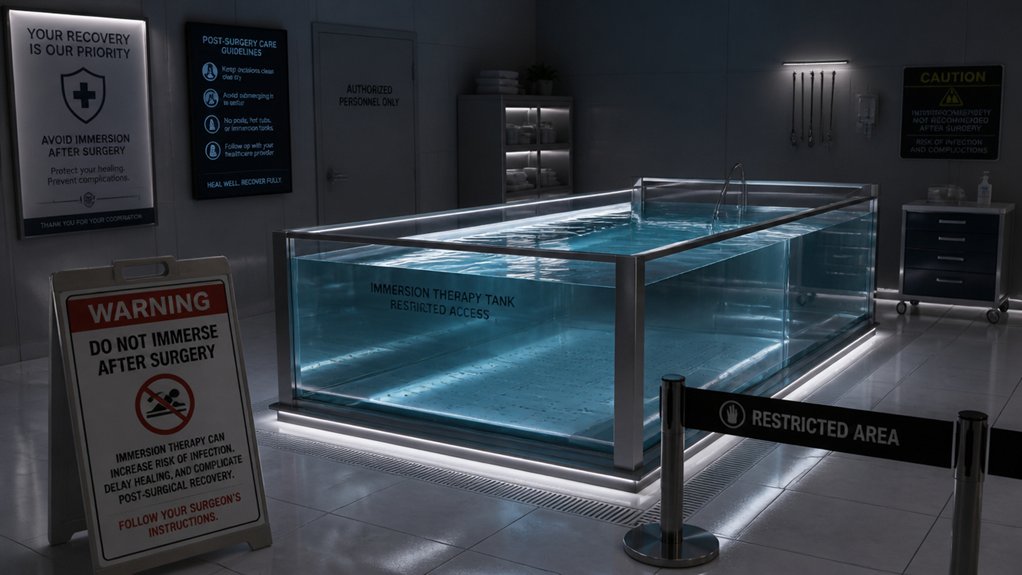
You should avoid post-surgery immersion therapy because water exposure can lead to infection, weaken delicate tissues, and delay healing. Water softens tissue and increases bacteria, raising infection risks and slowing recovery. Hot water and steam worsen swelling and inflammation, making tissues more fragile. Immersing in water can also compromise scar integrity and prolong tissue repair. Staying dry and following your doctor’s advice help protect your healing process. If you want to learn how to keep your recovery on track, keep going.
Why Water Immersion Is Risky After Surgery
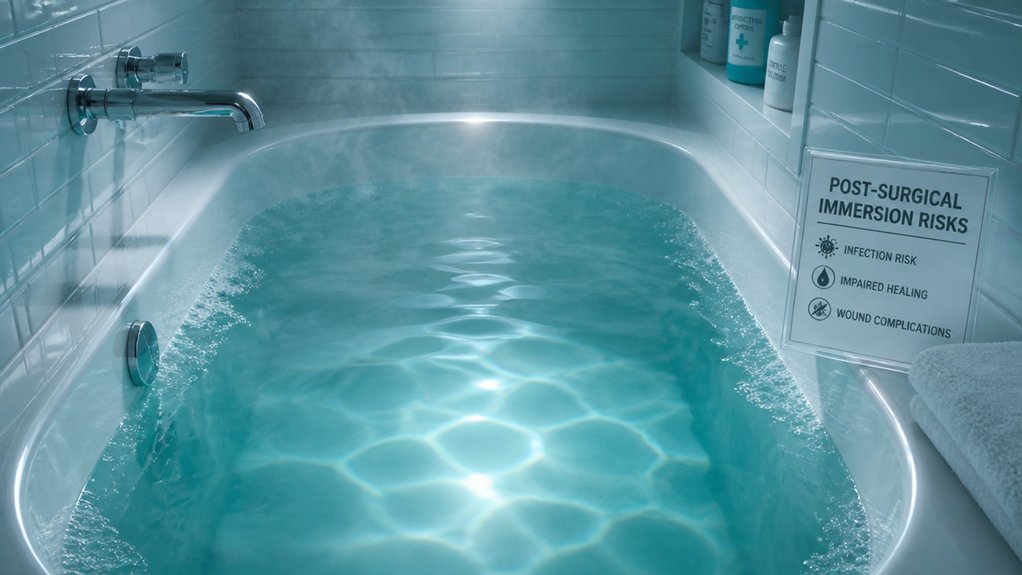
Water immersion after surgery is risky because it exposes your incision to bacteria and other pathogens that can cause infection. During recovery, your surgical wound needs a sterile environment to heal properly. Water can soften and weaken the tissue surrounding your incision, increasing the chance of wound reopening or delayed closure. Additionally, using bromine tablets to sanitize water in baths or hot tubs can introduce chemicals that might irritate sensitive healing tissue if not properly managed. Immersing in water may also introduce bacteria, leading to infection and other complications. Hot water or prolonged soaking can intensify inflammation, swelling, and discomfort, further slowing your healing process. For at least 2-3 weeks post-surgery, it’s essential to avoid baths, hot tubs, pools, and direct water contact on your incision. Protecting your surgical site guarantees better wound healing, reduces risks of infection, and supports a smoother post-operative period.
How Water Exposure Can Cause Infection and Slow Healing
| Water Exposure Risks | Infection Consequences | Healing Effects |
|---|---|---|
| Tissue breakdown | Cellulitis, abscesses | Delayed wound closure |
| Wound maceration | Bacterial contamination | Slows tissue repair |
| Pathogens in water | Increased inflammation | Prolonged recovery |
| Softening of tissue | Risk of infection | Impaired healing process |
| Harmful bacteria in pools | Additional medical needs | Increased pain and swelling |
| Improper ozone levels can cause water contamination, further elevating infection risks.
How Hot Water and Steam Worsen Swelling and Inflammation
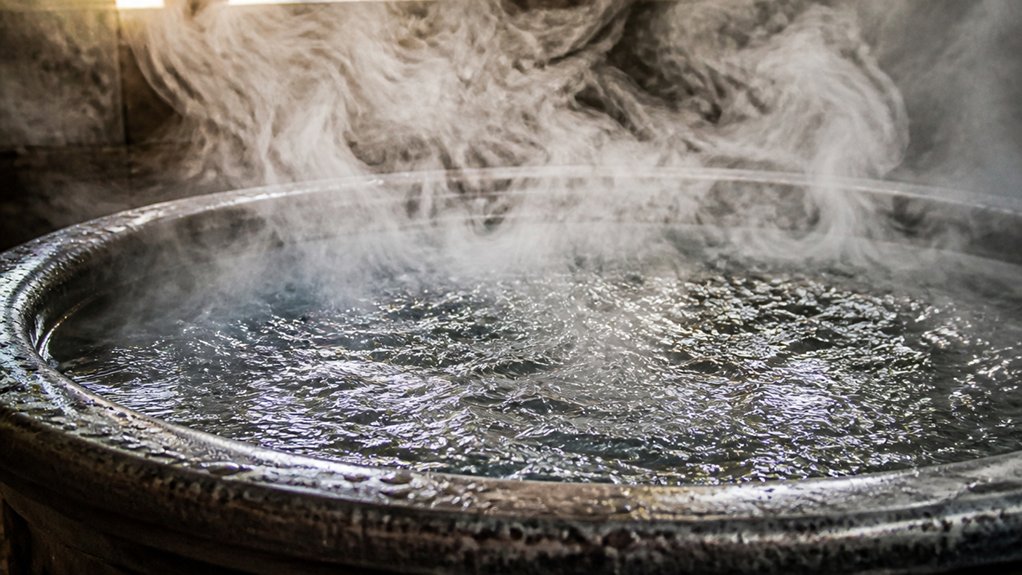
Hot water and steam cause your blood vessels to expand, which can lead to increased swelling and inflammation after surgery. A perfusion index measurement can help monitor blood flow and ensure proper recovery. This heightened blood flow may cause tissue damage and slow down your healing process. Avoiding hot water immersion helps keep swelling under control and supports faster recovery.
Increased Blood Flow
When hot water and steam come into contact with your surgical area, they cause blood vessels to widen—a process known as vasodilation—leading to increased blood flow. This surge can worsen postoperative issues by:
- Amplifying inflammation and swelling, which heightened pain and promotes fluid buildup.
- Disrupting clot formation, potentially leading to blood clots and prolonged bleeding.
- Increasing edema in tissues, delaying tissue repair, and extending the recovery period.
- Using products that are fragrance-free and contain soothing ingredients can help minimize irritation and support your skin’s healing process.
This heightened blood flow accelerates inflammation, making your discomfort worse and delaying healing. It can also cause excess fluid to accumulate in the tissues, intensifying swelling around your incision sites.
Steer clear of hot baths or steam rooms for at least 2-3 weeks to prevent these complications.
Promotes Tissue Damage
Exposure to hot water and steam doesn’t just increase blood flow—it can also directly damage healing tissues. Post-operative, excessive heat softens skin and tissues, making them more vulnerable to injury and delaying wound closure. Additionally, prolonged exposure to high temperatures can accelerate tissue degradation and impair collagen synthesis, which is crucial for healing insulation materials. The elevated temperature intensifies inflammation and swelling by promoting fluid accumulation, which hampers healing. Additionally, hot water immersion can disrupt fragile blood vessels and clots, increasing the risk of bleeding and hematoma formation around incisions.
This tissue damage can worsen swelling and inflammation, further impairing recovery. The damaged tissues become more prone to delayed healing, prolonging discomfort and increasing the likelihood of complications. Overall, hot water and steam undermine the integrity of delicate healing tissues, making immersion therapy counterproductive during the critical post-surgery period.
Water Contact Can Soften and Weaken Slightly Surgical Wounds
Water contact can weaken your surgical wounds by saturating and softening the tissue, making them more vulnerable to damage. This increased fragility can delay healing and raise the risk of infection or reopening.
It’s essential to keep wounds dry to protect their strength and guarantee proper recovery.
Water Improves Wound Fragility
Contact with water can weaken surgical wounds by softening the tissue and reducing its tensile strength. This increased wound fragility can hinder the healing process and raise the risk of complications. A key factor is the disruption of the protective clot and early scar matrix, which are essential for strong tissue formation. When you immerse a post-surgery wound in water, it disrupts these important structures. Additionally, prolonged water exposure can: 1. Cause maceration of wound edges, delaying epithelialization 2. Increase infection risk through bacterial growth in moist environments 3. Impair collagen synthesis, crucial for wound strengthening water-related deterioration.
Softening Aids Healing Process
Although prolonged immersion can weaken surgical wounds, brief or controlled moisture can sometimes support the healing process. Softening from limited water contact may help surgical patients keep their skin tissues supple, aiding tissue flexibility during recovery. Additionally, using specialized waterproof sealants can help create a protective barrier, preventing excess moisture from penetrating and compromising healing. Moisture can promote healing skin cells by preventing dryness and cracking, which supports better wound closure. However, excessive or early immersion risks disrupting tissue integrity, making wounds more vulnerable to breakdown or infection. Water contact delays collagen cross-linking, essential for wound strength and stability, especially in the critical first few weeks. While gentle, controlled moisture might seem beneficial, it’s essential to avoid softening wounds prematurely, as it can hinder proper healing and increase the risk of wound infection.
Why Water Makes Scar Tissue Less Secure and Impairs Skin Recovery
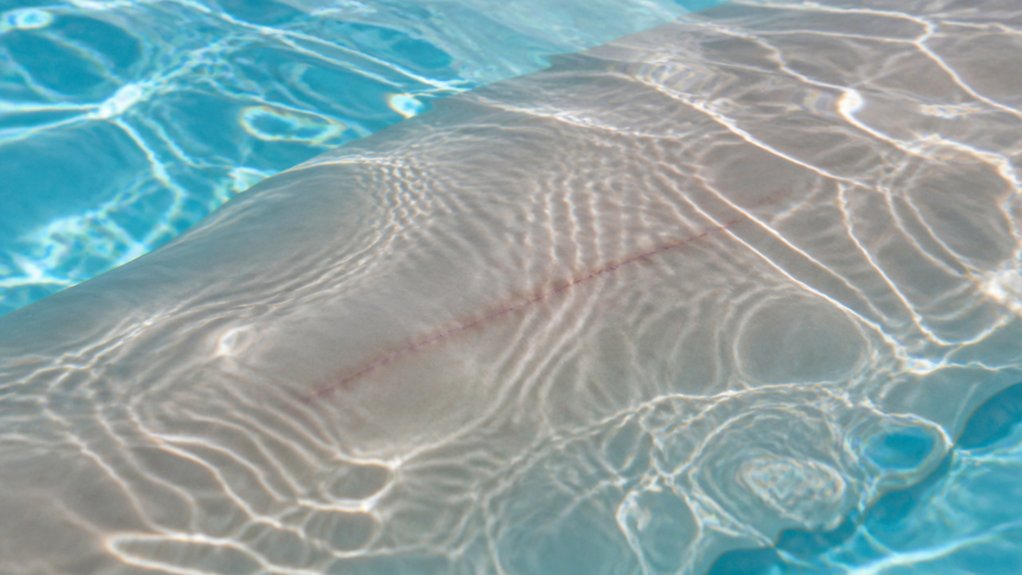
Immersing surgical wounds in water can greatly weaken and jeopardize the integrity of scar tissue during healing. Excess moisture softens and disrupts collagen fiber alignment, making the skin less secure and impairing *skin recovery*. It also increases the risk of *infection*, as bacteria thrive in moist environments. Additionally, water immersion causes *maceration* of surrounding skin, which hampers keratinocyte function essential for epidermal repair. The process also dilutes essential nutrients, delaying *fibroblast activity* and *collagen synthesis*, resulting in weaker scar tissue. Moreover, frequent soaking slows the drying process, impeding tissue remodeling and increasing inflammation. To protect your healing process, avoiding prolonged water exposure is critical for maintaining healthy, secure scar tissue and peak *wound healing*. Proper use of anti-chafe balms can help minimize skin irritation and protect sensitive areas during recovery.
Following Post-Op Restrictions to Protect Your Healing
To protect your healing process, it’s essential to follow your doctor’s post-op restrictions carefully. Avoid immersion in water for at least 2-3 weeks to keep incisions dry and prevent infection risk.
Water exposure can disrupt the delicate healing of tissues and increase complications, such as wound reopening or swelling. Direct water pressure from showers or baths might also cause sutures to loosen or fragments to shift, delaying recovery.
Maintaining dryness and avoiding immersion helps prevent prolonged inflammation and the formation of hematomas near surgical sites. Following guidelines on clothing and environmental care is vital for peak tissue repair, reducing long-term scarring and ensuring your post-operative progress remains on track.
Adhering to these restrictions safeguards your health and promotes proper healing.
Safe Alternatives to Water Immersion During Recovery
While keeping incisions dry remains a priority, there are safe ways to manage hygiene and comfort during recovery that don’t involve water immersion. You can maintain wound care and swelling control through alternatives like:
- Lukewarm showers with gentle patting dry to avoid pressure and moisture on incisions.
- Wearing approved compression garments and loose, breathable clothing to prevent infections and reduce swelling.
- Using cold and compression therapy devices, such as Cryon-X, for effective swelling management without risking water-related complications.
These safe alternatives support pain management and gentle movements during physical therapy, helping you stay comfortable and promote healing.
Proper hydration and nutrition also play essential roles, reducing the need for immersion while preventing complications.
When and How to Safely Resume Water Activities After Surgery
After your surgeon clears you to resume water activities, it’s important to approach this change gradually and with caution. Confirm your incisions are fully closed, dry, and that your healing process is progressing well before reintroducing water immersion. Typically, this is around 3-4 weeks post-op, but it varies depending on your surgery and healing rate.
Start with lukewarm showers, gently patting the incisions dry to prevent irritation, and avoid baths, hot tubs, or saunas to reduce infection risk. Use only surgeon-approved compression garments and avoid tight clothing to help control swelling.
Carefully monitor for redness, swelling, or discomfort, and report any signs of infection or complications immediately. Always follow your surgeon’s instructions and attend therapy sessions for guidance on safely resuming water activities.
Frequently Asked Questions
How Long After Surgery Can You Submerge in Water?
You should wait at least 2 to 3 weeks after surgery to submerge in water, depending on your healing progress and your surgeon’s advice. Always confirm that your wounds are fully closed and healed before water immersion.
What Type of Massage Is Best After Surgery?
The best massage after surgery is gentle, lymphatic drainage massage, performed by trained therapists post-surgeon approval. It reduces swelling, promotes fluid removal, and prevents stiffness without risking stitches or harming healing tissues, ensuring your recovery stays safe and effective.
Why Is Day 3 the Worst After Surgery?
Day 3 is the worst after surgery because your body’s inflammatory response peaks, causing maximum swelling and pain, while immune suppression and metabolic demands rise, making you more vulnerable to complications, dehydration, and emotional struggles, requiring careful monitoring.
Why Can’t I Swim for 6 Weeks After Surgery?
You can’t swim for six weeks after surgery because immersing in water risks infection, stresses your stitches, and can delay healing. Chlorine and microbes irritate your wound, while proper airflow and drying are essential for tissue repair.