To reduce inflammation and muscle soreness, you should use cold plunges within 24-48 hours after exercise, lasting 15-20 minutes to constrict blood vessels and lower tissue temperature. Combine cold therapy with gentle stretching, foam rolling, and anti-inflammatory foods for faster recovery. Always follow safety guidelines like proper water temperature and session duration. If you want to maximize your results and recover faster, keep exploring proven methods to optimize your approach.
How Do Cold Plunges Help Reduce Muscle Inflammation?

How exactly do cold plunges help reduce muscle inflammation? Cold therapy constricts blood vessels, limiting blood flow to the affected muscles and reducing swelling.
When you immerse in cold water, it lowers tissue temperature, slowing metabolic processes and decreasing the release of inflammatory markers like cytokines. This process helps reduce inflammation, which often causes delayed-onset muscle soreness.
Cold plunges also numb nerve endings, offering immediate pain relief and easing muscle soreness. Plus, the vasoconstriction followed by rewarming promotes the removal of metabolic waste products.
Regular cold plunge treatments after workouts can lower markers of inflammation, helping your muscles recover faster. Overall, cold therapy is a quick, effective way to reduce inflammation, lessen pain, and support muscle recovery.
When and How Should You Use Cold Therapy for Muscle Soreness?
Timing is essential when using cold therapy to effectively alleviate muscle soreness. Apply ice packs or cold compresses within the first 24 to 48 hours after exercise or injury to target inflammation, swelling, and pain. Proper cold retention duration during application helps maximize therapeutic benefits and reduce the need for frequent reheating or refreezing. Use cold therapy for 15 to 20 minutes at a time, with at least an hour between applications, to avoid tissue damage and numb discomfort. Cold therapy decreases nerve conduction velocity, which helps reduce muscle soreness and inflammation by calming active muscle fibers. It’s especially beneficial during the acute phase of delayed onset muscle soreness (DOMS) or micro-tears. Combine cold therapy with rest and compression as part of the R.I.C.E. method to optimize recovery and reduce muscle fiber damage.
What Are the Best Ways to Combine Cold Plunges With Other Recovery Methods?
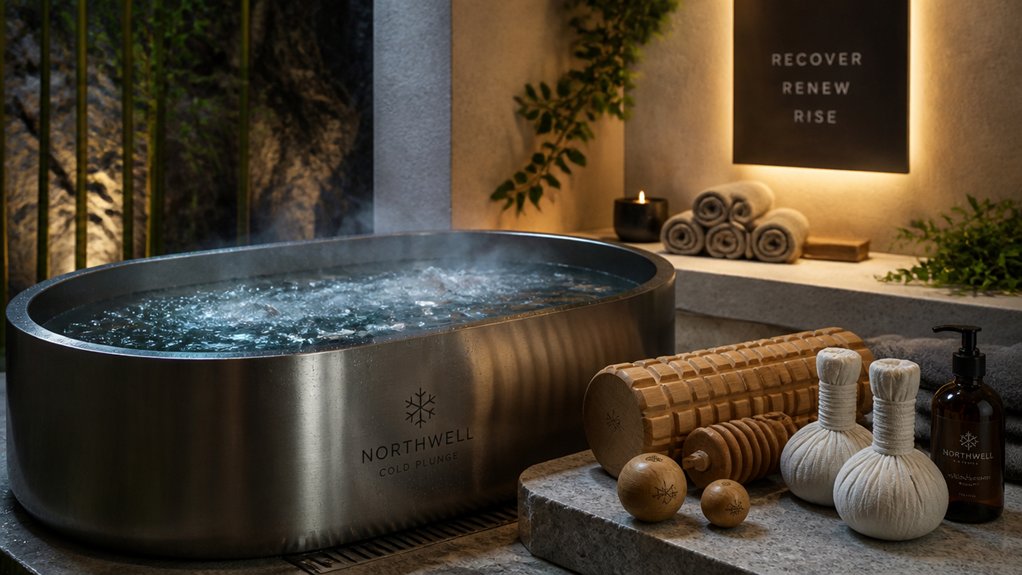
Combining cold plunges with other recovery methods can greatly enhance your muscle recovery. After a cold plunge, gentle stretching helps maintain muscle flexibility and prevents stiffness caused by DOMS.
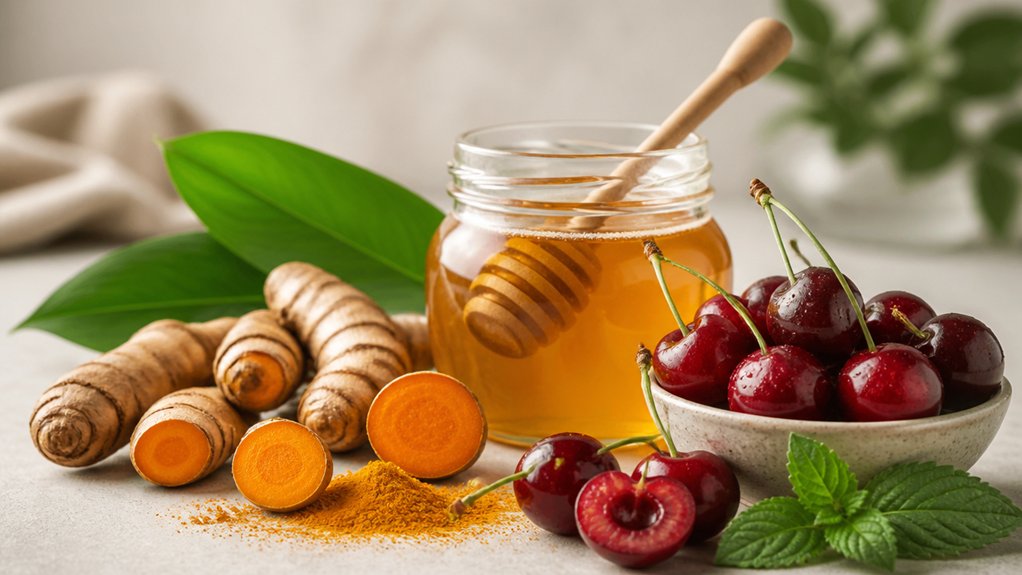
Incorporating foam rolling can break up muscle adhesions and improve tissue mobility, speeding up recovery. Following your immersion with anti-inflammatory foods like fatty fish or tart cherry juice boosts muscle repair and reduces soreness.
Alternating cold plunges with heat therapy later promotes blood flow and muscle relaxation, complementing the inflammation reduction achieved initially. These recovery techniques work together to reduce inflammation, minimize muscle soreness, and support peak muscle flexibility. High-density foam rollers, in particular, are excellent tools to target deep tissue release and improve mobility after cold therapy sessions.
How to Use Cold Plunges Safely and Effectively?
Using cold plunges effectively and safely requires paying attention to proper procedures and your body’s signals.
To reduce inflammation and muscle soreness, limit immersion time to 10-15 minutes, as prolonged exposure can cause hypothermia. Maintain water temperature between 50-59°F (10-15°C) for safe use. Cold plunges work by constricting blood vessels, which helps limit swelling and flush out metabolic waste from muscle tissue, speeding recovery.
Begin with shorter sessions and gradually increase duration and cold intensity to avoid shock or discomfort.
Avoid cold plunges immediately after injury or if you have cardiovascular conditions unless advised by a healthcare provider.
Always listen to your body, stay hydrated, and guarantee proper recovery techniques for peak results. Materials and insulation in cold plunge tubs are designed to withstand extreme temperatures and ensure safety during use.
FAQs About Cold Plunge Therapy and Muscle Soreness
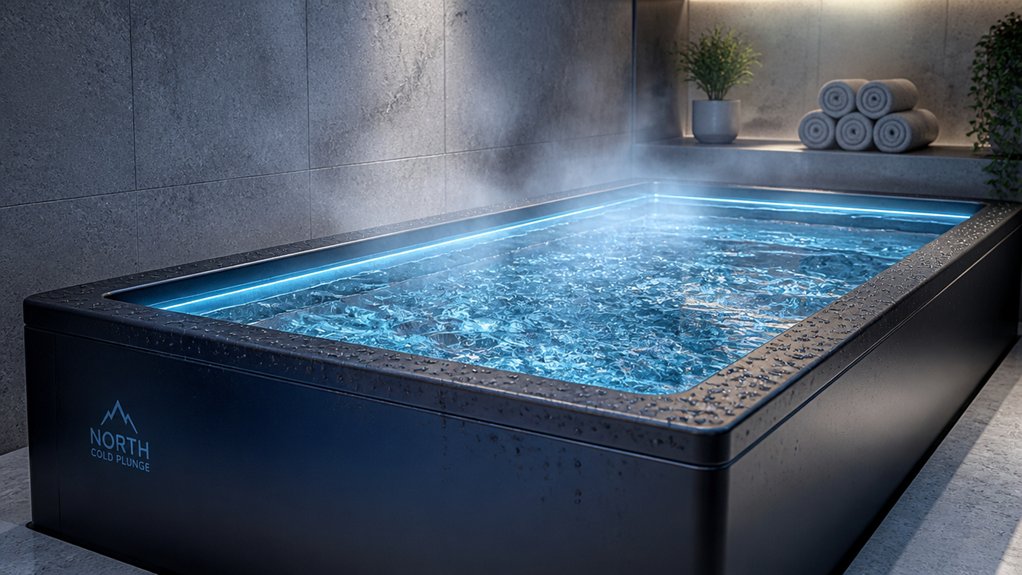
Many people ask whether cold plunge therapy really helps with muscle soreness and what to expect afterward. Cold plunge therapy can effectively reduce inflammation and alleviate muscle soreness by constricting blood vessels and decreasing muscle tissue’s metabolic activity.
It’s especially helpful within 1-2 hours after intense exercise to lower markers like Creatine Kinase, indicating reduced muscle damage. While cold water immersion can numb pain and decrease swelling, excessive or prolonged sessions might impair recovery by limiting the necessary inflammatory response.
Combining cold plunge therapy with active recovery, stretching, or foam rolling helps further reduce delayed-onset muscle soreness (DOMS). Remember, the goal is to promote recovery without hindering the repair process, making cold plunge therapy a valuable tool when used appropriately. High-powered chillers are designed to quickly achieve the target low temperatures, enhancing the effectiveness of cold therapy sessions.
Frequently Asked Questions
How Do You Reduce Muscle Soreness and Inflammation?
To reduce muscle soreness and inflammation, you should eat anti-inflammatory foods, get a massage within two hours, apply cold therapy immediately, then heat later, do foam rolling, and guarantee adequate protein, carbs, fluids, and antioxidants around your workouts.
What Is the 2 Hour Pain Rule?
The 2 hour pain rule states that if muscle pain or soreness appears or worsens within two hours after exercise, it’s likely normal. If pain persists or worsens, seek medical attention, as it may indicate injury needing care.
How to Flush Out Muscle Soreness?
To flush out muscle soreness, you should foam roll each muscle for 90-120 seconds, stay hydrated, consume antioxidant-rich foods, engage in active recovery exercises, and get a massage within two hours post-exercise to boost blood flow and reduce inflammation.
What Fruit Relaxes Muscles?
You should try eating cherries, especially tart cherry juice, because they contain anthocyanins that fight inflammation and help relax your muscles. Berries and leafy green fruits like avocados also support muscle relaxation and reduce soreness effectively.