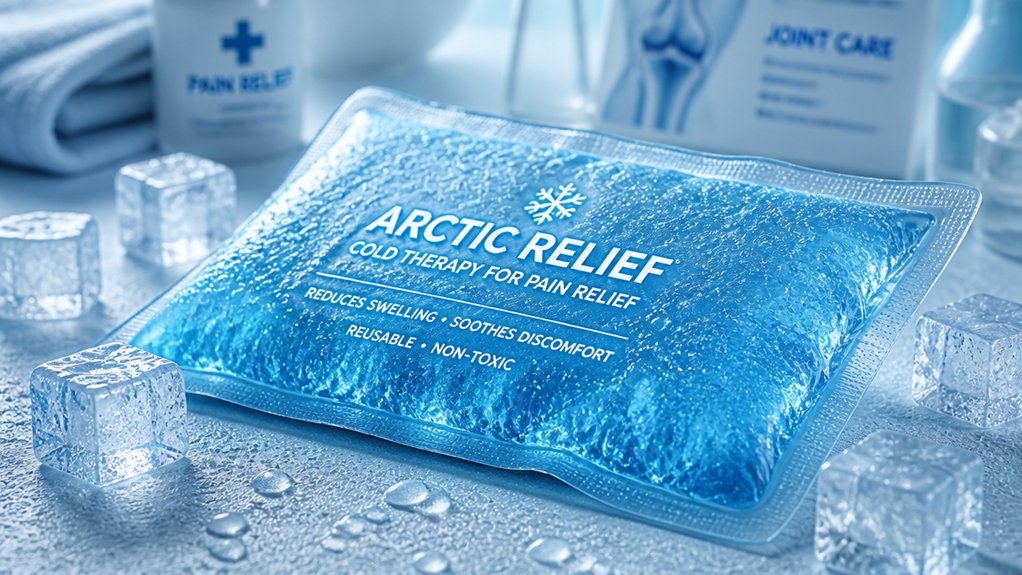
Cold therapy helps reduce arthritis inflammation and swelling by constricting blood flow and numbing nerve endings, providing quick pain relief. Use ice, gel, or frozen vegetables wrapped in a cloth for 15-20 minutes, multiple times a day to manage symptoms effectively. Always protect your skin and avoid applying cold packs directly on damaged or numb skin. For techniques, precautions, and when to seek medical advice, continue exploring to find the best approach for your condition.
Why Cold Therapy Helps Reduce Arthritis Inflammation and Swelling
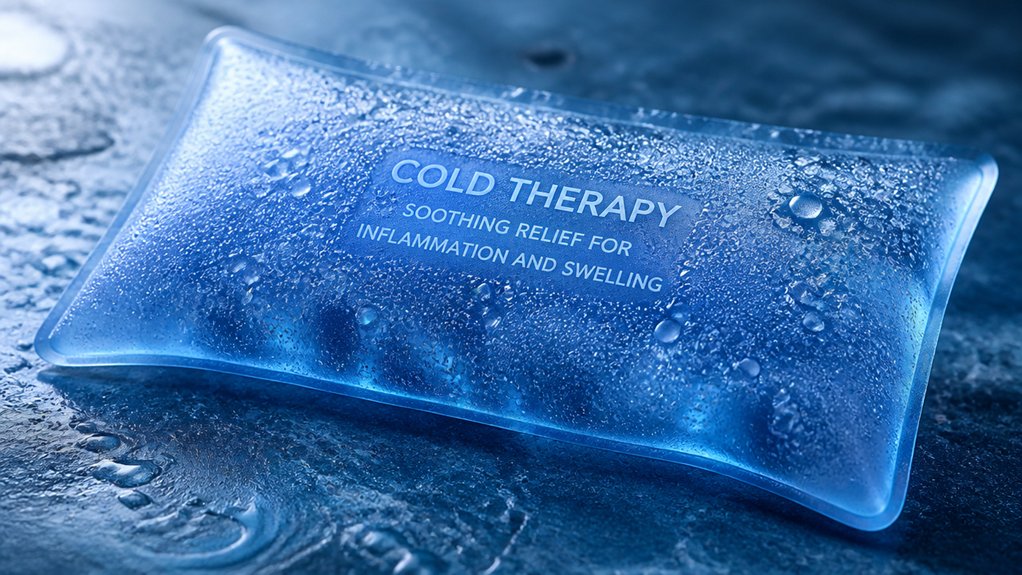
Cold therapy helps reduce arthritis inflammation and swelling primarily by constricting blood vessels in the affected area. When you apply ice or cold packs, blood flow to the joints decreases, which helps control inflammation and limits swelling during flare-ups.
Cold therapy also numbs nerve endings, providing pain relief and reducing sharp aches caused by arthritis. Applying ice for 15-20 minutes during symptoms or after activity can greatly lessen joint swelling and inflammation. It’s especially useful within the first 48 hours of symptoms to manage acute inflammation and muscle spasms.
To prevent tissue damage, always use a cloth barrier between the cold source and your skin. By understanding how cold therapy works, you can effectively manage arthritis discomfort and promote healing.
Choosing the Best Cold Pack for Arthritis Relief
Choosing the right cold pack depends on your specific needs and joints. Consider the types available, like ice, gel, or instant packs, and how you’ll apply them safely.
Additionally, selecting packs with enzyme-based clarifiers can help maintain the integrity of your skin and reduce irritation during prolonged use. Remember to wrap packs in a cloth and limit application to 15-20 minutes for effective relief without skin damage.
Types of Cold Packs
Selecting the right type of cold pack for arthritis relief can make a significant difference in managing pain and inflammation. You have several options, including ice packs, gel packs, frozen vegetables, and instant cold packs. Ice packs are versatile and easy to use; just apply ice or cold packs wrapped in a thin towel to protect your skin. Gel packs mold well to joints and provide long-lasting cold therapy, perfect for targeted arthritis relief. Frozen vegetables like peas or corn are simple, inexpensive solutions for quick cooling. Instant cold packs activate quickly with a chemical reaction, delivering immediate relief after activity or flare-ups. When choosing, think about ease of use, portability, and how well the cold pack conforms to your joint, making it easier to apply ice effectively and safely. Using specialized cooling brushes designed for cold therapy can further enhance targeted treatment and reduce surface damage.
Effective Application Tips
Ever wondered how to get the most effective relief from cold therapy for arthritis? To maximize benefits, choose the right cold packs—such as ice packs, gel packs, or wrapped frozen vegetables—that conform well to your joints.
Always wrap cold packs in a thin cloth or towel to protect your skin during treatment. Limit each application to 15–20 minutes, with breaks in between to prevent numbness and skin damage.
Consistent, evenly distributed cooling helps reduce joint swelling, pain, and muscle spasms during arthritis flare-ups. Avoid applying cold therapy directly on areas with poor circulation, numbness, or open wounds.
Using a precise temperature thermometer can ensure that cold packs stay within optimal temperature ranges to effectively reduce inflammation while preventing frostbite or skin injury.
Keep these tips in mind to safely, effectively manage inflammation relief and avoid adverse effects. Proper use of cold packs is key to successful cold therapy for arthritis.
How to Apply Cold Therapy Safely at Home
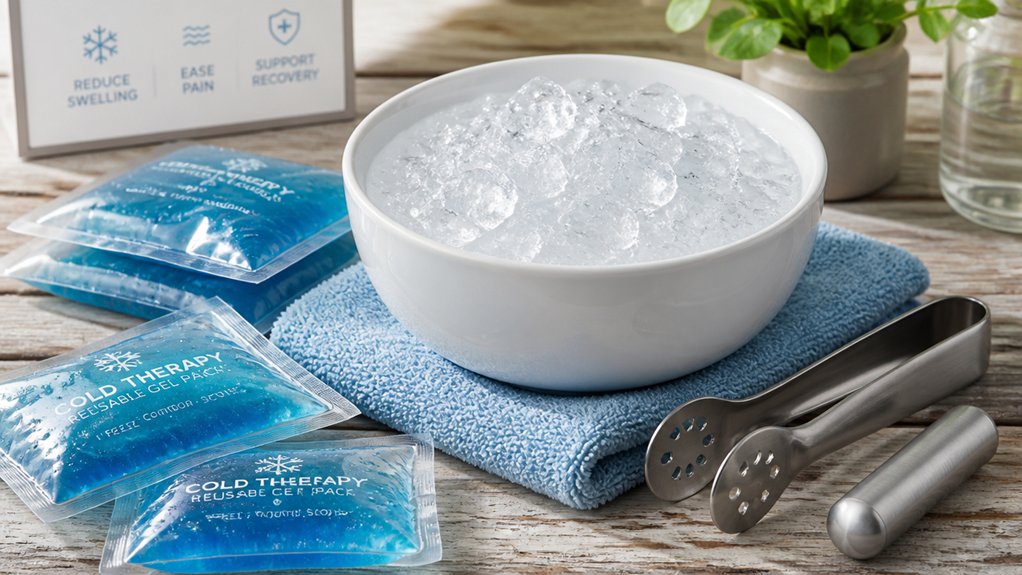
To apply cold therapy safely at home, start by wrapping an ice pack or frozen vegetables in a thin towel to protect your skin from frostbite and tissue damage. Keep cold therapy sessions between 15-20 minutes, with breaks in between, to effectively reduce swelling and inflammation. Remove cold applications immediately if your skin feels numb or overly cold. Avoid applying cold therapy on areas with poor circulation, cuts, or skin conditions to prevent injury. Always consult a healthcare provider if you have conditions like Raynaud’s disease or cold allergies. Use the following guide to guarantee safe application:
| Step | Action | Precaution |
|---|---|---|
| Wrap ice | Wrap in towel before applying | Protect skin from frostbite |
| Limit duration | 15-20 minutes per session | Avoid overcooling |
| Check skin | Remove if numb or overly cold | Prevent nerve injury |
| Avoid areas | On cuts, sores, or poor circulation | Prevent complication |
| Consult provider | With pre-existing conditions | Ensure safety |
Furthermore, using advanced gel packs can help maintain a consistent cold temperature for longer durations, enhancing overall effectiveness and comfort during recovery.
Signs You Should Avoid Cold Therapy for Arthritis
While cold therapy can effectively reduce inflammation and pain for arthritis, it’s important to know when you should avoid it.
If you have Raynaud’s syndrome, cold therapy works against you by constricting blood vessels and worsening symptoms. Avoid using cold therapy on areas with open wounds, cuts, or sores to prevent tissue damage and infection.
People with Raynaud’s syndrome should avoid cold therapy to prevent worsening symptoms and blood vessel constriction.
If you have poor circulation, paralysis, or reduced sensation, cold therapy can cause frostbite without warning, so it’s best to avoid it.
Additionally, if you’re experiencing pain and inflammation without recent swelling or an acute flare, cold therapy mightn’t provide benefits and could be unnecessary.
It’s also important to consider water treatment guidelines, as improper use or overapplication can increase risks for certain individuals.
Always consult a healthcare provider if you’re unsure, especially if you have cold allergies or impaired ability to sense temperature changes.
Tips for Protecting Your Skin During Cold Treatments
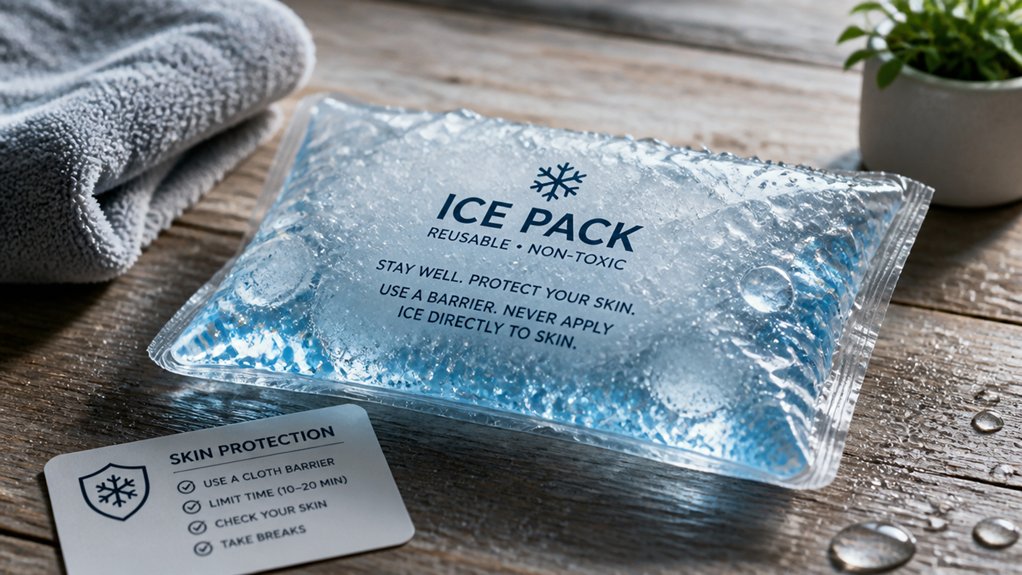
Protecting your skin during cold treatments is essential to prevent tissue damage and frostbite. Always wrap ice or frozen items in a thin towel or cloth to avoid direct contact with your skin. Limit sessions to 15–20 minutes, taking breaks to protect the skin and prevent cold injury. If your skin feels numb or uncomfortable, remove the cold source immediately to prevent frostbite. Avoid applying cold therapy on skin with cuts, sores, or poor circulation, as these increase risks. For sensitive patients, like those with reduced skin sensation, consult a healthcare provider before use. Use this table to remember key tips:
| Tip | Why |
|---|---|
| Wrap ice | Prevent frostbite |
| Limit duration | Protect skin from cold injury |
| Remove if numb | Avoid tissue damage |
| Avoid on damaged skin | Reduce injury risk |
| Consult healthcare provider | Guarantee safe application |
A durable waterproof timer can help you monitor cold sessions more effectively, ensuring you stay within safe limits.
How Often and How Long Should You Use Cold Therapy?
You should aim to apply cold therapy for about 15-20 minutes per session, with breaks in between to protect your skin. Using it every few hours can be effective, especially after activity or during flare-ups. Just make sure to wrap the ice and avoid prolonged use to prevent numbness or skin damage. For optimal joint recovery, ensure that the tub’s insulation efficiency helps maintain consistent cold temperatures throughout each session.
Optimal Duration Per Session
How long should cold therapy sessions last for effective pain relief and safety? Typically, limiting each session to 15-20 minutes helps reduce inflammation without risking tissue injury or frostbite.
To guarantee safe usage, always wrap ice packs or frozen items in a towel to prevent direct skin contact. Use cold therapy every few hours as needed, but stop immediately if your skin turns numb or shows signs of skin breaks.
Proper session duration prevents overexposure, reducing the risk of frostbite or tissue damage. Remember, consistency and moderation are key. Additionally, selecting quiet, efficient equipment can help maintain a relaxed environment during treatment sessions.
Recommended Frequency and Timing
For effective pain relief and safety, cold therapy should be applied approximately every three to four hours as needed, especially after activities that strain the joints or during arthritis flare-ups with swelling.
Limit each session to 15-20 minutes to reduce inflammation and swelling without risking tissue damage. Always wrap ice packs or frozen items in a thin towel or cloth to protect your skin during application.
During the first 48 hours of pain, you can perform ice massages for 5-10 minutes to help reduce inflammation quickly.
Avoid prolonged cold therapy, and immediately remove the ice if your skin feels numb or starts to turn white, as this indicates risk of frostbite or tissue injury. Proper timing guarantees relief while keeping your skin protected.
Common Mistakes to Avoid When Using Cold Packs
Using cold packs correctly is essential to safely relieve arthritis pain, but many people make common mistakes that can cause harm.
To prevent frostbite and tissue damage, always avoid applying cold packs directly on your skin by using a thin towel or cloth barrier. Limit cold pack application to 15-20 minutes per session to prevent numbness and potential tissue injury.
Avoid applying cold therapy on areas with poor circulation, numbness, or nerve damage, such as in Raynaud’s disease, unless advised by a healthcare professional.
Also, don’t place cold packs on open wounds, cuts, or sores, which can worsen skin complications.
Finally, don’t use cold packs continuously or for too long, as prolonged exposure increases the risk of cold-induced skin or tissue damage.
Combining Cold Therapy With Other Arthritis Treatments
Combining cold therapy with other arthritis treatments can enhance your pain relief and improve joint function. Using cold therapy alongside over-the-counter pain relievers, like NSAIDs, can effectively reduce inflammation and swelling.
Applying cold packs immediately after activities like gardening or stair climbing helps control swelling before using moist heat for muscle relaxation. Alternating cold therapy with heat treatments, such as warm baths, maximizes pain relief by addressing both inflammation and stiffness.
Incorporating cold therapy with low-impact exercises like cycling or water activities minimizes flare-ups and promotes better joint mobility. Always use a cloth barrier during cold therapy to protect your skin, and consult a healthcare professional before combining treatments to guarantee safety and avoid contraindications.
When to Seek Medical Advice for Persistent or Severe Arthritis Pain
If arthritis pain continues for several weeks despite consistent cold therapy and home treatments, it’s important to see a healthcare professional. Persistent pain may signal underlying inflammation, joint damage, or other issues needing medical advice.
You should seek help sooner if:
- Swelling, redness, warmth, or fever worsens, indicating possible infection or severe inflammation
- Cold therapy causes unusual skin reactions like numbness, frostbite, or allergic responses
- Pain severely limits daily activities or joint mobility, suggesting disease progression
- Cold therapy is contraindicated due to circulatory problems, nerve damage, or hypersensitivity
Don’t ignore these signs. Consulting a healthcare provider guarantees appropriate pain management and safe treatment adjustments, helping prevent further complications.
Frequently Asked Questions
Is Heat or Cold Better for Inflammatory Arthritis?
You should use cold therapy for inflammatory arthritis, as it helps reduce swelling, inflammation, and pain. Applying cold packs for 15-20 minutes calms flare-ups, while heat therapy is only better once inflammation subsides.
How Do You Reduce Arthritis Inflammation Fast?
You can reduce arthritis inflammation quickly by applying cold therapy—ice packs or frozen vegetables wrapped in a towel for 15-20 minutes. This constricts blood vessels, decreases swelling, and numbs nerves to offer rapid relief during flare-ups.
What Does Vicks Vaporub Do for Arthritis?
Vicks VapoRub provides temporary relief by delivering a cooling, numbing sensation through menthol, which helps distract from arthritis pain. However, it doesn’t reduce inflammation or treat the underlying causes, so use it alongside other effective cold therapies.
Does Cold Therapy Help With Arthritis?
Yes, cold therapy helps with arthritis by reducing inflammation, swelling, and pain. You should apply ice packs wrapped in a towel for 15-20 minutes, especially after activity or during flare-ups, but avoid direct contact.