To reduce inflammation and boost immunity, incorporate cold water therapy gradually, starting with short immersions and increasing duration as your body adapts. Stay well-hydrated, eat an antioxidant-rich diet, and practice stress management techniques like meditation. Combine these habits with regular exercise and quality sleep to enhance immune function. Avoid common mistakes like sudden cold exposure without preparation. Keep exploring these strategies to learn how to optimize your immune health safely and effectively.
What Are Cold Plunges and How Do They Affect Inflammation?

What exactly are cold plunges, and how do they impact inflammation?
Cold plunges involve immersing your body in cold water, usually between 50-59°F (10-15°C), for a brief period to trigger physiological responses. They effectively reduce acute inflammation by constricting blood vessels, which decreases swelling in muscles and tissues.
Cold plunges may also stimulate the release of anti-inflammatory cytokines, helping balance your immune response and aid recovery. Regular cold water therapy can strengthen your immune system by activating natural defense mechanisms and boosting white blood cell activity.
However, approach cold plunges cautiously if you have heart conditions or cold sensitivity. When used correctly, they’re a powerful tool to manage inflammation and support overall immune function.
Do Cold Water Therapy Methods Really Boost Your Immunity?
Cold water therapy, like cold showers or ice baths, is often claimed to boost your immune system. It can help activate the body’s immune response by increasing white blood cell production and improving circulation. Regular cold exposure may help reduce inflammation and promote the release of anti-inflammatory cytokines, which might help support immune balance. Additionally, incorporating adaptogens such as Rhodiola or Ashwagandha can further support the body’s resilience to stress and enhance immune function adaptogen synergy. However, scientific evidence on cold water therapy’s ability to boost your immune is mixed and primarily relates to short-term stress adaptation. Keep in mind, extreme cold exposure isn’t suitable for everyone—consult a health care provider if you have chronic inflammatory conditions or health concerns.
How to Safely Take Cold Plunges: Best Practices Explained

Wondering how to enjoy cold plunges safely? Start by immersing yourself in water around 50-59°F (10-15°C) for just 1-3 minutes to help your immune system adapt without overstressing your body. Always listen to your body; stop immediately if you feel numb, dizzy, or shivering excessively. Incorporating appropriate temperature control options can enhance safety and comfort during your cold plunge. Warm up gradually afterward by drying off, dressing warmly, or moving gently to restore circulation. Avoid cold plunges if you have cardiovascular or respiratory issues, or if you’re pregnant, unless advised by a healthcare professional. Use cold plunges as part of a healthy lifestyle that includes proper hydration, balanced nutrition, and regular physical activity. These habits work together to reduce inflammation, manage your stress, and promote a strong immune response.
How to Incorporate Cold Water Therapy Into Your Wellness Routine
Incorporating cold water therapy into your wellness routine can be simple and gradually effective if approached with care. Start slow by exposing yourself to cold water for just 30 seconds, then gradually increase the duration as your body adapts.
Begin with 30 seconds of cold water exposure and gradually extend as your body adjusts for better wellness.
This practice can help reduce inflammation by constricting blood vessels and promote relaxation when combined with deep breathing. Consistent cold exposure stimulates your body’s immune response and boosts immune function, supporting overall health.
To make it easier, consider these tips:
- Begin with warm water, then switch to cold gradually
- Focus on deep, calming breaths during cold exposure
- Stick to a regular schedule for consistency
- Avoid cold water if you have cardiovascular or respiratory issues
- Consult your Primary Care provider beforehand
- Using the right cold plunge setup can enhance your experience and safety.
Common Mistakes to Avoid When Using Cold Water Therapy
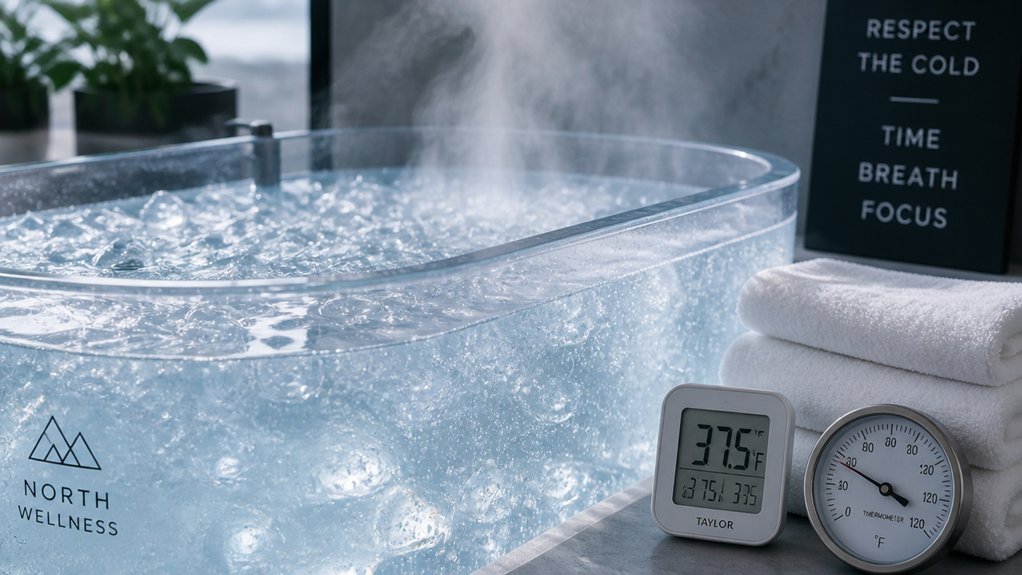
While cold water therapy can offer numerous health benefits, it’s crucial to avoid common mistakes that could undermine its effectiveness or cause harm.
Avoid prolonged exposure beyond 10-15 minutes, as it can trigger excessive inflammation instead of helping fight inflammation. If you have health issues like open wounds or chronic inflammation, consult a healthcare provider before starting.
Sudden immersion in extremely cold water without proper acclimation can cause shock and increase the risk of cardiovascular stress. Avoid cold water therapy immediately after intense exercise if you have poor circulation or heart problems, as it might impede natural recovery.
Also, never skip warming up gradually afterward, since abrupt temperature changes can lead to muscle stiffness and prolong inflammation. Proper water temperature regulation and monitoring are essential to maximize benefits while minimizing risks.
Following these precautions helps protect your health and guarantees you get the most benefit from cold water therapy.
Can Cold Plunges Be Combined With Other Lifestyle Strategies to Improve Immunity?
Cold plunges work best when paired with other healthy habits, like regular exercise, which boosts immune-supporting cytokine release. Combining cold therapy with a nutritious diet full of antioxidants can further strengthen your defenses against inflammation. Additionally, practicing stress management techniques, such as meditation, helps optimize the immune benefits of cold plunges. Incorporating pressure levels adjustments in your recovery routine can also enhance circulation and overall effectiveness.
Cold Plunges and Exercise
Combining cold plunges with regular exercise can greatly enhance your immune system’s response. This duo stimulates immune function by activating the anti-inflammatory response and boosting white blood cell activity.
When you incorporate cold exposure alongside exercise, it amplifies the release of cytokines, which are essential for immune regulation. This combination supports reduced inflammation, improves circulation, and helps regulate stress hormone levels, fostering a healthier immune environment.
To maximize benefits, consider these strategies:
- Practice cold plunges immediately after exercise
- Maintain consistent cold exposure routines
- Incorporate moderate-intensity exercise regularly
- Focus on recovery to avoid overstressing your body
- Combine with adequate sleep and stress management
This integrated approach enhances your body’s resilience and helps prevent illness. Additionally, selecting the right acrylic cold plunge tub can ensure safe and consistent cold exposure at home.
Combining Diet and Cold Therapy
Pairing cold plunges with an anti-inflammatory diet can greatly boost your immune defenses. Cold therapy activates your immune system by increasing white blood cell count and reducing inflammation-causing cytokines.
When combined with a diet rich in fruits, vegetables, nuts, and omega-3 fatty acids—like the Mediterranean diet—you amplify these effects. Omega-3s support immune function and help dampen chronic inflammation.
This synergy improves your body’s ability to fight infections and recover faster. Incorporating cold plunges alongside proper nutrition creates a powerful strategy to lower inflammatory markers and strengthen your immune system.
Just remember to stay well-hydrated and consult a healthcare professional if you have ongoing immune issues or chronic inflammation. Together, these lifestyle strategies can markedly enhance your overall resilience.
Stress Reduction Synergy
When you incorporate cold plunges into your wellness routine, you can enhance the effects of other stress management strategies to support your immune health.
Cold plunges help reduce inflammation by lowering cytokine levels and oxidative stress, complementing methods like meditation.
Combining cold exposure with regular physical activity amplifies the release of immunity-boosting cytokines and builds mental resilience.
Additionally, integrating cold plunges with adequate sleep can diminish inflammation-related fatigue and speed recovery.
Using cold plunges alongside mindfulness-based stress reduction helps regulate the immune response by balancing cytokine production and cortisol levels. To maximize benefits:
- Practice meditation during or after cold exposure
- Pair cold plunges with consistent exercise
- Prioritize quality sleep for recovery
- Follow a nutrient-rich diet with antioxidants
- Combine cold therapy with stress management techniques
Engaging in guided meditation devices designed for stress relief and mental prep can further support your immune system by promoting mental calmness and resilience.
Is Cold Water Therapy Safe for Everyone? When to Consult Your Healthcare Provider
Cold water therapy can offer benefits like reducing inflammation and strengthening your immune system, but it’s not suitable for everyone.
If you have heart disease or other health conditions, sudden exposure to cold water may trigger shock responses, such as rapid heart rate and high blood pressure. Those with cardiovascular issues or respiratory problems should consult your healthcare provider before trying cold water exposure.
People with conditions like Raynaud’s disease or asthma need professional guidance to avoid risks. Pregnant women and individuals with compromised immune systems should also seek medical advice beforehand.
If you experience symptoms like dizziness, chest pain, or numbness during or after cold water therapy, stop immediately and consult your health provider. Regular water treatment and proper water care and maintenance are essential for safety and effectiveness. Always prioritize safety to avoid potential complications.
Frequently Asked Questions
How Do You Drastically Reduce Inflammation in the Body?
To drastically reduce inflammation, you should adopt a plant-based diet, exercise regularly, avoid pro-inflammatory foods, manage stress, get quality sleep, maintain a healthy weight, and quit smoking, all of which actively support your body’s healing process.
What Are 5 Signs Your Body Has Inflammation?
You might notice persistent fatigue, joint pain, skin rashes, frequent headaches, or digestive issues—that’s your body’s way of signaling inflammation. Keep an eye on these signs and consult a healthcare professional for proper diagnosis and management.
What Are 12 Everyday Habits to Lower Inflammation?
You lower inflammation daily by exercising regularly, eating whole foods, managing stress, sleeping well, avoiding smoking and excess alcohol, keeping hydrated, practicing mindfulness, limiting processed foods, reducing sugar intake, maintaining a healthy weight, and avoiding pollution exposure.
What Boosts Immunity Quickly?
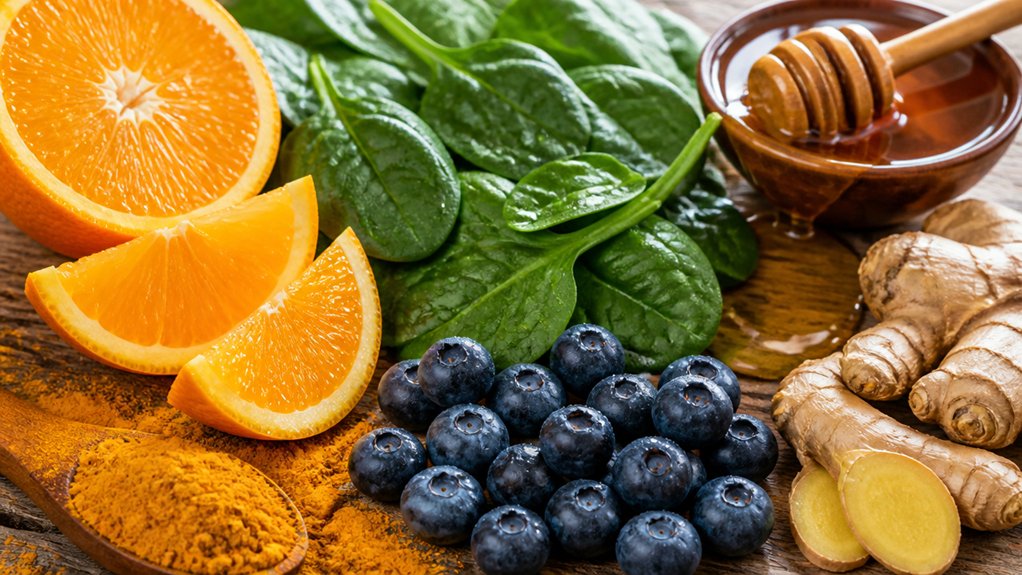
Eating foods high in vitamin C, like citrus and leafy greens, regularly exercising, getting enough sleep, staying hydrated, and using immune-supportive spices like garlic and turmeric rapidly boosts your immunity, helping your body fight infections faster.